Leave Your Message

Blog

7 Best Child Presence Detection Systems for Buyers

7 Best Child Presence Detection Systems for Buyers

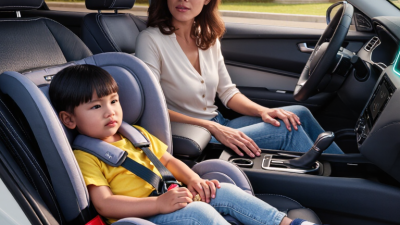
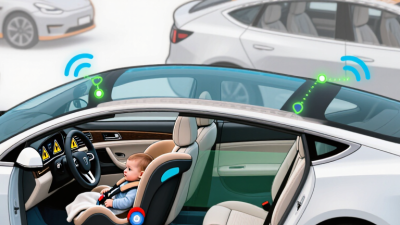
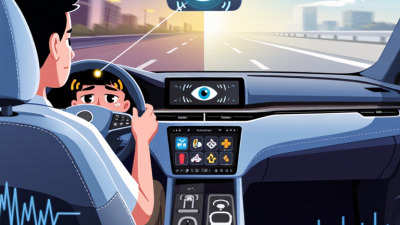
You know that feeling when you get out of the car and it's suddenly super quiet? That quiet can turn dangerous if a child's still back there, completely out of sight. That's exactly what Child Presence Detection systems are for—they're built to catch anyone left in the seat and give the caregiver a heads-up. But here's the thing: these systems don't all work the same way. Some use radar or seat sensors; others rely on cameras or connected vehicle tech. So same mission, different methods, basically. Sure, a dashboard warning or a ping on your phone or key fob can be helpful—but only if it actually gets to you in time. And let's be honest, no system's perfect. Janette Fennell—the founder of KidsAndCars.org and a longtime child passenger safety advocate—has spent years championing one simple reminder: “Look Before You Lock.” And sure, technology can help reinforce that habit, but it can’t replace it. So this guide compares seven different systems by looking at the questions real buyers tend to ask. What exactly can each system detect? Where do the alerts actually go? Does installation make or break performance? And are you stuck with a subscription, a specific vehicle, or a solid phone connection? Those details matter, and we dug into them. We also pay attention to false alerts, privacy controls, power needs, and how upfront each product is about its limits. Honestly, the small stuff can make or break a device. A sensor blocked by a kid’s car seat, a notification lost in a sea of phone alerts, or a confusing setup step—any of that can turn a useful product into a frustrating one. So before you buy, double-check current specs and compatibility. You can’t assume features and support won’t shift over time. We’re not out here promising certainty—just trying to give you a clearer picture. Basically, it’s about helping families find a system that actually works with their car, their daily routines, and what feels comfortable for them.
Read more »
Ethan By:Ethan - November 8, 2026
How to Choose the Best Driving Assistance System

How to Choose the Best Driving Assistance System

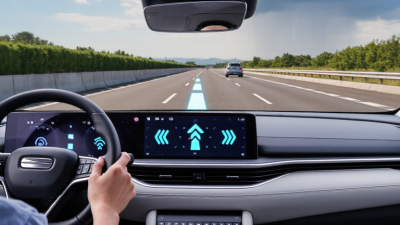
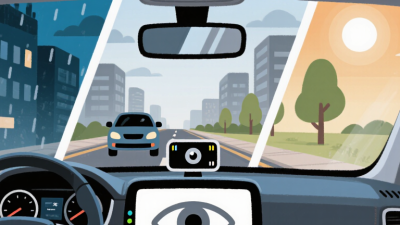
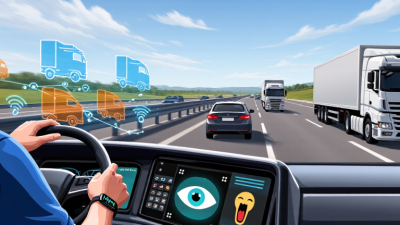
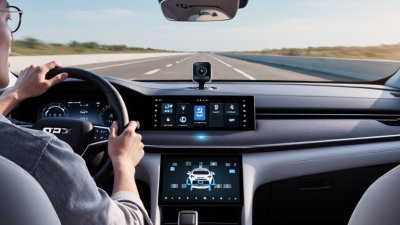
Picking a Driving Assistance System isn't about who has the longest list of features. Honestly, it's more about finding something that fits your routes, your habits, and how comfortable you feel behind the wheel. What works great on a clear highway might behave totally differently on a rain-soaked street or when lane markings are faded. And those little things can make a big difference. You know, there's this researcher at MIT – Bryan Reimer – who spends his time figuring out how drivers actually use all this car tech. And his work makes a pretty practical point: even with all those assistance features, you still gotta stay alert behind the wheel. The NHTSA puts it bluntly: 'Driver assistance technologies are not a substitute for safe driving.' So when you're shopping around and comparing lane-centering, adaptive cruise control, blind-spot alerts, or automatic emergency braking, keep that in mind. Sure, the names can sound pretty similar, but what they actually do and their limits? That's where the differences show up. Don't just stare at the dashboard when you're checking out a car's driver-assist features. Really, look beyond the screen. How does the system clue you in that it's working? Is the warning clear or is it easy to miss? And what happens when the lane markings just vanish—does it give up gracefully or does it panic? Also, you've got to get behind the wheel and try those controls yourself, not just watch a slick demo. They might feel fine in the showroom but totally awkward on the road. Pull out the owner's manual—who reads those, right?—but compare the fine print with your daily drive. No system is perfect, and even the ones everyone raves about might bug you or just not fit your commute. That's worth asking about, don't you think? Look, the right driving assistance system should actually make your life easier—not give you an excuse to zone out. So in this guide, we’ll walk you through what to compare, which questions to ask, and how to figure out if it’s really a good fit for the way you drive.
Read more »
Ethan By:Ethan - November 5, 2026
What Are the Top Driving Assistance System Suppliers in China?

What Are the Top Driving Assistance System Suppliers in China?

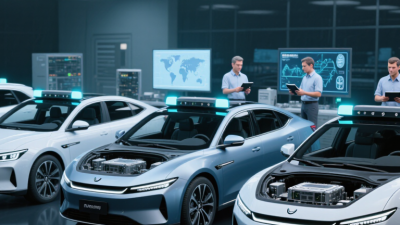
China’s driver-assistance space is clearly picking up steam, and it’s happening right alongside the broader boom in vehicle production and electrification. According to the China Association of Automobile Manufacturers, total vehicle sales hit about 31.4 million in 2024. Of those, new-energy vehicles accounted for roughly 12.9 million — that’s around 40.9% of the market. Now, these numbers don’t directly tell us how many cars actually have advanced driver-assistance systems. But they do explain why so many automakers and suppliers are pouring money into cameras, radar, computing platforms, and software. You know, a Driving Assistance System isn’t really one single product. It’s more like a bunch of components working together—sensors, control units, algorithms, and the vehicle itself. And China’s Ministry of Industry and Information Technology has been pushing pilot programs for intelligent connected vehicles, which gives development and testing a real boost. So yeah, the pace is real. But rankings? Those vary—and honestly, they vary a lot. Just because a supplier is really good at perception software doesn't automatically mean they’re leading the pack in sensors or domain controllers, you know? So, this overview takes a look at a few big names—Huawei, Bosch, Desay SV, Momenta, and DJI Automotive. Instead of trying to crown one "best" supplier or rank them all, it’s more about comparing what each brings to the table: their strengths, who they’re partnering with, and where they sit in the supply chain. CAAM’s 2024 numbers give us some useful context, and company disclosures plus automaker partnerships help fill in the picture. But those sources aren’t perfect. Announcements can only tell us so much—they don’t always show actual shipment volumes or how systems really perform in day-to-day driving. So yeah, that gap really deserves attention. A solid assessment can't just take tech claims at face value — it also has to weigh real-world production experience, how customers are actually adopting things, and whether there's solid evidence to back it all up.
Read more »
Nathan By:Nathan - November 2, 2026
How to Choose the Best Driver Fatigue Monitoring System

How to Choose the Best Driver Fatigue Monitoring System

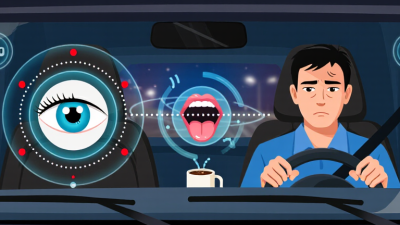
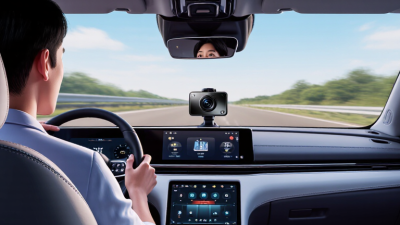
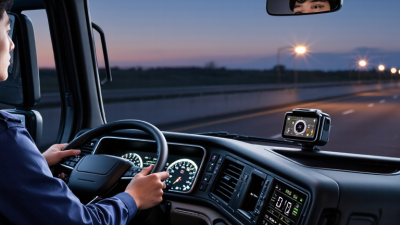
You know how a driver can look totally alert even when they're fighting to stay awake? It's scary—your lane position stays steady for ages, then suddenly drifts within seconds, especially after a long night shift. That's where Driver Fatigue Monitoring systems come in. They help fleet teams catch those subtle signs—like prolonged eye closure, repeated yawning, or attention drifting away. Now, these systems aren't magic; they don't replace rest breaks or good safety practices. But they give you another set of eyes, another source of info to keep everyone safer. When you’re looking for a fatigue monitoring system, it’s really easy to get carried away by the demo. But the real test? That’s out on the road. You’ve gotta dig into the nitty-gritty. For starters, how does it actually detect fatigue, and how fast does it react? Does the camera still work when it’s dark outside? And here’s a big one—what happens if your driver wears glasses? Or when the truck’s shaking? Sometimes these systems ping alerts so often they end up being more of a distraction than a help. That’s the last thing you want. Then there’s the practical side: how messy is the installation? Will it play nice with the fleet tools you already use? And can you get the data you need without jumping through hoops? Honestly, the details matter way more than a slick sales pitch. A tiny difference in how a system behaves can mean a huge difference in your daily operations. Trust me—it’s worth checking all this before you commit. Let's face it, no system is perfect. Detection accuracy can really depend on stuff like lighting, how the driver behaves, even the vehicle setup – so don't just take trial results at face value; dig deeper. Look at things like alert accuracy, ease of use, support, and overall costs before you commit. And after testing, definitely get input from drivers – they might catch issues that a spec sheet won't show. Choosing carefully can help catch fatigue earlier, but it's not a magic bullet – it won't catch every single time. Keep that in mind.
Read more »
Ethan By:Ethan - October 29, 2026
Top Driver Drowsiness Monitoring System Manufacturers?

Top Driver Drowsiness Monitoring System Manufacturers?

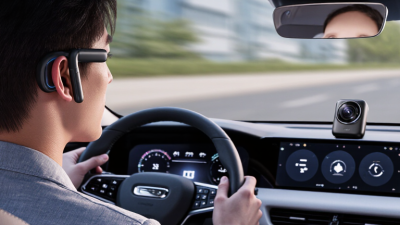
You know that feeling when you're driving down a road you've taken a hundred times, and suddenly everything starts to blur? That's driver fatigue for you—it can turn a familiar highway into a dangerous routine. But here's the thing: a Driver Drowsiness Monitoring System can catch that risk before your attention completely fades. It might track things like how often you blink, how long your eyes stay closed, where you're looking, your head position, even how you're steering. Some systems use infrared cameras to see in the dark, while others mix cabin sensors with data from the car itself. You know, Dr. Mark Rosekind—the sleep scientist and former NHTSA bigwig—he put it pretty bluntly: 'Drowsy driving is impaired driving.' That's been my starting point whenever I think about the whole modern monitoring tech scene. And honestly, it's not just about which brand you see plastered on the dashboard. Yeah, Seeing Machines, Smart Eye, Cipia, Continental, Valeo—they all have their own tricks, different sensors, different software tweaks. But the real question is: do they actually work when it counts? Like, how accurate are they, really? Do they react fast enough? Are you comfortable with them poking at your face while you drive? How's the installation—does it feel like an afterthought? And can they still see you at night when it's pitch black? All that stuff matters way more than the logo on the box. To be honest, the real test is out on the road. A reliable system has to pick up on prolonged eye closure even when the driver's wearing shades, or when there are cabin shadows, or the sunlight keeps changing. It should warn the driver clearly, but not in a way that adds to their fatigue. Fleet operators? They've got their own needs—useful data, easy upkeep, and a design that respects privacy. Sure, having published validation is good, but it's not the full story. Road conditions differ, and human behavior? That differs even more. And there's no such thing as a perfect supplier. So, in this piece, we're diving into the top players making Driver Drowsiness Monitoring Systems. We'll look at them from a practical, technical, and evidence-based angle – you know, the stuff that really matters. We're talking sensor capabilities, AI smarts, how well they integrate into vehicles, their track record in the market, and even the after-sales support you'd get. But here's the thing: some comparisons aren't going to be perfect, because these companies don't all use the same testing methods. And honestly, that's something we should acknowledge rather than sweep under the rug. Honestly, the best bet is usually the one that just works reliably in your actual car, the weather you deal with, and the way you drive it. It's not about the flashiest specs—it's that steady performance that counts, you know?
Read more »
Nathan By:Nathan - October 26, 2026
What Is Child Presence Detection and How Does It Work?

What Is Child Presence Detection and How Does It Work?

So, Child Presence Detection is turning into a pretty important safety feature in newer cars. Basically, it’s there to figure out if a kid is still inside once the engine’s off. Depending on the setup, it might use radar, ultrasonic sensors, pressure sensing, or cabin cameras. Some cars even mix a few of those together. And that layered approach? It can help cut down on false alerts. This isn't just some theoretical idea—it's practical. I mean, a child's car seat can sit there quietly, covered up, and easy to miss. Then a phone call, being tired, or a routine getting thrown off can mess with a driver's memory. Dr. David Diamond, a professor of psychology and neuroscience, put it this way: 'The human brain is not a perfect recording device.' His research helps explain why loving, careful parents can still make dangerous mistakes. And really, technology should support human attention, not replace it. So companies like Bosch, Valeo, and Seeing Machines are working on sensing and driver-monitoring tech. Their systems can pick up things like movement, breathing patterns, whether someone's in the seat, or if something weird is going on in the cabin. But—and this is the catch—performance can shift depending on blankets, tinted windows, where the sensor sits, and extreme temperatures. No system is perfect. And that? That matters. Honestly, a good Child Presence Detection system needs to give you clear warnings—whether that's on the car's display, through a phone app, or with an audible alarm. It also shouldn't go off all the time for no reason. Too many false alarms? That's a quick way to lose people's trust. If you're buying one, it's worth digging into how it's tested, what the sensors actually cover, how your data is handled, and what happens in an emergency. The tech is definitely promising, but yeah, you still want to look at it carefully before relying on it. So, this article breaks down how Child Presence Detection actually works. It also looks at where it does a good job—and, honestly, where it falls short. Those limitations? Yeah, they deserve some real, honest attention.
Read more »
Jackson By:Jackson - October 23, 2026
What Are the 2026 Top Driver Sleep Detection System Types?

What Are the 2026 Top Driver Sleep Detection System Types?

Fatigue is still a big problem on the road—even with all the advances in vehicle automation. The World Health Organization puts global road deaths at about 1.19 million a year. And its Global Status Report on Road Safety says many crashes come down to human behavior and lapses in attention. Drowsiness doesn't always announce itself, either. It can creep in through slower blinks, a head that starts to droop, or a car that drifts across the lane. In the U.S., the National Highway Traffic Safety Administration counted 684 deaths involving drowsy driving in 2021. But NHTSA also warns that these crashes are hard to pin down accurately. So the numbers may be incomplete—and that gap matters when you're looking at something like a Driver Sleep Detection System. This article looks at the main types of systems we're likely to see by 2026. Camera-based setups watch things like eyelid closure, where you're looking, facial posture, and head movement. Steering and vehicle-behavior systems look for lane weaving, slow corrections, and inconsistent speed. Physiological systems check heart rate or skin signals, often through wearables or contactless sensors. Multimodal systems pull several inputs together to make a stronger call. Euro NCAP's changing driver-monitoring requirements are nudging manufacturers to get better at spotting attention and fatigue. Bosch, Continental, Seeing Machines, and Smart Eye are all working on related sensing and software. Their approaches vary—sensor placement, algorithms, privacy handling, response timing. Here's a simple example. A driver blinks slowly on a dark highway, then grazes the lane line. One signal alone might be misleading. But taken together, the evidence could trigger a seat vibration, a dashboard warning, or a suggestion to rest. No system is perfect, of course. Real-world testing, clear alerts, and careful human oversight are still essential.
Read more »
Nathan By:Nathan - October 19, 2026
How to Choose a Driver Drowsiness Detection System?

How to Choose a Driver Drowsiness Detection System?

Picking a Driver Drowsiness Detection system isn't just a box-ticking spec exercise. It's a safety call made in moving vehicles, on roads that keep changing, and in those tired human moments when everything feels a little heavier. A camera might watch eyelids, head position, gaze direction, and long blinks. But performance can shift at night, in rain, or when drivers are wearing sunglasses. Dr. Mark Rosekind, former Administrator of the National Highway Traffic Safety Administration, once said, “Drowsy driving is impaired driving.” That line should stay with you through every purchasing decision. A reliable system has to spot risk early, without turning into a distracting parade of false alarms. Audible warnings should be clear. Seat vibration can help in noisy cabins. And the interface? It needs to make sense at 2 a.m., when attention is already running on fumes. This guide digs into the practical details behind a trustworthy Driver Drowsiness Detection solution. We'll look at camera placement, infrared capability, edge processing, calibration, alert timing, and fleet-management integration. We'll also touch on how vendors like Seeing Machines and Smart Eye validate their systems across different drivers and conditions. Ask for real testing evidence, not just polished demos. Request results from night shifts, uneven roads, glasses, masks, and changing cabin light. No system is perfect. And honestly, that matters. A sensor can miss a warning. A driver can ignore one. So selection should include human training, maintenance procedures, and clear escalation practices. Data handling deserves careful attention too, especially when video or biometric signals are stored. The strongest choice balances detection accuracy, usability, reliability, and responsible deployment. It should support drivers, not treat them like machine parts. Mistakes happen. A serious evaluation plans for them.
Read more »
Ethan By:Ethan - October 15, 2026
What Is an Automatic Car Door Closer and How Does It Work?

What Is an Automatic Car Door Closer and How Does It Work?

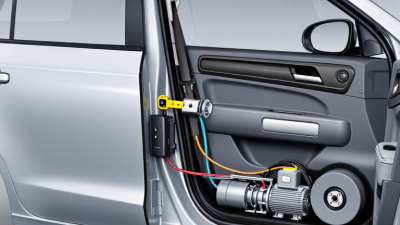
So, an Automatic Car Door Closer is basically a powered setup that gently pulls a car door all the way into its latched position. It makes getting in easier—especially if you don't have much strength or the door is heavy. And unlike a plain manual latch, it doesn't stop once the door hits the catch; it finishes the job. That last bit? It feels quiet, controlled, and honestly pretty precise. Usually, it starts when a latch sensor picks up where the door is. Then a control module tells an electric actuator to do its thing—maybe a small motor, gears, or a cable. The actuator pulls the latch in until the door seals snug against the weatherstrip. Some systems watch for resistance and stop if they hit something. Others just rely on the vehicle's existing door electronics and warnings. From what I've seen in practical inspections, alignment really matters. Even a tiny hinge shift can cause noise, slow operation, or the door not closing all the way. A good system should close the door without slamming or forcing it. It also needs to keep working in heat, cold, dust, and day-after-day use. That said, factory-installed and aftermarket versions don't always perform the same. That difference is worth paying attention to. A closer might look simple, but a bad install can mess with latch alignment, battery draw, and emergency operation. Vehicle docs and a qualified tech are still your best references. And owners should never use this feature as a replacement for checking the dashboard door warning. It's helpful tech, not perfect tech. Once you understand the parts, odd sounds and inconsistent movement get a lot easier to figure out.
Read more »
Jackson By:Jackson - October 11, 2026
2026 Top Driver Fatigue Alarm Types for Global Buyers

2026 Top Driver Fatigue Alarm Types for Global Buyers

Driver fatigue is a fleet risk you can actually measure. It’s not just a driver-training problem. The World Health Organization says there are about 1.19 million road traffic deaths worldwide every year. Fatigue slows down lane control, weakens judgment, and can make braking dangerously late. The AAA Foundation for Traffic Safety estimated that drowsy driving played a role in 328,000 U.S. crashes a year, including around 109,000 injury crashes. Those numbers are still widely cited, though reporting gaps mean the real toll could be higher. This guide looks at the 2026 Driver Fatigue Alarm types that matter most to global buyers. The market now has camera-based systems, steering-pattern monitors, lane-deviation alarms, wearables, and integrated fleet telematics. Cameras might catch long eye closures or repeated yawning — even inside a vibrating cab. Steering-based products watch for little correction patterns. Wearables track movement or physiological signals, but comfort and whether people actually wear them every day can weaken the results. And no ranking is perfect. The European Commission has flagged fatigue as a major contributor to road collisions, and modern vehicle safety rules increasingly push for driver attention monitoring. So buyers should look at detection accuracy, false alarms, night performance, privacy controls, installation effort, and how well a system works with existing fleet software. ISO 39001 can help support a broader road-traffic safety framework, but certification by itself doesn’t guarantee real-world protection. A dependable comparison needs field trials, not just glossy brochures. Even experienced procurement teams can overvalue lab scores. Real roads are messier. Weather changes. Drivers differ. This overview ties together technical evidence, operating experience, and supplier credibility to help international buyers pick a Driver Fatigue Alarm with realistic expectations.
Read more »
Nathan By:Nathan - October 7, 2026
What Is the Top Drowsy Driver Detection System?

What Is the Top Drowsy Driver Detection System?

So, what exactly is a top-notch Drowsy Driver Detection System? Well, it’s not just about watching a driver’s eyes—these systems go deeper. They look at things like how often someone blinks, whether their eyelids are closing for too long, the way they're holding their head, and even how they’re steering or drifting within a lane. Some of them even keep an eye on facial orientation and how driving patterns might be changing. The main idea? Catch those early signs of tiredness before a driver makes a risky mistake. Bryan Reimer, who researches driver monitoring at MIT’s AgeLab, explains it pretty well: “Drowsiness isn’t just a yes-or-no thing; it sneaks up gradually and can fluctuate.” That’s a crucial point because sometimes a driver might seem alert but is actually missing road signs or veering in their lane. It’s not all about the obvious yawns—these tiny signs matter too. Companies like Seeing Machines, Smart Eye, and Cipia have created systems for passenger cars, fleets, and commercial vehicles. They typically combine cameras, smart algorithms, and warning signals. But what counts as “top” really depends on what you need. A fleet manager might prioritize reliable alerts and detailed driver reports, while a regular car owner probably wants something quick to set up and with fewer false alarms. But let’s be clear—nothing’s perfect. Bright sunlight can mess with cameras, and sunglasses don’t help matters. Plus, different drivers may respond differently to alerts—some might ignore them altogether. That’s why it’s so important to have proper testing. Independent reviews, transparent performance stats, and responsible handling of data add a lot of trust. Honestly, I think a fancy demo on a dashboard doesn’t mean much without long-term road testing. The best Drowsy Driver Detection System should support human judgment rather than trying to replace it entirely.
Read more »
Jackson By:Jackson - October 2, 2026
7 Best Driver Fatigue Detection Systems for Fleets in 2026

7 Best Driver Fatigue Detection Systems for Fleets in 2026

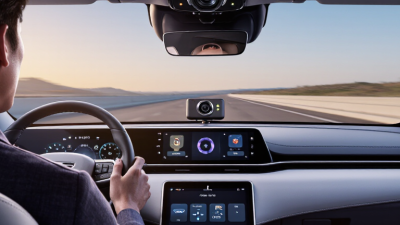
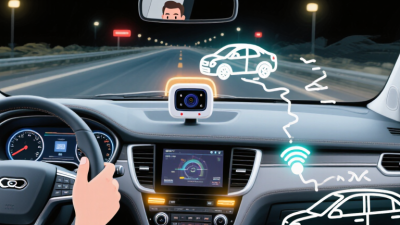
Driver fatigue can sneak up on you during long shifts—sometimes quietly. Maybe you notice a missed glance, a slightly slower reaction, or you keep correcting your lane more than usual—that's often an early sign things might be off. For fleet managers, catching these little signals before things get serious really matters. And that’s where a Driver Fatigue Detection System can make a big difference. By 2026, the best systems are doing more than just sounding alarms. They might use driver-facing cameras, analyze steering patterns, or monitor other signals from the vehicle to spot when someone’s less alert. Some send in-cab warnings; others provide fleet managers with event reports and tools to review incidents. But, just knowing about these features isn’t enough—performance on the road can be affected by things like night glare, sunglasses, rough roads, or even camera placement. And let’s not forget, false alarms can be super frustrating for drivers, so it’s important to honestly look at these limitations instead of pretending they don’t exist. This guide walks you through seven different options for fleets, paying attention to how they detect fatigue, how they alert drivers, reporting capabilities, ease of installation, and whether they’re compatible with your existing setup. It also explains how clearly vendors communicate about how they handle data and how well the systems actually perform. Those details are super important—don’t just rely on a slick dashboard or fancy features. No device can replace good scheduling, proper driver training, or essential rest breaks. Results will depend on your vehicle, road conditions, and other factors, so treat this list as a starting point. It’s a good idea to test out the systems in real fleet conditions before making your final decision.
Read more »
Nathan By:Nathan - September 25, 2026
How to Choose a Driver Drowsiness Monitoring System?

How to Choose a Driver Drowsiness Monitoring System?

Picking out a Driver Drowsiness Monitoring System isn’t just about grabbing some tech; it’s really about safety first. You know, fatigue shows up in different ways—like slow blinking, yawning over and over, eyelids drooping, or just losing focus. A good system should catch those signs early on and give you clear, timely alerts. The goal? Help drivers stay safe without throwing distractions their way. Experience in real-world driving really counts. Check out how the system handles night driving, bright sunlight, sunglasses, or tricky road conditions. Don’t hesitate to ask vendors for independent tests, proof of accuracy, and examples from other fleets similar to yours. It’s also important to see if cameras, steering analysis, or sensor-based methods fit your vehicles and environment. No system is perfect, of course. Sometimes, false alarms can bug drivers and cause frustration, while missed warnings are downright dangerous. Being honest about those potential flaws is key. And don’t just focus on what’s on the dashboard. Make sure you understand installation needs, maintenance routines, updates, alert settings, and compatibility with your existing fleet management tools. It’s equally important to review how your data will be handled—what info will be collected, how long it’s kept, and who can access it. Transparent policies help build trust. Running a short trial can really uncover issues that brochures often gloss over—like uncomfortable alerts, poor camera angles, or confusing instructions. Listening to your drivers’ feedback can make all the difference. A good supplier should also offer training, ongoing support, and performance reports after you get everything up and running. And don’t just compare initial prices—think about the overall ownership costs, too. The best Driver Drowsiness Monitoring System is the one that fits your vehicles, drivers, routes, and the safety culture you’re aiming for. Sure, technology helps, but at the end of the day, responsible management and a safety-first mindset are what really make the difference.
Read more »
Ethan By:Ethan - September 22, 2026
China Best Driver Drowsiness Detection System?

China Best Driver Drowsiness Detection System?

Picking out China’s top Driver Drowsiness Detection system isn’t just about comparing camera specs. You really want a solution that can pick up on those slow blinks, long eyelid closures, yawns, head drops, and even when a driver drifts out of lane repeatedly. Plus, it needs to work reliably whether you're inside a bright cabin, cruising down a dark highway, or driving over bumpy roads that shake the vehicle. And honestly, practical testing is where the real magic happens. In this guide, we're digging into systems from well-known tech names like Hikvision, Dahua, along with other trusted Chinese manufacturers. We look at infrared camera quality, edge processing capabilities, how quickly alerts are triggered, ease of installation, and whether it fits with fleet management systems. A good system should give clear warnings—think audio alerts, seat vibrations, or dashboard signals—without constantly flashing false alarms. Because at the end of the day, driver comfort is a big deal. All the evidence needs to come from real-world testing—both controlled trials and actual fleet use. And that means testing under different conditions: night driving, whether the driver is wearing sunglasses or a mask, drivers of different heights, and in all kinds of weather. Security and data privacy are just as important; vendors should be open about how they process, store, and protect the images and data collected. Of course, no system is perfect. Even the fancy software can sometimes get confused—like when a driver is talking or fiddling with the mirror—so honesty about these limitations is crucial. Ultimately, the best choice really depends on your vehicle type, operating hours, budget, and support needs. For example, long-haul trucks might need more advanced fatigue detection than a city bus. Smaller fleets often prefer something simple to install and easy to support. We’re focusing on systems that show real results—performance you can measure, knowledgeable deployment, and transparent info from providers. That way, you can really tell if a product will perform in the real world, not just in a demo. Because let’s face it, roads don’t give you a second chance."
Read more »
Nathan By:Nathan - September 18, 2026