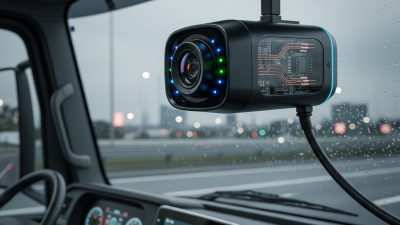
You know, staying safe on the road today is more important than ever. That’s where a Waterproof Rear View Camerareally comes in handy. I recently chatted with Dr. Lisa Montgomery from VisionTech Innovations—she’s pretty much an expert in automotive tech—and she mentioned, “A reliable Rear View Camera is a game-changer for avoiding accidents when you’re reversing.” Her point really hits home—these kinds of gadgets are becoming essential in our modern cars.
Let’s be honest, weather does a number on visibility—rain, snow, mud, you name it. Luckily, a Waterproof Rear View Camera takes care of that, giving you a clear view no matter what Mother Nature throws your way. It’s not just a fancy feature anymore; it’s a must-have for safe driving. Without it, there’s always a chance you might miss that crucial angle or obstacle and end up in trouble.
And here’s the thing—people often think a regular Backup Camera is good enough, right? Well, the truth is, standard cameras can stumble pretty badly in tough conditions. So, splurging on a waterproof version is actually a smart move. It gives you peace of mind and shows you’re serious about safety. As we keep pushing forward with new tech in our cars, having reliable tools like this really becomes more and more important.

What is a Waterproof Rear View Camera?
A waterproof rear view camera is designed to withstand harsh weather conditions. It prevents water damage and ensures uninterrupted visibility. These cameras are essential for vehicle safety, particularly in rainy or snowy conditions. Statistics show that poor visibility accounts for a significant percentage of car accidents. Having a reliable camera increases safety by providing clear images of the area behind the vehicle.
When choosing the right equipment, consider an OEM Waterproof Rear View Camera. This type is engineered to meet manufacturer standards. Research indicates that such cameras can reduce accidents by up to 20%. They typically feature a higher resolution and improved durability compared to standard models. Investing in quality camera systems can enhance your driving experience significantly.
Keep in mind some important tips. Always check the camera's sealing and installation methods for proper waterproofing. Regular maintenance can reveal any wear or tears. Clear any debris from the lens to ensure the best visibility. These routine checks can prevent costly repairs down the line and ensure your safety on the road.
The Importance of Rear View Cameras in Modern Vehicles
Rear view cameras have become essential tools in modern vehicles. They enhance safety by providing a clear view of the area behind the vehicle. According to the National Highway Traffic Safety Administration, backup cameras can reduce backover accidents by over 40%. In an era where distracted driving is a significant concern, these cameras can play a crucial role in preventing collisions.
The integration of a waterproof rear view camera adds another layer of safety. Using such a camera ensures visibility in various weather conditions, from heavy rain to snow. Research from automotive safety organizations indicates that weather-related visibility issues contribute to many accidents. A waterproof camera protects the system from moisture damage, ensuring consistent performance and reliability.
Despite the advancements, some drivers might overlook the importance of these features. It’s common to assume mirrors suffice for visibility. However, statistics show that blind spots can still lead to dangerous situations. Emphasizing the role of rear view cameras could shift perceptions. Their ability to provide a comprehensive view behind the vehicle makes understanding their value critical in today’s roads. Investing in these safety tools seems more crucial than ever.
Benefits of Using a Waterproof Rear View Camera
A waterproof rear view camera is essential for modern vehicles. It enhances safety by providing clear visibility in challenging weather conditions. Rain, fog, or even snow can diminish regular camera functionality. A waterproof model ensures consistent performance, allowing drivers to reverse with confidence.
The benefits of using a waterproof rear view camera extend beyond mere visibility. It reduces the risk of accidents, especially in tight parking situations. Enhanced clarity in adverse weather can prevent costly collisions. Additionally, many consumers overlook how leaving a camera exposed can lead to wear. A durable, waterproof camera withstands the elements, ensuring longevity.
Another advantage is the peace of mind it offers. Drivers can focus on their surroundings without worrying about camera failures. Accessing a reliable and quality unit, such as those found in Wholesale Waterproof Rear View Camera options, can improve overall driving experience. An effective camera system is a worthwhile investment for safety-conscious individuals.
Benefits of Using a Waterproof Rear View Camera
How Waterproof Features Enhance Camera Durability
Waterproof features in rear view cameras significantly enhance their durability, making them ideal for various driving conditions. Research shows that approximately 60% of drivers experience fog or heavy rain during their commutes. In these scenarios, a standard camera may fail, hampering visibility when safety is paramount. An ODM Waterproof Rear View Camera can withstand such challenges, operating effectively in extreme weather conditions.
The materials used in waterproof cameras are often resistant to corrosion and physical wear. For example, cameras with an IP68 rating can be fully submerged in water without damage. This is crucial for long-term performance. Many consumers overlook maintenance needs, yet waterproof enhancements can reduce repair frequency by up to 40%. Neglecting this aspect could lead to increased overall costs.
However, waterproof technology isn't infallible. Some models may still encounter issues under prolonged exposure to harsh elements. It's essential for users to review product specifications carefully. Feedback from industry reports highlights that even top-rated products face challenges. Therefore, ensuring the right model fits your driving environment is vital. A well-chosen ODM waterproof rear view camera can significantly improve your driving experience, offering reliability where it counts the most.
Installation Process for Waterproof Rear View Cameras
Installing a waterproof rear view camera can enhance your driving experience. This camera is designed to perform under various weather conditions. Rain, snow, or mud won’t affect its performance. However, proper installation is key for optimal functionality.
Begin by selecting a suitable location for the camera. Common spots include the rear license plate area or just above the bumper. This position allows for a wide field of view while ensuring enough protection. Next, gather essential tools like a drill, screws, and wiring harness. Make sure to consult the installation manual specific to your camera model. Each step requires careful attention to detail.
As you drill and mount the camera, ensure all connections are secure. This prevents water from seeping in and potentially damaging the device. Avoid rushing through this phase; mistakes could lead to malfunction. Also, test the camera before sealing everything up. Adjust the angles as needed. A small error in installation can lead to big problems later.
Common Applications of Waterproof Rear View Cameras
Waterproof rear view cameras are increasingly popular in various fields such as automotive, marine, and construction. These cameras provide essential safety features in diverse environments. For instance, research shows that approximately 30% of accidents occur due to visibility issues while reversing. A waterproof camera ensures functionality even in challenging weather scenarios, such as rain or snow. This feature is crucial for vehicles operating in regions with harsh climates.
One common application of waterproof rear view cameras is in trucks and SUVs. These vehicles often navigate rough terrains, making visibility vital. The National Highway Traffic Safety Administration reported that backup cameras could reduce accidents by 40%. This statistic highlights the effectiveness of these systems in enhancing safety. Furthermore, marine applications benefit significantly from waterproof cameras, allowing boaters to monitor their surroundings under adverse conditions. A reliable camera can be a lifesaver, greatly improving situational awareness.
In construction sites, these cameras assist operators in monitoring blind spots. Equipment often obscures views, leading to potential hazards. The use of waterproof cameras helps mitigate risks associated with poor visibility. Investing in such technology proves essential for safety and efficiency in various industries. The need for reliable, waterproof solutions continues to grow, reflecting how critical they are for enhanced safety.
Choosing the Right Waterproof Rear View Camera for Your Needs
When selecting a waterproof rear view camera, it is crucial to consider your specific needs. Assess the level of protection you require. Not all waterproof cameras are created equal. Some can withstand heavy rain, while others are only splashproof. Think about your driving environment. If you frequently drive in adverse weather, opt for a camera with a high waterproof rating.
Another key factor is image quality. A camera with poor resolution can hinder visibility during dark or rainy conditions. Look for options that offer night vision features or enhanced low-light performance. Additionally, the ease of installation matters. Some models are user-friendly, whereas others might require professional assistance.
Don't overlook customer reviews and expert recommendations. Seek a reputable Waterproof Rear View Camera Supplier to ensure quality and reliability. This can significantly impact the performance of your camera. Reflect on your previous experiences with similar devices, and be open to exploring various options. Your choices will ultimately affect your safety and driving experience.
Enhancing Road Safety: The Essential Role of ADAS Cameras in Modern Vehicles
As the automotive industry rapidly evolves, Advanced Driver Assistance Systems (ADAS) have become a pivotal aspect of enhancing road safety. Among these systems, Adas Cameras serve as essential tools for improving vehicle safety and assisting drivers. These cameras are equipped with features like Forward Collision Warning (FCW), Lane Departure Warning (LDW), Traffic Monitoring (TMN), and Time-To-Collision (TTC) alerts, which contribute significantly to accident prevention. The integration of high-definition 1920*1080 pixel cameras operating at a 30fps frame rate ensures clarity and precision in detecting surrounding vehicles and potential hazards.
The wide dynamic range (WDR) capabilities of modern ADAS cameras enable them to function effectively in various lighting conditions, making them invaluable during night-time or bright, sunny days. With integrated G-Sensors, these systems can accurately assess and respond to the dynamic driving environment by detecting regular sedans, SUVs, commercial vehicles, pedestrians, motorcycles, and irregular vehicles, as well as distinguishing different road lines. According to recent industry reports, vehicles equipped with ADAS technology have shown a reduction in collision rates by up to 40%, underscoring the critical role these systems play in enhancing overall road safety.
In addition to collision prevention, ADAS cameras are essential for ensuring compliance with driving regulations and improving overall vehicle management. The ability to monitor various elements in real-time not only aids drivers in making informed decisions but also promotes a culture of safety on the roads. With an increasing emphasis on incorporating technological advancements in vehicle design, the role of ADAS cameras could become even more pronounced, leading to safer roads and a reduced likelihood of traffic incidents in the future.
FAQS
: They provide a clear view of the area behind the vehicle, enhancing safety.
They can decrease backover accidents by over 40% according to safety data.
A waterproof design ensures visibility in all weather conditions, including rain and snow.
Weather-related issues like fog, rain, or snow often contribute to accidents.
Many assume mirrors alone are sufficient, overlooking blind spots’ dangers.
Recommended spots include the rear license plate area or above the bumper for optimal view.
Essential tools include a drill, screws, and a wiring harness for proper installation.
Test the camera to ensure it functions correctly and adjust angles as necessary.
Mistakes may lead to malfunctions, impacting performance and safety during use.
Rushing through the installation can cause significant issues later on.
Conclusion
A waterproof rear view camera is an essential safety feature in modern vehicles, designed to enhance visibility while reversing and parking. This type of camera is particularly valuable as it is built to withstand harsh weather conditions, ensuring reliable performance regardless of rain or humidity. The durability provided by waterproof features significantly extends the camera's lifespan, making it a smart investment for vehicle owners.
The installation process for waterproof rear view cameras is typically straightforward, catering to various vehicle types. These cameras find common applications not only in personal vehicles but also in commercial fleets and recreational vehicles, where they enhance safety during maneuvering. Choosing the right waterproof rear view camera involves considering factors such as image quality, angle, and ease of installation, allowing users to find a solution that best meets their specific needs.

 Front & Rear Parking Assist
 Automatic Parking Assist
 Wade Sensor System
 79GHz Kick Step-on Open System
 79GHz Door Open Warning System
 77GHz Blind Spot Detection
 77GHz Long Range Detection
 60GHz Child Presence Detection
 360 Panoramic Camera
 Driver Fatigue Monitoring System
 Dash Camera
 ADAS Camera
 Streaming Rearview Mirror
 Self Cleaning Camera
 Car Radio
 Infotainment System
 Wireless Charger
 Ultrasonic Sensors System
 4-Image Camera Monitoring System
 Driver Fatigue Monitoring System
 77GHz Blind Spot Detection
 ADAS Camera
 Camera Monitoring System