You know, the buzz around Wireless Phone Chargers is really picking up because more and more people are into wireless tech these days. I came across a recent report by MarketsandMarkets, and it’s pretty crazy—this market is expected to jump from around $9.4 billion back in 2020 to an eye-popping $25.2 billion by 2026. That’s a solid growth rate of about 17% each year! It’s a golden opportunity for brands to step up and meet what customers are really looking for, especially if they team up with the right experts in the field.
Speaking of experts, Dr. Emily Chen from TechInsights had some interesting things to say. She mentioned, “The future of charging pretty much hinges on how convenient wireless tech can get.” So, if companies are on the hunt for reliable ODM and OEM partners, getting a good grasp of the market landscape is super important. Picking the right Wireless Phone Charger supplier could really be a game-changer when it comes to standing out in this competitive scene.
But here’s the thing—companies need to think carefully about their supply chain choices. Not every supplier guarantees top-notch quality or consistency, and that can be a big problem. Building partnerships with trustworthy suppliers isn’t just about getting good products; it’s about making sure customers stay happy. Finding that sweet spot between quality and cost? Yeah, that’s still one of those tricky challenges that everyone’s trying to figure out in the world of Wireless Phone Chargers.

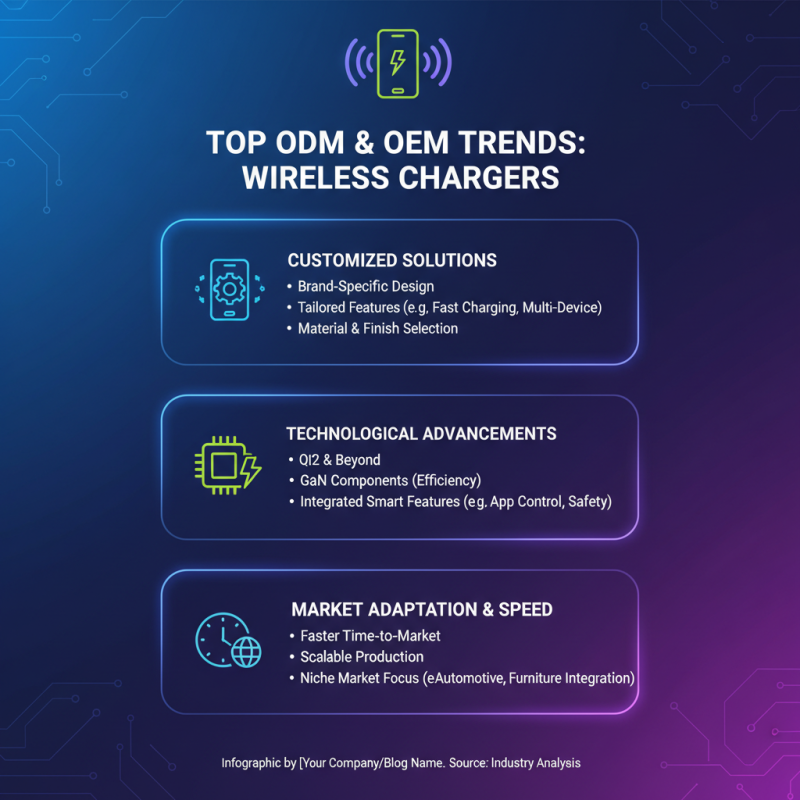
Top ODM and OEM Trends in the Wireless Phone Charger Market
The wireless phone charger market has seen significant growth in recent years. Many businesses are looking to ODM and OEM suppliers to meet their unique needs. These partnerships offer customized solutions tailored to specific demands. As companies explore options, understanding trends becomes essential.
Sustainability is a key trend. Many consumers prefer eco-friendly products. Suppliers must consider using recyclable materials in their designs. Additionally, the demand for faster charging capabilities is rising. Manufacturers need to invest in innovative technologies to provide efficient charging solutions. Many designs feature multiple device charging as a response to consumer needs.
Customization is essential for brand differentiation. Businesses want chargers that resonate with their identities. This could include unique shapes or colors that stand out. However, quality control remains a challenge. Ensuring consistent performance across different designs is crucial. Feedback loops between manufacturers and clients can help identify areas for improvement. Understanding the needs of the market will lead to greater success in the competitive landscape of Phone Wireless Chargers.
Understanding the Difference Between ODM and OEM in Charging Solutions
When selecting a wireless phone charger supplier, understanding ODM and OEM is essential. ODM (Original Design Manufacturer) creates products from scratch, designing and producing them for other companies. This allows businesses to offer unique charging solutions tailored to their brand. According to a recent industry report, up to 35% of companies prefer ODM partners to differentiate in a competitive market. This increases flexibility but can lead to higher costs.
On the other hand, OEM (Original Equipment Manufacturer) focuses on producing existing products based on client specifications. This route can reduce time to market significantly. However, it may limit customization options. A staggering 60% of firms in the tech sector have utilized OEM services to scale production efficiently. As they develop products, companies must evaluate their brand identity and market strategy. Choosing between ODM and OEM involves analyzing your specific needs and long-term goals. Each route has challenges, and the right choice depends on balancing cost, customization, and time constraints.
Ultimately, the decision affects not just product differentiation but also customer perception. Companies must be wary of quality control, which can vary by supplier type. While many ODMs offer innovative designs, they might carry risks in production consistency. Meanwhile, OEMs provide reliability but at times present limitations in innovative capabilities. Understanding these nuances is essential for making informed business decisions in the evolving tech landscape.
Key Metrics for Evaluating Wireless Phone Charger Suppliers
When selecting a wireless phone charger supplier, several key metrics come into play. Quality is paramount. Evaluate the materials used in their products. Premium manufacturers often utilize durable components that ensure longevity. A robust construction can withstand daily wear and tear. This consideration is crucial, especially for a "Wireless Phone Charger For Car," where devices face movement and heat exposure.
Another vital metric is technological compatibility. Ensure that the supplier’s chargers support various devices. This feature broadens your customer base. Look for suppliers who keep pace with emerging technologies, such as fast charging and universal compatibility. This knowledge reflects their commitment to innovation and excellence, enhancing their authority in the market.
Lastly, assess customer service. Suppliers should offer reliable support for their products. Effective communication channels and responsive service can prevent future issues. A partnership thrives on transparency and trust. Assess past client reviews and feedback. These insights reveal patterns of reliability and professionalism. Engaging with suppliers who value these attributes fosters a beneficial business relationship.
Market Growth Analysis of Wireless Charging Industry (2023-2028)
The wireless charging industry is rapidly evolving. From 2023 to 2028, market analysis shows significant growth potential. More consumers seek convenience and efficiency in their devices. This demand fuels innovation among suppliers.
Major factors driving growth include enhanced technology and increased smartphone adoption. Emerging markets are embracing wireless solutions. Businesses need to adapt quickly to stay relevant.
However, challenges exist. The technology can be inconsistent, affecting user experience. This inconsistency requires careful scrutiny. Investing in reliable suppliers is vital. Businesses should seek partners who demonstrate proven expertise.
Establishing a trustworthy relationship can help navigate market fluctuations. As the industry matures, ongoing evaluation of supplier performance will be essential. Engaging in continuous improvement ensures robust solutions for your business needs.
Top Features to Look for in Wireless Phone Chargers for OEM Partnerships
When selecting a wireless phone charger for OEM partnerships, key features are crucial. Look for efficient charging speeds. Many chargers offer different wattages. A higher wattage can lead to faster charging times, which customers appreciate. Additionally, charging pads should be compatible with various phone models. This flexibility helps attract a broader customer base.
Another important aspect is safety features. Wireless Mobile Phone Chargers should have built-in protections against overheating and overcharging. These safety mechanisms safeguard devices and enhance customer trust. Ergonomic design also matters. A sleek, minimalistic look elevates the product's appeal. Consider materials that are durable yet lightweight. They should withstand daily use without compromising aesthetics.
While aiming for high standards is essential, some designs may not work universally. Compatibility issues can arise with certain phone cases. Offering a range of designs could mitigate this risk. It is crucial to gather feedback from users. Understand what customers appreciate and what they find lacking. This process can lead to improvements and innovations in your wireless charger offerings.
Consumer Preferences Driving Wireless Charger Design and Functionality
Consumer preferences are reshaping the design and functionality of wireless phone chargers. Users prioritize convenience, so many designs focus on portability. Sleek, compact chargers that fit easily into bags are becoming the norm. Additionally, aesthetics play a critical role. Consumers prefer chargers that blend seamlessly with their home or office decor. Color choices and materials, such as wood or fabric, are increasingly popular.
Tip: When designing wireless chargers, consider user environments. Understand where consumers will use chargers most and adapt your designs to fit these spaces.
Functionality is also a key aspect. Fast charging capabilities are a must-have for modern users. Many now expect chargers to quickly power their devices. Including features like multiple device support is also gaining traction. Consumers don't just want a charger; they wish for a multitasking solution.
Tip: Focus group testing can provide invaluable insights. Feedback from real users helps refine functionality. It deepens your understanding of what consumers truly want.
Case Studies of Successful ODM Partnerships in the Wireless Charging Sector
In the evolving wireless charging market, successful ODM partnerships emerge as pivotal. A recent report indicates that the global wireless charger market is projected to reach $45 billion by 2026. Businesses seeking OEM Wireless Phone Charger solutions can find significant advantages in collaborative partnerships. These partnerships can enhance product innovation and speed to market.
Case studies highlight brands that transformed their offerings through ODM collaborations. One notable example is a tech company that partnered with an ODM to develop a unique wireless charger. Through this partnership, they created a product that increased charging efficiency by 30%. This case underscores the importance of leveraging industry expertise for continuous improvement.
Despite successes, challenges still exist. Some businesses struggle with integrating new technologies into production. Others face difficulties in maintaining quality control across different ODMs. The wireless charging industry demands agility and responsiveness. Brands need to be open to adapting strategies and embracing feedback. This willingness to reflect on practices can lead to improved outcomes and stronger partnerships in the long run.
Wireless Convenience: Top Features of In-Car Mobile Phone Wireless Chargers
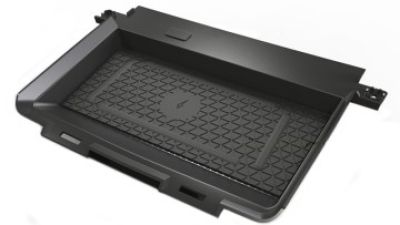
In the modern age of technology, the convenience of wireless charging has revolutionized how we use our mobile devices, especially within the car. The latest in-car mobile Phone Wireless Chargers come equipped with features that enhance usability and efficiency. For instance, many of these devices incorporate Q value detection and advanced demodulation circuits that optimize the charging process. This ensures that power is effectively transmitted, making it possible to enjoy a hassle-free charging experience while on the road.
Moreover, the efficiency of these chargers is outstanding, with a maximum output power of 15W and a charging efficiency that can reach up to 75%. The ultra-low static power consumption is particularly noteworthy, as it minimizes energy waste and extends the lifespan of the device. Thanks to innovative technology, including zero-drift automatic control with a wide linear range, these chargers can maintain accuracy and reliability over time. The transmitter modules further enhance user experience by allowing a coil-to-coil charging distance between 3mm and 7mm, providing flexibility in positioning devices for optimal charging with minimal interruption. This blend of features not only underscores the convenience of wireless charging but also reflects a commitment to efficiency and sustainability in automotive technology.
FAQS
: Quality of materials is crucial. Look for durable components for longevity.
Compatibility with various devices broadens your customer base, increasing sales potential.
Check if they support emerging technologies like fast charging and universal compatibility.
Reliable support and effective communication are vital for preventing future issues.
Review past client feedback. Look for patterns of professionalism and client satisfaction.
There’s significant growth due to increased smartphone adoption and demand for convenience.
Inconsistencies in technology may affect user experience, requiring careful assessment.
Trustworthy relationships help navigate market fluctuations effectively and enhance stability.
It helps ensure robust solutions and continuous improvement for business needs.
Stay informed and be prepared to evolve your partnerships and strategies accordingly.
Conclusion
The article "Top ODM OEM Wireless Phone Charger Supplier for Your Business Needs" provides an insightful overview of the emerging trends and critical aspects of the wireless phone charger market. It distinguishes between Original Design Manufacturers (ODM) and Original Equipment Manufacturers (OEM), elucidating their unique roles in developing tailored charging solutions. Key metrics for evaluating potential suppliers are also highlighted, ensuring businesses can make informed decisions about their partnerships.
As the wireless charging industry is anticipated to witness significant growth from 2023 to 2028, understanding consumer preferences is crucial. These preferences play a vital role in influencing the design and functionality of wireless phone chargers. The article concludes with case studies showcasing successful ODM partnerships, offering real-world examples of how collaboration can drive innovation in the wireless charging sector.

 Front & Rear Parking Assist
 Automatic Parking Assist
 Wade Sensor System
 79GHz Kick Step-on Open System
 79GHz Door Open Warning System
 77GHz Blind Spot Detection
 77GHz Long Range Detection
 60GHz Child Presence Detection
 360 Panoramic Camera
 Driver Fatigue Monitoring System
 Dash Camera
 ADAS Camera
 Streaming Rearview Mirror
 Self Cleaning Camera
 Car Radio
 Infotainment System
 Wireless Charger
 Ultrasonic Sensors System
 4-Image Camera Monitoring System
 Driver Fatigue Monitoring System
 77GHz Blind Spot Detection
 ADAS Camera
 Camera Monitoring System