In today’s world, where keeping roads safe is more important than ever, tackling driver fatigue has really become a top priority. I mean, just think about how many accidents could be avoided if tired drivers got the right help. Dr. Olivia Harper, who’s pretty much an expert when it comes to car safety tech, mentions that “Having effective Driver Fatigue Alert systems can make a huge difference in cutting down crashes caused by drowsy driving.” These systems are actually pretty clever—they keep an eye on how alert you are and send warnings if you’re about to doze off behind the wheel. It’s all about making sure drivers get those crucial breaks before things get serious.
As the tech behind these alerts keeps getting smarter, we’re seeing new innovations that do a better job at catching signs of tiredness or distraction. With all the scary stats about accidents caused by driver fatigue, it’s clear that these kinds of systems aren’t just fancy extras anymore—they’re a must-have. If we take a look at the top Driver Fatigue Alert tools out there today, it’s pretty inspiring. They’re not only helping drivers stay safe but also making our roads safer for everyone. This article covers the ten leading systems shaping the future of driving, especially as we become more and more mobile. It’s pretty exciting to think about how much safer things might get with all these innovations around.
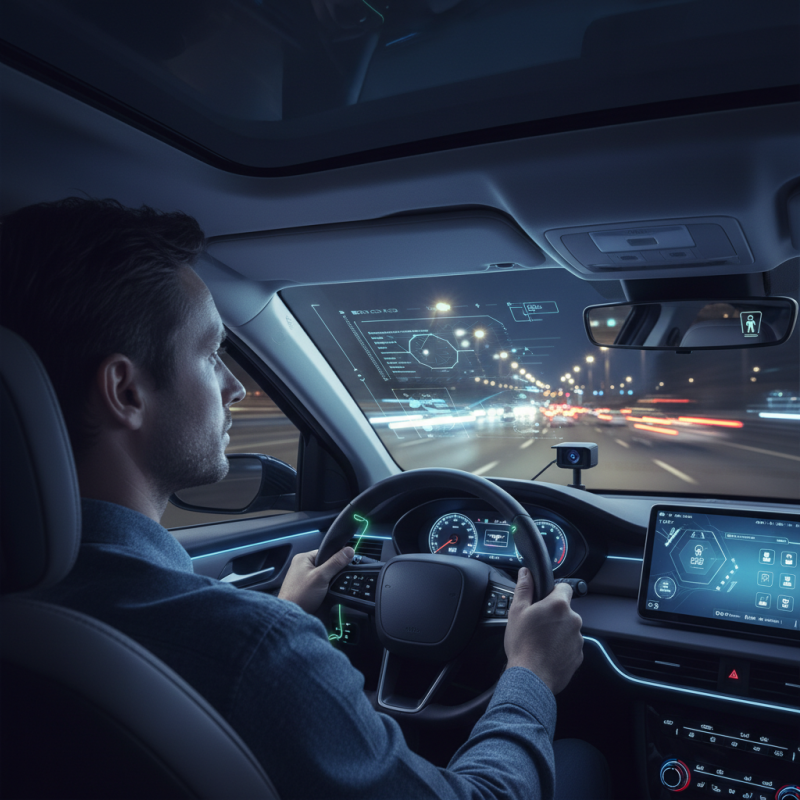
Understanding Driver Fatigue and Its Risks
Driver fatigue is a significant risk factor in road safety, often leading to impaired reaction times, diminished awareness, and a higher likelihood of accidents. With today’s fast-paced lifestyles, many drivers underestimate the impact of fatigue, believing that they can push through the tiredness. However, research has shown that fatigue can affect cognitive functions similarly to alcohol impairment, drastically increasing the risk of collisions. Recognizing the symptoms of fatigue, such as yawning, blurred vision, and difficulty staying focused, is crucial for all drivers to ensure their safety and that of others on the road.
The dangers of driver fatigue extend beyond individual drivers; they pose a collective risk to communities and road safety at large. Inadequate rest can lead to micro-sleeps, which are short episodes of sleep that can occur without warning, typically lasting only a few seconds but long enough to cause serious accidents. Implementing effective driver fatigue alert systems can significantly reduce these risks by employing technology that monitors driver behavior, alertness, and environmental factors, prompting necessary breaks or interventions when fatigue is detected. By prioritizing awareness of fatigue and utilizing available tools, drivers can contribute to creating a safer driving environment for everyone.
Key Features of Effective Fatigue Alert Systems
Driver fatigue is a critical issue that affects road safety globally. According to the National Highway Traffic Safety Administration (NHTSA), drowsy driving is responsible for an estimated 100,000 crashes annually in the United States alone, leading to thousands of injuries and fatalities. Effective fatigue alert systems are designed to combat this pressing problem by incorporating several key features that ensure Driver Alertness.
One of the most essential features of an effective fatigue alert system is real-time monitoring of driver behavior. By using advanced sensor technology, these systems can track various indicators such as eye movement, blinking patterns, and steering input to determine the driver's state of alertness. The integration of artificial intelligence can enhance this capability, allowing for more accurate predictions of fatigue onset. Additionally, customizable alerts, such as vibrations in the steering wheel or subtle audio cues, help in nudging drivers back to a state of alertness without causing unnecessary distraction.
Tips: To maximize the effectiveness of any fatigue alert system, drivers should ensure that their system is calibrated to their individual driving habits. Regular breaks, combined with conscious awareness of one’s fatigue levels, can significantly augment the technology’s capabilities. Also, familiarizing oneself with the system’s notifications can aid drivers in responding promptly to potential fatigue warnings, ultimately contributing to safer driving experiences.
Top Technologies Used in Driver Fatigue Detection
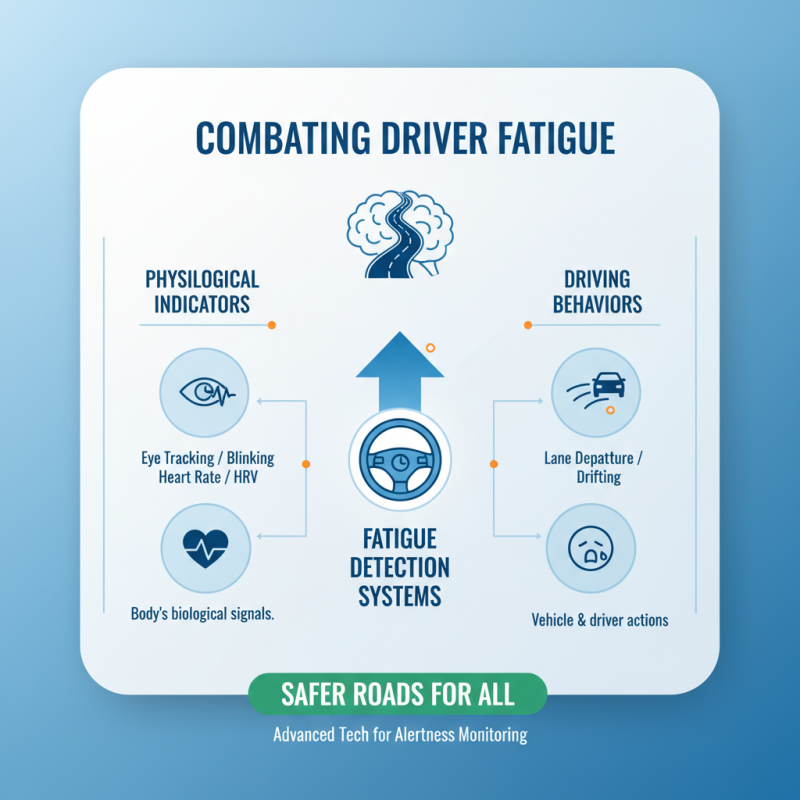
Driver fatigue is a significant concern for road safety, leading to numerous accidents each year. To combat this issue, several advanced technologies have emerged in the realm of driver fatigue detection. These systems primarily focus on monitoring physiological indicators and driving behaviors to assess a driver's alertness level effectively.
One of the most prominent technologies utilized in driver fatigue detection is eye-tracking systems. By employing infrared cameras, these systems can analyze the movements and blinking patterns of a driver's eyes. A decline in eye activity, particularly prolonged blinks or slow eye closure, is a strong indicator of fatigue. Additionally, lane departure warnings play a crucial role in monitoring driving behavior; when a vehicle drifts out of its lane without signaling, the system can alert the driver to take a break or refocus on the road.
Another innovative approach leverages biometric sensors, which are often integrated into steering wheels or driver seating. These sensors can measure heart rate variability, body temperature, and even muscle tension to assess a driver's physical state. By combining these physiological measurements with driving data, the systems can provide real-time feedback and notifications, enhancing overall safety. Such technologies not only help in reducing the risk of accidents caused by drowsy driving but also promote a culture of responsibility among drivers to remain attentive and well-rested while on the road.
Comparison of Leading Driver Fatigue Alert Systems
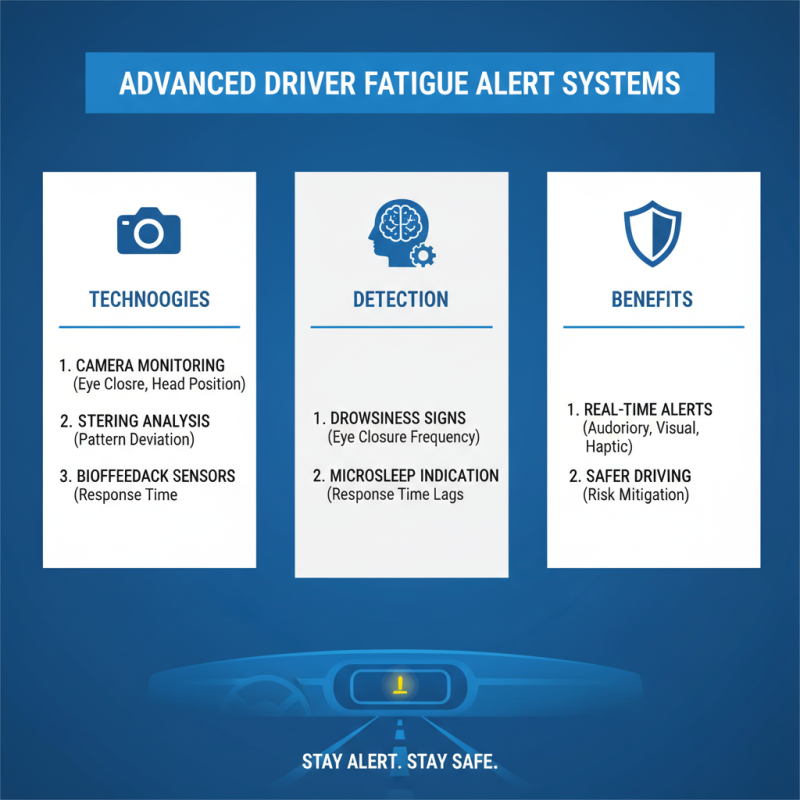
When it comes to ensuring safer driving, advanced driver fatigue alert systems have become essential tools. These systems leverage innovative technologies such as camera-based monitoring, steering pattern analysis, and biofeedback sensors to detect signs of drowsiness in drivers. By continuously monitoring eye closure frequency, head position, and response times, these systems provide real-time alerts, helping to mitigate the risks associated with driver fatigue.
Each system has its own unique features and functionalities. Some prioritize user-friendliness and seamless integration with existing vehicle systems, while others emphasize advanced analytics and reporting features that track fatigue patterns over time. Furthermore, the accuracy and responsiveness of alerts can vary significantly among different systems, with some offering customizable settings based on individual driver profiles. As the competition in this sector grows, it is crucial for users to compare available options carefully, considering factors such as ease of installation, alert mechanisms, and overall effectiveness in preventing fatigue-related incidents.
User Reviews and Performance Insights
Driver fatigue alert systems play a crucial role in enhancing road safety by proactively notifying drivers when they exhibit signs of drowsiness. User reviews indicate that many of these systems utilize advanced technology such as facial recognition and eye-tracking to monitor driver alertness levels. By analyzing changes in facial expressions and eye movements, these systems can provide real-time feedback and alerts, allowing drivers to take necessary breaks before fatigue becomes a safety hazard. Users often praise the responsiveness of these systems, noting that timely alerts can prevent potential accidents caused by sleep deprivation.
Performance insights reveal that the most effective driver fatigue alert systems not only issue warnings but also provide actionable suggestions for the driver. For instance, certain systems recommend short rest stops or offer tips to stay alert, enhancing the user's overall driving experience. Feedback from users highlights the importance of customizable settings, allowing drivers to tailor alerts according to their preferences. Many users appreciate features such as sensitivity adjustments and the ability to track driving patterns over time, which can help them understand their fatigue levels better. Overall, these systems are increasingly recognized as indispensable tools for promoting safer driving practices in today’s fast-paced world.
Cost Analysis of Fatigue Alert Systems
When considering the implementation of driver fatigue alert systems, cost analysis plays a crucial role in understanding the economic feasibility and potential return on investment for fleet operators and individual drivers alike. According to a report from the National Highway Traffic Safety Administration (NHTSA), fatigue-related crashes result in an estimated annual economic cost of over $12 billion in the United States alone due to medical costs, lost productivity, and damage to property. This staggering figure emphasizes the importance of investing in systems that can mitigate such risks.
The initial costs of fatigue alert systems vary significantly, but industry analyses suggest that they typically range from $500 to $2,000 per vehicle, depending on the complexity and features included. Advanced systems that leverage machine learning and real-time monitoring may command higher upfront costs, yet these tend to offer improved accuracy and predictive capabilities, ultimately enhancing safety. A study by the European Transport Safety Council highlights that investing in such technology could reduce fatigue-related incidents by 25%, translating to significant savings in administrative and insurance costs in the long term. Thus, while the initial investment may be considerable, the potential for reduced accident rates and associated costs makes driver fatigue alert systems a prudent financial decision.
Future Trends in Driver Fatigue Monitoring Technology
The advancement of driver fatigue monitoring technology is poised to revolutionize road safety. As vehicles become increasingly equipped with sophisticated sensors and artificial intelligence, future systems are likely to implement real-time biometric assessments. These innovations may include monitoring heart rate variability, eye movement, and facial expressions to accurately gauge a driver’s alertness and readiness, providing alerts before fatigue leads to dangerous situations.
In considering these technological trends, it's essential for drivers to remain proactive about their alertness and safety. One effective tip is to take regular breaks during long journeys, allowing for a quick stretch or a brief walk to refresh both the mind and body. Another tactic is to engage with passengers or listen to stimulating audio content, which can help maintain focus on the road and combat the onset of drowsiness.
As driver fatigue alert systems evolve, they will likely offer personalized feedback and tips tailored to individual driving habits. Embracing these systems and incorporating mindful practices while driving can significantly enhance safety on the roads. Ensuring proper rest and developing strategies to mitigate fatigue are crucial steps that all drivers should adopt in anticipation of these advancements.
Enhancing Road Safety: Insights from Recent Studies on Driver Fatigue and the Role of Monitoring Systems in Reducing Accidents
Driver fatigue is a significant factor contributing to road accidents, with studies indicating that approximately 20% of crashes involve drowsy drivers. To combat this growing concern, recent advancements in monitoring systems play a pivotal role in enhancing road safety. Incorporating cutting-edge technology such as high-definition imaging and accurate recognition capabilities allows for real-time assessment of driver conditions. For instance, monitoring systems with an identification missed rate of less than 3% and a wrong rate also below 3% ensure that any signs of fatigue or distraction are effectively detected, offering an invaluable tool for reducing accident rates.
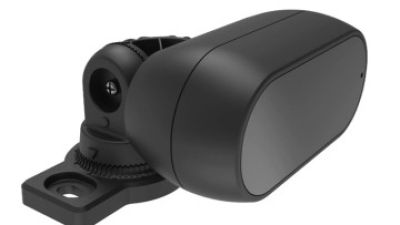
These systems often feature specifications essential for accurate monitoring, including a minimum pixel resolution of 1280x720 and a central resolution of 720 lines, which significantly improves image clarity. Moreover, the implementation of optical distortion correction and IP67 ratings guarantees that systems function optimally under various conditions, enhancing reliability. The integration of a 940nm filter glass combined with a 940nm infrared lamp further facilitates accurate image recognition in low-light situations, allowing for continuous monitoring of both driver behavior and facial expressions. Acknowledging that fatigue can manifest in various ways, the inclusion of specialized face monitoring and behavior tracking functions enhances the effective identification of at-risk drivers, thereby promoting a safer driving environment.
The convergence of technology and safety measures is vital, as reports suggest that integrating these monitoring systems can reduce fatigue-related incidents by up to 30%. By utilizing such advanced solutions, the automotive industry can contribute significantly to improving overall road safety while addressing one of the most pressing issues in vehicle operation.
FAQS
: The primary technologies include eye-tracking systems, which analyze eye movements and blinking patterns, and biometric sensors that measure physiological indicators like heart rate and body temperature.
Eye-tracking systems use infrared cameras to monitor the driver's eye movements and blinking patterns, where a decline in activity, such as prolonged blinks, is an indicator of fatigue.
Lane departure warnings alert the driver when the vehicle drifts out of its lane without signaling, prompting them to take a break or refocus, thereby helping to manage fatigue.
Biometric sensors integrated into steering wheels or seating can monitor metrics such as heart rate variability, body temperature, and muscle tension to evaluate the driver's alertness.
Fatigue-related crashes result in an estimated annual economic cost exceeding $12 billion, considering medical costs, lost productivity, and property damage.
The initial cost of fatigue alert systems typically ranges from $500 to $2,000 per vehicle, depending on the system's complexity and features.
Investing in these systems could reduce fatigue-related incidents by 25%, leading to significant savings in administrative and insurance costs over time.
Advanced systems that incorporate machine learning and real-time monitoring technology may have higher costs but offer improved accuracy and predictive capabilities, enhancing overall safety.
These systems encourage drivers to remain attentive and well-rested, helping cultivate a culture of responsibility for safety on the road.
The long-term benefits include reduced accident rates, enhanced safety, and potential savings on costs associated with fatigue-related incidents.
Conclusion
Driver fatigue is a critical issue that poses significant risks to road safety. Understanding its causes and effects is essential in developing effective Driver Fatigue Alert systems. Such systems are designed to monitor driver behavior and physiological signs to detect fatigue accurately. Key features of successful systems include real-time alerts, ease of use, and integration with existing vehicle technology.
The article explores the latest technologies employed in fatigue detection, comparing the leading Driver Fatigue Alert systems available today. User reviews and performance insights provide valuable feedback on their effectiveness, while a cost analysis helps ascertain the investment needed for these essential safety tools. Looking ahead, the future of driver fatigue monitoring technology promises advancements that could enhance safety measures and further reduce the risks associated with tired driving.

 Front & Rear Parking Assist
 Automatic Parking Assist
 Wade Sensor System
 79GHz Kick Step-on Open System
 79GHz Door Open Warning System
 77GHz Blind Spot Detection
 77GHz Long Range Detection
 60GHz Child Presence Detection
 360 Panoramic Camera
 Driver Fatigue Monitoring System
 Dash Camera
 ADAS Camera
 Streaming Rearview Mirror
 Self Cleaning Camera
 Car Radio
 Infotainment System
 Wireless Charger
 Ultrasonic Sensors System
 4-Image Camera Monitoring System
 Driver Fatigue Monitoring System
 77GHz Blind Spot Detection
 ADAS Camera
 Camera Monitoring System