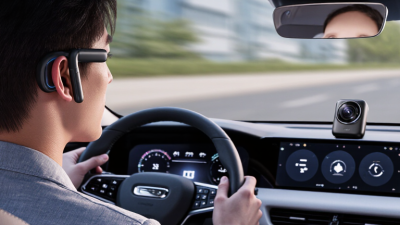
Driver fatigue is a fleet risk you can actually measure. It’s not just a driver-training problem. The World Health Organization says there are about 1.19 million road traffic deaths worldwide every year. Fatigue slows down lane control, weakens judgment, and can make braking dangerously late. The AAA Foundation for Traffic Safety estimated that drowsy driving played a role in 328,000 U.S. crashes a year, including around 109,000 injury crashes. Those numbers are still widely cited, though reporting gaps mean the real toll could be higher.
This guide looks at the 2026 Driver Fatigue Alarm types that matter most to global buyers. The market now has camera-based systems, steering-pattern monitors, lane-deviation alarms, wearables, and integrated fleet telematics. Cameras might catch long eye closures or repeated yawning — even inside a vibrating cab. Steering-based products watch for little correction patterns. Wearables track movement or physiological signals, but comfort and whether people actually wear them every day can weaken the results. And no ranking is perfect.
The European Commission has flagged fatigue as a major contributor to road collisions, and modern vehicle safety rules increasingly push for driver attention monitoring. So buyers should look at detection accuracy, false alarms, night performance, privacy controls, installation effort, and how well a system works with existing fleet software. ISO 39001 can help support a broader road-traffic safety framework, but certification by itself doesn’t guarantee real-world protection. A dependable comparison needs field trials, not just glossy brochures. Even experienced procurement teams can overvalue lab scores. Real roads are messier. Weather changes. Drivers differ. This overview ties together technical evidence, operating experience, and supplier credibility to help international buyers pick a Driver Fatigue Alarm with realistic expectations.
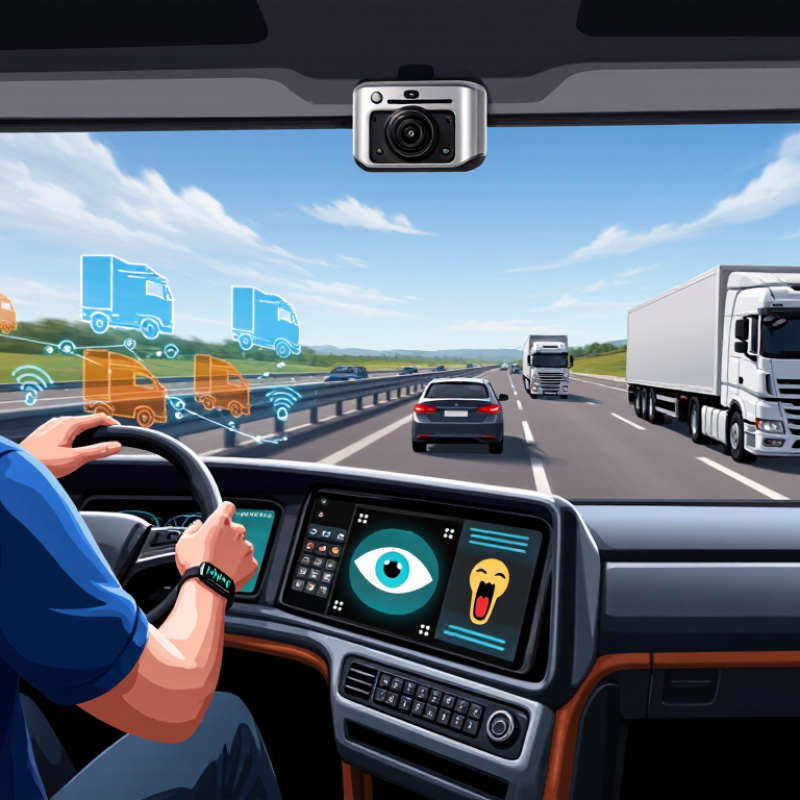
What Is a Driver Fatigue Alarm and Why Is It Important?
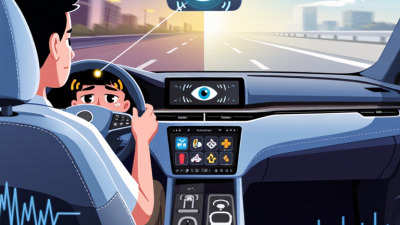
A driver fatigue alarm is an in-vehicle safety system that detects reduced alertness and warns the driver. It may monitor eyelid closure, yawning, head position, steering corrections, or lane movement. Some systems combine camera data with vehicle behavior. The warning can be a sound, seat vibration, dashboard message, or fleet notification. It is not a medical diagnosis. It is an early signal.
The need is measurable. NHTSA’s Traffic Safety Facts 2022 reported 633 deaths in the United States from police-reported crashes involving drowsy drivers. The AAA Foundation for Traffic Safety estimated that drowsiness contributed to about 328,000 annual U.S. crashes in its 2018 analysis. These figures may understate the problem. Fatigue is often difficult to prove after a collision.
For global buyers, alarm accuracy matters more than impressive specifications. A reliable system should distinguish normal eye movement from prolonged closure, even with glasses, shadows, or changing daylight. It should limit false alerts, because repeated warnings can become background noise. Placement matters too. A poorly adjusted camera may miss a driver’s face. That is a practical weakness. Buyers should test alerts across night shifts, rough roads, different cabin sizes, and varied driver postures. The European Commission’s road-safety materials identify fatigue as a significant crash risk, but no alarm replaces rest, scheduling controls, and trained supervision. Technology helps. Human judgment still matters.
How Do Driver Fatigue Alarm Systems Detect Drowsiness?
Driver fatigue alarm systems detect drowsiness through several signals, not one isolated action. An infrared cabin camera tracks eyelid closure, blink duration, gaze direction, yawning, and head position. PERCLOS, the percentage of time eyes remain mostly closed, is a widely studied fatigue indicator. When a driver looks down for several seconds, the system may issue a visual or audible warning.
Vehicle behavior adds another layer. Steering corrections, lane wandering, irregular acceleration, and delayed pedal responses can reveal declining attention. An OEM Driver Fatigue Alarm may combine these inputs with driving time, speed, and road conditions. NHTSA’s Traffic Safety Facts reported 684 deaths involving drowsy driving in 2021, while the AAA Foundation estimated drowsiness contributed to about 21% of fatal crashes in its 2010–2013 analysis. These figures also show a weakness: fatigue crashes are difficult to identify and likely underreported.
Real-world performance depends on installation and calibration. A coffee-stained lens, sunglasses, low sunlight, or a poorly adjusted camera can reduce detection accuracy. The system may also mistake thoughtful silence for tiredness. No threshold is universal. Buyers should examine false-alarm rates, alert timing, night performance, and testing methods instead of trusting a single accuracy figure. A useful alarm should warn early, remain understandable, and avoid startling a driver during a critical maneuver.
What Are the Main Types of Driver Fatigue Alarms in 2026?
In 2026, driver fatigue alarms generally fall into five practical types. Time-based systems monitor driving duration, night hours, and break intervals. They are simple, inexpensive, and useful for fleet scheduling. However, they infer fatigue rather than observe it. Vehicle-behavior systems detect lane drifting, delayed steering, repeated corrections, and unusual braking. The European Transport Safety Council reports that fatigue contributes to 10–20% of commercial road crashes in Europe. Small steering errors can become meaningful warnings.
Camera-based Driver Monitoring systems examine eyelid closure, blinking, head position, and gaze direction. They can issue an audible alert when a driver looks down for too long. The U.S. National Highway Traffic Safety Administration recorded 633 deaths involving drowsy driving in 2022. That figure may understate the problem because fatigue is difficult to prove after a crash. Lighting, sunglasses, masks, and poor camera placement still reduce reliability.
Wearable alarms measure heart-rate variation, skin response, or head movement. Hybrid systems combine these signals with vehicle behavior and cabin cameras. They usually provide better context, but installation, privacy controls, and false alarms require careful testing. The AAA Foundation for Traffic Safety estimated that drowsiness was involved in 9.5% of reported crashes in its 2018 analysis. Buyers should compare detection accuracy, alert timing, night performance, and driver acceptance. No system is perfect. A warning that arrives late is dangerous, but a warning that sounds constantly may be ignored.
How Do Camera-Based Fatigue Monitoring Systems Work?
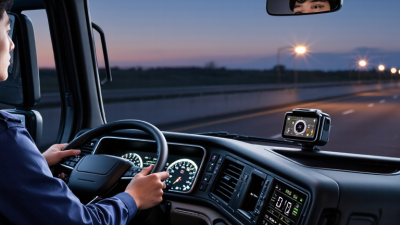
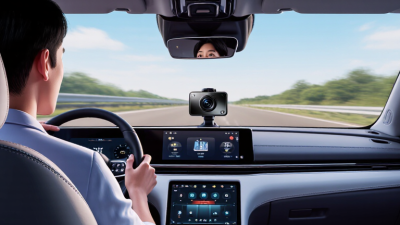
Camera-based fatigue monitoring uses a small inward-facing camera to observe the driver’s face in real time. Infrared illumination can support detection in darkness. Software tracks eyelid closure, blink duration, yawning, gaze direction, and head position. When several signs persist, the system issues a staged warning through sound, vibration, or dashboard messages.
The risk is substantial.
NHTSA’s 2022 Traffic Safety Facts reported 633 deaths involving drowsy driving in the United States. The AAA Foundation’s 2018 research estimated that drowsiness contributed to 16.5% of fatal crashes. These figures may understate the problem because fatigue is difficult to verify after a collision. For global buyers comparing a Wholesale Driver Fatigue Alarm, camera performance should be tested across skin tones, glasses, masks, night conditions, and uneven roads.
A practical system does more than count blinks. It checks whether the driver’s eyes remain closed too long, whether the head repeatedly drops, and whether attention leaves the roadway. Local processing can reduce communication delays and limit unnecessary data transfer. Still, the system is not a mind reader. False alarms may occur during conversation, bright sunlight, or unusual seating positions. That gap matters. Buyers should request independent test records, alert-time measurements, installation guidance, and clear data-retention policies before selecting equipment.
How Do Wearable and Vehicle-Based Alarms Compare?
Wearable and vehicle-based alarms detect driver fatigue differently. Wearable devices monitor eyelid movement, head position, heart rate, or skin response. They can support drivers across several vehicles. However, comfort matters. A loose sensor may produce unreliable readings during a long shift.
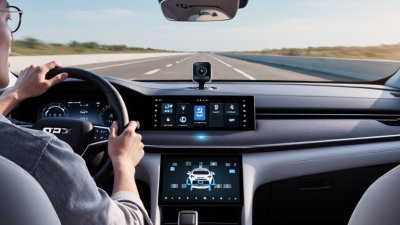
Vehicle-based alarms use cameras, steering patterns, lane movement, and driving-time data. They remain fixed in the cab and usually require less driver effort. A camera can identify repeated blinking or a lowered head within seconds. Yet poor lighting, sunglasses, or an incorrect camera angle may reduce accuracy. Field technicians often find that installation quality matters as much as the sensor itself. No system is perfect.
Tips: Test both systems during daylight, night driving, vibration, and changing temperatures. Check alarm volume, adjustment options, false alerts, and maintenance needs. For fleet buyers, an ODM Driver Fatigue Alarm can offer tailored housing, software settings, and installation requirements. Ask for documented test methods and realistic performance data. Protect driver data through controlled access and clear retention rules. I would not choose only by price. A cheaper device may create alert fatigue, while an advanced system may need more training and support.
What Factors Should Global Buyers Consider Before Purchasing?
2026 Top Driver Fatigue Alarm Types for Global Buyers
What Factors Should Global Buyers Consider Before Purchasing?
Driver fatigue alarms now include camera-based monitoring, steering-pattern analysis, eyelid sensors, and multi-sensor systems. The right choice depends on operating conditions, not marketing language. The World Health Organization reports about 1.19 million annual road deaths worldwide. Fatigue remains difficult to measure because many crashes are misclassified. NHTSA recorded 684 drowsy-driving deaths in 2021, while acknowledging substantial underreporting.
Buyers should test detection accuracy across night driving, sunglasses, masks, vibration, and different driver heights. A useful system should warn before visible microsleep, without creating constant false alarms. Test it in a moving vehicle. Dashboards can look convincing during a quiet demonstration. They may behave differently on rough roads. Camera placement, infrared performance, alert volume, and response time deserve written specifications. Buyers should also check whether local privacy rules permit biometric or in-cabin data processing.
The Driver Fatigue Alarm Supplier should provide independent test results, failure rates, software update procedures, and clear warranty terms. Ask how the device performs when lighting changes suddenly. Check integration with fleet platforms and emergency escalation controls. The European Union’s updated vehicle safety framework requires driver drowsiness and attention warnings in newly approved vehicles, increasing procurement pressure. However, compliance does not prove real-world effectiveness. No alarm is perfect. A careful buyer should compare false alerts, maintenance needs, installation training, and total ownership cost before selecting a system.
FAQS
They monitor eyelid closure, blinking, yawning, gaze direction, and head position. A warning may appear when several signs continue.
PERCLOS measures how long the eyes remain mostly closed. Longer closure usually suggests reduced alertness.
Yes. The system may detect lane wandering, delayed steering, repeated corrections, and unusual braking. Small errors matter.
Common types include time-based, vehicle-behavior, camera-based, wearable, and hybrid systems. Each type has weaknesses.
Infrared lighting helps the camera observe facial features in darkness. Performance can still drop with poor positioning or bright reflections.
Sunglasses, masks, low sunlight, dirty lenses, and unusual seating positions may confuse the system. Nothing is perfect.
Compare false-alarm rates, alert timing, night performance, testing methods, and installation guidance. Do not trust one accuracy number.
No. It can provide an extra warning, but it cannot remove fatigue. A tired driver still needs a safe break.
Fatigue is difficult to confirm after a collision. Some cases may be missed or classified differently.
It should warn early, use clear sounds or vibrations, and avoid startling the driver during a critical maneuver. Late alerts help less.
Conclusion
A Driver Fatigue Alarm is an important vehicle safety system designed to identify signs of drowsiness and provide timely warnings before reduced alertness becomes dangerous. In 2026, these systems may use facial cameras, steering and driving-pattern analysis, wearable sensors, or vehicle-based monitoring technologies. Camera-based systems can assess eye closure, blinking frequency, head position, and facial movements, while wearable and vehicle-based solutions gather information from body signals or driving behavior. When fatigue indicators reach a defined level, the system can issue audible, visual, or vibration alerts to encourage the driver to take a safe break.
Global buyers should compare detection accuracy, response speed, installation requirements, compatibility with different vehicle types, data protection, operating conditions, maintenance needs, and total ownership cost. It is also important to evaluate whether the system can function reliably in changing light, weather, road, and driving environments. Selecting a suitable Driver Fatigue Alarm requires balancing safety performance, user comfort, operational practicality, and responsible data handling.

 Front & Rear Parking Assist
 Automatic Parking Assist
 Wade Sensor System
 79GHz Kick Step-on Open System
 79GHz Door Open Warning System
 77GHz Blind Spot Detection
 77GHz Long Range Detection
 60GHz Child Presence Detection
 360 Panoramic Camera
 Driver Fatigue Monitoring System
 Dash Camera
 ADAS Camera
 Streaming Rearview Mirror
 Self Cleaning Camera
 Car Radio
 Infotainment System
 Wireless Charger
 Ultrasonic Sensors System
 4-Image Camera Monitoring System
 Driver Fatigue Monitoring System
 77GHz Blind Spot Detection
 ADAS Camera
 Camera Monitoring System