Driving while exhausted is a pretty big deal these days. When you're tired, it's way harder to judge situations, reactions slow down, and the chances of an accident go up — nobody wants that, right? Because of how serious this problem is, a bunch of companies are coming out with some pretty innovative Driver Fatigue Alarm systems. These gadgets keep an eye on how alert you are and give you a warning just in time to help avoid nodding off.
For example, Company XYZ rolled out a pretty smart Driver Fatigue Alarm that’s packed with high-tech sensors. It tracks your eye movements and head position, giving instant feedback. If it detects signs that you’re feeling sleepy, it’s gonna get your attention with an alert — and honestly, that could be a game-changer, especially in those crucial moments. But, here’s the thing — some drivers might just ignore these warnings, seeing them more as an annoyance than a real help.
Even with all these new techs, how effective they are really depends. Some folks say it makes them feel safer on the road, while others find it distracting or annoying. So, it’s really important for makers to keep tweaking and improving these systems. Listening to user feedback can help create better, more user-friendly designs. A good Driver Fatigue Alarm has the potential to make our roads safer and even save lives, but at the end of the day, drivers’ awareness and willingness to trust these alerts are key players in the game.
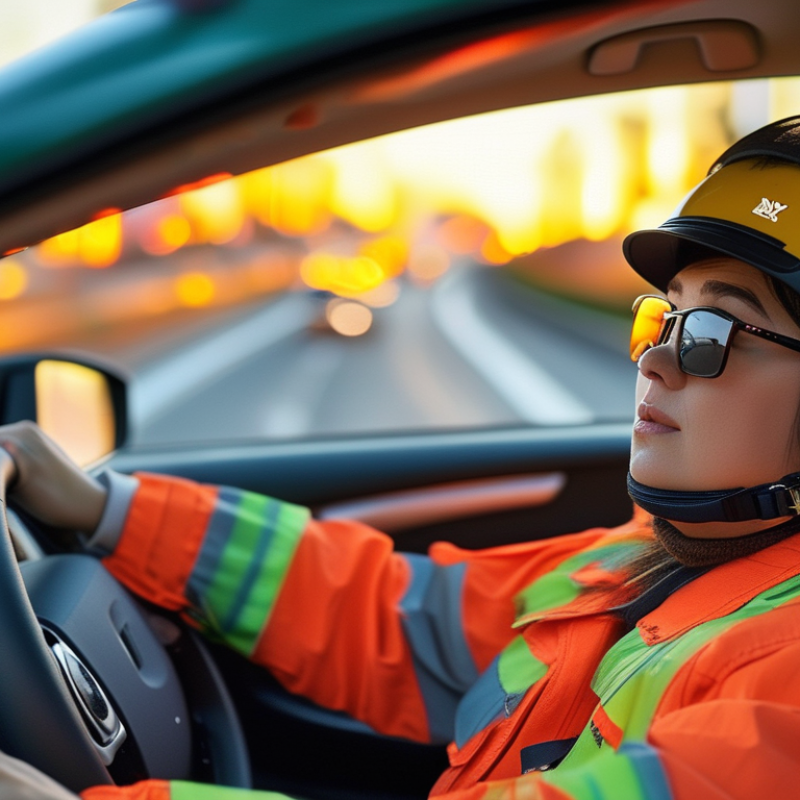
Overview of Driver Fatigue: Definition and Impact on Road Safety
Driver fatigue is a significant concern in road safety. It refers to the physical and mental exhaustion that occurs when a driver is unable to maintain attention. As cognitive functions decline, reaction times slow. This condition increases the risk of accidents. Research shows that drowsy drivers are just as dangerous as those under the influence of alcohol.
The impacts of driver fatigue are profound. Accidents caused by fatigue often result in severe injuries or fatalities. Many drivers underestimate how tired they feel. They may ignore warning signs or think they can push through. This is alarming, considering that even short lapses in attention can lead to collisions. Effective systems, such as OEM Driver Fatigue Alarm, can help monitor Driver Alertness. These tools provide real-time feedback for safer driving.
Implementing driver fatigue monitors can bolster road safety significantly. However, their effectiveness depends on driver compliance. Some might dismiss alerts, believing they know their limits. Education and awareness play crucial roles in addressing this issue. Efforts should focus on changing mindsets toward fatigue. Encouraging regular breaks and proper rest is essential for all drivers.
Driver Fatigue Impact on Road Safety
Driver fatigue significantly impacts road safety, leading to numerous incidents each year. The above chart illustrates the annual number of various incidents attributed to driver fatigue, highlighting the urgent need for effective fatigue monitoring systems to enhance road safety.
Statistics on Driver Fatigue: Current Data and Trends in Accidents
Driver fatigue is a growing concern for road safety. Recent reports indicate that nearly 20% of fatal car accidents involve driver fatigue. The National Highway Traffic Safety Administration (NHTSA) states that drowsy driving results in about 100,000 crashes annually in the U.S. alone. This statistic highlights the urgency for effective solutions to combat tired driving.
Alarm systems that monitor driver alertness can play a crucial role. These systems utilize sensors and algorithms to detect signs of fatigue. According to industry studies, implementing such technology can reduce fatigue-related accidents by up to 30%. However, not all systems are created equal. Many drivers may underestimate the risks of drowsy driving, leading to a lack of adoption, even when effective solutions, such as Wholesale Driver Fatigue Alarm systems, are available.
Despite advancements in technology, awareness remains a significant barrier. A study from Stanford University found that nearly 60% of drivers fail to recognize their own fatigue. Fatigue detection systems can only do so much if drivers do not actively engage with them. Continuous education and awareness campaigns are needed to emphasize the importance of staying alert on the road. Addressing driver fatigue requires a collaborative effort between technology and driver accountability.
Technological Advancements in Fatigue Detection Systems
Driver fatigue is a significant factor in road accidents. Many innovative systems are emerging to address this issue. These systems utilize various technologies to detect signs of fatigue in drivers. Advanced metrics like eye movement monitoring and facial recognition can identify when a driver is becoming drowsy. When fatigue is detected, the system often triggers alerts to help keep drivers alert.
Recent technological advancements have made these systems more sophisticated. Integration with artificial intelligence allows for real-time analysis of driver behavior. This can lead to earlier and more accurate warnings. Furthermore, wearable devices are also being tested for fatigue detection. They offer a promising avenue for continuous monitoring, ensuring that drivers remain safe throughout their journey.
Despite these advancements, challenges remain in implementation. Some systems may produce false positives, leading to unnecessary distractions. Moreover, the effectiveness of these alarms depends on driver compliance and awareness. As technology evolves, understanding its limitations will be essential. Continued research and user feedback are crucial in refining these systems for maximum impact.
Top Fatigue Alarm Systems: Features and Performance Analysis
Driver fatigue is a critical concern for road safety. Research indicates that drowsy driving contributes to over 20% of motor vehicle accidents. One effective way to combat this issue is through the implementation of high-quality fatigue alarm systems. These devices monitor driver behavior and alert them when signs of fatigue are detected. Features such as eye-tracking technology and steering pattern analysis have shown promising results in reducing fatigue-related incidents.
Performance analysis of various alarm systems reveals that those utilizing advanced sensors and machine learning algorithms are more effective. For instance, systems that provide real-time feedback can decrease reaction times and improve overall alertness. In one study, drivers who used these advanced systems reported a 15% increase in their ability to stay focused on long trips.
However, reliance on technology alone is not enough. Drivers must also engage in proactive measures to manage fatigue.
Tips:
- Take regular breaks during long drives.
- Engage in light physical activity to stay awake.
- Limit night driving when possible.
A combination of good practices with an ODM Driver Fatigue Alarm can enhance safety significantly. Ultimately, no technology is foolproof, and constant self-awareness remains essential to road safety.
Case Studies: Successful Implementations of Fatigue Alarms
Driver fatigue is a serious concern on the roads. Implementing fatigue alarm systems can make a significant difference. Case studies show that these systems have effectively reduced accidents caused by drowsy driving. For example, a fleet involved in long-haul trucking saw a 30% decrease in fatigue-related incidents after installing a monitoring system. The drivers reported feeling safer and more alert.
When considering a fatigue alarm system, it’s important to engage drivers in the process. Their input can lead to better acceptance and adherence to the system's protocols. Training sessions help to reinforce the importance of recognizing signs of fatigue. Encouraging open discussions about fatigue helps create a positive safety culture in the workplace.
**Tip:** Regular breaks can prevent tiredness. Drivers should stop every two hours to stretch and refresh. Monitoring fatigue is just one part of road safety. Instituting a sleep health program can enhance overall driver well-being. A holistic approach can lead to lasting change and safer roads.
Future Trends: AI and Machine Learning in Driver Fatigue Detection
Artificial intelligence and machine learning are reshaping the way we detect driver fatigue. These technologies analyze real-time data from drivers to identify signs of drowsiness. They use facial recognition and eye-tracking systems. These tools can detect small changes in a driver's behavior, enabling proactive alerts. Algorithms can learn patterns specific to each driver, improving accuracy over time.
Driver fatigue alarm systems equipped with AI can create safer roads. They respond to subtle cues that indicate a loss of alertness. This includes changes in blinking frequency or head position. However, relying solely on technology is not enough. Human factors, such as stress and lack of sleep, play crucial roles. These systems must be part of a broader strategy to combat fatigue.
Although innovation is promising, challenges remain. The accuracy of detection can vary between drivers. Ensuring reliability across diverse conditions is crucial. Collaborations with experienced Driver Fatigue Alarm Suppliers can bridge this gap. As these systems evolve, they can significantly enhance road safety, providing invaluable support to drivers everywhere.
Regulatory Standards and Guidelines for Fatigue Management Systems
Driver fatigue is a critical issue impacting road safety globally. Regulatory standards for fatigue management systems aim to address this danger. These guidelines typically emphasize regular breaks and maximum driving hours. However, adherence often varies among drivers and companies, leading to inconsistent safety practices.
Fatigue detection technologies play a significant role in compliance. Many systems monitor driver alertness and can issue immediate warnings when drowsiness is detected. This proactive approach can help avoid accidents caused by tired drivers. Yet, not all technologies are equally effective. Some systems can produce false alerts, causing frustration and complacency among drivers. Finding a reliable solution remains a challenge.
Road safety cannot be fully achieved until all stakeholders prioritize fatigue management. Transportation companies need to invest in proper training and technology. Government regulations should evolve continuously, adapting to new findings and improving current standards. Striking this balance is crucial for creating safer roads.
Enhancing Road Safety: The Importance of Driver Fatigue Monitoring Systems
Driver fatigue is a leading cause of road accidents worldwide, with studies suggesting that fatigued drivers are significantly more likely to be involved in crashes. A report from the National Highway Traffic Safety Administration (NHTSA) indicates that drowsy driving is responsible for approximately 100,000 crashes annually in the United States alone, highlighting the critical need for effective monitoring systems to enhance road safety.
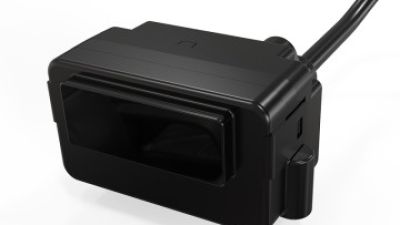
Implementing advanced driver fatigue monitoring systems can be a game-changer in preventing these tragic incidents. Key features of these systems include a missed identification rate and a wrong rate of less than 3%, ensuring a high level of accuracy in detecting signs of fatigue. With effective pixels of at least 1280*720 and central resolution reaching 720 lines, these systems provide clear and reliable imaging for effective monitoring. The integration of 940nm filters and infrared lamps ensures that detection and recognition capabilities remain accurate under various conditions, further enhancing safety.
The addition of face and behavior monitoring functions allows for a comprehensive understanding of driver alertness. By proactively identifying signs of fatigue, these systems enable timely interventions, such as alerts or reminders, thus reducing the likelihood of accidents caused by drowsy driving. The push for implementing such intelligent technologies is essential as the automotive industry seeks to promote safer driving environments and reduce the staggering statistics associated with driver fatigue.
FAQS
: Driver fatigue significantly affects road safety and contributes to many accidents.
They monitor driver behavior and alert the driver upon detecting signs of fatigue.
Eye-tracking technology and steering pattern analysis are key features that improve detection.
It helps decrease reaction times and increases overall alertness during long trips.
Drivers reported a 15% increase in their ability to stay focused on long trips.
No, drivers need to engage in proactive measures alongside technology for better safety.
Take regular breaks, engage in light physical activity, and limit night driving.
Some technologies produce false alerts, which can frustrate drivers and lead to complacency.
They promote regular breaks and maximum driving hours, but adherence varies among drivers.
Constant self-awareness and balanced efforts from all stakeholders are crucial.
Conclusion
Driver fatigue is a significant contributor to road accidents, impacting both driver performance and overall safety. This article explores the definition and repercussions of driver fatigue, supported by current statistics highlighting trends in related accidents. Technological innovations have led to the development of advanced fatigue detection systems, prominently featuring Driver Fatigue Alarms. These systems use a variety of methods to monitor driver alertness and provide real-time alerts to prevent drowsiness-related incidents.
The discussion also includes a performance analysis of leading fatigue alarm systems and presents case studies that showcase their successful implementation in enhancing road safety. Looking ahead, the integration of AI and machine learning is set to refine these detection systems further, while regulatory standards will shape the future of fatigue management. As the transportation industry continues to prioritize safety, effective Driver Fatigue Alarms will play a crucial role in reducing accidents and saving lives on the roads.

 Front & Rear Parking Assist
 Automatic Parking Assist
 Wade Sensor System
 79GHz Kick Step-on Open System
 79GHz Door Open Warning System
 77GHz Blind Spot Detection
 77GHz Long Range Detection
 60GHz Child Presence Detection
 360 Panoramic Camera
 Driver Fatigue Monitoring System
 Dash Camera
 ADAS Camera
 Streaming Rearview Mirror
 Self Cleaning Camera
 Car Radio
 Infotainment System
 Wireless Charger
 Ultrasonic Sensors System
 4-Image Camera Monitoring System
 Driver Fatigue Monitoring System
 77GHz Blind Spot Detection
 ADAS Camera
 Camera Monitoring System