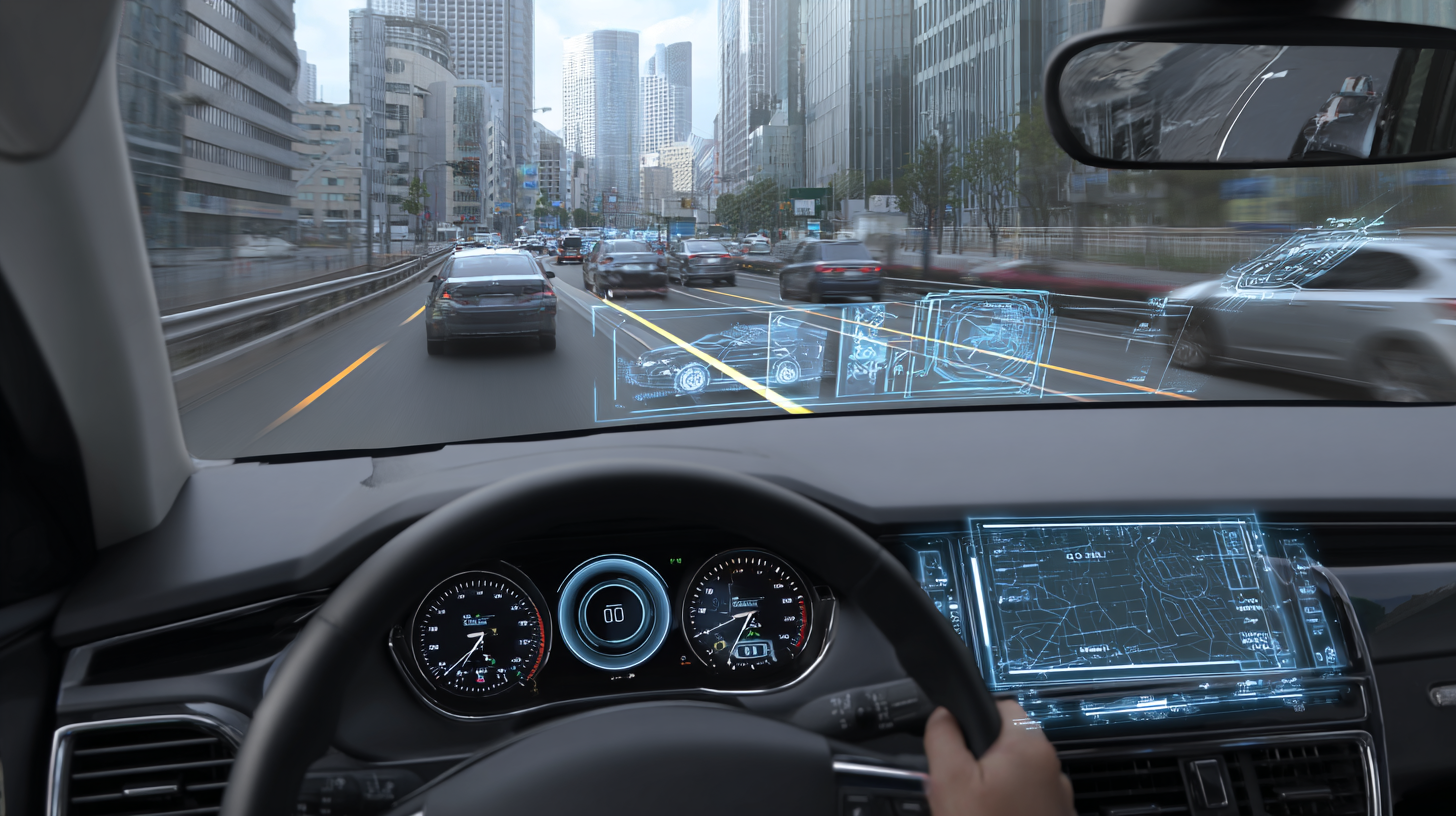
Lately, you’ve probably noticed that the automotive world’s been really upping its game with new tech that's all about making our roads safer. One of the coolest advances? The Driver Eye Monitoring System. It’s basically this neat tech that keeps an eye on whether you’re paying attention or drifting off — helping to cut down on accidents caused by drowsiness or distractions. These systems rely on pretty sophisticated sensors and smart algorithms to watch your eye movements, blink patterns, and even how your head is tilted. And the best part? They give real-time alerts, so you can stay focused on the road, no matter what.
As we roll into 2025, more and more folks are looking for dependable Driver Eye Monitoring Systems. That’s pushing companies like Bosch, Denso, and Continental to get even more creative with their designs. They’re constantly pushing boundaries to make these systems not just better at catching when you're distracted or tired but also to boost overall vehicle safety. In this article, I’ll walk you through the top five Driver Eye Monitoring Systems out there right now — what makes them tick, and what sets each one apart in the fight for safer driving. Understanding these techs can really help you make smarter choices, so you stay alert and responsive when you’re behind the wheel.
The Importance of Driver Eye Monitoring Systems in Reducing Road Accidents
Driver eye monitoring systems are becoming increasingly vital in the quest to enhance road safety and reduce accidents. The driver's eyes serve as a critical indicator of their attentiveness and state of mind. By employing advanced technology to observe eye movement and blinking patterns, these systems can detect signs of drowsiness and distraction before they escalate into dangerous situations. Studies have shown that driver fatigue and lack of focus contribute significantly to road incidents, making these monitoring systems an essential tool in identifying at-risk behavior in real-time.
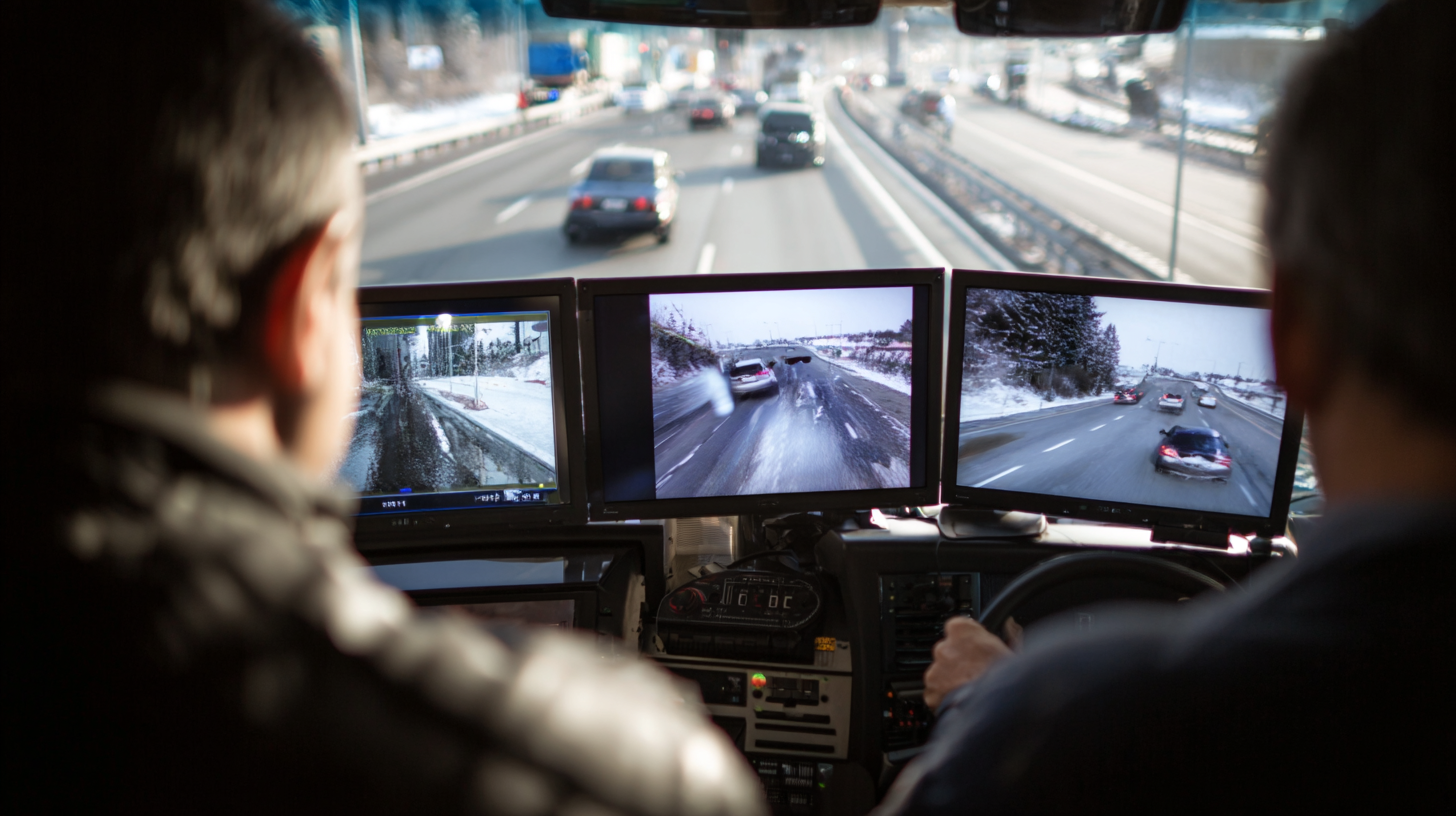
Furthermore, the integration of eye-tracking technology into vehicles not only facilitates immediate alerts for the driver but also provides data for manufacturers to improve vehicle safety features. For instance, tailored warnings can be generated if the system detects prolonged eye closure or a lack of eye movement on the road ahead. This proactive approach not only empowers drivers to maintain their alertness but also supports broader efforts in the automotive industry to create safer driving environments. As we move towards a future where connected vehicles play a central role, the importance of driver eye monitoring systems will only grow, becoming a cornerstone of road safety initiatives.
Current Industry Statistics on Driver Distraction and Eye Tracking Technology
The global eye-tracking market is projected to reach approximately $6.66 billion in 2024, with a remarkable compound annual growth rate of 20.28% anticipated through 2033. This statistic underscores the increasing recognition of the significance of eye-tracking technology, particularly in the automotive sector, where driver distraction is a critical concern. With rising traffic accidents attributed to distracted driving, innovations in driver eye monitoring systems have become essential to enhance road safety and mitigate risks.
As a company dedicated to designing and manufacturing automotive safety parts, Zhuhai Shangfu Electronic Technology Co., Ltd. is well-positioned to capitalize on this burgeoning market. By focusing on cutting-edge technologies such as camera monitoring systems and advanced sensing devices, our collaboration with local and global OEMs is tailored to meet evolving customer demands. Implementing effective eye-tracking solutions in vehicles can significantly improve the driving experience, promote safety, and ultimately contribute to reducing accident rates on the roads.
2025 Top 5 Driver Eye Monitoring Systems to Enhance Road Safety
This chart illustrates the distraction rates associated with various driver eye monitoring systems. System A has the highest distraction rate at 20%, while System E shows the lowest at 15%. This data highlights the importance of implementing effective eye tracking technology to enhance road safety.
Top Five Features of Effective Eye Monitoring Systems for Enhanced Road Safety
Driver eye monitoring systems have become pivotal in enhancing road safety, focusing on detecting and mitigating potential hazards linked to driver distraction and drowsiness. To effectively achieve this, the following features are essential.
Firstly, real-time detection capabilities are vital. These systems utilize advanced cameras and sensors to continuously monitor the driver’s eye movements and alertness levels. Such technology ensures immediate identification of drowsiness or distraction, allowing for timely interventions.
Secondly, adaptive alert mechanisms enhance driver safety by offering customized alerts based on individual behavior patterns. For instance, if a driver frequently exhibits signs of fatigue, the system can adjust its alerts to provide more frequent reminders, thus catering to the specific needs of the user.
**Tips:** When selecting an eye monitoring system, consider one with automatic calibration to match different drivers, enhancing usability. Additionally, look for systems that integrate with existing vehicle technology for a seamless experience, promoting consistent monitoring without additional efforts from the driver.
Case Studies: Impact of Eye Monitoring Systems on Commercial Fleet Safety
Eye monitoring systems are proving to be a revolutionary advancement in enhancing road safety, particularly within commercial fleets. A study conducted by the National Highway Traffic Safety Administration (NHTSA) revealed that approximately 20% of all car crashes are attributed to drowsy driving, emphasizing the need for innovative safety measures. Companies like Zhuhai Shangfu Electronic Technology Co., Ltd.are at the forefront of this industry, designing sophisticated tools such as camera monitoring systems that could significantly mitigate these risks. By integrating eye monitoring technology into commercial vehicles, operators can actively monitor Driver Alertness, ensuring thattimely interventions occur before potential accidents happen.
Case studies consistently demonstrate the positive impact of eye monitoring systems on fleet safety. The European Commission's 'EU Road Safety Policy Framework 2021-2030' reports that implementing such systems can reduce accident rates by up to 30% in commercial transport. This statistic showcases the efficacy of eye monitoring as a preventative measure. With Zhuhai Shangfu’s collaboration with both local and global OEMs, the integration of cutting-edge technology into vehicles becomes more accessible, amplifying the collective commitment to road safety and significantly enhancing operational efficiency across fleets.
Future Trends in Eye Monitoring Technology and Road Safety Regulations
The advancement of eye monitoring technology is poised to play a crucial role in enhancing road safety by addressing driver fatigue and distraction. In recent years, regulatory bodies have recognized the potential of these systems to reduce accidents caused by human error. Stricter regulations are anticipated in the coming years, mandating the implementation of driver eye monitoring systems in commercial and eventually personal vehicles. This shift reflects a broader commitment to utilizing technology to create safer driving environments.
Future trends indicate that eye tracking systems will become increasingly sophisticated, incorporating artificial intelligence to analyze driver behavior in real-time. These systems will be designed not just to detect when a driver is distracted or drowsy, but also to provide alerts and interventions, thereby preventing potential accidents. As regulations evolve, manufacturers will be incentivized to integrate these advanced technologies into their vehicles, paving the way for a new standard in road safety. This integration is expected to foster a culture of safety, wherein both drivers and technology work in tandem to reduce road hazards.
Cost-Benefit Analysis of Implementing Eye Monitoring Systems in Vehicles
The integration of driver eye monitoring systems in vehicles offers significant potential for enhancing road safety. A cost-benefit analysis reveals that the initial investment in these technologies can be offset by the reduction in accidents and associated costs. The systems, which utilize cameras and sensors to track eye movements and alertness, help identify signs of drowsiness or distraction. As the percentage of road incidents linked to driver inattentiveness remains alarmingly high, these systems can play a crucial role in preventative measures, ultimately saving lives and reducing financial burdens on healthcare and insurance systems.
Furthermore, the implementation of eye monitoring systems can lead to long-term savings for both consumers and manufacturers. While the upfront costs of installing advanced monitoring technology may seem steep, the potential decrease in accident rates can lead to lower insurance premiums and fewer vehicle repairs over time. Additionally, manufacturers who adopt these technologies may benefit from increased consumer trust and brand loyalty as safety features become a critical consideration for buyers. Overall, a careful cost-benefit analysis supports the case for driver eye monitoring systems as a vital investment in road safety.
FAQS
: The key features include real-time detection capabilities, adaptive alert mechanisms, automatic calibration for different drivers, and integration with existing vehicle technology.
These systems utilize advanced cameras and sensors to continuously monitor the driver’s eye movements and alertness levels, allowing for immediate identification of drowsiness or distraction.
Adaptive alert mechanisms enhance safety by customizing alerts based on individual driver behavior, providing more frequent reminders for drivers who often show signs of fatigue.
Future trends indicate the integration of artificial intelligence for real-time analysis of driver behavior, along with stricter regulations mandating these systems in vehicles.
Regulatory bodies are expected to implement stricter regulations requiring driver eye monitoring systems in commercial and eventually personal vehicles to reduce accidents caused by human error.
By reducing accident rates through effective detection of drowsiness and distraction, these systems can lead to lower insurance premiums and decreased vehicle repair costs for consumers.
While there may be a significant initial investment, the potential for reduced accidents and long-term savings, such as lower insurance premiums and vehicle repairs, supports the viability of these systems.
Manufacturers adopting advanced safety technologies, like eye monitoring systems, may experience increased consumer trust and brand loyalty, as safety features become increasingly critical for buyers.
Conclusion
Driver Eye Monitoring Systems are becoming increasingly crucial in enhancing road safety by addressing driver distraction, a significant factor contributing to road accidents. As highlighted in recent industry statistics, the implementation of eye tracking technology can significantly reduce incidents caused by driver inattention. Key features of effective systems include real-time monitoring, alert mechanisms, and integration with existing vehicle safety technologies, which not only safeguard drivers but also passengers and pedestrians.
Case studies have shown a marked improvement in safety outcomes for commercial fleets that have adopted these technologies, showcasing the tangible benefits of investing in Driver Eye Monitoring Systems. Looking ahead, advancements in eye monitoring technology and evolving road safety regulations will likely drive broader adoption in the automotive industry. Zhuhai Shangfu Electronic Technology Co., Ltd. is positioned to support this trend by providing innovative automotive safety parts, including Driver Eye Monitoring Systems, tailored to meet the needs of both local and global OEMs.

 Front & Rear Parking Assist
 Automatic Parking Assist
 Wade Sensor System
 79GHz Kick Step-on Open System
 79GHz Door Open Warning System
 77GHz Blind Spot Detection
 77GHz Long Range Detection
 60GHz Child Presence Detection
 360 Panoramic Camera
 Driver Fatigue Monitoring System
 Dash Camera
 ADAS Camera
 Streaming Rearview Mirror
 Self Cleaning Camera
 Car Radio
 Infotainment System
 Wireless Charger
 Ultrasonic Sensors System
 4-Image Camera Monitoring System
 Driver Fatigue Monitoring System
 77GHz Blind Spot Detection
 ADAS Camera
 Camera Monitoring System