Hey, have you noticed how road safety is really evolving these days? One thing that's gaining a lot of attention is Driver Behaviour Monitoring Systems—or DBMS for short. They’re becoming pretty essential. I recently read a report from the National Highway Traffic Safety Administration, and it blew my mind: around 94% of accidents happen because of human error. That really highlights how important these monitoring tools are. Experts keep saying that when used right, these systems can make a huge difference—especially in cutting down distracted or reckless driving.
Dr. John Anderson, a well-respected researcher in automotive safety, even mentioned, “If you implement Driver Behaviour Monitoring Systems properly, they can really help drivers make smarter, safer choices.” I think what he’s saying is that real-time feedback is key in helping us develop better driving habits. Honestly, a lot of drivers don’t realize how much their own behaviors can put them—and everyone else—at risk.
That said, not every system does its job effectively. Some can be overwhelming with tons of info, which might just cause drivers to tune out rather than improve. So, finding the right way to give feedback is super important—too much, and it backfires. This whole sector’s still evolving, and creating systems that genuinely connect with drivers and support them is no small feat. But, let’s be honest, the potential here for making our roads safer is huge—and it’s definitely a challenge worth tackling.
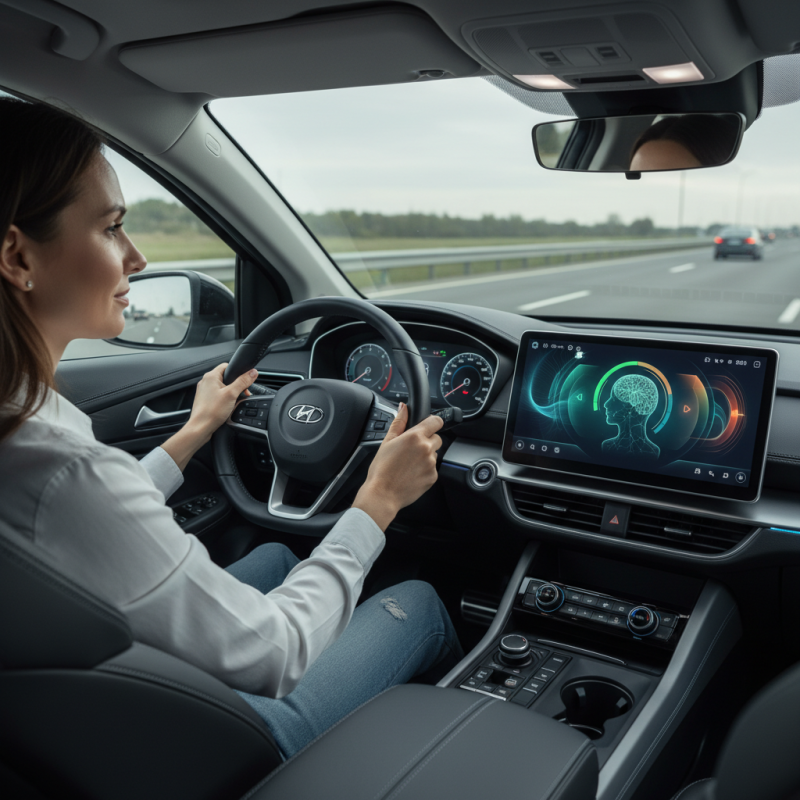
Overview of Driver Behaviour Monitoring Systems
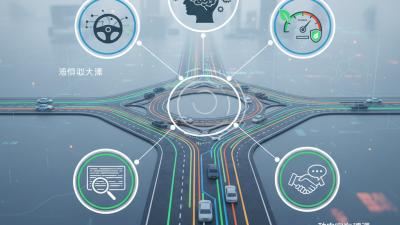
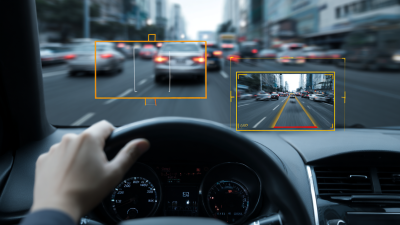
Driver Behaviour Monitoring Systems are essential tools for enhancing road safety. These systems analyze real-time driving behavior, identifying risky actions such as harsh braking, rapid acceleration, and distracted driving. Many systems use advanced sensors and algorithms to track these behaviors. This data helps to promote safer habits among drivers and enhances overall fleet management.
An effective OEM Driver Behaviour Monitoring System can provide actionable feedback. It facilitates driver training by highlighting areas needing improvement. For instance, a driver may not be aware of their habit of excessive speeding until the system flags it. Regularly reviewing this data can boost awareness and accountability. Some systems even offer gamified elements, motivating drivers to improve their scores.
However, it’s crucial to remember that technology is not foolproof. False positives can lead to unnecessary stress for drivers. Additionally, privacy concerns may arise with constant monitoring. Addressing these aspects is important for companies implementing these systems. Overall, while these tools significantly benefit road safety, continuous assessment and adjustments are necessary for optimal effectiveness.
Importance of Driver Behaviour Monitoring for Safety
Driver behaviour monitoring plays a crucial role in enhancing road safety. As vehicles become more advanced, understanding how drivers act behind the wheel is essential. Monitoring systems can identify risky behaviours such as speeding or sudden lane changes. By analyzing this data, fleets can implement targeted training.
These systems promote accountability among drivers. When individuals know their behaviour is being observed, they tend to drive more cautiously. However, not all monitoring systems are foolproof. They may miss subtle signs of distraction or fatigue. Continuous improvements are necessary to ensure accuracy and reliability.
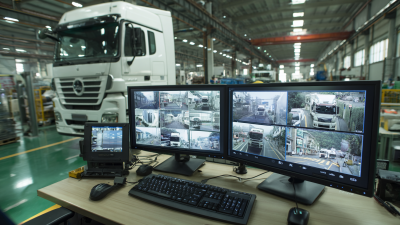
A Wholesale Driver Behaviour Monitoring System should provide real-time feedback. Such systems can encourage safe driving habits effectively. However, reliance on technology without proper human oversight can lead to gaps in safety. It's vital to balance technology with human judgment for optimum results.
Key Features to Look For in Monitoring Systems
When considering driver behaviour monitoring systems, certain key features stand out. Real-time feedback is essential. Drivers receive immediate alerts for unsafe practices like harsh braking. This instant notification can reduce incidents significantly. Research indicates that systems offering real-time insights can decrease accidents by up to 30%.
Data analytics capabilities are another crucial feature. Effective systems analyze driving patterns over time. They identify trends that may not be obvious in daily driving. By tracking metrics like speed and lane changing, organizations can develop tailored training programs. Insights from industry reports show that proper data analysis improves driver behaviour by 20%.
Tips for selecting a monitoring system include checking the user interface. A simple, intuitive design helps ensure drivers engage positively with the technology. Additionally, ensure the system complies with privacy regulations. Invading privacy can create distrust among drivers.
Look for a system that offers custom reporting options. Tailored reports provide actionable insights. They can highlight specific challenges faced by individual drivers. These features make training more effective and targeted. Remember, the goal is to foster a culture of safety and responsibility.
Top 5 Driver Behaviour Monitoring Systems for Safe Driving
| Feature | System A | System B | System C | System D | System E |
| Real-time Monitoring | Yes | Yes | No | Yes | Yes |
| Driver Scorecard | Yes | No | Yes | Yes | No |
| Incident Reporting | Yes | Yes | No | Yes | Yes |
| Geofencing | No | Yes | Yes | No | Yes |
| Analytics Dashboard | Yes | Yes | No | Yes | No |
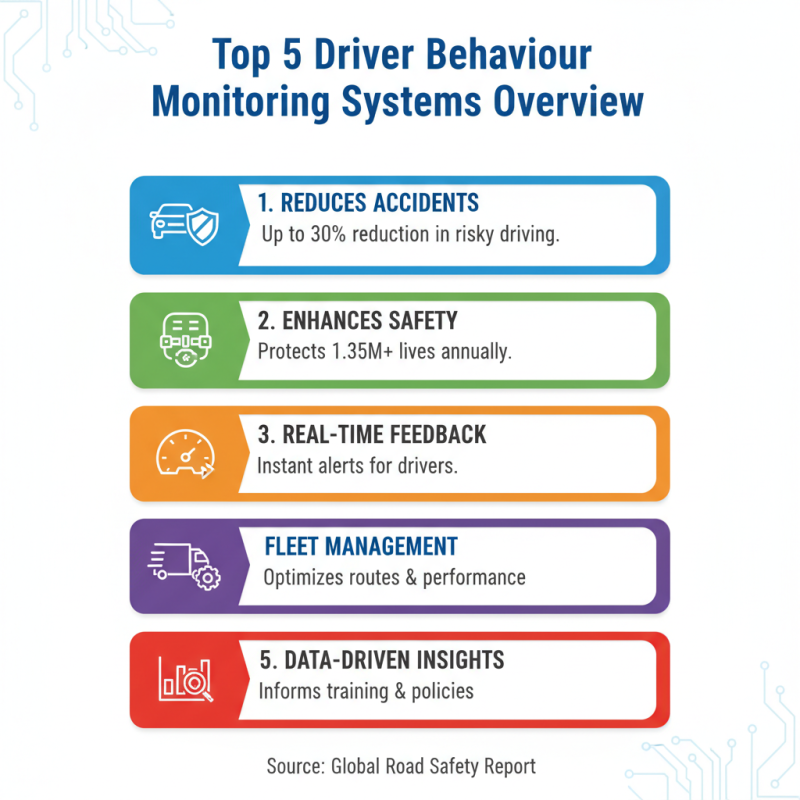
Top 5 Driver Behaviour Monitoring Systems Overview
In recent years, driver behaviour monitoring systems have gained attention for enhancing road safety. With traffic accidents claiming over 1.35 million lives globally each year, effective monitoring can make a significant difference. Research indicates that these systems can reduce risky behaviours by up to 30%. Understanding these systems is essential for fleet managers and drivers alike.
The ODM Driver Behaviour Monitoring System exemplifies a blend of technology and safety. It assesses driving patterns using real-time data. Alerts trigger when drivers engage in harsh braking, acceleration, or cornering. Such features not only promote safer driving but can also lead to cost savings in fuel and maintenance. A study by the National Highway Traffic Safety Administration indicates that fleet operators can see a 15% reduction in accidents after implementing monitoring systems.
Tips: Always encourage drivers to stay aware of their behaviour behind the wheel. Simple practices, like maintaining safe following distances, can drastically lower risks. Regular training sessions could further enhance attentiveness. Critical reflection on driving habits promotes long-term safety advancements. Incorporating these insights into daily routines aids in cultivating better driving environments.
Comparison of Technology and Algorithms Used
In the realm of driver behavior monitoring systems, technology and algorithms play pivotal roles. Various systems leverage machine learning to analyze real-time data from vehicle sensors. A recent report indicates that companies using advanced algorithms reduce risky driving behavior by 35%. These systems monitor speed, braking patterns, and even distractions like mobile phone use. Such analysis helps in identifying dangerous habits that can lead to accidents.
The technology employed varies widely. Some systems integrate GPS datato assess route efficiency. Others use cameras for face recognition and attention monitoring. A study showed that systems utilizing facial recognition can improve Driver Alertness by25%. Notably, while these innovations are promising, their efficacy can falter in unpredictable environments. There are concerns about privacy with constant monitoring, which may deter users from full participation.
Incorporating real-time feedback is essential for effective monitoring. Systems that provide instant alerts for unsafe behaviors can create immediate awareness. Yet, many drivers may not respond to alerts due to habitual behaviors. Research shows that consistent training alongside technology can yield better results. Balancing user acceptance with monitoring effectiveness remains a challenge for the industry.
User Experience and Feedback on Popular Systems
User experiences with driver behaviour monitoring systems can reveal valuable insights. Many users report an increase in safety awareness. The systems often provide real-time feedback on driving habits. For instance, notifications about harsh braking or excessive speeding help drivers reflect on their behaviour. These alerts encourage safer practices over time.
However, not all feedback is positive. Some users find the constant notifications overwhelming. They may disengage or ignore the warnings altogether. Moreover, the effectiveness of these monitors varies widely among different systems. This inconsistency can lead to frustration. Understanding user experience is crucial for the development of better Driver Behaviour Monitoring System Suppliers. Analyzing feedback helps identify flaws and strengths within each system. Improved designs can ultimately enhance user engagement and driving safety.
Personal stories from drivers highlight the importance of user-friendly interfaces. Systems that are complicated or difficult to navigate often deter engagement. Simplifying these processes can significantly improve user satisfaction. Listening to driver feedback is essential for creating effective monitoring systems. It builds a more reliable partnership between the driver and technology.
Future Trends in Driver Behaviour Monitoring Technologies
The future of driver behavior monitoring technologies is promising and evolving rapidly. With advancements in artificial intelligence and machine learning, systems are becoming more sophisticated. Reports indicate that the global Driver Monitoring systems market is expected to grow significantly, reaching a projected value of$15 billion by 2027. This growth is driven by the increasing focus on road safety and the rise of autonomous vehicle technologies.
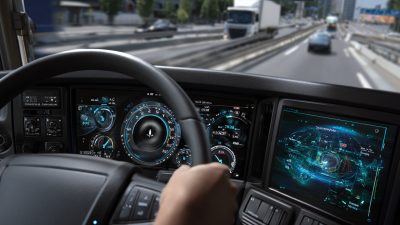
These systems are not only about tracking behavior; they analyze patterns and provide real-time feedback. For instance, alerts can be generated when fatigue is detected, enhancing safety for both drivers and passengers. As remote diagnostics and connected vehicle technologies gain traction, this data can be transmitted to fleet managers seamlessly. The data helps identify trends, allowing for targeted training. However, as powerful as these systems can be, they are not infallible. Human factors, such as the driver’s willingness to adhere to recommendations, play a crucial role.
Tips: Always stay aware of your own driving habits. Regularly reflect on your performance behind the wheel. Continuous self-assessment can yield better driving practices. Embrace technology, but don’t depend solely on it. Balancing personal awareness with technological advancements is key to safe driving.
Comprehensive Guide to Choosing the Right Camera Monitoring System for Your Security Needs
When selecting a camera monitoring system for security needs, it is vital to consider features that enhance visibility and safety. One of the most significant advantages is the Wide Dynamic Range (WDR) capability, which ensures that images and videos are captured clearly and retain balance even in challenging lighting conditions. This technology allows for visibility in both bright and dim environments, making it ideal for various settings.
Moreover, low-light imaging capability is essential for maintaining clear visibility in darker areas, enhancing overall security. The inclusion of Class II and Class IV views significantly increases driver visibility, complementing features like glare reduction that helps lower eye strain during long periods of use. These innovations not only improve safety but also contribute to operational efficiency, with evidence showing a 5% reduction in fuel consumption and an 80% decrease in blind spots. Additionally, automatic screen brightness adjustment based on ambient light can further optimize user experience.
Optional systems like the Blind Spot Detection (BSD) can enhance safety by identifying other road users, ensuring a comprehensive monitoring solution. It's also reassuring to note that these systems meet rigorous international safety certifications such as UN R46, R10, R118, R151, and automotive cybersecurity standards like UN R155 and R156. Choosing a camera monitoring system that incorporates these advanced features can make a significant difference in enhancing security and ensuring safety across various applications.
FAQS
: They increase safety awareness and provide real-time feedback on driving habits.
Notifications about harsh braking or speeding help drivers reflect but can be overwhelming.
Constant notifications can be annoying, leading users to ignore important alerts.
No, the effectiveness varies widely, creating frustration for some users.
User-friendly interfaces and simplified processes promote better engagement.
Advancements in AI and machine learning make systems more sophisticated and insightful.
A driver's willingness to follow recommendations significantly affects the system's impact.
Alerts for fatigue detection will enhance safety for drivers and passengers alike.
Regular self-reflection and continuous self-assessment contribute to better driving practices.
Listening to driver feedback is essential for creating effective monitoring systems.
Conclusion
Driver Behaviour Monitoring Systems play a crucial role in enhancing safety on the roads by tracking and analyzing driver behavior in real-time. These systems utilize advanced technologies and algorithms to assess factors such as speed, braking patterns, and distractions, allowing for immediate feedback and corrective measures. The importance of monitoring driver behavior cannot be overstated, as it significantly contributes to preventing accidents and improving overall road safety.
When selecting a Driver Behaviour Monitoring System, it is essential to consider key features such as accuracy, ease of use, and the ability to integrate with other safety technologies. An overview of the top systems available highlights their varying approaches to data collection and user experience, which can greatly influence effectiveness. Additionally, future trends in this field point toward more sophisticated monitoring capabilities, aiming for smarter and more responsive systems that adapt to individual driver needs.

 Front & Rear Parking Assist
 Automatic Parking Assist
 Wade Sensor System
 79GHz Kick Step-on Open System
 79GHz Door Open Warning System
 77GHz Blind Spot Detection
 77GHz Long Range Detection
 60GHz Child Presence Detection
 360 Panoramic Camera
 Driver Fatigue Monitoring System
 Dash Camera
 ADAS Camera
 Streaming Rearview Mirror
 Self Cleaning Camera
 Car Radio
 Infotainment System
 Wireless Charger
 Ultrasonic Sensors System
 4-Image Camera Monitoring System
 Driver Fatigue Monitoring System
 77GHz Blind Spot Detection
 ADAS Camera
 Camera Monitoring System