Leave Your Message
0%

Lately, we've been seeing more road accidents, and honestly, it really highlights how much we need better safety tech out there. According to the folks over at the National Highway Traffic Safety Administration (NHTSA), around 94% of serious crashes happen because of human errors—stuff like distracted driving or exhaustion. Adding a Driver Alert System could make a real difference, helping drivers stay focused and avoid getting too tired behind the wheel.

John Smith, who's pretty much a big deal in automotive safety circles, stresses just how important this is: "A good Driver Alert System can totally change the game when it comes to keeping us safe on the road." These systems can spot if you’re starting to doze off or lose attention and will give you a gentle nudge to wake you up. As cars get smarter with all these new tech features, making these systems a standard part of the ride just makes sense.

Of course, it’s not all perfect—tech can have its flaws. Sometimes, you might get false alarms, or worse, the system might miss when you’re really distracted. That’s why it’s super important for drivers to stay alert themselves and not rely blindly on these gadgets. They’re a helpful tool, but not a magic fix—training and awareness still matter a lot.
Top 5 Driver Alert System Tips for Safer Driving Today?

Understanding Driver Alert Systems and Their Importance

Top 5 Driver Alert System Tips for Safer Driving Today?

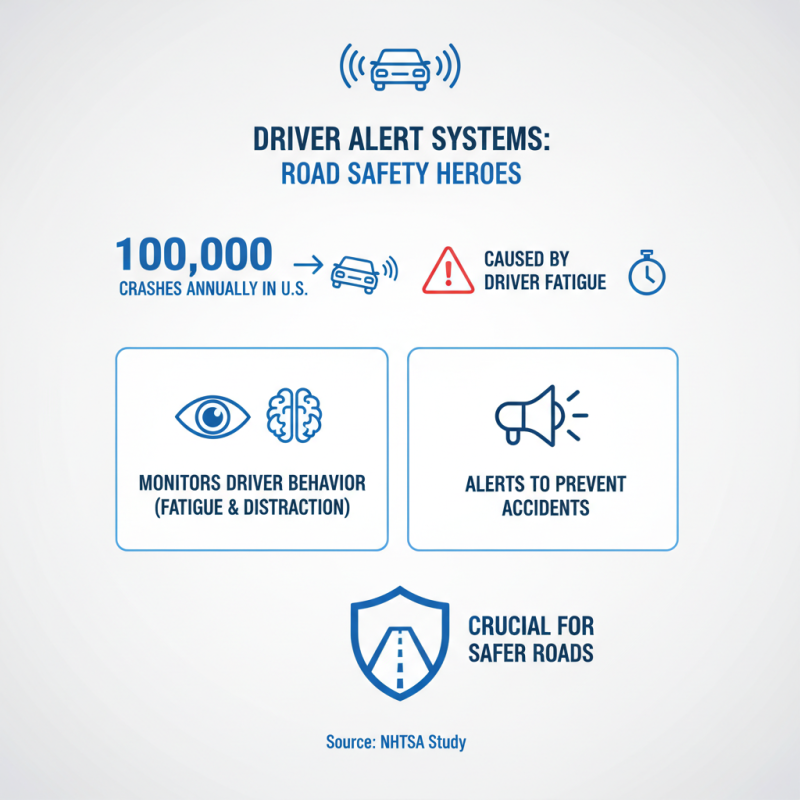
Driver Alert Systems (DAS) play a crucial role in ensuring road safety. These systems monitor driver behavior and alert them when signs of fatigue or distraction are detected. According to a study published by the National Highway Traffic Safety Administration (NHTSA), driver fatigue contributes to 100,000 crashes annually in the U.S. This highlights the necessity of having effective alert systems in vehicles.

Recent data indicates that 20% of fatal crashes involve drowsy driving. DAS can significantly reduce this statistic by providing timely warnings. For instance, systems can detect lane drifting or prolonged periods of inattention. This feedback is vital in shifting a driver's focus back to the road. The technology is constantly evolving with advanced machine learning algorithms that improve accuracy. However, there is still a need for improvement in the responsiveness of some systems.

Many drivers may not fully appreciate the limitations of their alert systems. A false sense of security can lead to complacency. Without active engagement, even the best systems can fall short. A thorough understanding of these systems is essential. Engaging in regular assessments of their effectiveness can foster safer driving. Awareness and education are paramount in harnessing the full potential of Driver Alert Systems.

Key Features to Look for in a Driver Alert System

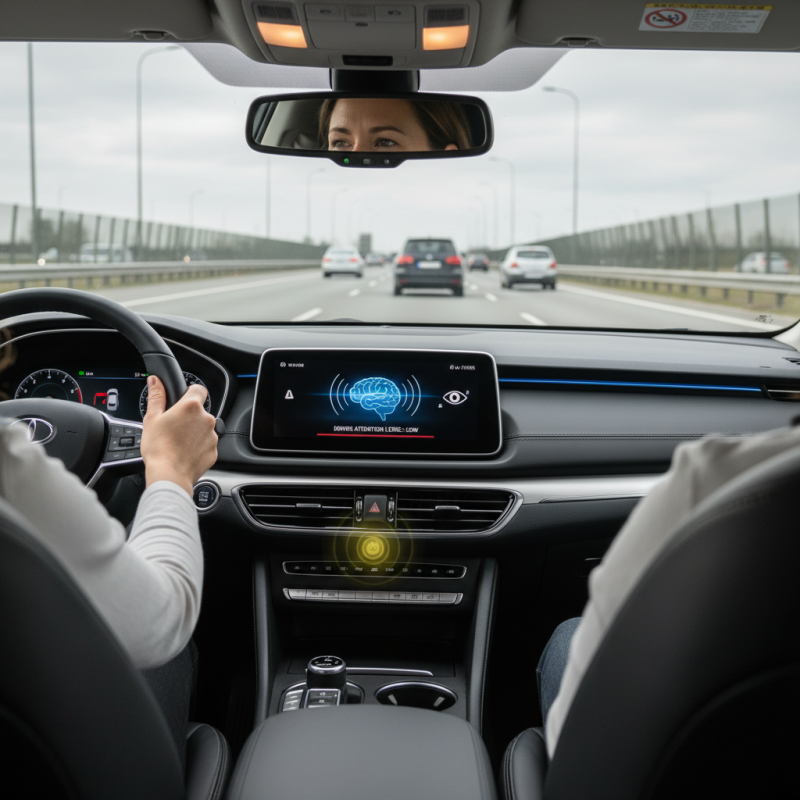
When considering a Driver Alert System, understanding its key features is essential for enhancing road safety. One crucial aspect is the Drowsy Driver Alert System. This system monitors driver behavior, detecting signs of fatigue or distraction. It provides timely alerts, which can significantly reduce the risk of accidents caused by drowsy driving. Look for systems that utilize advanced sensors to track eye movements and head position.

Tips for choosing a reliable system include checking for customization options. A one-size-fits-all solution may not suit every driver. The ability to set alert sensitivity according to personal needs ensures a balance between safety and comfort. Also, prioritize systems with real-time feedback. Immediate alerts help drivers stay engaged and aware, making each journey safer.

Another aspect to consider is user-friendliness. A complex interface can lead to distractions. Ensure the system offers straightforward navigation. Intuitive controls keep attention on the road. Remember, even the best systems have limitations. It's vital to maintain awareness and personal responsibility while driving. Regularly review the system’s performance to optimize safety features and adapt them to changing driving habits.

How to Effectively Use Driver Alert Systems for Maximum Safety

Using a Driver Attention Alert System can significantly enhance your driving safety. These systems help monitor driver behavior and provide alerts when fatigue or distraction is detected. The key is to understand how to make the most of these tools. For instance, ensure the system is properly calibrated to recognize your driving patterns. This customization allows for more precise alerts when needed.

It’s also crucial to regularly engage with the feedback provided by the Driver Attention Alert System. If you notice frequent notifications, it might indicate that you need to take breaks more often. Reflecting on your driving habits can be enlightening and lead to safer practices. Remember, overreliance on technology isn't advisable. Engaging actively in driving and reducing distractions is essential. While the alert system supports safety, your awareness and control remain paramount.

Ultimately, even the best systems have limitations. They may not detect every moment of inattention. Therefore, regular self-assessment and consideration of your energy levels play vital roles. Combining technology with personal responsibility creates a safer driving experience.

Top 5 Driver Alert System Tips for Safer Driving Today

Common Driver Alert System Alerts and Their Meanings

Understanding driver alerts is essential for safe driving. These systems provide crucial notifications that help drivers stay focused and informed. Common alerts include lane departure warnings and forward collision warnings. Each serves a unique purpose in enhancing driving safety.

A lane departure warning alerts you if your vehicle drifts out of its lane without signaling. This can prevent dangerous side collisions. On the other hand, a forward collision warning detects potential crashes ahead. It helps drivers react in time to avoid an accident.

Recognizing these alerts improves your driving awareness.

While these systems are valuable, they aren’t perfect. Drivers may ignore alerts or misinterpret them. It’s important to remain engaged and not overly rely on technology. Paying attention to the road is crucial, despite advanced alerts. Keep in mind that a driver’s judgment is still vital.

Tips for Maintaining Your Driver Alert System for Optimal Functionality

Maintaining your Driver Alert System is crucial for safer driving. Start with regular sensor checks. Dust and debris can interfere with function. Make sure the sensors are clean and unobstructed. This is something many drivers overlook. A clean sensor can significantly enhance alertness monitoring.

Calibration is another key aspect. Ensure your Driver Drowsiness Alert System is correctly adjusted. If you make any changes to your vehicle, consider re-calibrating the system. This helps maintain accuracy in detecting signs of drowsiness. Some drivers may skip this step, thinking it isn’t necessary, but this can lead to missed alerts.

Check for software updates regularly. Many systems come with software that needs updates to function efficiently. Outdated software may result in false alerts or missed warnings. It might feel tedious, but staying up-to-date truly enhances safety. Remember, your alert system is only as reliable as its maintenance. Each small step counts towards better driving safety. Embrace these practices and encourage fellow drivers to do the same.

Integrating Driver Alert Systems with Other Safety Technologies

Integrating Driver Alert Systems with other safety technologies has become vital for road safety. Research shows that driver fatigue contributes to 20% of fatal accidents globally. A Driver Sleep Alert System harnesses sensors to detect drowsiness and issues warnings to drivers. This significant development has the potential to reduce accidents caused by sleep-related impairments.

Moreover, combining these alert systems with lane-keeping assist technology enhances driving safety. A report from the National Highway Traffic Safety Administration indicates that systems like lane departure warnings can lower accident rates by 25%. When a Driver Sleep Alert System works together with these features, it creates a comprehensive safety net. Drivers receive timely alerts, and the vehicle helps maintain its path, reducing the risk of drifting.

Adopting these integrations isn't without challenges. Some drivers might become overly reliant on these systems, leading to complacency. Continuous education on their limitations is crucial. While technology can provide assistance, it can't replace attentive driving. Awareness of both the benefits and the risks associated with Driver Sleep Alert Systems is essential for achieving safer roads.

Educating Drivers on the Benefits of Using Alert Systems

Driver Alert Systems play a crucial role in promoting road safety. Educating drivers about these systems can foster a more secure driving environment. Many people underestimate their importance. They assume that being alert is enough. However, a system can provide vital assistance. It detects fatigue or distraction, offering timely warnings. This may prevent accidents caused by human error.

Awareness is key. Drivers need to understand how these systems function. Graphical displays or audio alerts can grab attention. Imagining driving on a long road trip? After hours behind the wheel, fatigue sets in. A well-designed alert system can remind drivers to take breaks. This simple intervention can save lives.

Many users might not fully trust these systems. They may question their accuracy. Feedback from drivers is essential. Sharing experiences can improve system reliability. It is important to recognize that technology has limitations. Drivers must remain engaged. They should not rely solely on alerts. Continuous education about these systems helps create a proactive driving culture.

FAQS

: What is the primary function of Driver

lert Systems (DAS)?

How do Driver Alert Systems improve road safety?

They can reduce crashes by providing timely warnings, helping drivers refocus on the road.

What percentage of fatal crashes involve drowsy driving?

About 20% of fatal crashes are linked to drowsy driving, highlighting the need for alert systems.

How can drivers optimize the use of Driver Alert Systems?

Drivers should calibrate the system to their habits for precise alerts and engage with its feedback.

What risks come with overreliance on alert systems?

A false sense of security can lead to complacency, making drivers less attentive.

Why is it important to regularly assess alert systems?

Regular evaluations help identify driving habits and ensure that safety measures remain effective.

How do Driver Alert Systems integrate with other technologies?

They work alongside features like lane-keeping assist to create a comprehensive safety net.

What challenges exist when integrating various safety technologies?

Drivers may become too reliant on these systems and neglect the need for active driving engagement.

What role does education play in using Driver Alert Systems?

Continuous education is crucial to understand the limitations and benefits of these technologies for safer driving.

What should drivers reflect on regarding their driving habits?

Self-reflection on energy levels and attentiveness can lead to safer driving practices.

Conclusion

Driver Alert Systems are crucial for enhancing road safety, providing drivers with real-time alerts and information about potential hazards. Understanding their importance is the first step in utilizing these technologies effectively. Key features to look for in a Driver Alert System include timely notifications, user-friendly interfaces, and compatibility with other safety technologies.

To maximize safety, it's essential to understand how to use these systems correctly, as well as to be aware of common alerts and their meanings. Regular maintenance ensures optimal functionality, allowing drivers to rely on the system when needed most. Furthermore, educating all drivers on the benefits of using Driver Alert Systems can lead to a more secure driving environment and better overall road safety.


Nathan

Nathan

Nathan is a dedicated marketing professional at Zhuhai Shangfu Electric Technology Co., Ltd., where he showcases his extensive expertise in the company's innovative product offerings. With a deep understanding of the technical specifications and applications of their electric technology solutions,......
Previous China Top OEM ODM Wireless Phone Charger Suppliers You Should Know?