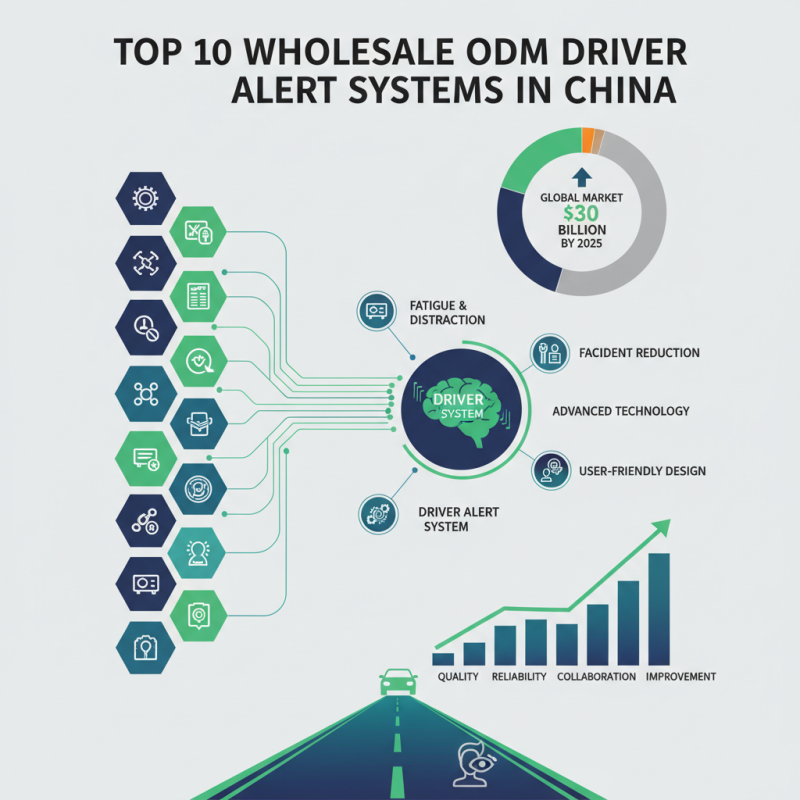
In today’s fast-moving world of cars and driving, having a reliable Driver Alert System is more important than ever. According to a recent report from MarketsandMarkets, the global market for these systems is expected to hit around $30 billion by 2025, which opens up a ton of opportunities for manufacturers out there. The major driving force behind this growth? Sadly, it’s increasing numbers of accidents linked to driver fatigue and distraction—stuff that could be prevented with the right tech.
Industry expert Dr. Michael Cheng highlighted, “A good, well-integrated Driver Alert System can really make a difference in lowering accidents caused by human error.” Chinese suppliers are jumping on this trend too, creating innovative products that mix cutting-edge technology with user-friendly designs. Still, it’s not all smooth sailing—there are challenges, like perfecting the accuracy of driver state detection and making these systems adaptable to individual users.
For anyone involved in the business, getting to know the top wholesale ODM providers in China can make a big difference. There’s a lot of options out there, but at the end of the day, quality and reliability are what really count. As the Driver Alert System world keeps evolving, working together and constantly improving will be key to staying ahead of the game.
Understanding ODM Driver Alert Systems: An Overview
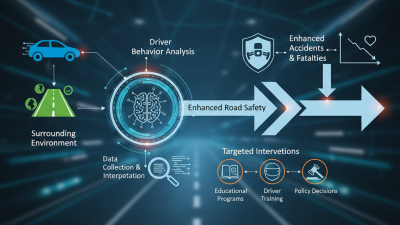
Driver alert systems are crucial in enhancing road safety. They monitor drivers' conditions and provide real-time feedback. Among these systems, the Drowsy Driver Alert System is gaining significant attention. It detects fatigue and alerts drivers before accidents happen.
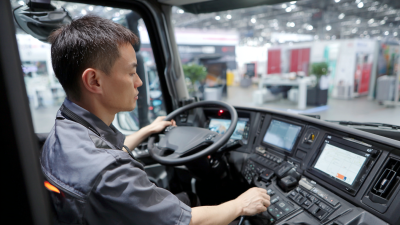
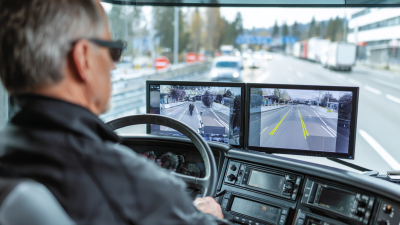
These systems often use cameras and sensors to track eye movements and head positions. When the system identifies signs of drowsiness, it triggers an alert. This could be audio signals or vibrations in the seat. The goal is to keep drivers alert and focused.
Tips: Regular maintenance of these systems is essential. Ensure sensors are clean and functioning. Calibration should be checked frequently to maintain accuracy. Always understand how to interpret alerts from your driver alert system. Each system may have unique features and alerts.
Technology is constantly evolving. The effectiveness of driver alert systems can vary based on models and use cases. Feedback from users can help developers improve these systems further. Awareness of system limitations is key. No system is infallible; they merely supplement safe driving practices.
| Rank | Feature | Technology | Applicable Vehicle Type | Price Range (USD) |
|---|---|---|---|---|
| 1 | Lane Departure Warning | Camera-based | Sedans, SUVs | 500-800 |
| 2 | Fatigue Detection | AI-based | Trucks, Buses | 600-900 |
| 3 | Collision Warning | Radar-based | All types | 700-1000 |
| 4 | Blind Spot Monitoring | Sensor-based | SUVs, Vans | 400-750 |
| 5 | Automatic Emergency Braking | Lidar-based | All types | 800-1200 |
| 6 | Traffic Sign Recognition | Image processing | Sedans, SUVs | 500-850 |
| 7 | Parking Assistance | Ultrasonic sensors | All types | 300-700 |
| 8 | Adaptive Cruise Control | Radar-based | Sedans, SUVs | 900-1300 |
| 9 | Emergency Response Notification | Cloud-based | All types | 600-1100 |
| 10 | Driver Monitoring System | Camera-based | Buses, Trucks | 800-1500 |
When exploring driver alert systems, certain key features emerge as essential for effective monitoring and prevention. Advanced driver assistance systems (ADAS) play a pivotal role. These systems should employ robust algorithms that analyze driver behavior in real time. A 2022 report indicated that integrating machine learning can reduce accidents by up to 30%. This highlights the importance of predictive analytics in enhancing road safety.
In addition, compatibility with existing vehicle systems is vital. A seamless integration ensures that data from various sensors is aggregated efficiently. Many vehicles now include lane departure warnings and fatigue detection features. These systems must respond promptly to prevent distractions. Interestingly, recent studies have shown that alert systems can decrease reaction times by as much as 25% during critical driving conditions.
Moreover, user-friendly interfaces make a significant difference. Well-designed alerts can ensure drivers remain engaged without causing additional stress. Reports have demonstrated that clearer, more intuitive warnings lead to faster decision-making. Despite advancements, some systems have been criticized for false alarms, highlighting the need for continual improvements. Addressing this issue could enhance the reliability of these essential systems.
When exploring the landscape of ODM manufacturers in China, understanding the key players is essential. ODM, or Original Design Manufacturer, plays a significant role in driver alert systems. The manufacturing industry in China is vast and varied, with many companies specializing in electronic systems.
It's important to research the credentials of these manufacturers. Look for companies with extensive experience in the field. Long-standing manufacturers often showcase better reliability. A company with a solid track record typically produces high-quality products. Read customer reviews to gauge their reputation.
Tip: Focus on manufacturers that provide customizable solutions. This flexibility can lead to better end products tailored for your market. Evaluate their production capabilities. Fast prototyping may indicate an innovative approach. However, consider potential communication issues with larger firms. Smaller manufacturers often provide more direct support.
Highlighting some areas for reflection is beneficial. Not all ODM manufacturers maintain the same quality standards. Some may overpromise and underdeliver. Therefore, conduct thorough due diligence. Verify certifications and quality control processes. Errors and miscommunication can lead to costly delays.
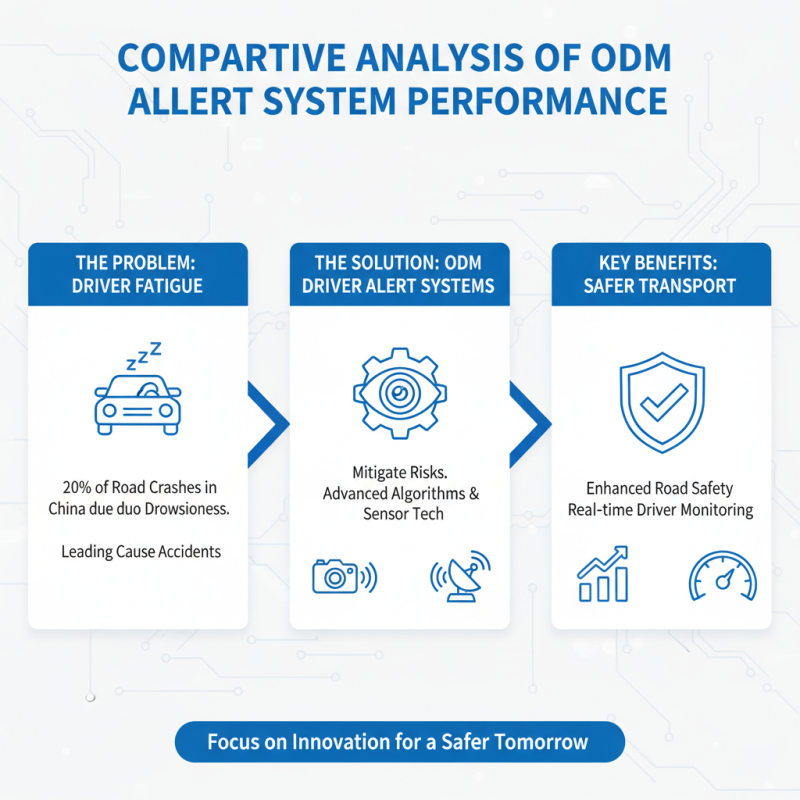
The focus on driver alert systems in China highlights their growing importance in the transportation sector. Reports indicate that fatigue is a leading cause of road accidents, with about 20% of crashes attributed to driver drowsiness. Consequently, ODM driver alert systems are designed to mitigate these risks. These systems utilize advanced algorithms and sensor technologies to monitor driver behavior effectively.
Performance metrics for these systems vary significantly across models. A recent study showed that systems employing facial recognition technology could detect signs of fatigue with an accuracy rate exceeding 90%. However, some systems still struggle in low-light conditions, which brings challenges to long-haul drivers. In urban environments, excessive false alarms can also lead to driver frustration, reducing system effectiveness.
Data indicates that systems with real-time feedback mechanisms are more successful in improving driver alertness. They can provide instant alerts, nudging drivers to take breaks more frequently. Yet, the reliance on such technology raises questions about the balance between automation and driver responsibility. Continuous improvement in these systems is necessary to enhance reliability and user trust.
The market for Driver Attention Alert Systems is rapidly evolving. As of 2023, the sector is estimated to grow by over 10% annually. Major advancements are seen in artificial intelligence integration, enhancing alert systems' accuracy. Reports indicate that fatigue detection algorithms are now 30% more effective thanks to machine learning.
Innovations focus on improving driver experience and safety. One study revealed that 70% of accidents are due to driver inattention. This alarming statistic propels developers to innovate continuously. Features like real-time alerts, eye-tracking technology, and haptic feedback are becoming standard. These systems can prompt drivers to take breaks, significantly reducing fatigue-related incidents.
User engagement remains a challenge. Manufacturers must address how drivers perceive alerts. Some individuals may ignore alerts even when fatigued. Therefore, creating a balance between effective notifications and minimizing distractions is critical. As technology evolves, finding that equilibrium will be essential for widespread adoption of Driver Attention Alert Systems.
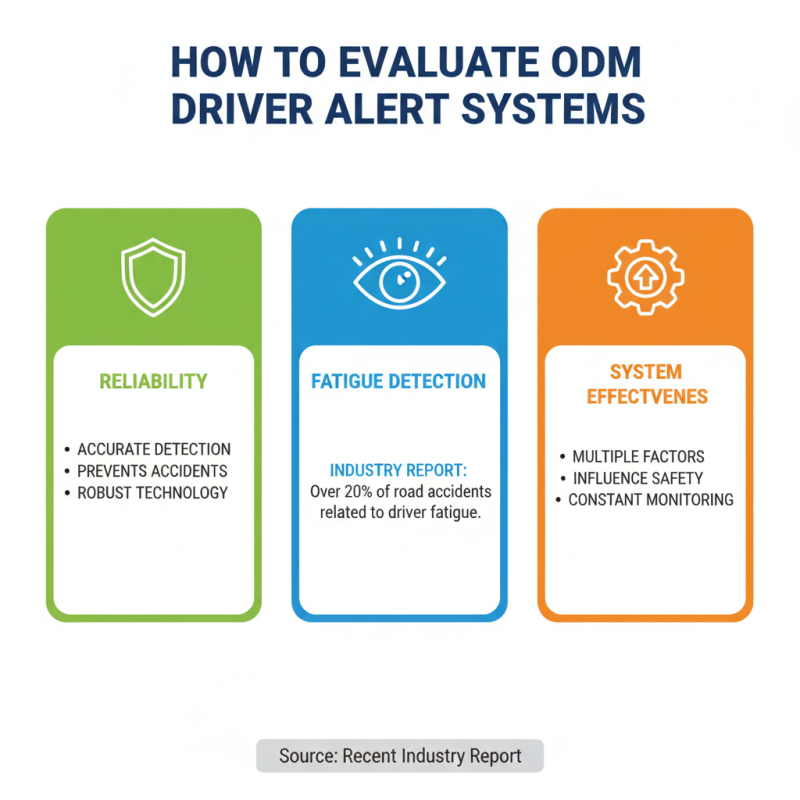
When evaluating the quality of ODM Driver Alert Systems, consider multiple factors that influence effectiveness and safety. Reliability is crucial. The system should accurately detect signs of drowsiness to prevent accidents. A recent industry report indicates that over 20% of road accidents relate to driver fatigue. Therefore, robust detection technology is vital.
Assess the performance metrics of these systems. Look for features like real-time monitoring and alert notifications. Data shows that systems that integrate machine learning algorithms improve response times. Systems with advanced data analytics can adapt to individual driver behavior, enhancing overall safety. Longevity and durability are essential as well. A system should withstand varying environmental conditions without compromising functionality.
Evaluate user feedback to gain insights. While product specifications are important, real-world experiences highlight potential flaws. Certain systems may trigger false alarms. This can desensitize drivers over time. Reviewing test outcomes offers a more nuanced understanding of the device's performance. Focus on the balance between technological sophistication and user acceptability. A Driver Drowsiness Alert System should ensure safety without unnecessary disruption.
Partnering with ODM suppliers in China requires a thoughtful approach. Establish clear communication from the start. Misunderstandings can lead to delays in production and costly mistakes. Investors often assume the supplier understands all requirements, but this is not always the case. Use visuals to illustrate your needs. Diagrams can help bridge language gaps.
Trust is essential in these partnerships. Research potential suppliers thoroughly before committing. Look for established suppliers with positive reviews. Check their track record in producing Driver Sleep Alert Systems. This adds a layer of reliability to your project. Discuss quality standards upfront to avoid issues later on.
Be prepared for cultural differences. Negotiation styles can vary greatly. In some cases, direct communication may be viewed as aggressive. Patience is key. Recognize that building a relationship takes time. Regular follow-ups can help foster a positive working environment. Reflect on your interactions and adjust your approach as needed. Successful partnerships often emerge from mutual respect and understanding.
: An ODM manufacturer designs and produces products for other companies. They specialize in original designs.
Experienced manufacturers often provide reliable products. Their long history usually indicates quality and expertise.
Consider reliability, real-time monitoring, and user feedback. These factors greatly influence overall effectiveness and safety.
Focus on customization options and production capabilities. Smaller firms may offer better direct support.
User experiences reveal potential flaws that specifications do not. Feedback can highlight issues like false alarms.
Not all maintain high standards. Some may overpromise, leading to disappointment. Conduct thorough research before deciding.
Advanced technology, like machine learning, can improve response times. However, it must be accepted by the users.
Systems need to function well in different conditions. Durability is crucial for long-term reliability.
Miscommunication can lead to costly delays. It's important to maintain clear dialogue throughout the process.
Look for a balance between technological features and user acceptability. Safety should not come at the cost of usability.
The article "Top 10 Wholesale ODM Driver Alert Systems in China You Need to Know" provides a comprehensive guide to understanding and evaluating Driver Alert Systems. It begins with an overview of ODM (Original Design Manufacturer) Driver Alert Systems, highlighting their importance in enhancing road safety by alerting drivers to potential hazards. Key features to consider when selecting these systems include sensitivity, customization options, and integration capabilities with existing vehicle technologies.
The piece includes a comparative analysis of performance among the top 10 wholesale ODM manufacturers in China, examining market trends and innovations shaping driver alert technologies. Additionally, it offers insights on how to assess the quality of ODM Driver Alert Systems and provides practical tips for businesses looking to partner with suppliers in China. This synthesis not only aids in navigating the competitive landscape but also ensures the selection of reliable systems that enhance driver safety.