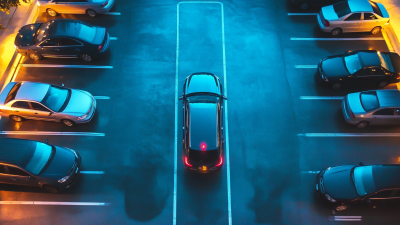
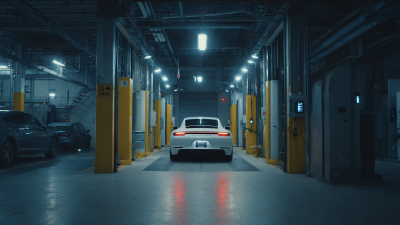
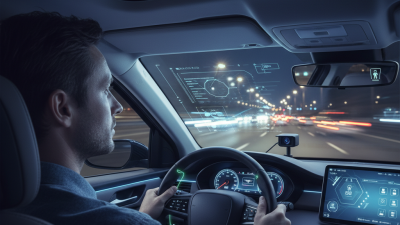
You know, parking’s really changed a lot over the past few years, mostly thanks to tech. One of those game-changers is the so-called "Sensor For Parking." If you haven't heard, these sensors are becoming a huge part of how we manage parking these days. I recently came across a report from Grand View Research saying that the global market for parking management is expected to hit around USD 5.6 billion by 2025—that's kinda mind-blowing! All this growth is mainly because people really want smarter, more efficient ways to park their cars.
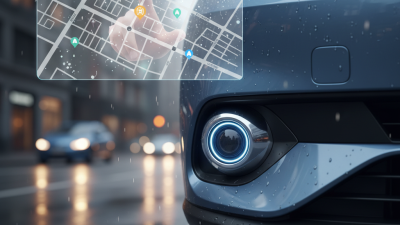
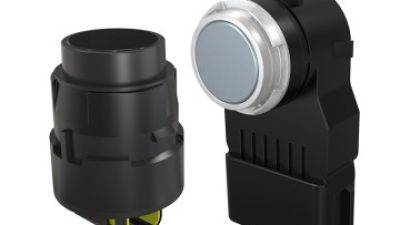
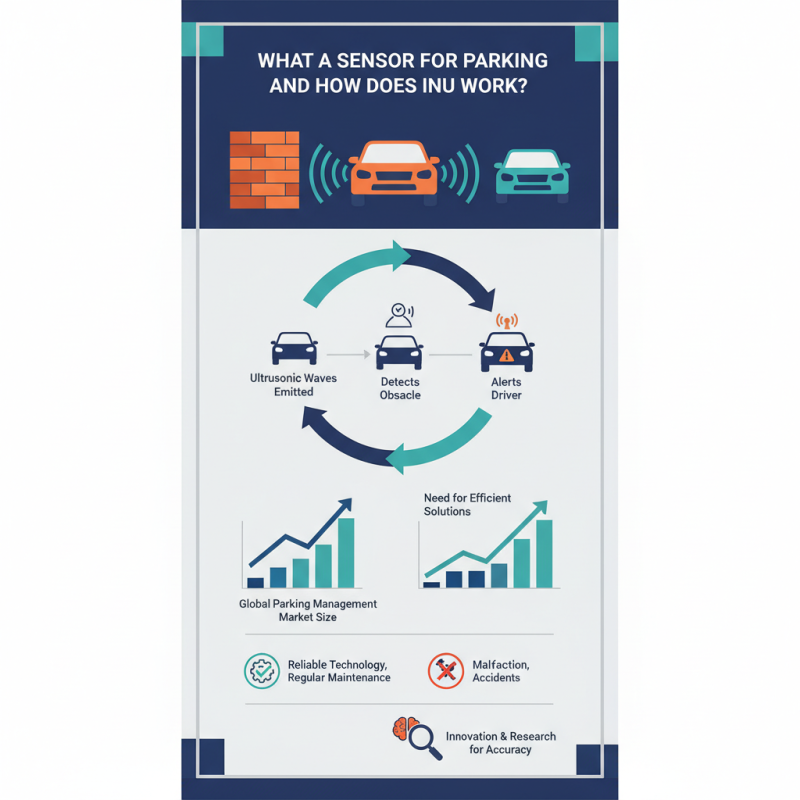
These sensors, like the Parking Sensor Front Parking Sensor For Car, work by bouncing ultrasonic waves off obstacles to figure out if anything’s in the way. They basically give drivers a heads-up about potential hazards, which makes city driving a lot safer. That said, they’re not perfect—sometimes sensors can glitch or stop working, which might even cause accidents. So, regular maintenance and just knowing how to use them properly is pretty important.
The truth is, as urban areas get more crowded, we’re gonna need even better, more reliable parking tech. But let’s be real—making sure these sensors are accurate is just as crucial as the tech itself. Ongoing research and improvements are really the way forward. Hopefully, in the near future, these advancements will make parking easier, safer, and more efficient all around the globe.
Definition of Parking Sensors and Their Purpose
Parking Sensors are devices designed to assist drivers while parking. Their primary purpose is to detect obstacles around a vehicle. These sensors enhance safety and convenience during parking maneuvers. They help drivers avoid collisions with nearby objects, pedestrians, and even other vehicles.
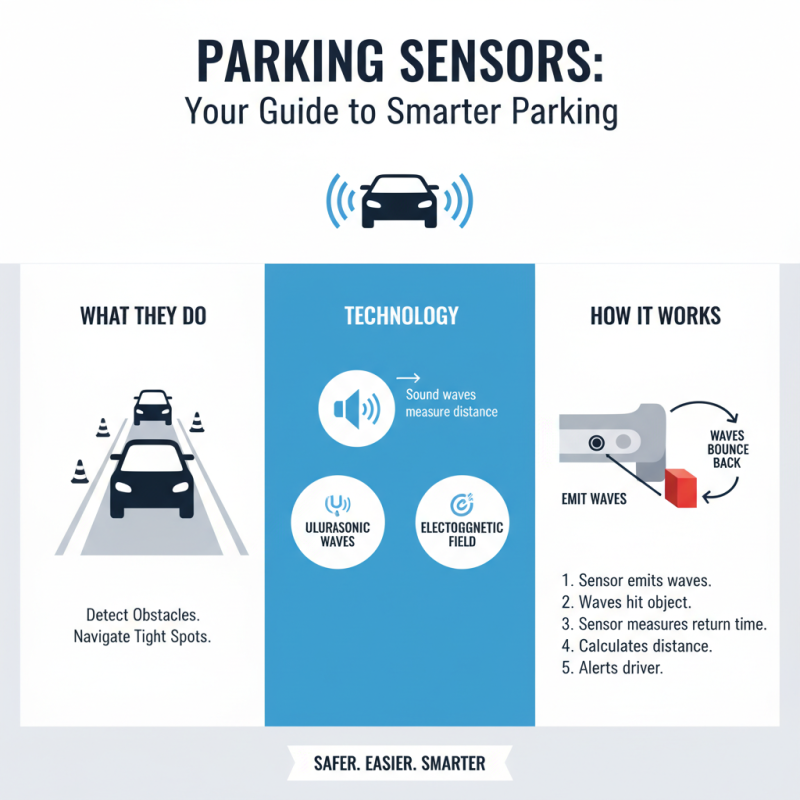
Most parking sensors use ultrasonic or electromagnetic technology. Ultrasonic sensors emit sound waves that bounce off nearby objects. The system then calculates the distance to the obstacle. Electromagnetic sensors create a surrounding field, alerting drivers when they’re too close to an object. The alerts vary from beeping sounds to visual signals on a dashboard.
**Tips:** Always stay aware of your surroundings, even with parking sensors. Relying solely on technology can lead to errors. Regularly check the sensors for dirt or damage. Malfunctioning sensors may give false readings. It’s essential to ensure they are working properly to avoid parking mishaps.
Parking Sensor Data Analysis
This bar chart represents the distance to obstacles detected by different parking sensors. Each sensor shows varying distances that indicate how close an obstacle is, helping drivers maneuver safely while parking.
Types of Parking Sensors: Ultrasonic vs. Electromagnetic
Parking sensors play a significant role in modern vehicle safety. Among the various types, ultrasonic and electromagnetic sensors stand out. Ultrasonic sensors emit sound waves. They measure the time it takes for the sound to bounce back to the car. This data helps determine the distance to nearby obstacles. Reports indicate that these sensors are about 90% accurate in detecting objects.
On the other hand, electromagnetic sensors detect changes in magnetic fields. They create an invisible radar around the car. When an object enters this field, the sensor triggers an alert. Although less common, they have a unique advantage. They tend to work well in various weather conditions. Research suggests that electromagnetic sensors can offer consistent performance, even in rain or snow.
**Tip:** When choosing a parking sensor, consider installation complexity. Some sensors need professional installation while others are DIY-friendly.
**Tip:** Regular maintenance can improve accuracy. Check sensor alignment and ensure no debris obstructs their functioning.
Not every sensor is perfect. Relying solely on them can create a false sense of security. Drivers should still use their mirrors and check surroundings. Balancing technology with traditional methods ensures safer parking experiences.
What is a Sensor For Parking and How Does It Work? - Types of Parking Sensors: Ultrasonic vs. Electromagnetic
| Type of Sensor | Working Principle | Detection Range | Installation | Cost (Approx.) |
| Ultrasonic Sensor | Uses sound waves to detect obstacles | 0.3 to 5 meters | Surface or bumper mounting | $30 - $100 |
| Electromagnetic Sensor | Uses electromagnetic fields to detect proximity | 1 to 3 meters | Embedded in ground or surface | $50 - $150 |
How Parking Sensors Detect Obstacles: The Working Mechanism
Parking sensors are essential tools for modern vehicles, helping drivers detect obstacles. They are especially useful in tight spaces. The system mainly uses ultrasonic or electromagnetic technology. These sensors emit waves and measure the distance to nearby objects. When an object approaches, the waves bounce back to the sensor. This information is processed to determine the proximity of the obstacle.
Typically, OEM Parking Sensor Front Parking Sensor For Car operates within specific ranges. The closer an object gets, the more frequent the beeping sounds become. This real-time feedback helps prevent collisions. However, not all obstacles are detected equally. Some sensors may struggle with very low or very high obstacles. Weather conditions can also affect performance, sometimes leading to inaccuracies.
While these sensors greatly enhance safety, reliance on them can lead to issues. Drivers might neglect their surroundings, trusting the sensors too much. It's crucial to remember they are aids, not replacements. Sensor technology is evolving, yet challenges persist. Ensuring proper maintenance is vital for ensuring they work well.
Components of a Parking Sensor System and Their Functions
A parking sensor system is made up of several key components. The most essential part is the sensor itself, which can be ultrasonic or electromagnetic. Ultrasonic sensors send sound waves, detecting obstacles when the waves bounce back. In contrast, electromagnetic sensors create a field to spot nearby objects. Industry reports indicate that ultrasonic sensors account for over 70% of the market due to their reliability and cost-effectiveness.
Another crucial component is the control unit. This acts as the brain of the system. It processes the signals received from the sensors and determines the distance to obstacles. When an object is detected, the control unit sends alerts to the driver via visual indicators or audible beeps. Research shows that systems with multiple sensors increase safety by 40%.
A display screen is also vital. It provides real-time feedback to the driver. Some screens show a visual representation of the vehicle's surroundings, enhancing awareness. However, drivers may sometimes misinterpret these signals, leading to accidents. The integration of advanced technology continues to evolve, but users must remain cautious. For those looking for specific products, options like "Wholesale Parking Sensor Front Parking Sensor For Car" are available to improve safety while parking.
Installation Process of Parking Sensors in Vehicles
Installing parking sensors in vehicles improves safety and convenience. Many users find the process challenging. However, with the right approach, anyone can do it. An ODM Parking Sensor Front Parking Sensor For Car can enhance the installation experience. The sensors typically consist of ultrasonic devices. They detect obstacles within a certain range, providing audio or visual signals to the driver.
To begin, gather the required tools. You’ll typically need a drill, screwdriver, and measuring tape. Start by selecting a suitable location for the sensors. Most parking sensors are installed at the front and rear bumpers. It’s crucial to ensure proper alignment. Misalignment can lead to inaccurate readings.
Once the spots are marked, drill the holes for the sensors. Be cautious during this phase. Drilling too deep may damage internal wiring.
After drilling, connect the sensors to the vehicle’s electrical system. This step can be tricky. Proper wiring is essential for effective operation. Make sure connections are secure. During testing, check the sensor responses. Some may not work correctly due to improper installation. It’s essential to refine these aspects for better performance. Regular maintenance can also help address any operational issues over time.
Limitations and Challenges of Parking Sensor Technology
Parking sensors have become popular in modern vehicles. They assist drivers in maneuvering with ease. However, these sensors come with limitations and challenges. One common issue is their effectiveness in various weather conditions. Rain or snow can obstruct sensor signals. This can lead to inaccurate readings or false alerts.
Another challenge is the angle of detection. Sensors may not detect objects that are too low or too high. For example, a small child or a bicycle could go unnoticed. This limitation raises concerns for safety.
Tip: Regularly check the sensors for obstructions. Ensure they are clean and free from dirt or debris.
Installation can also pose difficulties. Improperly calibrated sensors may provide unreliable data. This may lead to potential mishaps.
Drivers must remain vigilant and not solely rely on technology.
Tip: Familiarize yourself with your vehicle’s sensor limits.
This can help avoid accidents. Furthermore, parking sensors may struggle in tight spots. They may not always detect nearby vehicles or obstacles accurately. This can create challenges in busy urban environments. Thus,
staying aware of surroundings is crucial. Future Trends in Parking Sensor Development and Innovation
As cities become more congested, the need for efficient parking solutions grows. Parking sensors are evolving rapidly. They help drivers park with ease, reducing accidents and minimizing space wastage. New trends indicate that innovation will focus on integrating sensors with smart city infrastructure. This could simplify parking reservations and guidance.
The future may feature sensors that communicate with vehicles autonomously. Imagine your car navigating to an open spot while you relax. This technology relies on advanced algorithms and real-time data analysis. As these systems develop, the accuracy of parking guidance will improve, but challenges remain. Urban planners must ensure compatibility with existing structures.
Tips: When using an auto sensor parking aid, keep an eye on its alerts. Stay aware of your surroundings to avoid accidents. Consider checking your car's calibration with the sensor system regularly. Adjustments are sometimes necessary for optimal performance. The transition towards smarter parking solutions is promising but requires user awareness and adaptability.
Enhanced Road Safety: The Role of Wade Sensor Systems in Managing Flooded Routes
As extreme weather events become increasingly prevalent, managing flooded routes has emerged as a critical concern for road safety authorities. Implementing advanced sensor systems like ultrasonic and sonar technology can significantly enhance the ability to monitor and respond to hazardous driving conditions. Research indicates that submerged vehicles are a leading cause of vehicle-related fatalities during heavy rainfall and flooding events. According to the National Weather Service, more than half of all flood-related drownings occur when a vehicle is driven into hazardous floodwaters.
Ultrasonic sensors play a pivotal role by detecting a vehicle's wading state, providing real-time data on water levels that may pose a risk. These sensors utilize advanced technology that combines information from the vehicle's wing mirrors' position, tire specifications, and inclination angles to assess the obstacles above ground. When water reaches a dangerous threshold, the system can trigger both auditory and visual warnings to alert drivers. Such instant notifications can create a buffer of safety, giving drivers the crucial time needed to avoid crossing flooded areas.
Sonar sensors complement this system by monitoring underwater conditions, enabling proactive alerts about potentially dangerous situations. With their ability to detect water depth and current flow, sonar sensors can provide essential warnings and alarms to prevent accidents. The integration of these technologies not only promotes safer driving conditions but also contributes to reducing the likelihood of vehicle damage and subsequent insurance claims. As municipalities and road safety organizations continue to prioritize innovative solutions, the role of sensor systems in flood management will be foundational in enhancing road safety for all.
FAQS
: The service aims to connect users with helpful resources. It supports various interests and needs.
Anyone can use the service. It welcomes individuals with different backgrounds.
Access is straightforward. Users just need a compatible device and internet connection.
Registration may enhance experience but isn't always necessary. Some features are available without it.
Resources vary widely. They include educational tools, articles, and community support options.
Content updates occur regularly. However, the frequency can depend on user engagement.
Report any inaccuracies. Feedback helps improve the service for everyone.
Yes, sharing is encouraged. Users can contribute valuable insights or tools.
Yes, support is available. Users can reach out through various channels for help.
Troubleshooting steps are provided online. However, sometimes a straightforward restart can help.
Conclusion
Parking sensors are advanced devices designed to assist drivers in parking their vehicles by detecting obstacles and providing auditory or visual alerts. The primary purpose of a sensor for parking is to enhance safety and convenience, particularly in tight spaces. There are two main types of parking sensors: ultrasonic and electromagnetic. Ultrasonic sensors use sound waves to identify nearby objects, while electromagnetic sensors create a magnetic field to detect obstacles.
The working mechanism of parking sensors involves emitting signals and interpreting their reflections to determine the distance between the vehicle and surrounding objects. A typical parking sensor system consists of components such as sensors, a control unit, and alerts like beepers or displays. Installation of these sensors can be integrated into the vehicle's design or added after-market, contributing to their growing popularity. Despite their advantages, parking sensors face limitations, including false alarms and reduced effectiveness in certain weather conditions. Nonetheless, ongoing innovations in parking sensor technology are paving the way for smarter features and improved vehicle integration in the future.

 Front & Rear Parking Assist
 Automatic Parking Assist
 Wade Sensor System
 79GHz Kick Step-on Open System
 79GHz Door Open Warning System
 77GHz Blind Spot Detection
 77GHz Long Range Detection
 60GHz Child Presence Detection
 360 Panoramic Camera
 Driver Fatigue Monitoring System
 Dash Camera
 ADAS Camera
 Streaming Rearview Mirror
 Self Cleaning Camera
 Car Radio
 Infotainment System
 Wireless Charger
 Ultrasonic Sensors System
 4-Image Camera Monitoring System
 Driver Fatigue Monitoring System
 77GHz Blind Spot Detection
 ADAS Camera
 Camera Monitoring System