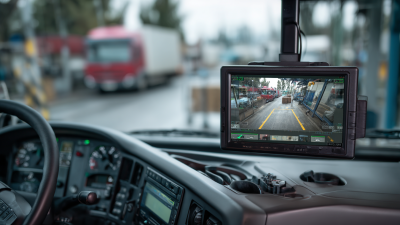
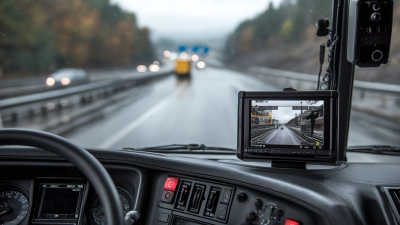
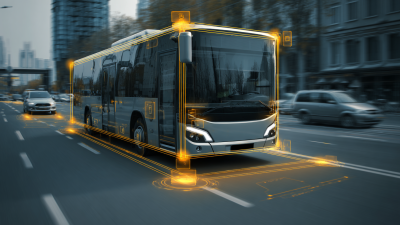
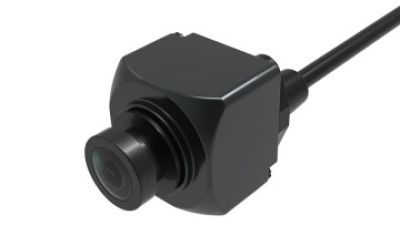
In the world of automotive tech, the Can Bus Camera is really starting to make a splash. It’s a handy little system that hooks right into your vehicle’s Controller Area Network (CAN bus), making things safer and more efficient overall. Big names like XYZ Corp are offering some pretty solid options—it's clear they bring years of know-how and fresh ideas to the table.
What I really like about the Can Bus Camera is that it provides real-time info that can actually boost how aware drivers are of their surroundings. It features sharp, high-res images and connects smoothly with other systems, which makes it a favorite among fleet managers and owners. But let’s be real—there’s also the cost of installation to think about, and you’ll want to make sure it plays nice with your existing setup. While the benefits are definitely there, folks should take a moment to see if it really fits their specific needs.
Opting for a Can Bus Camera is kind of like investing in the future of driving. It’s all about better monitoring and safer roads. That said, it’s worth mentioning that with all this new tech, questions around data security and privacy pop up. As we keep moving forward with these advancements, staying mindful and willing to adapt will be super important if we want to truly get the most out of what the Can Bus Camera has to offer.
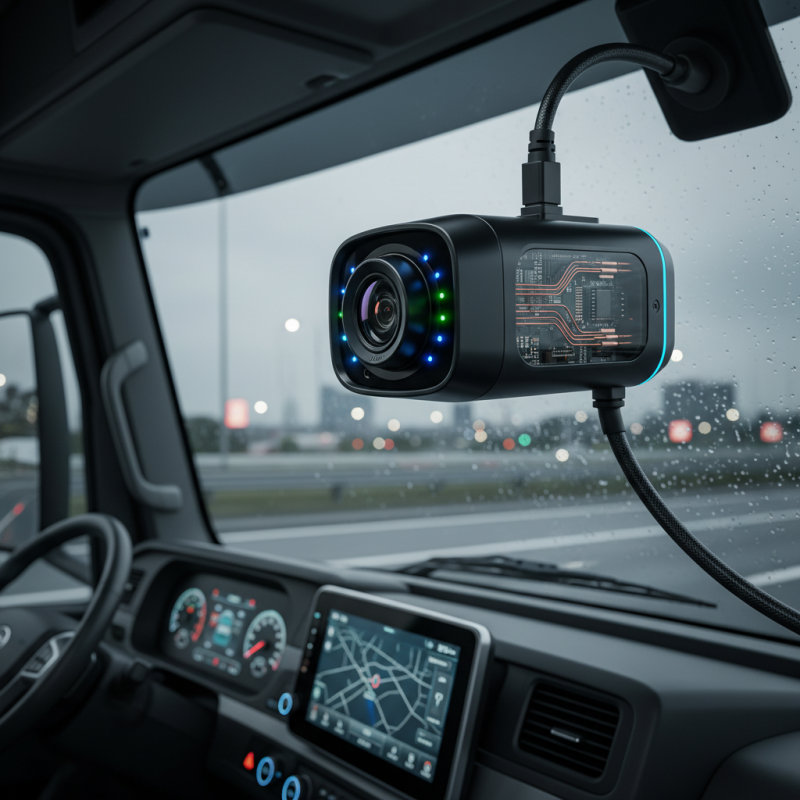
Top OEM Wholesale Can Bus Camera Overview and Applications
The CAN Bus camera system has become increasingly important in various industries. It provides critical video data seamlessly integrated into vehicle networks. A recent report by the Society of Automotive Engineers highlights that nearly 70% of vehicles now use CAN Bus technology for communication purposes. This integration enhances data transmission efficiency, aiding in real-time decision-making.
Applications range from automotive to agricultural sectors. In commercial fleets, these cameras provide vital feedback for safety and efficiency. In agriculture, farmers utilize these cameras for monitoring machinery performance. They can identify issues before they escalate. However, there are challenges. Some users report difficulties in installation due to varying vehicle architectures. This inconsistency can lead to reduced effectiveness if not addressed properly.
The low-cost nature of OEM wholesale cameras makes them accessible for many businesses. This affordability encourages widespread adoption. Yet, it is essential to choose a reliable supplier. Not all cameras meet the same quality standards, which may affect long-term performance. Investing in quality is crucial for maximizing benefits in the long run.
Key Features of Can Bus Cameras in OEM Wholesale
Can Bus cameras offer significant advantages for OEM wholesale solutions. These cameras are designed to enhance vehicle safety and performance through efficient data communication. They provide real-time video feeds that integrate seamlessly with vehicle systems, ensuring timely decision-making.
One key feature of Can Bus cameras is their robust connectivity. They utilize the Controller Area Network (CAN) protocol, which allows for reliable communication between devices. This enhances data transfer speed and reduces latency. The compact design of these cameras makes them easy to install in various vehicle models, promoting versatility in applications. Additionally, they often come with a weatherproof casing, ensuring durability in harsh environments.
Another notable aspect is the image quality they provide. Many Can Bus cameras use high-resolution sensors for clear, detailed visuals. This is crucial for tasks such as monitoring blind spots or assisting with parking maneuvers. However, users must consider lighting conditions, as performance may vary in low light. Regular maintenance is essential to retain image clarity over time. This technology reflects an evolving landscape, challenging users to adapt and optimize their systems for maximum benefit.
Top OEM Wholesale Can Bus Camera Benefits and Features Explained
| Feature | Description | Benefit |
| High Resolution | Supports 1080p or higher resolution | Provides clear images, enhancing visual quality for monitoring |
| Wide-Field View | Offers a wide angle lens | Covers larger areas for better visibility |
| IP68 Rating | Waterproof and dustproof design | Ensures reliability in tough environmental conditions |
| Low Light Performance | Equipped with infrared technology | Delivers clear images even in low-light environments |
| Easy Integration | Compatible with most vehicle systems | Saves time and resources during installation |
| Real-time Streaming | Supports live feed transmission | Enhances user experience with instant access to visuals |
| Durability | Built with robust materials | Ensures long-lasting performance in various conditions |
Benefits of Using Can Bus Cameras for Vehicle Integration
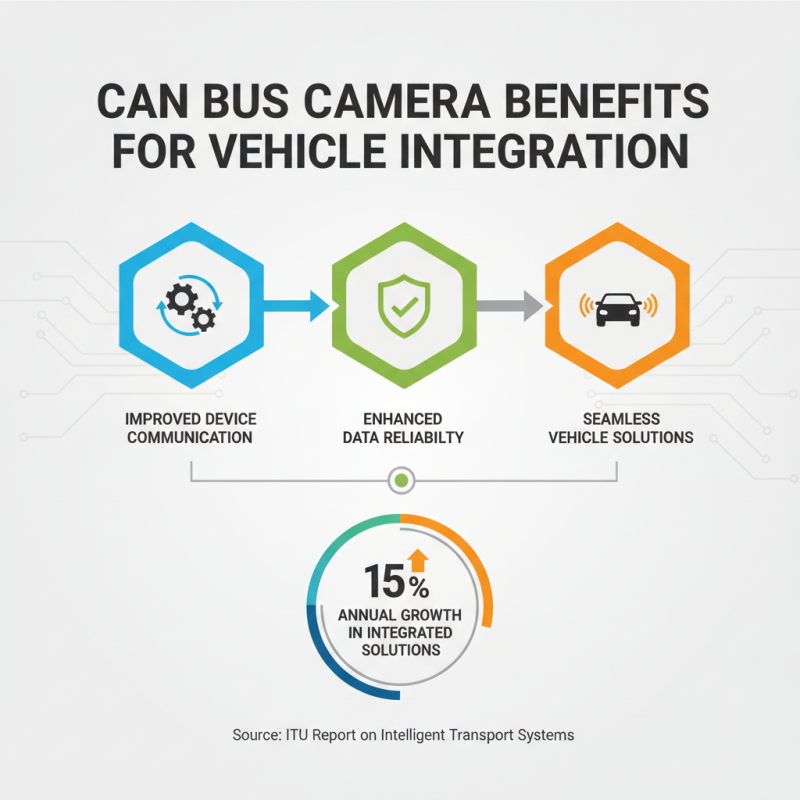
Can Bus cameras are becoming essential in modern vehicle integration. They offer significant benefits, such as improved communication between devices. According to a report by the International Telecommunication Union, the demand for integrated vehicle solutions is growing by over 15% annually. This trend emphasizes the importance of effective data transmission, which Can Bus technology uniquely supports.
One key advantage of using Can Bus cameras is their ability to streamline vehicle diagnostics. They can relay real-time information about vehicle performance, enhancing safety and efficiency. A study by Frost & Sullivan notes that vehicles equipped with advanced integrated systems can reduce maintenance costs by up to 20%. This reduction in costs can be attributed to early detection of potential issues, allowing proactive measures before significant repairs are needed.
However, there are challenges to consider. The complexity of integrating Can Bus cameras with existing vehicle systems can lead to compatibility issues. Some older models may not support this technology, leading to inefficiencies. Additionally, while the data gathered is valuable, interpreting it can require specialized expertise. These considerations highlight the need for ongoing training and development within the industry to maximize the benefits of Can Bus technology.
Comparison of Can Bus Cameras to Traditional Automotive Cameras
In recent years, the automotive industry has seen a significant shift towards advanced camera systems. A notable development is the OEM Can Bus Camera, designed for enhanced communication with vehicle systems. Unlike traditional cameras, Can Bus cameras integrate seamlessly with the vehicle's architecture. This integration enables real-time data exchange, improving safety and performance.
Research indicates that Can Bus cameras have a response time nearly 30% faster than traditional automotive cameras. This speed can be vital in critical driving situations where milliseconds matter. Furthermore, Can Bus systems allow for more straightforward installation and reduced wiring complexity, leading to lower manufacturing costs. This shift not only benefits manufacturers but also creates opportunities for vehicle enhancements.
Tips: Always prioritize safety features when evaluating camera systems. Consider the reliability of the camera under various driving conditions. The OEM Can Bus Camera offers unique functionalities, but no camera is foolproof. Regular maintenance and software updates are essential for optimal performance. Being aware of the limitations and potential issues can lead to better long-term benefits for users.
Factors to Consider When Choosing an OEM Can Bus Camera
When selecting an OEM Can Bus camera, several factors hold significant weight. Image quality is paramount. Look for cameras that provide high-resolution output. This ensures clarity and detail, essential in various applications. Moreover, the field of view is another crucial aspect. A wider field allows for more comprehensive monitoring of surroundings. Reliability is key; you want a camera that consistently performs under different conditions.
Durability is also a factor. Cameras installed in vehicles often face harsh environments. Choosing models that are weather-resistant can save costs in the long run. Consider ease of integration too. A compatible Wholesale Can Bus Camera should facilitate seamless connection with existing systems. Sometimes, manufacturers offer limited support. It’s wise to review their warranty and service policies before making a decision.
Remember, technology evolves rapidly. A camera that’s top-notch today might lack features tomorrow. Keeping an open mind about future needs can help in making a better choice. Evaluating customer reviews and expert opinions can provide insight as well. Look for feedback on performance in real-world applications.
How Can Bus Cameras Enhance Fleet Management Efficiency
Implementing ODM Can Bus Cameras can significantly improve fleet management. These cameras provide real-time monitoring, ensuring better safety and operational efficiency. A recent industry report indicated that fleets using advanced camera systems saw a 20% decrease in accidents, leading to lower insurance costs.
Data from the Fleet Management Association highlighted the importance of visuals in cultivating driver accountability. Cameras help in analyzing driver behavior. Positive behavioral changes were noted in 75% of drivers after the implementation of these systems. Nonetheless, the challenge lies in integrating technology with existing systems. Fleet managers need to ensure that these cameras can sync with their management platforms.
In addition to safety, ODM Can Bus Cameras enhance maintenance tracking. They help identify mechanical issues early. According to a study by the American Transportation Association, proactive maintenance can reduce downtime by 15%. However, not every fleet is equipped for immediate implementation. Investing in training and adapting workflows is crucial. Real benefits can only emerge from a thoughtful approach to these advancements.
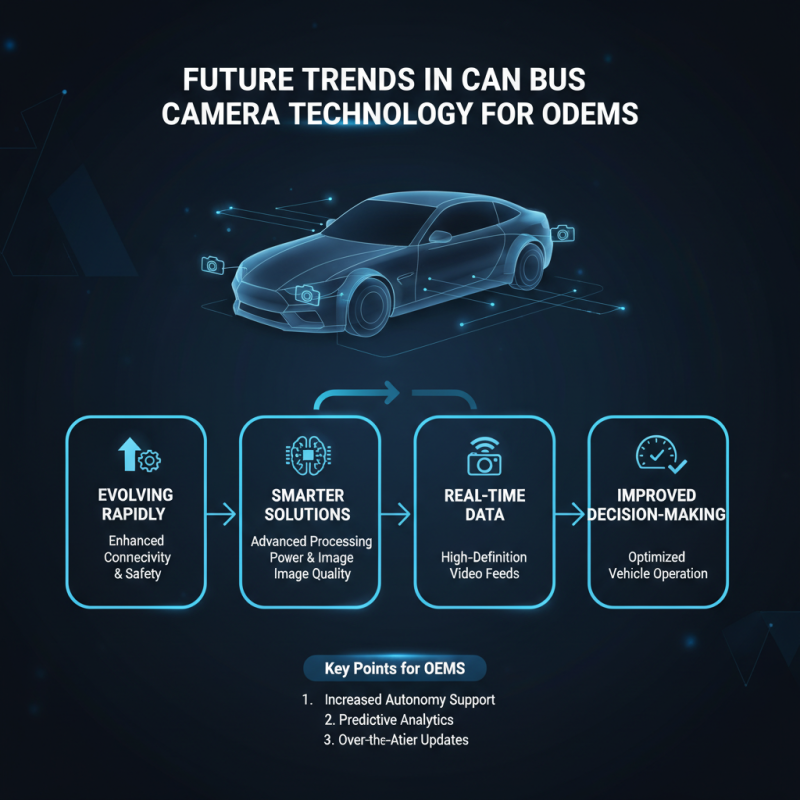
Future Trends in Can Bus Camera Technology for OEMs
The future of Can Bus camera technology for OEMs is rapidly evolving. These cameras enhance vehicle connectivity and safety. With advancements in processing power and image quality, OEMs can expect even smarter solutions. High-definition video feeds provide real-time data, improving decision-making during vehicle operation.
Integration with artificial intelligence is another trend to watch. AI can analyze camera feeds, identifying obstacles and potential hazards. This capability allows for advanced driver assistance systems (ADAS) that promote safer driving conditions. Moreover, better data analytics can lead to predictive maintenance, minimizing downtime.
However, the market is not without challenges. Many OEMs find it difficult to choose the right Can Bus Camera Supplier. Quality assurance and compatibility with existing systems complicate the selection process. As technology progresses, OEMs must remain aware of these issues while embracing the benefits of Can Bus cameras for the future.
Enhancing Immersive Experiences: The Market Growth and Technological Advancements in 360 Degree Surround Panoramic Cameras
The world of immersive experiences is rapidly evolving, driven by advancements in technology that enhance how we capture and interact with our environments. Among these innovations are the 360-degree surround panoramic cameras, which allow users to generate captivating visual content that envelops the viewer. These cameras often feature a 2D/3D mode, enabling versatile applications in various fields, from virtual reality experiences to enhanced safety in vehicular environments.
One of the standout features of these cameras is their impressive resolution, typically reaching up to 1920(H)x960(V) pixels, which can be customized to meet specific needs. This high pixel count ensures that the imagery produced is clear and detailed, making it ideal for panoramic views. Additionally, a wide viewing angle combined with seamless screen technology means that users can experience a fluid and uninterrupted visual field. The integration of AHD, TVI, and LVDS support further emphasizes the versatility of these devices, making them suitable for various types of installations.
For automotive applications, these cameras come equipped with features that improve safety and convenience. They support systems like BSD (Blind Spot Detection), LDW (Lane Departure Warning), and MOD (Moving Object Detection), which aid drivers in navigating their surroundings more effectively. Moreover, with the capability to function well under low light conditions, with visibility under 1LUX, the cameras ensure that even in dim environments, such as parking lots, the marking lines are clearly discernible. This synthesis of technology not only enhances immersive experiences but also contributes to safer driving practices in today's fast-paced world.
FAQS
: Can Bus cameras improve communication between devices, enhancing vehicle diagnostics and performance monitoring.
They can reduce maintenance costs by up to 20% through early detection of potential issues.
Compatibility issues with older vehicle models can arise, making integration difficult and inefficient.
Specialized expertise is often required to effectively analyze the valuable data collected from these cameras.
Advancements in image quality and processing power are leading to smarter, more connected vehicle solutions.
AI analyzes camera feeds to identify obstacles, enhancing advanced driver assistance systems for safer driving.
Choosing the right technology and ensuring compatibility with existing systems complicates the selection process.
Predictive maintenance and improved data analytics are key trends that will minimize vehicle downtime.
Ongoing training is necessary for industry professionals to maximize the benefits of Can Bus cameras.
Adequate understanding of both the technology and the vehicle systems is crucial for effective integration.
Conclusion
The article "Top OEM Wholesale Can Bus Camera Benefits and Features Explained" provides a comprehensive overview of Can Bus cameras and their applications in the automotive industry. It highlights key features that make these cameras ideal for OEM wholesale, such as ease of integration, enhanced data communication, and improved vehicle functionality. The benefits of using Can Bus cameras for vehicle integration are emphasized, showcasing their superior performance compared to traditional automotive cameras.
Additionally, the article discusses crucial factors to consider when selecting an OEM Can Bus camera, ensuring optimal compatibility and performance. The role of Can Bus cameras in enhancing fleet management efficiency is explored, illustrating how they can streamline operations and improve safety. Finally, it touches on future trends in Can Bus camera technology, indicating a promising evolution in this field for OEMs. Overall, Can Bus cameras represent a significant advancement in automotive technology, offering various advantages for manufacturers and fleet operators alike.

 Front & Rear Parking Assist
 Automatic Parking Assist
 Wade Sensor System
 79GHz Kick Step-on Open System
 79GHz Door Open Warning System
 77GHz Blind Spot Detection
 77GHz Long Range Detection
 60GHz Child Presence Detection
 360 Panoramic Camera
 Driver Fatigue Monitoring System
 Dash Camera
 ADAS Camera
 Streaming Rearview Mirror
 Self Cleaning Camera
 Car Radio
 Infotainment System
 Wireless Charger
 Ultrasonic Sensors System
 4-Image Camera Monitoring System
 Driver Fatigue Monitoring System
 77GHz Blind Spot Detection
 ADAS Camera
 Camera Monitoring System