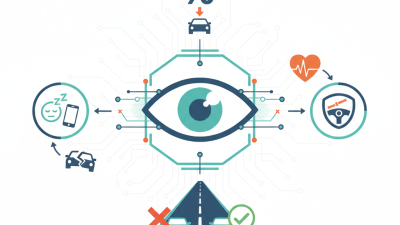
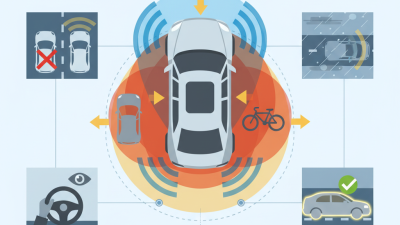
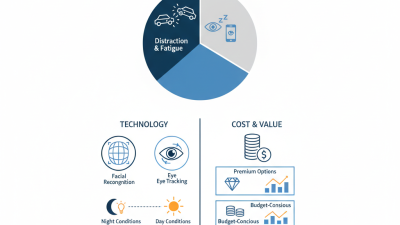
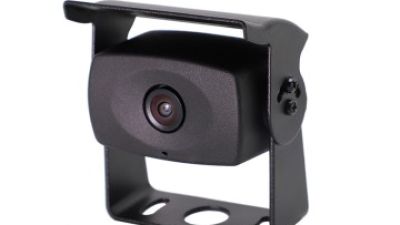
Have you heard about the Driver Inattention Monitoring System? It's actually becoming a pretty big deal in today's world of transportation. As road safety’s more important than ever, keeping an eye on whether drivers are paying attention is crucial. This system is pretty smart—it spots when someone might be getting distracted and helps keep things on track. Basically, it makes sure drivers stay alert, which can seriously cut down on accidents caused by distraction.
Now, there are quite a few perks and features that come with installing this kind of system. Companies like XYZ Tech are really leading the way—they’re coming up with cool, innovative solutions. Their tech fits right into existing vehicles without much hassle. It uses real-time data and sends alerts—like visual signals or sounds—to let drivers know if they're losing focus. These reminders really help grab attention and keep drivers aware of their surroundings.
That said, it’s not all smooth sailing. Some folks find those warnings a bit annoying or intrusive, and sometimes people just ignore them altogether. That’s a tricky part—they need better ways to engage with drivers and make the alerts feel less nagging. Companies need to get creative here if they want people to actually pay attention and not just tune out. The main idea, of course, is making driving safer for everyone. When done right, these systems could really make a difference in reducing accidents and saving lives.

Overview of ODM Wholesale Driver Inattention Monitoring Systems
Driver inattention monitoring systems are becoming essential for fleet management. These systems help ensure safety on the roads. They continuously track driver behavior, providing valuable data on alertness. For example, if a driver starts to show signs of distraction, the system can issue alerts. This feature reduces the risk of accidents significantly.
Tips: Always remind drivers to take breaks. Encourage them to stay well-rested. Fatigue can lead to inattention.
Another significant advantage is real-time feedback. With immediate alerts, drivers can correct their habits instantly. Over time, this promotes safer driving practices. Data analytics help fleets identify patterns, improving training programs for drivers. Addressing inattention is vital for long-term safety.
Tips: Implement regular training sessions. Use real data to show drivers the impact of their behavior. Regular feedback can drive positive changes.
These systems also contribute to reducing insurance costs. Safer drivers lead to fewer accidents, which can lower premiums. Implementing such technology can have a positive financial impact. However, some may find it intrusive. Balancing technology and driver comfort is essential for effectiveness.
Top ODM Wholesale Driver Inattention Monitoring System Benefits and Features
| Feature | Description | Benefits |
| Real-Time Monitoring | Continuously tracks driver attention levels to detect signs of inattention. | Enhances road safety by providing immediate feedback to the driver. |
| Alert System | Auditory and visual alerts are triggered when inattention is detected. | Helps to prevent accidents through timely interventions. |
| Data Analytics | Collects and analyzes driver behavior data over time. | Provides insights for fleet management and driver training programs. |
| Driver Behavior Reports | Regular reports summarizing driver performance and attention levels. | Facilitates accountability and encourages safer driving practices. |
| Integration Capabilities | Seamlessly integrates with existing Fleet Management Systems. | Enhances operational efficiency without significant changes to processes. |
Key Benefits of Implementing Driver Inattention Monitoring Technology
Driver inattention is a growing concern in road safety. Studies show that up to 30% of accidents are linked to distracted driving. This alarming statistic highlights the need for robust solutions. The OEM Driver Inattention Monitoring System is designed to address these issues effectively. It utilizes real-time monitoring technology to assess driver focus. If it detects signs of distraction, it alerts the driver immediately.
Implementing this technology offers various advantages. One key benefit is the potential reduction in accidents. Reports suggest that companies using such systems can lower their accident rates by up to 20%. This not only saves lives but also reduces costs related to vehicle repairs and insurance. Additionally, fleet managers can gain valuable insights. The data provided can help identify patterns and improve driver training programs.
However, not all implementations are flawless. Some drivers may feel uncomfortable under constant surveillance. This highlights a challenge in balancing safety and privacy. Organizations need to address concerns proactively. Open communication about the benefits can foster acceptance among drivers. Transparency is crucial for smooth implementation and long-term success in using these systems.
Benefits of Implementing Driver Inattention Monitoring Technology
Essential Features of Effective Driver Inattention Monitoring Systems
Driver inattention poses significant risks on the road. Effective Driver Inattention Monitoring Systems aim to minimize these dangers. They feature advanced sensors to detect when drivers lose focus. These systems often incorporate cameras and algorithms to analyze eye movements. Real-time alerts can prevent accidents before they happen.
Key features should include customizable alert thresholds. This ensures that drivers receive notifications tailored to their needs. Additionally, systems can include analytics tools. These tools help fleet managers understand driving patterns. This data is crucial for improving driver training and safety protocols.
Tips: Always opt for a system that offers easy integration with existing technology. Monitor the system's performance regularly to maintain its efficacy. Engage drivers in discussions about inattention. Their feedback can lead to more effective solutions.
Another essential aspect is user-friendliness. A complicated interface could distract the driver, negating the very purpose. Systems should also consider false positives, as frequent alerts can annoy drivers. Manufacturers of Wholesale Driver Inattention Monitoring System should aim for a balance, ensuring alerts are relevant and timely.
Integration with Existing Fleet Management Solutions
Integrating an ODM Driver Inattention Monitoring System with existing fleet management solutions can enhance safety and efficiency. Real-time data can be monitored, providing insights into driver behavior. This integration helps identify patterns of inattention. Fleet managers can receive alerts if a driver shows signs of distraction. These alerts can be crucial for preventing accidents.
The system analyzes various factors, such as eye movement and head position. With this data, fleet management solutions notify drivers when they become inattentive. Feedback is immediate and actionable. This technology not only supports driver safety but also helps in delivering better service to customers. However, the effectiveness of these systems can vary. Some drivers may become desensitized to alerts over time, reducing their effectiveness.
Compatibility with existing systems is critical. A seamless integration ensures data flows without interruption. However, there may be technical challenges. Systems need to communicate effectively to extract meaningful insights. Managers may need to invest time in training. This is necessary to ensure everyone understands how to use the system effectively. The goal is to maximize the benefits of the ODM Driver Inattention Monitoring System while minimizing any potential shortcomings.
Compliance and Regulatory Standards for Driver Monitoring Systems
Driver Monitoring systems play a vital role in ensuring safety on the road. Compliance with regulatory standards is crucial for these systems to operate effectively. Authorities around the world are setting stringent guidelines. These guidelines aim to reduce accidents caused by driver inattention.
In many regions, driver monitoring systems must meet specific technical and operational requirements. Features like real-time monitoring are essential. Systems should alert drivers when they show signs of distraction or fatigue. This allows them to regain focus quickly.
Training for drivers is important, too. They must understand how to use these systems effectively.
However, there are challenges in meeting these standards. Some systems may not detect all signs of inattention. Others could produce false alerts, leading to frustration. Continuous improvement is necessary. Manufacturers and regulators must work together to enhance the effectiveness of these systems. The goal is to create safer roads for everyone.
Real-time Data Analysis and Reporting Capabilities
In the evolving landscape of road safety, a Driver Inattention Monitoring System enhances awareness. It provides real-time data analysis to improve driving habits. This technology detects signs of inattention, ensuring timely alerts to drivers. It uses sophisticated algorithms to analyze behaviors such as yawning or abrupt head movements.
Real-time reporting capabilities offer valuable insights. Fleet operators can view detailed analytics on driver performance. This data helps identify patterns of distraction over time. Having access to such information allows for targeted training. It also encourages a culture of accountability among drivers. However, relying solely on technology can lead to complacency. Drivers must stay engaged, even with systems in place.
As a Driver Inattention Monitoring System Supplier, understanding the balance of technology and human responsibility is crucial. While systems track performance, they cannot replace vigilance. It’s essential for organizations to reflect on their reliance on these tools. Responsible driving should remain the priority, despite technological advances.
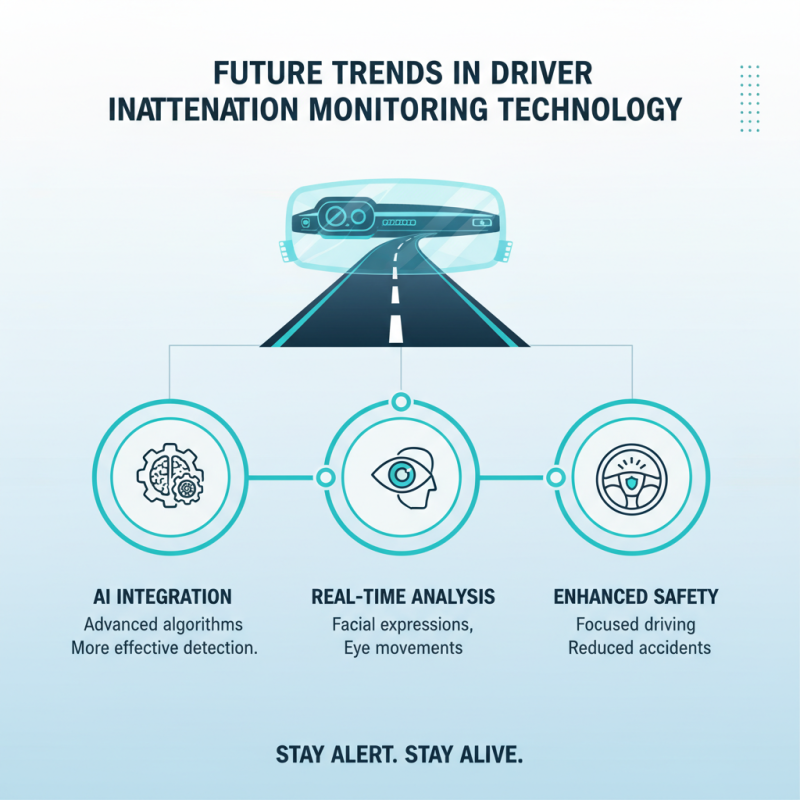
Future Trends in Driver Inattention Monitoring Technology
The future of driver inattention monitoring technology is evolving rapidly. Advanced systems are now integrating artificial intelligence to detect distractions more effectively. These systems analyze facial expressions and eye movements in real time. The goal is to ensure drivers remain focused on the road ahead.
Emerging features like real-time feedback and tailored alerts will enhance safety. This feedback could come through gentle vibrations or visual cues. With these innovations, the technology pushes towards a proactive approach. It’s about preventing accidents before they happen.
However, challenges remain. Not every driver responds equally to alerts. Some may ignore warnings, undermining the system’s effectiveness. Moreover, the balancing act between privacy and monitoring is ever-present. As technology advances, it will need to respect individual rights while prioritizing safety. This is a topic that requires thoughtful consideration.
Enhancing Security and Surveillance: Insights from the 2023 Global Video Surveillance Market Report on 4-Image Camera Monitoring Systems
In the rapidly evolving landscape of security and surveillance, the 2023 Global Video Surveillance Market Report sheds light on innovative technologies that enhance monitoring capabilities. Among these advancements, the quad-image camera monitoring system emerges as a crucial tool for both safety and efficiency, particularly in vehicular applications. This system comprises four high-definition cameras linked to a central display terminal, allowing for a comprehensive real-time view of the vehicle’s surroundings. The display terminal not only streams live footage but also plays a vital role in storing video inputs, thereby ensuring critical data is readily accessible for review.
The implementation of advanced technologies, such as H.264 video compression and decompression, streamlines the processing of video feeds while maintaining high-quality output. This results in a stable system operation under varying conditions, which is essential for effective surveillance. The quad-display feature allows users to monitor multiple angles simultaneously, enhancing situational awareness and assisting drivers during crucial maneuvers like reversing and turning. As reported in the market analysis, this kind of system is expected to see increased adoption due to its significant role in improving driver safety and operational efficacy.
Furthermore, the robustness of the quad-image monitoring system is evident in its design, which features high temperature resistance and vibration durability. These characteristics ensure consistent performance even in challenging environments. As the demand for sophisticated surveillance solutions grows, integrating such quad-image systems into fleet operations and high-traffic areas could play a pivotal role in advancing overall safety standards in various sectors. The continued evolution of these technologies will likely provide further insights into effective monitoring strategies while reinforcing the need for comprehensive security measures.
FAQS
: It is a system designed to assess driver focus and alert them if distracted.
Reports indicate it can lower accident rates by up to 20% through immediate alerts to drivers.
They can identify patterns of inattention and improve driver training programs.
Yes, some drivers may feel uncomfortable with constant monitoring, raising privacy concerns.
It allows real-time data monitoring, which helps identify driver distraction patterns.
The system looks at eye movement and head position to assess driver focus.
Innovations include AI, real-time feedback, and tailored alerts to enhance driver safety.
Some drivers might become desensitized to alerts over time, affecting their effectiveness.
Open communication about benefits can help foster acceptance and trust among drivers.
Finding a balance between privacy and safety is essential as monitoring technology advances.
Conclusion
The article provides a comprehensive overview of the benefits and features of Driver Inattention Monitoring Systems, which are becoming increasingly essential in the transportation industry. These systems help identify signs of driver distraction and fatigue, enhancing overall road safety. Key benefits of implementing such technology include reduced accident rates, improved driver performance, and increased operational efficiency.
Effective Driver Inattention Monitoring Systems come equipped with essential features like real-time data analysis, integrated reporting capabilities, and compatibility with existing fleet management solutions. Compliance with regulatory standards is also highlighted as crucial for ensuring these systems meet safety requirements. Additionally, the article discusses future trends in the technology, indicating a continuous evolution aimed at enhancing driver awareness and safety on the roads.

 Front & Rear Parking Assist
 Automatic Parking Assist
 Wade Sensor System
 79GHz Kick Step-on Open System
 79GHz Door Open Warning System
 77GHz Blind Spot Detection
 77GHz Long Range Detection
 60GHz Child Presence Detection
 360 Panoramic Camera
 Driver Fatigue Monitoring System
 Dash Camera
 ADAS Camera
 Streaming Rearview Mirror
 Self Cleaning Camera
 Car Radio
 Infotainment System
 Wireless Charger
 Ultrasonic Sensors System
 4-Image Camera Monitoring System
 Driver Fatigue Monitoring System
 77GHz Blind Spot Detection
 ADAS Camera
 Camera Monitoring System