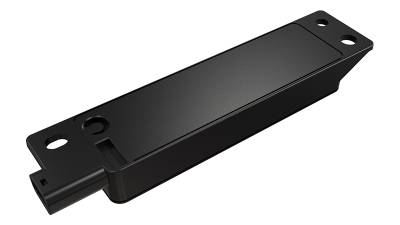
Front & Rear Parking Assist
 Automatic Parking Assist
 Wade Sensor System
 79GHz Kick Step-on Open System
 79GHz Door Open Warning System
 77GHz Blind Spot Detection
 77GHz Long Range Detection
 60GHz Child Presence Detection
 360 Panoramic Camera
 Driver Fatigue Monitoring System
 Dash Camera
 ADAS Camera
 Streaming Rearview Mirror
 Self Cleaning Camera
 Car Radio
 Infotainment System
 Wireless Charger
 Ultrasonic Sensors System
 4-Image Camera Monitoring System
 Driver Fatigue Monitoring System
 77GHz Blind Spot Detection
 ADAS Camera
 Camera Monitoring System
Leave Your Message
Hey there! So, you know those Driver Fatigue Warning Systems (DFWS)? They’re becoming super important for keeping our roads safe. I mean, can you believe it? Around 20% of car crashes involve tired drivers, according to the folks at the NHTSA. It’s really a big deal. As the car industry keeps changing and innovating, there are some cool new alternatives to the old-school DFWS popping up. These new systems are designed to keep a better eye on how alert drivers are, which could really help with their response times.

At Zhuhai Shangfu Electronic Technology Co., Ltd., we’re all about making automotive safety gear. We work on everything from advanced Driver Fatigue Warning Systemsto Parking Sensors, camera monitoring systems, and even microwave radar tech. Plus, we partner with both local and global OEMs, which lets us create solutions that fit all sorts of customer needs.Safety is really our top priority in the automotive tech world. As we dive into some of the best strategies for ramping up DFWS, we’re eager to play a part in creating a future where keeping drivers alert is a big focus. That way, we can hopefully cut down on those annoying fatigue-related accidents on the roads.
You know, those driver fatigue warning systems we see in so many cars today? They’re meant to keep us safe by giving us a heads-up when they sense we’re getting drowsy. But here's the thing: they generally use pretty basic monitoring methods, like facial recognition and even how we hold the steering wheel. The problem with that is, they don't always get it right. A driver might be showing signs of fatigue, but if the sensors don’t pick it up, no alarm goes off. That could lead to some pretty risky situations, right?
And don’t even get me started on how these systems treat everyone the same. They really don’t take into account that everyone drives differently and reacts to tiredness in their own way. Think about it – your personality, how much you've been driving lately, even the weather can all affect how tired you are. But most of these traditional systems don’t consider any of that, which means some drivers might miss getting a crucial warning, while others could be blasted with alerts they don’t need. It's a bit frustrating and could even make people lose trust in this tech. So, if we really want to make our roads safer, we should definitely look into smarter alternatives that understand driver behavior and fatigue better, using advanced algorithms and real-time data to give more precise and personalized warnings.
In today’s fast-paced environment, ensuring safety and awareness is more critical than ever, especially when it comes to managing access points in various spaces. The introduction of the 79GHz door open warning system exemplifies innovative solutions designed to enhance safety and awareness. With a detection range resolution of less than 0.06 meters and an accuracy of less than 1 cm, this system stands out in its ability to detect potential hazards efficiently, providing peace of mind for users. The maximum blind area of just 0.1 meters further minimizes any risk of oversight, making it an ideal choice for both residential and commercial applications.
Moreover, the system boasts a rapid target update rate of 50ms, ensuring that any potential intrusion is identified almost instantaneously. The robustness of this technology is underscored by its compliance with stringent IP6K7 and IP6K9 ratings, which guarantee that the system is waterproof and dustproof, making it suitable for diverse environments. According to industry reports, implementing advanced warning systems can reduce accident rates by as much as 30%, showcasing the significant impact of such innovations on overall safety.
An additional advantage of the 79GHz system is its ease of installation. With no need for calibration, it can be seamlessly integrated into existing infrastructure, allowing businesses to adopt safety measures without extensive downtime or resource allocation. Complying with ISO11898 and J1939 standards, this system not only meets industry expectations but also sets a new benchmark for safety technologies. By prioritizing safety and awareness with such advanced methodologies, organizations can foster a secure environment for all individuals.
: Driver fatigue significantly increases the risk of car accidents, as many motorists underestimate its dangers, especially during high-traffic periods like holidays.
Truck drivers often face irregular schedules and long hours, which can severely compromise their alertness and response times, making them more vulnerable to fatigue-related accidents.
Effective fatigue warning systems include those that use physiological monitoring, such as heart rate and eye movement tracking, which can provide timely alerts for drowsiness.
Behavioral indicators assess fatigue based on driving patterns like steering and lane departure, which are less precise than physiological monitoring but can still provide valuable insights into driver alertness.
Research into wearable devices and in-vehicle sensors that monitor physiological indicators is underway, aiming to provide more personalized solutions for fatigue management.
Drivers should incorporate regular breaks into long trips to reduce fatigue and improve overall performance when getting back on the road.
Machine learning algorithms can analyze driving behaviors and send alerts to drivers when they show signs of fatigue, serving as a proactive measure to prevent accidents.
Developing effective fatigue warning systems is crucial for enhancing road safety by addressing the dangers posed by drowsy driving and its prevalence among motorists.
Ongoing research is focused on enhancing monitoring systems and technologies that provide real-time feedback to prevent driver fatigue and related accidents.
Apps that track driving behavior can identify patterns of fatigue, prompting drivers to take necessary precautions before fatigue becomes a serious issue.