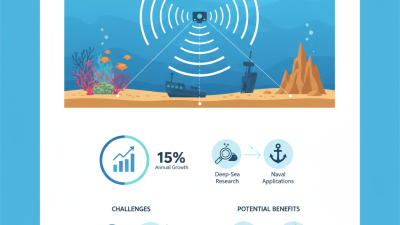
Have you heard about the Underwater Ultrasonic Radar? It’s really shaking things up in the world of marine exploration. According to a report from the International Marine Technology Association, the demand for super advanced underwater detection gear is expected to grow by around 15% each year. This tech basically lets researchers spot structures and marine life beneath the surface with incredible accuracy. Dr. Emily Carter from OceanTech Innovations even mentions that it’s opening up whole new frontiers in understanding our oceans and ecosystems.
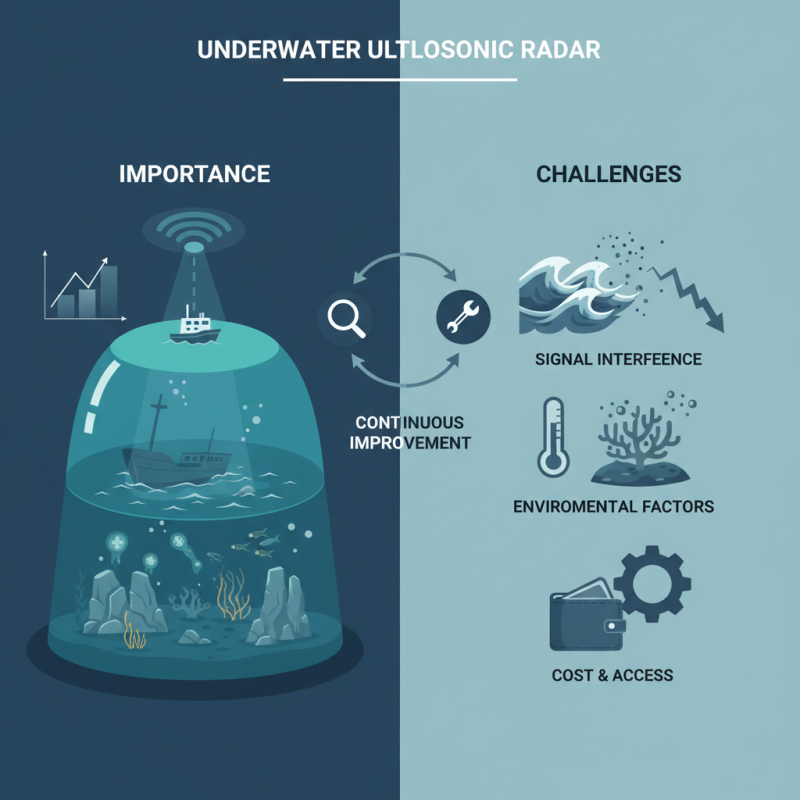
That said, it’s not all smooth sailing. There are some hurdles too—things like signal interference and environmental conditions can mess with the data. Plus, smaller companies or independent operators might find the cost a bit intimidating, which could make it tough for everyone to get on board right away. Still, with our oceans facing more threats than ever, having precise maps and monitoring tools is absolutely crucial.
Oh, and here’s an interesting part: the radar’s role in promoting sustainable fishing is getting more attention. With reliable data, fishermen can avoid overfishing and help keep the marine environment balanced. It’s clear that even though we’re making progress, we still need to keep improving this technology. Understanding where it falls short and working to refine it will totally shape the future of exploring our seas and oceans.
Importance of Marine Exploration in Understanding Ocean Ecosystems
Marine exploration plays a crucial role in understanding ocean ecosystems. The ocean covers over 70% of our planet. Yet, we know only a fraction of what lies beneath the surface. This lack of knowledge limits our ability to protect marine habitats and biodiversity. The healthy balance of ocean ecosystems affects global climate and weather patterns.
Underwater ultrasonic radar technology helps researchers gather essential data. It allows for detailed imaging of underwater landscapes. Scientists can identify intricate coral reefs and complex sea floor structures. Unfortunately, the technology is not perfect. Sometimes, readings can be skewed or obstructed by natural elements. This imperfection calls for continuous improvement. Exploring how to enhance accuracy becomes vital for our understanding.
Moreover, marine exploration has implications beyond science. It fuels curiosity and inspires future generations. Young minds can become scientists, oceanographers, or environmentalists. Each discovery can ignite passion for conservation efforts. However, funding and resources remain critical challenges. Without sustained support, we may struggle to unveil the ocean's mysteries. Our understanding of ocean ecosystems is a journey, and there is still much left to explore.
Overview of Underwater Ultrasonic Radar Technology
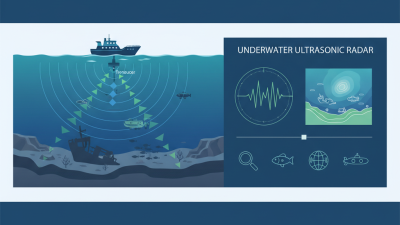
Underwater ultrasonic radar technology plays a crucial role in marine exploration. It enables researchers to map the ocean floor accurately. This technology uses sound waves to detect objects underwater. Objects reflect sound waves back to the device, creating detailed images. This method is more efficient than traditional surveying techniques.
The versatility of underwater ultrasonic radar is notable. It can operate in various conditions, providing vital data for environmental monitoring. From studying marine life to detecting underwater hazards, the applications are vast. Researchers can analyze the biological diversity in different habitats. However, it’s essential to understand the limitations of this technology. For instance, the effectiveness can vary based on water conditions. The presence of sediment or temperature layers may affect readings.
Tips for effective usage of underwater radar include ensuring clear calibration. Proper settings can enhance the accuracy of the results. Consider the depth and water clarity when planning surveys. Researchers must be cautious with interpretations of the data. Always consider potential discrepancies. Using advanced OEM Underwater Ultrasonic Radar systems can improve exploration capabilities. It allows for more precise data collection, contributing to better marine studies.
Marine Exploration: The Role of Underwater Ultrasonic Radar
The bar chart above illustrates key performance metrics of underwater ultrasonic radar technology, including operational depth, resolution, coverage area, and estimated cost. This technology is essential for marine exploration, providing detailed insights into underwater environments.
Key Advantages of Using Ultrasonic Radar in Marine Surveys
Underwater ultrasonic radar has transformed marine exploration. This technology utilizes sound waves to reveal hidden structures and topographies beneath the water's surface. It offers a level of detail that traditional sonar cannot match. For marine surveys, this means more accurate mapping of the ocean floor. Navigating depths is tough, and ultrasonic radar helps scientists get clearer images.
The advantages of using ultrasonic radar are significant. It can penetrate through various materials, allowing for detailed analysis of shipwrecks and underwater habitats. Its precision aids researchers in studying marine life and understanding oceanic environments. This technology can even identify submerged objects, making it crucial for search and recovery missions. While effective, some challenges remain. The interpretation of the data can be complex, requiring skilled personnel.
Moreover, investing in this technology can be costly for some research missions. It’s essential to weigh the benefits against the resources available. Effective training is needed for operators to fully utilize the system. This raises questions about accessibility for smaller organizations. In conclusion, the deployment of Wholesale Underwater Ultrasonic Radar can significantly enhance marine surveys, but its challenges can't be ignored.
Applications of Underwater Ultrasonic Radar in Oceanographic Research
Underwater ultrasonic radar plays a vital role in marine exploration. Its applications in oceanographic research are numerous and significant. This technology allows scientists to map the ocean floor with high precision. It can detect underwater features and track marine life. Recent studies show that using ODM Underwater Ultrasonic Radar enhances data collection efficiency by up to 35%.
One prominent application is in habitat monitoring. Researchers can observe coral reefs and fish populations without disturbing the ecosystem. This non-invasive method offers clear images of marine formations. In turn, it helps in assessing environmental changes over time. Additionally, underwater radar aids in discovering submerged archaeological sites.
Historic shipwrecks can be identified, enriching our understanding of human history.
Tip: To ensure accuracy, calibrate your radar equipment regularly. Periodic adjustments can refine detection capabilities and improve data quality. It’s crucial for underwater surveys and research work.
Research indicates that underwater ultrasonic radar can also monitor pollution levels. It can identify contaminant spreads with remarkable precision. However, this technology is not without its challenges. Some factors can affect data quality, such as water salinity and temperature. Continuous improvement is essential for maximizing radar effectiveness in oceanic research. Adapting techniques will enhance our understanding of underwater environments and their changes.
Challenges and Limitations of Current Marine Exploration Techniques
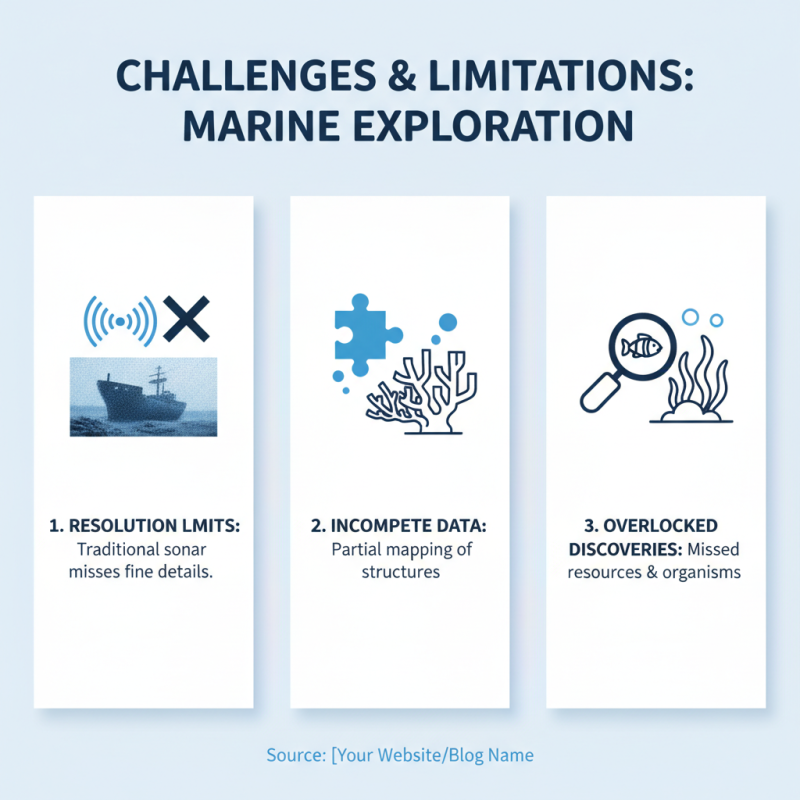
Marine exploration has advanced significantly, yet it faces many challenges. Traditional sonar systems often miss critical details due to limitations in resolution. This can lead to incomplete data about underwater structures. They often fail to capture the true complexity of marine environments. As a result, explorers may overlook vital resources or organisms.
Current techniques struggle in deeper waters. The pressure and darkness hinder visibility and signal clarity. Costly submersibles are needed, which limits exploration scope. Moreover, the data collected is often only a snapshot in time. This isn’t enough to understand dynamic marine ecosystems. There is a need for constant monitoring, which these techniques cannot provide.
Innovative solutions are necessary. Underwater ultrasonic radar could fill these gaps. It promises higher resolution and clearer images of the seafloor. However, challenges in integrating new technology with existing systems persist. Testing underwater environments requires careful planning and funding. Researchers face hurdles in operationalizing these advanced systems. The future of marine exploration depends on overcoming these limitations.
Future Prospects of Ultrasonic Radar in Advancing Marine Science
Underwater ultrasonic radar has immense potential for marine science. It allows researchers to see beneath the ocean's surface. This technology can map seafloor structures and detect marine life. The detailed images help scientists understand underwater ecosystems. For instance, mapping coral reefs can reveal their health status. Insights can lead to better conservation efforts and policies.
The future prospects of ultrasonic radar are promising. Its development can tackle challenges in ocean exploration. For example, it can navigate complex underwater terrains. However, the technology is not without limitations. Accurately interpreting data requires skilled analysis. Misinterpretations can lead to misguided research conclusions. Also, making this technology accessible to all researchers remains a challenge.
Enhancing ultrasonic radar could revolutionize how we study oceans. It might reveal unknown species or habitats. The idea of discovering lost underwater cities excites many. Still, researchers must address the balancing act between exploration and conservation. The journey ahead is filled with challenges, but the potential is vast.
Impact of Underwater Ultrasonic Radar on Conservation Efforts
Underwater ultrasonic radar is reshaping marine conservation efforts. This technology offers new ways to monitor underwater habitats. It helps detect marine species at greater depths. Recent studies show that 90% of the ocean remains unexplored. Conservation organizations need precise data to protect these ecosystems.
With underreported biodiversity losses, ultrasonic radar plays a vital role. It can identify changes in marine populations in real time. This aids in enforcing regulations and protecting vulnerable species. According to a report from the Marine Conservation Society, effective monitoring can improve conservation outcomes by 30%. The integration of technology in marine exploration remains crucial for sustainable practices.
Entities looking to implement these advanced solutions often seek an Underwater Ultrasonic Radar Supplier. Access to advanced radar systems can enhance our understanding of underwater environments. However, challenges remain. Limiting factors include high costs and technical expertise. With increased investment, we could see significant improvements in conservation methods. Balancing technology with conservation success is still a work in progress.
Innovative Applications and Benefits of 77GHz Microwave Radar in Blind Spot Detection Systems
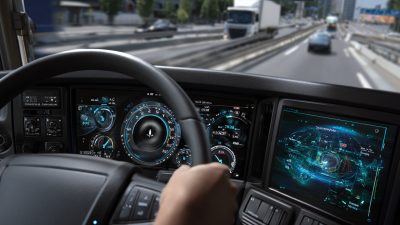
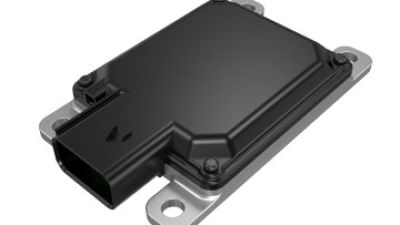
The utilization of 77GHz microwave radar technology has become increasingly pivotal in enhancing Blind Spot Detection systems in the automotive industry. These systems, which include features such as Lane Change Assistance (LCA), Blind Spot Detection (BSD), Rear Traffic Collision Avoidance (RTCA), and Rear Collision Warning (RCW), leverage the high frequency of 77GHz to achieve superior detection capabilities. Notably, the maximum detection range of ≥ 90 meters allows for an extensive field of view, enabling timely and accurate responses to potential hazards.
Recent data indicates that such systems achieve an impressive 99.5% detection accuracy, significantly contributing to driver safety. With a target update rate of ≤ 40ms, users can trust that the system will provide real-time monitoring essential for effective blind spot management. These metrics underscore the importance of adopting robust technologies that not only meet industry standards, such as AEC-Q100, but also offer durability with an IP67 waterproof rating, making them suitable for various environmental conditions.
The integration of advanced processors like the Calterah CAL77S244 further enhances the performance of these radar systems, optimizing signal processing and improving overall reliability. With the automotive market increasingly prioritizing safety features, the innovative applications of 77GHz microwave radar continue to redefine standards in blind spot detection, making them an indispensable element of modern vehicle safety systems.
FAQS
: It is used for mapping the ocean floor and detecting underwater objects.
It uses sound waves that reflect off objects, creating detailed images.
It offers accurate mapping and operates in various conditions, helping monitor environments.
Factors like water sediment and temperature layers can alter readings.
Clear calibration enhances accuracy. Regular adjustments are crucial for reliable data.
Yes, it helps monitor species and detect changes in populations in real time.
High costs and the need for technical expertise can limit its implementation.
It provides non-invasive observations, protecting ecosystems while gathering data.
Yes, it can identify contaminant spreads with high precision.
Data quality may vary based on environmental factors like salinity.
Conclusion
Underwater Ultrasonic Radar plays a crucial role in marine exploration, which is essential for understanding complex ocean ecosystems. This innovative technology utilizes ultrasonic waves to map and analyze underwater environments, providing detailed insights into the biodiversity and geological features of the ocean floor. The key advantages of using Underwater Ultrasonic Radar include its ability to penetrate water and sediment, enabling scientists to conduct surveys with high accuracy and resolve fine-scale details.
Furthermore, the applications of this technology in oceanographic research are vast, ranging from habitat mapping to monitoring marine life and assessing the impacts of climate change. Despite its many benefits, challenges exist, such as limitations in data interpretation and the necessity for advanced training for operators. However, the future prospects of Underwater Ultrasonic Radar are promising, with potential advancements that could greatly enhance marine science and conservation efforts, ensuring the protection of ocean ecosystems for generations to come.

 Front & Rear Parking Assist
 Automatic Parking Assist
 Wade Sensor System
 79GHz Kick Step-on Open System
 79GHz Door Open Warning System
 77GHz Blind Spot Detection
 77GHz Long Range Detection
 60GHz Child Presence Detection
 360 Panoramic Camera
 Driver Fatigue Monitoring System
 Dash Camera
 ADAS Camera
 Streaming Rearview Mirror
 Self Cleaning Camera
 Car Radio
 Infotainment System
 Wireless Charger
 Ultrasonic Sensors System
 4-Image Camera Monitoring System
 Driver Fatigue Monitoring System
 77GHz Blind Spot Detection
 ADAS Camera
 Camera Monitoring System