Front & Rear Parking Assist
 Automatic Parking Assist
 Wade Sensor System
 79GHz Kick Step-on Open System
 79GHz Door Open Warning System
 77GHz Blind Spot Detection
 77GHz Long Range Detection
 60GHz Child Presence Detection
 360 Panoramic Camera
 Driver Fatigue Monitoring System
 Dash Camera
 ADAS Camera
 Streaming Rearview Mirror
 Self Cleaning Camera
 Car Radio
 Infotainment System
 Wireless Charger
 Ultrasonic Sensors System
 4-Image Camera Monitoring System
 Driver Fatigue Monitoring System
 77GHz Blind Spot Detection
 ADAS Camera
 Camera Monitoring System
Leave Your Message
You know, in the transportation biz, driver fatigue is still a pretty big deal. The National Highway Traffic Safety Administration reports that drowsy driving leads to around 100,000 crashes every year in the U.S. That’s a shocking number, really drives home just how important good safety tech is. A solid Driver Fatigue Warning System can make a real difference—it’s a key tool in keeping roads safer and cutting down on accidents.
And speaking of experts, Dr. Emily Carter, who’s pretty much a go-to in transportation safety, says, “Introducing an advanced Driver Fatigue Warning System could be a total game-changer for fleet managers.” Her insights match what many in the industry believe—that these systems boost driver awareness and help them respond quicker when they start to get sleepy. The cool thing is, today’s systems are customizable, offering real-time monitoring and alerts, so drivers can be reminded when they’re pushing it too far.
Picking the right ODM wholesale supplier for these systems? Totally important. There are loads of options out there, but not everyone delivers the same level of reliability or effectiveness. It’s smart to look into their tech, how user-friendly their systems are, and what kind of support they provide. Spending a little more on a quality system could really save lives—and your business—down the line.
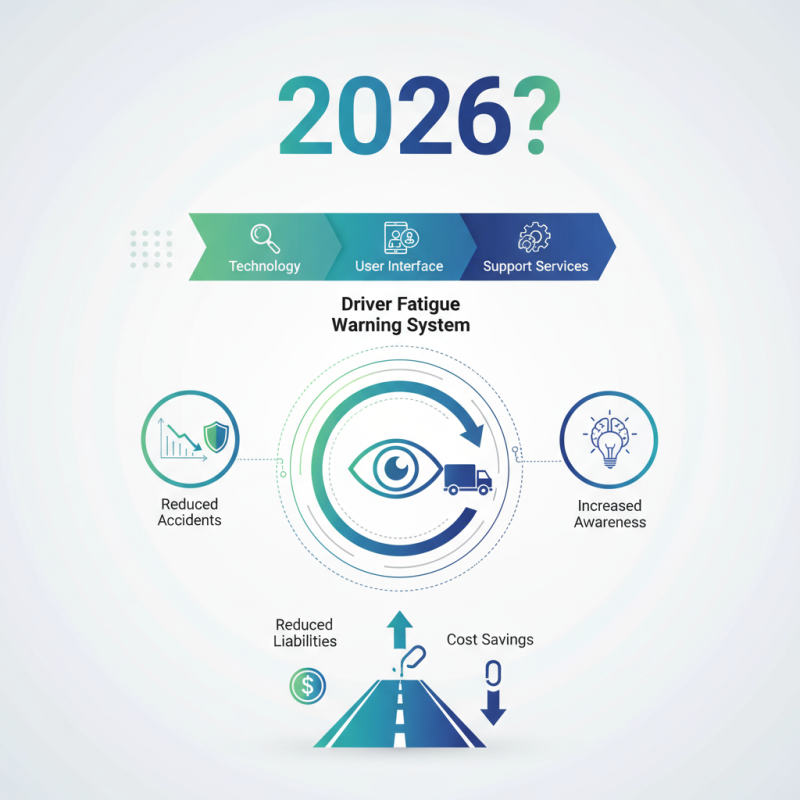
In 2026, driver fatigue remains a critical issue on the roads. Research shows that drowsy driving accounts for a significant percentage of traffic accidents each year. Understanding how to manage this is essential for fleet operators and personal vehicle owners alike. Driver fatigue warning systems can help alert drivers when they are becoming sleepy or distracted, potentially preventing many accidents.
These systems utilize various technologies to track driver behavior. Some rely on eye movement and facial recognition, while others monitor steering patterns. It is important to choose an ODM system that offers reliable, real-time alerts. Drivers need systems that are easy to use but also effective. Convenience is key, yet effectiveness cannot be sacrificed.
Investing in a well-designed fatigue warning system may seem expensive at first. However, the potential for increased safety and reduced accident rates is invaluable. Reflecting on this, one must consider how these systems can fit into their specific needs. Each vehicle and driver is unique, and solutions should be tailored accordingly. The right system enhances awareness and encourages a proactive approach to safety.
When considering a 4-image camera monitoring system for your security needs, understanding how these systems function is essential. A typical quad-image monitoring system consists of four cameras linked to a display terminal. This configuration allows for simultaneous monitoring of various areas, making it an ideal choice for both home and commercial security. The display terminal not only showcases the four video inputs but also incorporates storage capabilities, ensuring you have access to recorded footage for review when necessary.
One of the standout features of this system is its ability to switch between video screens based on the steering and reversing signals. This functionality enhances safety for drivers, particularly during maneuvers like reversing and turning. Implementing such a system provides critical auxiliary support, reducing blind spots and improving situational awareness. Additionally, the technology behind these systems utilizes an embedded processor coupled with the latest H.264 video compression and decompression technology, ensuring that video quality is both high and efficient.
Furthermore, the design of these systems is both practical and resilient. With a sleek appearance that doesn’t compromise on durability, these units can withstand high temperatures and vibrations, ensuring stable operation even in challenging environments. This combination of powerful functionality and robust design makes a 4-image camera monitoring system a valuable asset for anyone looking to bolster their security infrastructure.
: Fleet managers should compare installation, maintenance costs, and data analysis capabilities. A tailored solution is crucial for better results.
Monitoring driver behavior improves safety and enhances productivity, helping to minimize accidents and associated costs.
Robust data analysis helps identify trends and tailor training programs, making it crucial for effective fleet management.
New regulations will require stricter performance criteria, improving sensor technology and real-time data analysis on driver fatigue.
They must choose systems that effectively detect fatigue and communicate alerts to drivers quickly and transparently.
Manufacturers must adapt technology for various regulatory environments and diverse driving conditions, adding complexity to compliance.
Engaging drivers provides valuable feedback, helping to refine the system and improve its real-world effectiveness.
By setting clear success metrics and reviewing system performance regularly, managers can assess effectiveness more accurately.
Users often report a disconnect between alerts and actual fatigue levels, guiding necessary improvements in technology design.
Some systems lack real-time data-sharing capabilities, potentially limiting their effectiveness in managing driver fatigue.
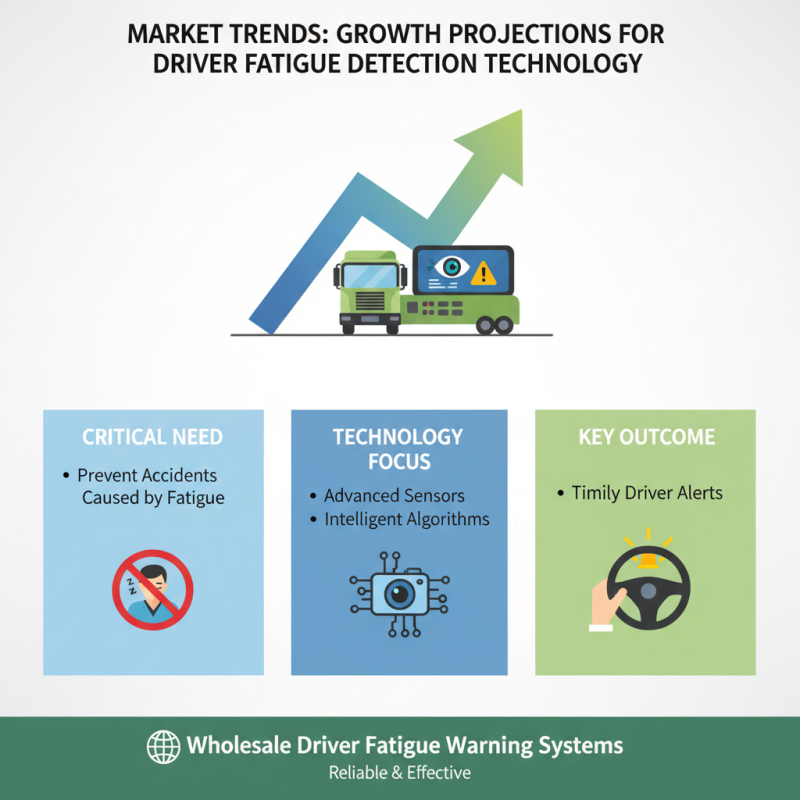
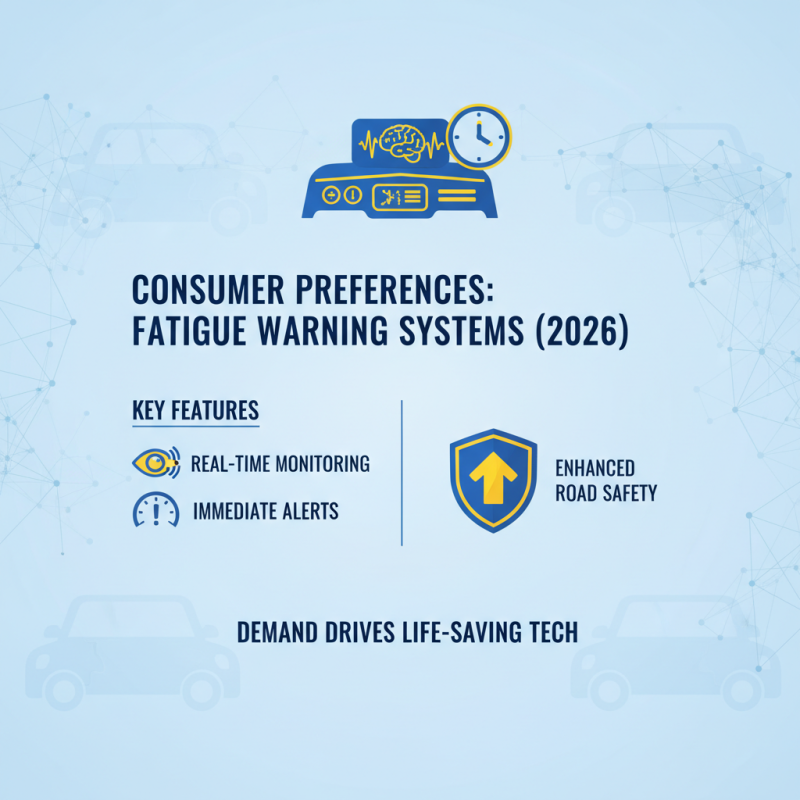
In 2026, the significance of Driver Fatigue Warning Systems is increasingly recognized within the transportation sector, primarily due to rising safety concerns and technological advancements. A comprehensive understanding of these systems includes key features such as real-time monitoring and alert mechanisms, which are essential for effective fatigue detection. The market is projected to grow significantly, driven by consumer preferences that favor advanced safety solutions and the regulatory standards mandating such technologies for fleet management.
Evaluating the cost-effectiveness of ODM wholesale solutions is crucial for fleet managers seeking to enhance operational safety without exceeding budgets. Furthermore, a comparative analysis of top ODM manufacturers reveals varied offerings in fatigue warning technology, ensuring that fleet operators can make informed decisions to safeguard their drivers and improve overall efficiency. As we move forward, the integration of Driver Fatigue Warning Systems will play a pivotal role in promoting safer driving practices and reducing road incidents related to driver fatigue.