Leave Your Message
0%

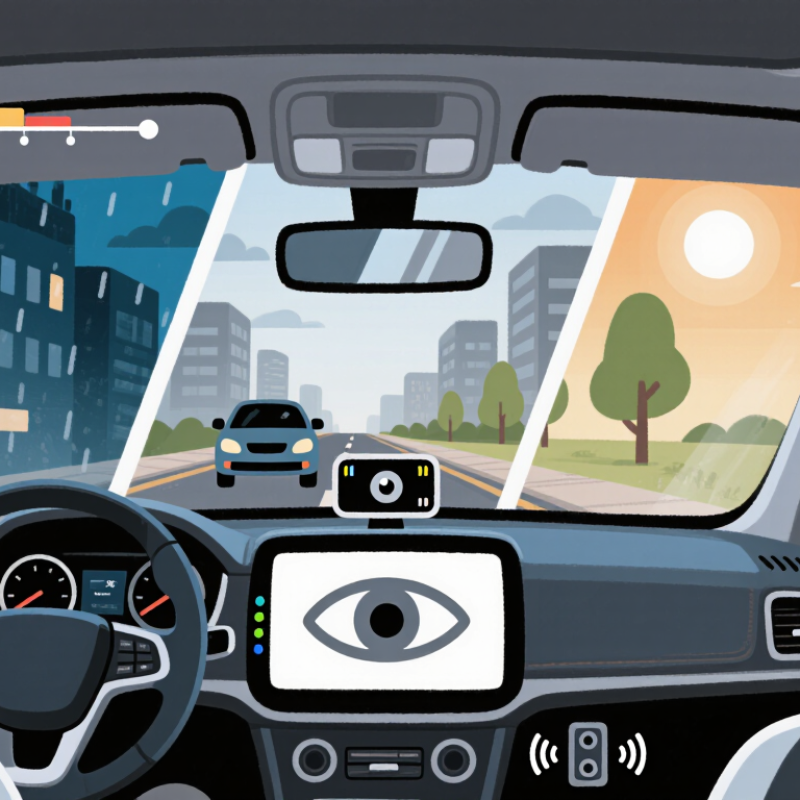
Picking a Driver Drowsiness Detection system isn't just a box-ticking spec exercise. It's a safety call made in moving vehicles, on roads that keep changing, and in those tired human moments when everything feels a little heavier. A camera might watch eyelids, head position, gaze direction, and long blinks. But performance can shift at night, in rain, or when drivers are wearing sunglasses.

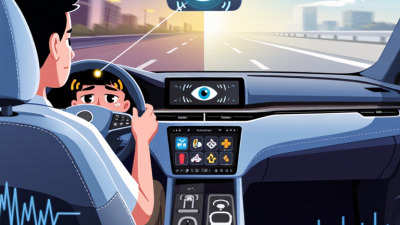
Dr. Mark Rosekind, former Administrator of the National Highway Traffic Safety Administration, once said, “Drowsy driving is impaired driving.” That line should stay with you through every purchasing decision. A reliable system has to spot risk early, without turning into a distracting parade of false alarms. Audible warnings should be clear. Seat vibration can help in noisy cabins. And the interface? It needs to make sense at 2 a.m., when attention is already running on fumes.

This guide digs into the practical details behind a trustworthy Driver Drowsiness Detection solution. We'll look at camera placement, infrared capability, edge processing, calibration, alert timing, and fleet-management integration. We'll also touch on how vendors like Seeing Machines and Smart Eye validate their systems across different drivers and conditions. Ask for real testing evidence, not just polished demos. Request results from night shifts, uneven roads, glasses, masks, and changing cabin light.

No system is perfect.

And honestly, that matters. A sensor can miss a warning. A driver can ignore one. So selection should include human training, maintenance procedures, and clear escalation practices. Data handling deserves careful attention too, especially when video or biometric signals are stored. The strongest choice balances detection accuracy, usability, reliability, and responsible deployment. It should support drivers, not treat them like machine parts. Mistakes happen. A serious evaluation plans for them.

How to Choose a Driver Drowsiness Detection System?

Understanding Driver Drowsiness Detection Systems

Understanding Driver Drowsiness Detection Systems

A driver drowsiness detection system monitors signs of reduced alertness. It may use an inward-facing camera, steering patterns, lane movement, or driving duration. Some systems track blinking, long eye closure, yawning, and head position. Others study small steering corrections over time. These signals are compared with normal driving behavior. The system then provides a visual, audible, or seat-based warning.

The best system is not always the one with the most sensors. Accuracy depends on camera placement, lighting, road conditions, and calibration. Sunglasses, masks, road vibration, and poor night visibility can affect performance. A practical evaluation should test alerts on real routes, not only in a showroom. Check whether warnings arrive early enough without becoming distracting. Review data handling, maintenance needs, and failure notifications carefully.

No system detects every tired driver. That matters. In my experience, repeated false alerts can make people ignore genuine warnings. A driver may also appear attentive while struggling with fatigue. For this reason, detection should support human judgment rather than replace it. Clear alerts, simple controls, and regular calibration improve trust. Operators should record unusual events and examine patterns over time. The system may need improvement. That is normal. Reliable safety technology depends on honest testing, documented limits, and continued review.

Identifying the Main Causes of Driver Fatigue

How to Choose a Driver Drowsiness Detection System?

Identifying the Main Causes of Driver Fatigue

Driver fatigue rarely begins with a dramatic yawn. It often starts with slower eye movements, missed signs, and repeated lane corrections. The AAA Foundation for Traffic Safety estimated that drowsy driving caused 328,000 crashes annually in the United States. Its report also linked these crashes to approximately 109,000 injuries and 6,400 deaths each year.

Sleep loss remains a central cause. Long shifts, early departures, overnight driving, and irregular schedules can reduce alertness quickly. The National Sleep Foundation reports that adults generally need seven to nine hours of sleep. However, many commercial and private drivers operate below that level. Circadian rhythm also matters. Alertness commonly drops during the early morning and mid-afternoon.

Medical conditions can complicate the picture. Untreated sleep apnea may produce repeated breathing interruptions and severe daytime fatigue. Some prescription medicines can also cause drowsiness. A Driver Drowsiness Detection System should therefore monitor several signals, including eyelid closure, head position, steering behavior, and lane stability. One signal is not enough.

Look for systems tested in night driving, glare, rain, and glasses use. Ask for independent validation data, not only laboratory demonstrations. The system should provide clear alerts without creating distraction. It should also protect recorded driver data.

No dashboard reads every human state perfectly. That limitation deserves honest attention. A warning can arrive late, especially after prolonged fatigue or poor camera visibility. Technology helps identify risk, but sleep, scheduling, and medical care still shape the real outcome.

How to Choose a Driver Drowsiness Detection System? - Identifying the Main Causes of Driver Fatigue

The most effective systems combine behavioral, vehicle-based, and physiological signals rather than relying on a single indicator.
Main Cause of Fatigue Typical Mechanism Observable Driver or Vehicle Indicators Useful Detection Inputs Detection Strength Important Limitations System Selection Guidance
Insufficient sleep Reduced alertness, slower information processing, and increased microsleep risk after inadequate or fragmented sleep. Longer eye closures, frequent yawning, delayed responses, head nodding, and inconsistent lane position. Infrared cabin camera, eyelid-state analysis, head-pose tracking, steering data, and lane-position data. High when signals are combined Camera performance can decline with sunglasses, masks, poor lighting, or an obstructed face. Choose a system that monitors eyelid closure and head pose continuously and provides graded warnings before a critical event.
Extended time awake Alertness declines as wakefulness continues, especially during overnight or early-morning driving. Progressively longer reaction times, more variable speed, lane weaving, and repeated corrective steering. Driver-facing camera, steering-wheel behavior, speed consistency, lane tracking, and trip-duration data. Medium to high Trip duration alone cannot establish drowsiness because individual sleep needs and schedules differ. Prefer systems that combine time-based risk context with real-time behavioral evidence.
Circadian low point The biological clock naturally promotes sleepiness during the overnight period and in the afternoon. Increased blinking irregularity, reduced visual scanning, slower responses, and more frequent lane deviations. Time of day, eyelid behavior, gaze direction, lane tracking, and steering corrections. High as a risk multiplier Time-of-day information indicates risk but does not prove that a specific driver is drowsy. Select configurable risk models that use time of day as supporting context, not as the sole trigger.
Long, monotonous driving Low workload and repetitive scenery reduce stimulation and can accelerate loss of alertness. Reduced gaze movement, prolonged fixed gaze, delayed steering corrections, and gradual lane drift. Gaze tracking, lane departure detection, steering entropy, vehicle speed variation, and route context. Medium to high Normal highway driving can resemble fatigue if the system is overly sensitive to stable steering patterns. Look for adaptive algorithms that establish a driver-specific baseline and reduce nuisance alerts.
Sleep disorders Conditions such as obstructive sleep apnea may cause fragmented sleep and excessive daytime sleepiness. Repeated eyelid closures, frequent yawning, head nodding, and recurring fatigue patterns across trips. Infrared camera, longitudinal event history, optional wearable data, and driver self-reporting. Medium A vehicle system cannot diagnose a medical condition; repeated alerts require appropriate medical evaluation. Choose systems with secure trend reporting and clear procedures for escalation without making medical claims.
Alcohol, sedating medication, or other impairing substances Impairment can reduce vigilance, coordination, judgment, and reaction speed; some medications also cause drowsiness. Poor lane control, delayed responses, unusual steering, abnormal gaze, and inconsistent vehicle operation. Driver camera, lane and steering analysis, vehicle-control data, and legally compliant impairment screening where applicable. Medium; cause-specific confirmation is limited Drowsiness detection generally cannot identify the exact cause of impairment or replace approved testing. Use fatigue alerts as a safety intervention only and define separate legal and operational procedures for impairment.
Heat, poor ventilation, or dehydration Thermal discomfort and dehydration can contribute to tiredness, reduced concentration, and slower responses. More frequent yawning, reduced attention, slower control inputs, and declining driving consistency. Cabin temperature, humidity, driver camera, steering behavior, and vehicle trajectory. Medium as contextual evidence Environmental data can suggest a contributing factor but cannot directly measure alertness. Choose systems capable of integrating cabin conditions with driver-state and vehicle-behavior signals.
Stress, illness, or cognitive overload Physical discomfort, illness, mental strain, or excessive workload can reduce sustained attention and decision quality. Erratic gaze, delayed responses, abrupt control inputs, missed visual cues, and inconsistent lane position. Gaze and head pose, lane position, steering and pedal inputs, workload context, and optional physiological sensors. Medium The same behavior may result from distraction, fatigue, illness, or road conditions; classification is not always definitive. Prioritize systems that report reduced attention or elevated risk without asserting an unverified cause.
Key selection criteria: reliable low-light performance, tolerance of glasses and facial coverings, real-time processing, adjustable alert levels, driver privacy controls, event logging, fleet integration, low false-alert rates, and validation under the intended road and weather conditions.

Comparing Available Detection Technologies

How to Choose a Driver Drowsiness Detection System?

Comparing Available Detection Technologies

Drowsy driving deserves measurable attention. The NHTSA recorded 693 fatalities involving drowsy driving in 2022. The AAA Foundation estimated that fatigue contributed to 8.8%–9.5% of police-reported crashes. These figures may still underestimate the problem, because fatigue is difficult to confirm after a collision.

Camera-based systems monitor eyelid closure, yawning, gaze, and head position. They provide direct behavioral evidence. Real Time Driver Drowsiness Detection can respond quickly when cameras use infrared support and local processing. However, sunglasses, poor lighting, and camera placement can create blind spots. Vehicle-based systems study lane drift, steering corrections, speed changes, and braking. They cost less to integrate, but winding roads may trigger false alarms. Wearables measure pulse, skin conductance, or brain activity. They can be sensitive, yet comfort and charging remain practical weaknesses. Sensor fusion appears more reliable, although calibration becomes harder. No method is perfect.

Tips: Test systems at night, on curves, and in stop-and-go traffic. Measure false alarms per 100 driving hours, alert delay, and missed events. A loud beep alone is not enough. Independent validation matters more than impressive accuracy claims. A clean dashboard score can still hide poor field performance. That point deserves honest review.

Evaluating Accuracy, Reliability, and Response Speed

Choosing a Driver Drowsiness Detection Sensor starts with evidence, not a bright dashboard demo. NHTSA’s Traffic Safety Facts recorded 684 drowsy-driving deaths in 2021. It also warns that official figures likely undercount the problem. The AAA Foundation estimated 328,000 annual crashes involved drowsy drivers between 2009 and 2013. These figures make accuracy important, but they cannot prove every alert prevents a collision.

Check slow blinking and prolonged eye closure. Test head drops and gaze loss, too. Repeat tests across different faces and lighting. A Driver Drowsiness Detection Sensor should resist sunglasses, shadows, vibration, and ordinary night driving. Ask for false-alert rates, missed-event rates, sample size, and independent validation. A small laboratory trial can look impressive. It may fail on a warm, noisy motorway.

Response speed deserves a stopwatch. Measure the time from detected impairment to an audible, visible, or seat-based warning. Review logs at 30, 60, and 90 km/h. A two-second delay covers substantial road distance. At 90 km/h, two seconds equals 50 meters. Reliability also means stable performance after weeks of dust, temperature changes, and camera repositioning. I would question any perfect score without raw test details. That concern is practical, not pessimistic.

Checking Compatibility with Vehicles and Fleet Platforms

Choosing a driver drowsiness detection system starts with vehicle compatibility, not the dashboard screen. OEM Driver Drowsiness Detection should match the vehicle’s power supply, camera position, and communication architecture. Check voltage ranges, ignition behavior, and available mounting space before installation. A camera facing the driver needs a clear view, even when the seat moves. Night testing matters too. Sun glare can distort results.

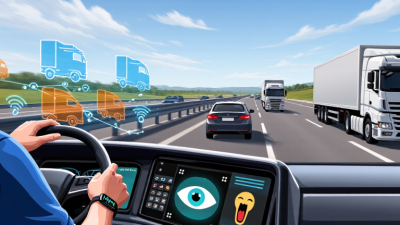
The system should also connect smoothly with existing fleet platforms. Confirm whether it supports standard APIs, CAN bus data, or secure data exports. Fleet managers may need alerts, driver IDs, vehicle locations, and event timestamps in one interface. A warning that stays inside the vehicle is easy to miss. Test how alerts reach supervisors and how quickly records appear online. Keep data access limited to trained personnel. This supports reliability and responsible fleet operations.

Run a small pilot first. Use different vehicle types, cabin layouts, and driving routes. In practical checks, a system may perform well in one van but poorly in a bus with unusual lighting. That difference matters. Review false alerts, missed events, installation time, and maintenance needs. No compatibility checklist is perfect. Technicians should record unexpected behavior instead of hiding it. A short trial often reveals integration problems that product demonstrations cannot show.

Reviewing Privacy, Maintenance, and Operating Costs

How to Choose a Driver Drowsiness Detection System?

Privacy should be examined before technical specifications. An in-cab camera may observe faces, eyes, and driving behavior continuously. Ask where recordings are processed and stored. Local processing can reduce unnecessary data transfers. Clear retention periods also matter. Data should be deleted when it no longer serves a defined safety purpose. Access logs, encryption, and role-based permissions help prevent careless handling. Drivers need understandable notices, not vague policy language. Privacy is operational trust.

Maintenance affects reliability more than many buyers expect. Dust, glare, poor camera alignment, and damaged mounts can create false alerts. A practical evaluation should include cleaning schedules, calibration checks, replacement procedures, and software support. During a trial, record alert accuracy on bright roads, at night, and during rain. Note how quickly staff can diagnose faults. Small delays become expensive across a large fleet. No sensor stays accurate forever.

Operating costs include more than the purchase price. Budget for installation, connectivity, subscriptions, training, replacements, and technical labor. Estimate the cost of vehicle downtime during repairs. Some systems require stable data connections, while others process alerts inside the vehicle. Neither option is perfect. A low-cost device may produce frequent false warnings and reduce driver confidence. A higher-priced system may also disappoint if maintenance is neglected. Test real routes, review actual workload, and question every recurring fee before approval.

Ultrasonic Load-Carrying Detection System: Smarter, Safer, and More Reliable Load Monitoring

## Ultrasonic Load-Carrying Detection System: Smarter, Safer, and More Reliable Load Monitoring

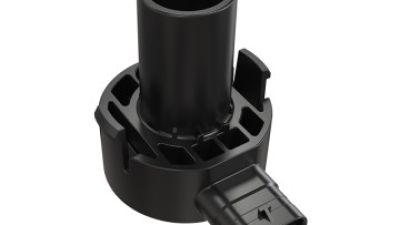
Effective load monitoring is essential for safer and more efficient truck operations. The World Health Organization’s *Global Status Report on Road Safety 2023* estimates that approximately 1.19 million people die in road crashes every year, highlighting the importance of technologies that reduce preventable operational risks. An ultrasonic load-carrying detection system can measure suspension or load-related changes with high precision, helping operators identify uneven or excessive loading before it becomes a safety concern.

Using short-distance ultrasonic detection, the system can achieve distance resolution of ≤1 mm, supporting accurate and continuous assessment of truck load status. Through a T-box, key information—including estimated load weight, vehicle speed, and location—can be transmitted remotely to a monitoring platform. This allows fleet managers to track vehicles in real time, respond quickly to abnormal conditions, reduce cargo-related losses, and improve dispatch efficiency. The U.S. Federal Highway Administration also emphasizes the value of real-time traffic and vehicle data for stronger transportation management and infrastructure protection.

When eccentric loading or overloading is detected, the system can issue a timely warning to the driver, enabling corrective action before departure or during operation. With waterproof construction, long service life, and reliable performance in demanding environments, ultrasonic sensing provides a practical foundation for smarter load supervision. By combining precise measurement, connected data transmission, and immediate alerts, it supports safer driving decisions and more dependable fleet management.

FAQS

What are the main causes of driver fatigue?

Sleep loss, long shifts, overnight driving, and irregular schedules commonly reduce alertness. Early mornings and mid-afternoons can be difficult periods. Medical conditions and drowsiness-causing medicines may also contribute.

How can early fatigue appear while driving?

Warning signs include slower eye movements, missed road signs, yawning, and repeated lane corrections. Drivers may feel “almost fine” while performance quietly declines.

How much sleep do most adults generally need?

Most adults generally need seven to nine hours nightly. Many drivers receive less because of early departures, long workdays, or changing schedules. That gap matters.

Which signals should a detection system monitor?

A reliable system should assess eyelid closure, head position, gaze, steering behavior, and lane stability. One signal is not enough. People behave inconsistently.

What detection technologies are available?

Camera systems observe eyelids, yawning, gaze, and head movement. Vehicle-based systems analyze lane drift, steering, speed, and braking. Wearables measure body signals but may feel uncomfortable.

Why can sensor fusion be useful?

Combining several signals may reduce dependence on one unreliable measurement. It can improve detection during changing conditions. Calibration becomes harder, though. No method is perfect.

How should a detection system be tested?

Test it at night, on curves, during rain, and in stop-and-go traffic. Include glare, glasses, sunglasses, and different cabin lighting. Measure false alarms, missed events, and alert delay.

What vehicle compatibility checks are important?

Check power requirements, camera placement, ignition behavior, mounting space, and communication connections. The camera needs a clear driver view, even when the seat moves.

How can fleets evaluate integration before wider installation?

Run a small pilot across different vehicles, routes, and cabin layouts. Review installation time, maintenance, alert delivery, and online record speed. A short trial can expose hidden problems.

Can technology prevent every fatigue-related incident?

No dashboard detects every human state perfectly. Poor camera visibility or prolonged fatigue can delay warnings. Sleep, scheduling, and medical care remain essential. Technology helps, but it cannot replace rest.

Conclusion

Choosing the right Driver Drowsiness Detection system starts with understanding how it identifies signs of fatigue and alerts drivers before their attention declines. Since tiredness can result from long driving hours, insufficient sleep, repetitive routes, medical conditions, or demanding schedules, an effective system should recognize changing driver behavior and provide timely, clear warnings. Available technologies may monitor eye movement, facial cues, steering patterns, lane position, or driving performance, and each approach offers different advantages in various conditions.

When comparing solutions, focus on detection accuracy, reliability in changing light and weather, response speed, and the ability to reduce false alerts. The system should also be compatible with the vehicle type, communication tools, and fleet management platforms already in use. Privacy protections, data storage practices, installation requirements, maintenance needs, and total operating costs are equally important. A practical choice balances dependable fatigue detection with simple operation, sustainable upkeep, and responsible handling of driver information.

Ethan

Ethan

Ethan is a dedicated marketing professional at Zhuhai Shangfu Electric Technology Co., Ltd., where he combines his expertise in electrical engineering with a passion for communication. With a deep understanding of the company’s innovative products, Ethan is adept at showcasing their unique benefits......
Previous What Is an Automatic Car Door Closer and How Does It Work?