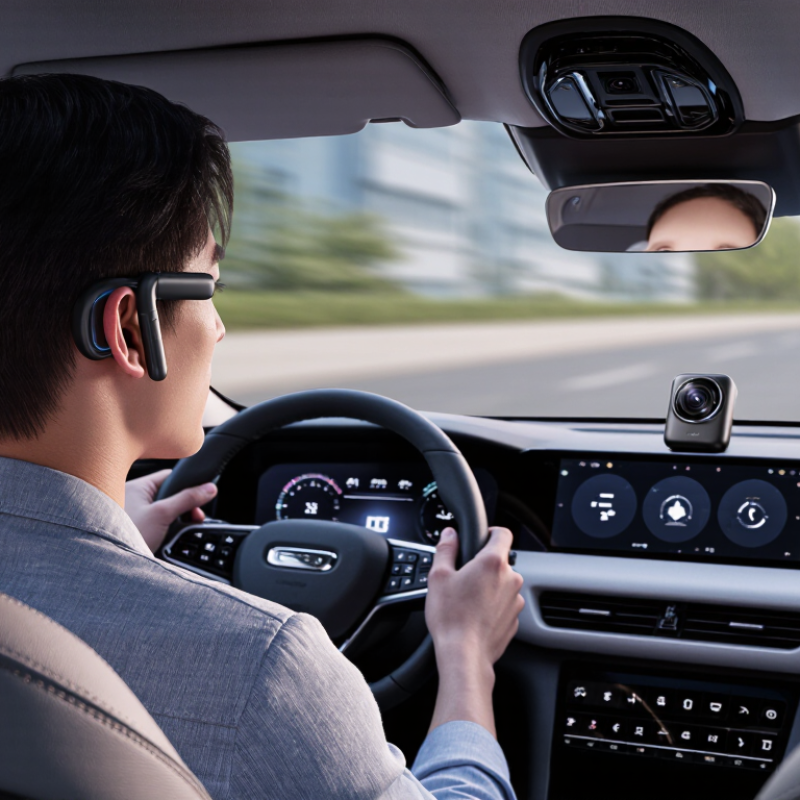
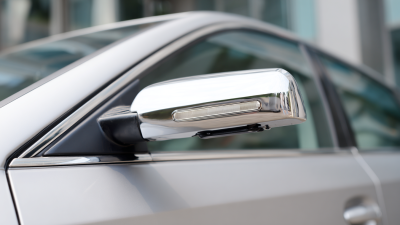
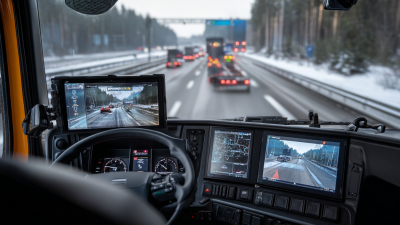
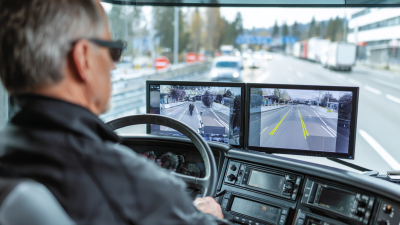
A Driver Anti Sleep Alarm is basically a device designed to catch the signs of tiredness before the driver’s attention completely drifts away. Depending on the model you get, it might keep an eye on things like head movements, eye closure, or how the steering wheel is turned. Some of these systems are wearable—like a small unit that fits behind your ear—while others might use a tiny camera mounted near the dashboard. Whenever the sensor spots a warning pattern, it will usually sound an alarm or give a quick vibration to wake you up. But keep in mind, that alert is more of a nudge to pull over and rest—it doesn’t mean you’re 100% alert and safe to keep going.
What Is a China Top Driver Anti-Sleep Alarm?
A China top driver anti-sleep alarm is a vehicle safety device designed to detect signs of driver fatigue. It is usually mounted near the dashboard, steering area, or windshield. Depending on the design, it may monitor head movement, eyelid closure, facial direction, or unusual steering patterns. When the system detects possible drowsiness, it produces a sharp sound, spoken warning, vibration, or several alerts together. Some units use a small camera, while simpler models rely on motion sensors.
In practical use, the device should face the driver clearly and remain firmly installed. Sunglasses, poor lighting, a low seat position, or loose mounting can affect detection. The alarm is helpful, but it is not perfect. A sensor may confuse normal head movement with fatigue. It may also react too late in difficult conditions. Drivers should test the alarm while parked and follow the supplied operating instructions. Checking its power connection and alert volume matters during daily use. A responsible driver still needs regular rest, because technology cannot replace sleep or careful judgment. That limitation deserves more attention.
Why Do Drivers Use an Anti-Sleep Alarm?
Drivers use an anti-sleep alarm because tiredness can develop quietly, especially during night travel or long highway journeys. Heavy eyelids, slower reactions, repeated yawning, and drifting within a lane may appear before a driver recognizes the danger. A reliable alarm monitors warning signs, such as prolonged eye closure, head nodding, or unusual steering movement. It then gives a sound, vibration, or visual alert. The purpose is simple: interrupt dangerous drowsiness before it becomes a driving mistake.
In practice, these devices are useful but not perfect. A camera may struggle with sunglasses, poor lighting, or an incorrectly adjusted position. A steering-based system may react to rough roads or sudden lane changes. The alert can feel annoying. That annoyance may be valuable, but it should never replace proper sleep, regular breaks, or honest self-checking. Drivers should choose equipment with clear instructions, stable detection, and independent safety testing. Checking the sensor before departure also prevents false confidence.
Tips
Stop in a safe place when repeated alerts occur. Stretch, drink water, and rest properly before continuing. Keep the sensor clean and positioned correctly. Do not silence every warning automatically; sometimes the device notices fatigue earlier than you do.
What Sensors Detect Driver Fatigue?
China Top Driver Anti Sleep Alarm Systems rely on sensors that observe the driver, not just the vehicle. A near-infrared camera tracks eyelid closure, blink frequency, gaze direction, and head position.Long eye closure is especially important. The PERCLOS method measures how long the eyes remain at least 80% closed within a set period.
Some systems also read steering corrections, lane position, speed changes, and pedal movement. A driver drifting toward a lane line, then making sharp corrections, may show early fatigue. Advanced units can combine these signals with facial analysis. An OEM Driver Anti Sleep Alarm may also connect to vehicle data through the electronic control system. It should not depend on one sensor alone.
Wearable systems can monitor heart rate and heart-rate variability. However, sweat, loose contact, and individual differences can reduce accuracy. That weakness matters. The AAA Foundation for Traffic Safety estimated that drowsy driving contributed to about 328,000 U.S. crashes each year, including approximately 109,000 injury crashes and 6,400 deaths. The estimate used national survey and crash data, so underreporting remains possible. NHTSA recorded at least 684 deaths involving drowsy driving in 2021. Numbers differ because fatigue is difficult to prove after a collision.
A reliable alarm should provide an audible warning, seat vibration, or visual prompt before attention collapses. No sensor reads fatigue perfectly. Lighting, sunglasses, facial coverings, and unusual driving conditions can still create false alerts.
How Does the Alarm Process Signs of Drowsiness?
China’s driver anti-sleep alarm focuses on early signs of drowsiness, not only sudden lane drifting. A small camera monitors eyelid closure, blink speed, gaze direction, and head position. Infrared sensing can support detection at night. The system compares these signals with a driver’s normal facial pattern. Longer eye closure or repeated downward gazes may raise the fatigue score.
When the score passes a preset threshold, the alarm usually gives an audible alert, seat vibration, or dashboard warning. Some systems also monitor steering corrections and vehicle movement. The warning process often works in stages, so one slow blink may not trigger a false alarm. The AAA Foundation for Traffic Safety reported that drowsy driving may contribute to 9.5% of all crashes and 16.5% of fatal crashes. These figures show why real-time monitoring matters. Still, no sensor reads fatigue perfectly.
Tips: Keep the camera area clean and position it toward the face. Remove anything that blocks the eyes. Test the alarm before a long night trip. A Wholesale Driver Anti Sleep Alarm should support safe driving, not replace sleep, breaks, or responsible judgment. Sunglasses, masks, poor lighting, and unusual facial movements can create false warnings. That limitation deserves attention. A tired driver may silence the alert and continue driving, which defeats the system. The most reliable response is stopping in a safe place, walking briefly, and resting properly.
What Alerts Does the Device Give the Driver?
An ODM Driver Anti Sleep Alarm monitors signs that a driver may be losing alertness. Common signals include prolonged eye closure, repeated blinking, downward head movement, and unstable facial direction. A small camera or sensor checks these changes continuously. When the pattern crosses a preset limit, the device usually gives a sharp audible alert. Some systems add a spoken warning or a flashing visual signal.
The alert often arrives in stages. A soft beep may appear first, followed by louder sound and seat or steering vibration. This escalation matters on a dark highway, where a quiet warning can disappear into road noise. The AAA Foundation for Traffic Safety estimated that drowsy driving caused about 328,000 crashes, 109,000 injuries, and 6,400 deaths annually in the United States. Its analysis also warned that official figures likely undercount fatigue-related collisions. NHTSA data continues to show the serious road risk linked with tired driving.
Field use reveals limits. Sunglasses, poor lighting, facial coverings, or a bumpy road can confuse the sensor. A device may alert too early, or fail to recognize gradual fatigue. That is uncomfortable, but useful feedback. Drivers should treat the warning as a prompt to stop safely, drink water, and sleep, not as permission to continue. A loud alarm cannot replace rest.
How Should Drivers Wear and Set Up the Alarm?
Wear the anti-sleep alarm as its manufacturer’s instructions specify, usually snugly on the wrist or near the ear, depending on its sensor design. Keep the sensor in firm contact with clean, dry skin; a loose strap can cause missed alerts. Check that clothing, hair, or a steering-wheel grip does not block it. Then sit in your normal driving position and test the alert while parked. Adjust sensitivity only according to the manual. Too sensitive is distracting. Too low may delay a warning.
Before each trip, charge the unit, confirm its settings, and make sure you can hear or feel the alarm over road noise. NHTSA reported 693 deaths in crashes involving drowsy drivers in 2022, while noting that drowsiness is difficult to identify after a crash. AAA Foundation research has also estimated that drowsiness may be involved in a much larger share of crashes than official records show. These figures underline why an alarm should be treated as a backup, not a way to keep driving when tired. If it activates, pull over somewhere safe and rest. A setup can feel reassuring, but it cannot reliably judge every driver’s fatigue.
Driver Anti-Sleep Alarm: How It Works and How to Set It Up
A driver anti-sleep alarm typically detects prolonged eye closure, head nodding, or a change in head position and then produces an audible, vibrating, or visual warning. Wear the sensor securely in the position specified by the device instructions, keep it aligned with the eyes or head-position reference point, and test the alarm before driving. Set the sensitivity high enough to detect a genuine nod, but low enough to avoid frequent false alerts.
The chart shows the widely cited relationship between extended wakefulness and alcohol-equivalent impairment: approximately 17 hours awake can produce impairment comparable to a 0.05% blood alcohol concentration, while 24 hours awake can approach 0.10%. An alarm is only a warning aid; drivers should stop safely and rest whenever they feel drowsy.
Reference: Dawson and Reid, “Fatigue, alcohol and performance impairment,” Nature, 1997.
What Are the Device’s Limits and Safety Considerations?
China Top Driver Anti Sleep Alarm How Does It Work?
A driver anti-sleep alarm may detect a tilted head or reduced movement, then sound an alert or vibrate. It can prompt a driver to pause, but it cannot measure alertness perfectly. A rough road, poor fit, or an unusual driving posture may trigger a false alarm. Some warning signs of fatigue may also go unnoticed. The device is a backup, not a substitute for rest.
Its limits matter most on long, monotonous trips. An alarm cannot restore attention after hours without sleep, and repeated alerts may become easy to ignore. Check the sensor’s fit and battery before departure, and test the alert while parked. A Driver Anti Sleep Alarm Supplier should provide clear instructions about placement, cleaning, and known limitations. Still, read the guidance critically; no device can promise safe driving.
Tips: If your eyelids feel heavy, you miss a turn, or struggle to remember the last stretch of road, stop somewhere safe. Take a proper break or sleep before continuing. Don’t rely on loud music, open windows, or the alarm to push through fatigue. Shortcuts can feel convincing when you’re tired. They aren’t proof you’re fit to drive.
China Top Driver Anti Sleep Alarm: How Does It Work? What Are the Device’s Limits and Safety Considerations?
| Aspect | How It Works | Limits and Safety Considerations |
| Purpose | A Driver Drowsiness alarm monitors selected signs associated with reduced alertness and gives a warning when its detection system identifies a possible risk. | It is a supplementary warning aid, not a way to prevent fatigue or make it safe to continue driving while sleepy. |
| Wearable tilt or motion sensors | A wearable device may detect head movement, posture changes, or repeated nodding and trigger an audible, vibrating, or other alert. | Normal movements, road vibration, device position, and individual behavior can affect detection. A warning may be missed, delayed, or triggered unnecessarily. |
| Camera-based monitoring | A camera system may analyze visible cues such as eye closure, gaze direction, or head pose to estimate signs of drowsiness. | Performance can be affected by lighting, camera alignment, sunglasses, face coverings, and visibility of the driver’s face. Estimates are not a medical diagnosis. |
| Steering or driving-pattern monitoring | Some systems assess changes in steering inputs or other driving behavior that may accompany reduced alertness. | Curves, road conditions, wind, traffic, and driving style can also change these patterns, so they cannot reliably identify fatigue on their own. |
| Warning signals | Depending on the device, alerts may include a sound, vibration, visual indicator, or a combination of signals. | Warnings may be hard to notice in a noisy cabin or may startle the driver. Drivers should learn how the device signals an alert before using it on the road. |
| Setup and fit | Wearable sensors generally need to be positioned as described in their instructions. Camera-based systems need a suitable view of the driver. | Incorrect placement, loose fittings, obstructed views, low battery, or damaged components can reduce reliability. Check the device before each trip. |
| False alarms and missed warnings | The system compares sensor readings with programmed or learned criteria and issues an alert when those criteria are met. | No consumer alarm detects every episode of drowsiness. A warning does not confirm that the driver is safe, and the absence of a warning does not confirm alertness. |
| What to do when drowsy | An alarm can serve as a prompt to reassess whether it is safe to continue. | If sleepy, pull over at a safe, legal place and rest. Do not rely on loud music, open windows, or the alarm as substitutes for sleep. Do not handle or adjust a device while driving. |
| Before a long drive | Use the device according to its instructions and treat its alerts as an extra reminder to monitor your condition. | Plan breaks and allow enough time for sleep. Avoid driving when impaired by alcohol, medicines, or other substances; consult a healthcare professional about medicines that may cause drowsiness. |
Safety note: Drowsiness can impair attention and reaction time. An anti-sleep alarm cannot replace adequate sleep, responsible trip planning, or stopping to rest when needed.
How a Driver Fatigue Monitoring System Helps Prevent Road Accidents
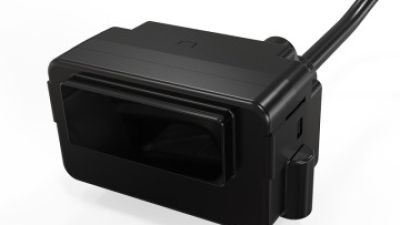
Driver fatigue is a major contributor to road accidents, especially during long-distance travel, night driving, and repetitive journeys. A driver fatigue monitoring system uses an in-cabin camera to observe facial features and driving-related behavior in real time. It can identify signs such as prolonged eye closure, frequent yawning, head movement, and distracted behavior, then issue timely alerts so the driver can refocus or take a necessary break. With an identification missed rate and wrong rate of no more than 3%, the system supports reliable monitoring without creating excessive false alarms.
Designed for demanding vehicle environments, the system features a 2G3P optical structure, IP67 protection, and effective optical distortion correction. Its image sensor provides at least 1280 × 720 effective pixels and a central resolution of 720 lines, delivering clear facial details for accurate analysis. A 940nm filter glass paired with a 940nm infrared lamp helps maintain stable image recognition in darkness, bright sunlight, and other challenging lighting conditions.
Beyond fatigue detection, the system combines face monitoring with behavior monitoring to provide broader safety support. It can help recognize reduced attention, abnormal head posture, and other visible indicators of driver distraction. By offering continuous, non-contact supervision, it assists fleet managers and drivers in identifying risks earlier and encouraging safer driving habits.
FAQS
It is a vehicle safety device that detects possible fatigue signs. It may monitor head position, eyelid movement, facial direction, or steering changes. When risk appears, it gives an audible, visual, or vibration alert. It is only a backup.
A camera or motion sensor observes repeated blinking, closed eyes, or downward head movement. Some systems also notice unusual facial direction or steering patterns. The device compares these signals with preset limits. Detection is not perfect.
It may produce a sharp beep, spoken message, flashing light, or vibration. Some models increase alert intensity in stages. A quiet warning may come before a louder alarm. That can help.
Place it near the dashboard, steering area, or windshield. The sensor should face the driver clearly. Mount it firmly to prevent movement during driving. Loose installation can create false alerts.
Sunglasses, poor lighting, facial coverings, and a low seat position may reduce accuracy. Bumpy roads can also confuse motion sensors. Normal head movement may trigger an unnecessary warning. It may miss gradual fatigue.
Test it while the vehicle is parked. Check the power connection, sensor position, and alert volume. Confirm that the warning is easy to hear. Read the operating instructions carefully. Small checks matter.
No. The alarm cannot restore attention after serious sleep loss. Repeated alerts may become easy to ignore. If your eyelids feel heavy, stop somewhere safe. Take a proper break or sleep. Do not push through fatigue.
Treat the warning as a reason to reassess your condition. Look for a safe stopping place, then pause driving. Water may help briefly, but sleep is more important. Loud music is not a reliable solution. The device can be wrong, and so can your judgment.
Conclusion
A Driver Anti Sleep Alarm is a wearable safety device designed to help alert drivers when signs of fatigue appear. Depending on its design, it may use motion, head-position, or other sensors to detect patterns such as repeated nodding or changes in posture. The device processes these signals and, when they suggest possible drowsiness, gives a warning through sound, vibration, or another noticeable alert. Its purpose is to encourage drivers to pause and rest before fatigue becomes more dangerous.
For reliable use, drivers should wear the alarm as instructed, adjust it securely and comfortably, and test its settings before starting a trip. Sensitivity and alert options may vary, so users should understand how their device responds. An alarm cannot prevent sleep or reliably detect every instance of fatigue, and movement or fit may affect its performance. It should support—not replace—adequate rest, regular breaks, and stopping in a safe place whenever a driver feels drowsy.

 Front & Rear Parking Assist
 Automatic Parking Assist
 Wade Sensor System
 79GHz Kick Step-on Open System
 79GHz Door Open Warning System
 77GHz Blind Spot Detection
 77GHz Long Range Detection
 60GHz Child Presence Detection
 360 Panoramic Camera
 Driver Fatigue Monitoring System
 Dash Camera
 ADAS Camera
 Streaming Rearview Mirror
 Self Cleaning Camera
 Car Radio
 Infotainment System
 Wireless Charger
 Ultrasonic Sensors System
 4-Image Camera Monitoring System
 Driver Fatigue Monitoring System
 77GHz Blind Spot Detection
 ADAS Camera
 Camera Monitoring System