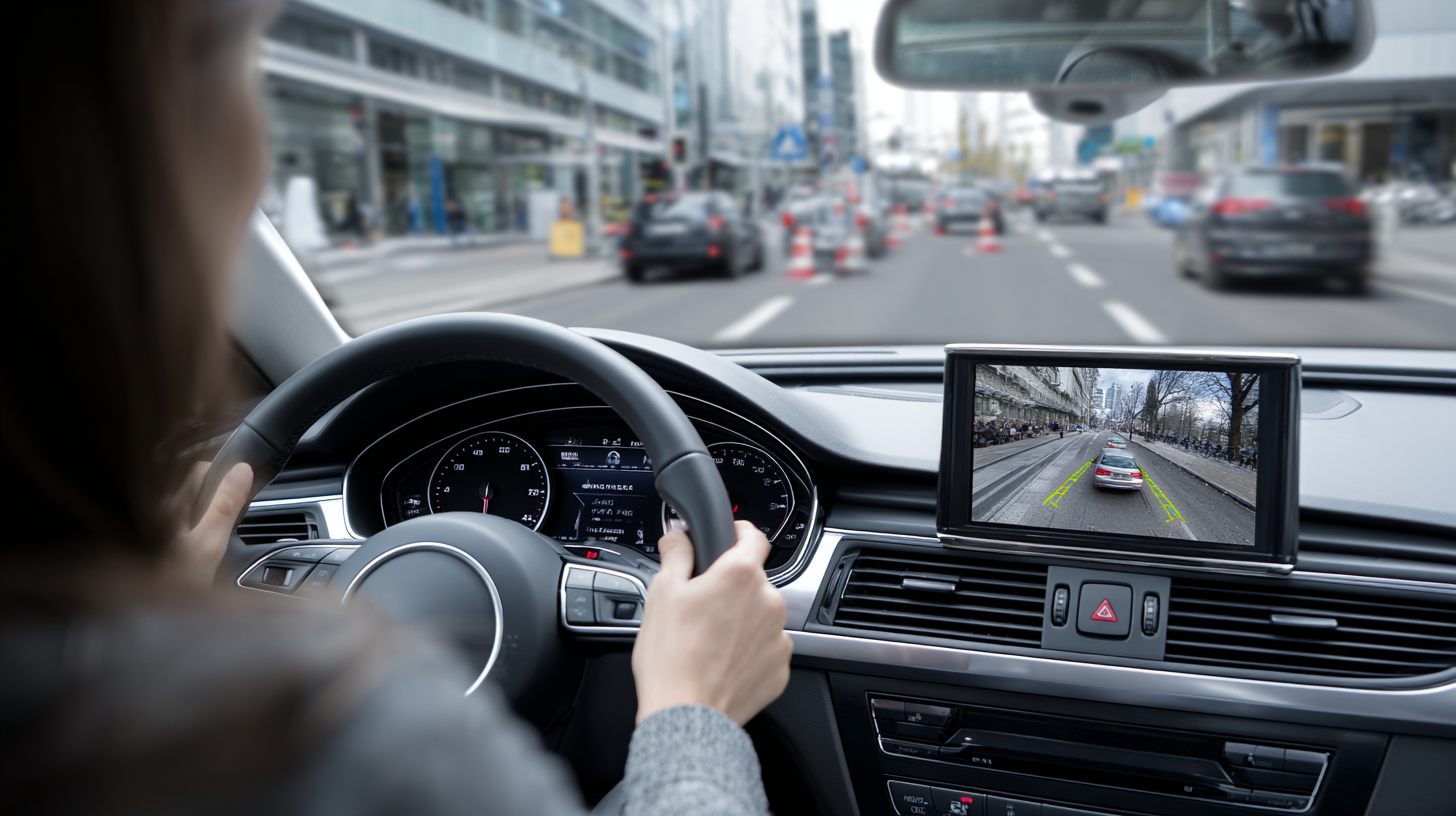
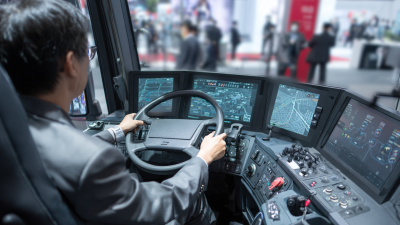
You know how the automotive world is always changing, right? Well, these days, Driving Assistance Systems—stuff like Parking Sensors, camera feeds, and microwave radar—are becoming pretty common in everyday cars. And apparently, the market for these techs is expected to grow by over 10% each year up until 2028. Here at Zhuhai Shangfu Electronic Technology Co., Ltd., we’re all about designing and manufacturing these high-tech safety parts that are so crucial for DAS to work smoothly. We work closely with both local and international OEMs to make sure our products meet their specific needs. Basically, we’re helping make driving safer and easier, and as more people are on the lookout for better safety features, companies like Coligen are really stepping up to shape the future of driving assistance systems.
Current Driving Assistance Technologies: An Overview
You know, the world of driving assistance tech is changing really fast these days. Features like adaptive cruise control, lane-keeping assist, and emergency braking are becoming pretty much standard in a lot of vehicles out there. I came across this report by Allied Market Research, and it says that the global market for advanced driver assistance systems—yeah, ADAS—is expected to hit around $83 billion by 2026. And get this, it's growing at an annual rate of about 22.5% since 2019. It just goes to show how much more folks are looking for safer, more convenient drives nowadays.
Take Tesla’s Autopilot, for example. It uses some pretty advanced algorithms and real-time data to help make driving safer. Then there are companies like Waymo and GM’s Cruise sinking big bucks into creating fully autonomous cars—these might soon work seamlessly alongside existing ADAS features. As automakers keep pushing these technologies forward, it’s super important for us as drivers to really understand how they work, what they can do, and what their limits are.
A quick tip—when you’re thinking about getting a vehicle with all these fancy driving aids, do a little homework on the specific features. Look for systems that offer comprehensive safety insights—surprisingly, studies show that cars with ADAS can cut down accident rates by up to 40%. Just remember, while these systems are pretty awesome and boost safety, they’re not a substitute for paying attention behind the wheel. You still gotta stay alert and drive responsibly.
Key Features of Modern Driving Assistance Systems
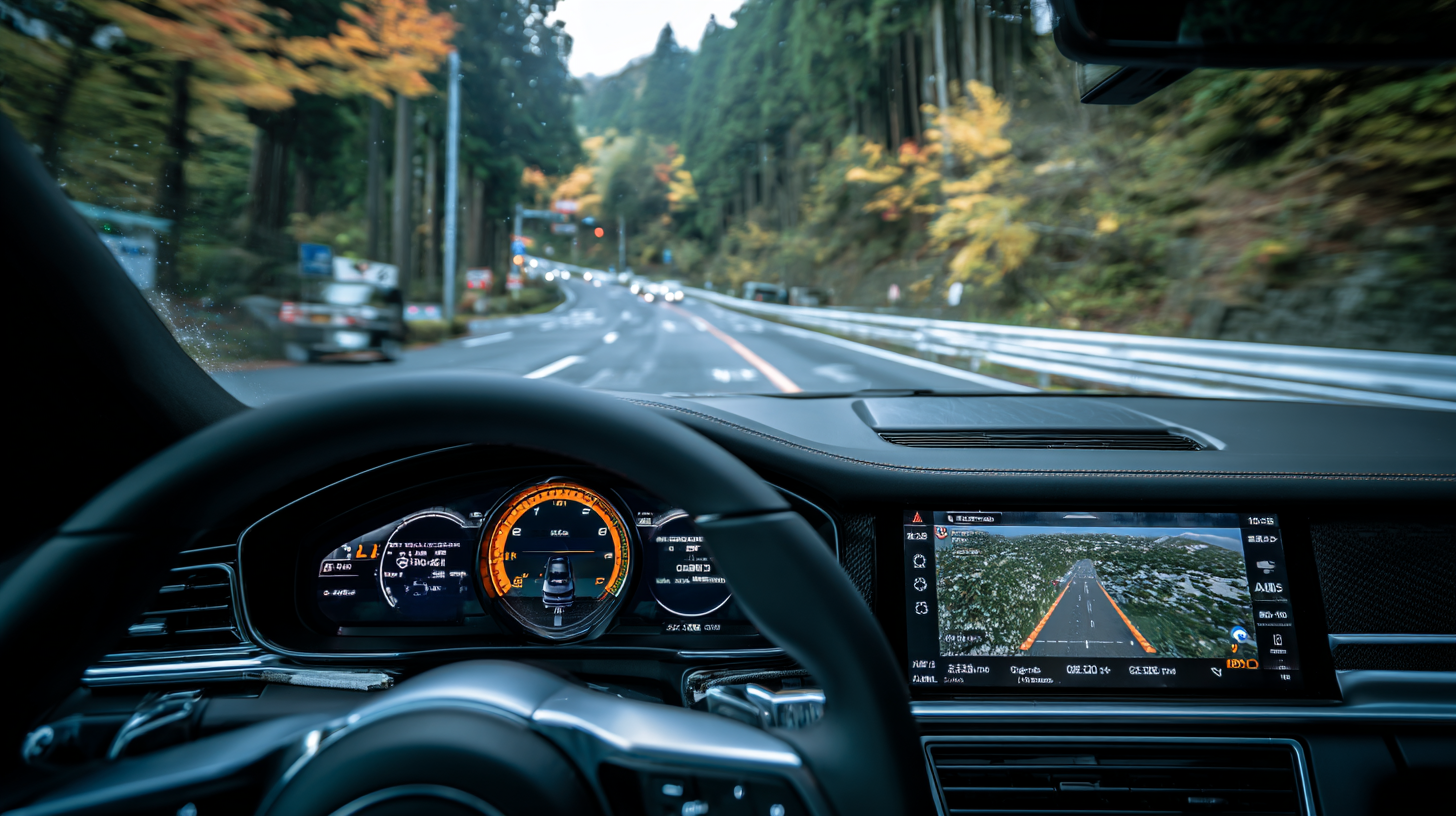
Modern driving assistance systems—like ADAS—really have changed the game for everyday cars. They've made driving safer and way more convenient. A big one you’ve probably heard of is adaptive cruise control. Basically, it adjusts your speed automatically to keep a safe gap from the car in front. It’s a total lifesaver on those long highway trips, and it also helps prevent rear-end crashes. Then there's lane-keeping assistance, which is another cool feature that kinda 'nudges' your car back into the lane if you’re drifting out, helping you stay centered without having to constantly correct manually.
What’s pretty amazing is how these systems now use really advanced sensors and cameras. They let your car do things like automatic emergency braking—so if a collision looks like it’s about to happen and you don’t react quickly enough, the car steps in and hits the brakes. Parking is also getting a lot easier thanks to these techs—some systems offer real-time guidance, and others even take over steering to park you perfectly in tight spots. As these features keep improving, I think driving is only going to get safer and, honestly, more enjoyable for everyone out there on the road.
Understanding the Future of Driving Assistance Systems in Everyday Vehicles
Future Trends in Driving Assistance Technologies
The future of driving assistance tech is honestly pretty exciting — it’s expected to totally change how we interact with our cars. Think about all the cool stuff like advanced sensors, AI-driven algorithms, and real-time data processing that are leading the way. These innovations are all about making driving safer and way more convenient. Features like automatic lane-keeping, adaptive cruise control, and emergency braking are becoming pretty much standard in newer cars. Looking ahead, vehicle-to-everything (V2X) communication is also going to be a game changer, letting cars talk to traffic lights, pedestrians, and other vehicles. This connected approach should mean fewer accidents and traffic that flows a lot smoother.
If you're thinking about adopting some of these driving assist features, here are a few tips:
1. Keep an eye on the latest advancements and what new cars are offering. Knowing what's out there will help you make better choices when buying.
2. Take the time to understand how each feature works. When you know how to properly use them, it really boosts safety and your confidence in these systems.
3. Make sure you regularly update your vehicle’s software — manufacturers often roll out improvements that make everything run smoother and fix bugs.
As these technologies keep evolving, the combo of automation and a good user experience is becoming more and more important. Embracing these changes isn’t just about safety — it’s also about turning driving into a more fun, even kinda exhilarating, experience. Who knows what the roads will look like in just a few years, right?
Challenges and Limitations of Driving Assistance Systems
Driving assistance systems are really changing the game for everyday vehicles, making driving safer and a lot more convenient. But, honestly, there are still some hurdles to clear. One big issue is how reliable the sensors and algorithms actually are. Even though they've come a long way, bad weather like rain or snow can throw them off, which could be risky. Plus, these systems sometimes struggle with more complicated driving situations—like navigating busy city streets—where human judgment really makes a difference.
Another thing to keep in mind is that rules and standards for these systems aren’t the same everywhere. That can get pretty confusing for both drivers and manufacturers, making it trickier to get these techs fully integrated into our daily rides. And then there’s the ethical side of things—like, in critical moments, who decides what’s the right move? That’s a tricky questions we need to sort out.
As these systems keep advancing, it’s super important to focus on fixing these issues—especially making sure safety stays a top priority, that drivers trust the tech, and that everything aligns with local laws. We’ve got a lot to work on, but the potential is pretty exciting!
Understanding the Future of Driving Assistance Systems in Everyday Vehicles
| Dimension | Current Status | Challenges | Future Prospects |
| Sensor Technology | Improving rapidly with advanced sensors | High cost of sensors; variability in performance | Lower costs; enhanced reliability |
| Software Algorithms | Evolving with machine learning | Need for constant updates; complexity | More robust algorithms; reduced updates required |
| User Experience | Mixed feedback from drivers | User trust; learning curve | Intuitive interfaces; better training |
| Regulatory Environment | Still developing standards | Inconsistent regulations across regions | Harmonized regulations for safety |
| Public Acceptance | Growing interest | Concerns about safety; technology fear | Increased confidence with demonstrated safety |
Consumer Perspectives on Driving Assistance in Vehicles
As driving assistance technology keeps getting better, what consumers think about these systems really matters when it comes to them becoming part of everyday cars. More and more, folks are looking for features that boost safety and make driving easier. No surprise there! That’s why things like parking sensors, camera systems, and advanced radar detection are catching on—they not only help out in daily driving but also make you feel a lot more confident behind the wheel.
When you're checking out these features, it's a good idea to think about what's most useful for your driving style. For example, if city driving tends to stress you out, a good set of parking sensors can seriously cut down on the anxiety. And a camera system? It just makes seeing everything around you so much easier.
Also, don’t forget to consider how well these systems will work with your current vehicle tech. Working with trusted manufacturers, like Zhuhai Shangfu Electronic Technology Co., Ltd., can really make a difference. They provide high-quality parts tailored to meet safety standards. This isn’t just good for local OEMs — it helps ensure the tech you get is reliable and up to snuff, whether you’re at home or across the globe. In a nutshell, choosing the right partners and features can really help you get the most out of these cool new automotive technologies.
Ensuring Safety and Reliability in Driving Assistance Systems
Today’s cars almost feel incomplete without driving assistance features—they really boost safety and make driving a lot easier. But, of course, making sure these systems are reliable is super important. After all, they’re there to help you out in emergencies—like sudden stops, staying in your lane, or cruising at just the right speed. To keep everyone safe, manufacturers need to have solid safety checks in place, making sure these techs work properly no matter the conditions. Regular updates and thorough testing are a must—they help catch bugs or hardware hiccups before they become a problem, so drivers can trust these systems when they’re counting on them.
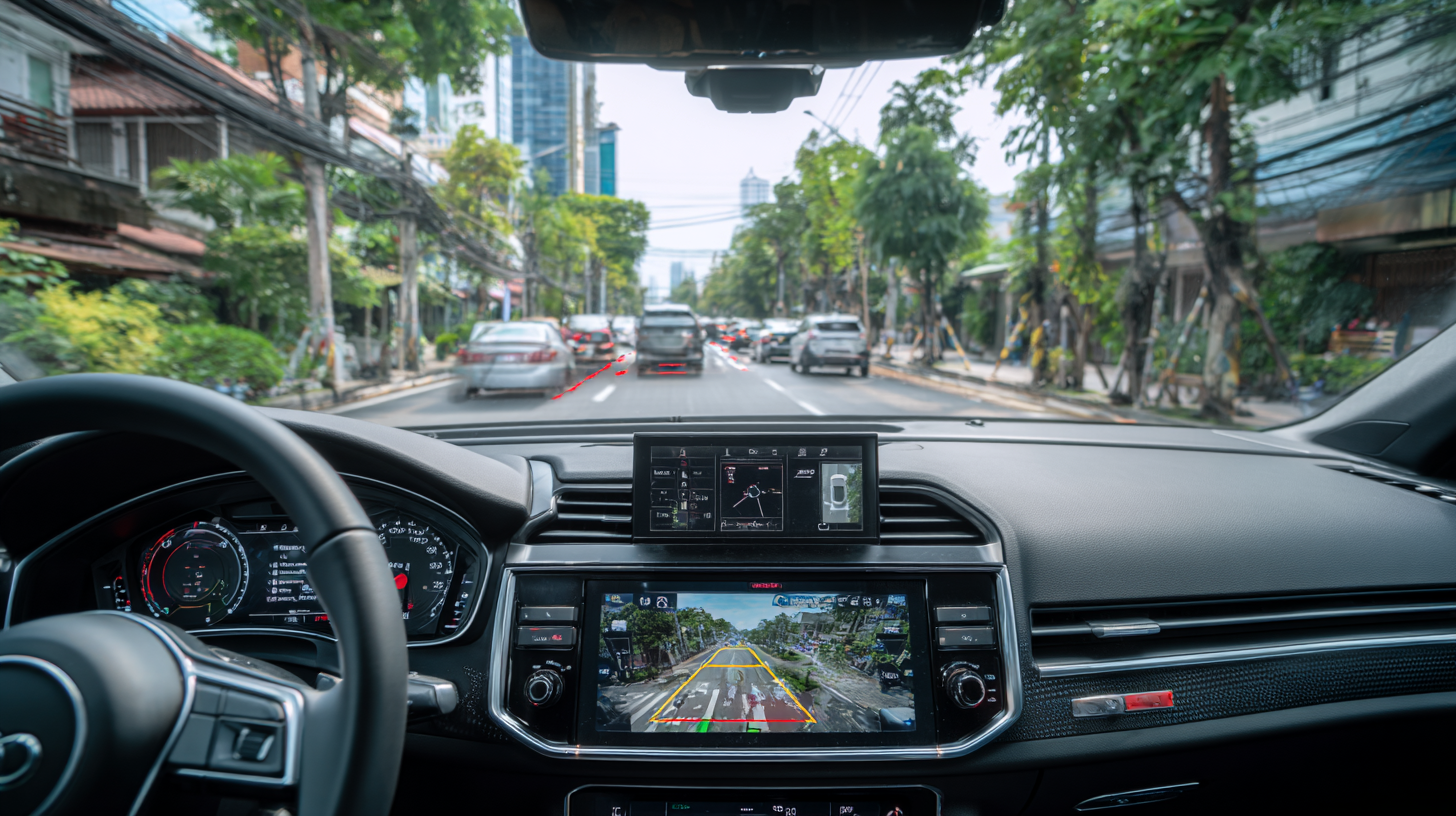
On top of that, the latest sensors and machine learning tech let these systems learn from real road experience. They can adapt to different driving environments and styles, which is pretty cool. But, honestly, all this complexity also means they need to be really carefully managed to keep performance consistent and safe. That’s why having strong safety standards and clear regulations is so crucial — it helps build trust with the folks on the road. Car makers need to work closely with regulators to make sure these systems not only make driving more convenient but also keep drivers and passengers safe every day, no matter what the road throws at you.
FAQS
: Consumers are increasingly interested in features that enhance safety and convenience, such as parking sensors, camera monitoring systems, and advanced radar detection.
Effective parking sensors can drastically reduce stress during city driving by assisting with parking and awareness of surrounding obstacles.
Consumers should prioritize safety enhancements that align with their driving habits and consider the integration capabilities with existing vehicle technology.
Collaboration with reputable manufacturers ensures access to high-quality automotive parts that meet specific safety requirements, benefiting both local and global markets.
Driving assistance systems enhance safety by supporting drivers in critical scenarios, such as sudden braking, lane-keeping, and adaptive cruise control.
Regular updates, rigorous testing, and the establishment of effective safety protocols are necessary to minimize the risk of software flaws and hardware malfunctions.
Advanced sensors and machine learning algorithms allow these systems to learn from real-world experiences, adapting to different environments and driving styles.
Robust safety standards and regulatory frameworks are crucial for fostering public trust and ensuring that systems prioritize driver and passenger safety.
Manufacturers must collaborate with regulators to design systems that enhance convenience while ensuring consistent and safe performance.
Consumers have a positive perception of the evolution of driving assistance systems, as they increase confidence and safety in everyday driving experiences.
Conclusion
Hey, have you read the article titled "Understanding the Future of Driving Assistance Systems in Everyday Vehicles"? It really dives into how these systems are evolving and what they might mean for both safety and our driving experience. The piece gives a good overview of what's out there now—things like automatic parking, collision avoidance, and adaptive cruise control—which are becoming pretty common in many newer cars. Looking ahead, it seems like things are heading toward more smart, integrated systems, but there are still some hurdles, like tech limitations and whether folks will actually accept these new features. It’s pretty clear that how drivers feel about all this really matters, since their trust influences how quickly these systems get adopted. Companies like Zhuhai Shangfu Electronic Technology Co., Ltd. are really leading the charge, focusing on making cool safety parts like parking sensors and camera systems. Their work shows how serious the industry is about making driving safer and more efficient with these advanced assistance techs.

 Front & Rear Parking Assist
 Automatic Parking Assist
 Wade Sensor System
 79GHz Kick Step-on Open System
 79GHz Door Open Warning System
 77GHz Blind Spot Detection
 77GHz Long Range Detection
 60GHz Child Presence Detection
 360 Panoramic Camera
 Driver Fatigue Monitoring System
 Dash Camera
 ADAS Camera
 Streaming Rearview Mirror
 Self Cleaning Camera
 Car Radio
 Infotainment System
 Wireless Charger
 Ultrasonic Sensors System
 4-Image Camera Monitoring System
 Driver Fatigue Monitoring System
 77GHz Blind Spot Detection
 ADAS Camera
 Camera Monitoring System