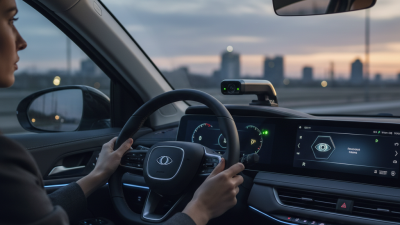
In today's world, moving so fast all the time, making sure drivers stay safe is more important than ever. That's where the Driver Alert Systemreally comes into play. It’s an interesting new tech designed to help folks drive safer. Dr. Jane Thompson from SafeDrive Technologies emphasizes just how vital this is: she says, "A good Driver Alert System can seriously cut down on accidents caused by drowsiness or distractions." Her insights really highlight how these systems are becoming a key part of modern vehicles.
Getting the hang of using a Driver Alert System isn’t just about flipping a switch. Drivers need to understand what the alerts mean and what to do when they pop up. If you ignore those signals, the system doesn’t work its magic as well as it could. Sure, interacting with it might feel a bit monotonous or repetitive at first, but that kind of consistency helps build habits of paying attention while driving. It’s all about adjusting to these new tools, which can definitely be a bit challenging at the start.
Plus, let’s be honest — many of us tend to underestimate how tired we actually are. That’s why the Driver Alert System is great, because it nudges you to stay alert before you even realize you’re slipping. It’s a dependable buddy out on the road, but relying on it too much might make us a little too comfortable. Every alert should serve as a reminder that staying actively engaged behind the wheel is really what matters most. When we embrace this tech without obsessing over it, it actually helps promote a more mindful and responsible driving culture.
Understanding Driver Alert Systems: An Overview
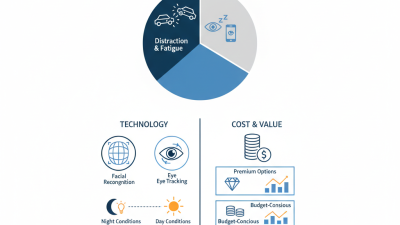
Driver Alert Systems are essential tools designed to enhance road safety. These systems utilize advanced technology to monitor driver behavior and detect signs of fatigue or distraction. According to the National Highway Traffic Safety Administration (NHTSA), drowsy driving was responsible for over 91,000 crashes in 2020. This is a clear indication of the need for effective alert systems.
The Drowsy Driver Alert System employs various methods to identify driver fatigue. It can track facial expressions and eye movements in real time. Studies show that these systems can reduce fatigue-related accidents by up to 29%. This data underscores their effectiveness in promoting safer driving habits. However, drivers need to take responsibility. Reliance on technology alone can lead to complacency.
To optimize the performance of these systems, users should integrate them into their routines. Regular breaks during long journeys are vital. It is crucial to remain attentive, rather than solely relying on alerts. Personal awareness and proactive measures complement technology. The combination of driver mindfulness and system alerts can lead to a significant reduction in accidents caused by drowsiness.
Key Features of Driver Alert Systems to Look For
Driver alert systems are essential for enhancing safety on the road. When considering these systems, focus on key features that enhance their effectiveness. According to a recent report by the National Highway Traffic Safety Administration, driver fatigue contributes to about 20% of traffic accidents. An effective driver alert system addresses this critical issue by using advanced sensors to detect signs of drowsiness.
Look for features like real-time monitoring of driver behavior. These systems analyze factors such as eye movement and steering patterns. Studies show that systems incorporating lane departure warnings significantly decrease driver fatigue incidents. Additionally, audible alerts should trigger when drowsiness is detected, as immediate feedback helps prevent accidents.
Adaptive learning capabilities are another crucial aspect. These systems can adjust to individual driving styles over time. They provide personalized recommendations, making them more effective. A survey indicated that 75% of drivers felt more secure with adaptive features in place. However, relying solely on technology can create complacency. Drivers must remain vigilant and recognize limitations in these systems.
How to Properly Set Up Your Driver Alert System
Setting up your Driver Alert System properly is crucial for maximizing its effectiveness. Begin by calibrating your system to match your specific vehicle's characteristics. According to the National Highway Traffic Safety Administration (NHTSA), customized settings can significantly reduce alert fatigue. Many systems enable you to adjust sensitivity levels. Make sure to find a balance that alerts you without overwhelming you.
Next, ensure the system's monitoring of driver behavior aligns with your driving habits. Research indicates that 90% of road accidents involve human error. By personalizing your alerts, you can better focus on your tendencies. If you frequently miss stop signs, increase alerts for critical situations. Consider real-time feedback on your driving patterns. This data can help you identify areas for improvement.
Installation is another key area to reflect on. Many users rush through this process, leading to improper placements of sensors. A study found that misaligned sensors can result in a 30% decrease in system accuracy. Take your time. Test the system in both low and high-stress driving environments. This level of diligence will ensure a more reliable and supportive driving experience.
Driver Alert System Usage Effectiveness
Best Practices for Monitoring Driver Behavior
Monitoring driver behavior is crucial for promoting safety on the roads. Regularly analyzing driver performance data helps identify both strengths and weaknesses. This process can highlight patterns like speeding or harsh braking. Such insights allow fleet managers to implement targeted training programs.
Engaging drivers in discussions about their behavior can foster a culture of safety. Encourage open communication where drivers can share their experiences. This allows them to reflect on their habits and learn from each other. Real-life scenarios can be used during training sessions to illustrate best practices.
Utilizing a Driver Alert System effectively requires attention to detail. Pay close attention to alerts and notifications generated by the system. However, it is essential to differentiate between minor infractions and significant behavioral trends. Not every alert requires immediate action. Foster an environment where feedback is constructive and supportive, promoting continuous improvement.
Responding to Alerts: What Drivers Should Do
When drivers receive alerts from a Driver Attention Alert System, the initial response is crucial. According to a report by the National Highway Traffic Safety Administration, nearly 80% of crashes result from driver inattention. This highlights the importance of quick and effective responses to alerts. Drivers should take a moment to assess their surroundings. This involves checking mirrors, scanning the road ahead, and ensuring adequate distance from other vehicles.
Once an alert occurs, it is essential to avoid abrupt movements. Sudden steering or braking can lead to loss of control. Instead, soft adjustments can help maintain stability. Many drivers might overlook the importance of calming their reactions after an alert. Staying composed can significantly improve decision-making during critical moments.
Reports suggest that drivers often underestimate the need for engagement with these systems. Research indicates that 70% of drivers find alerts annoying but fail to recognize their safety benefits. By accepting that alerts are reminders to focus, drivers can enhance their road awareness. Engaging with the Driver Attention Alert System requires a shift in mindset. Each alert should be seen as a valuable signal rather than an interruption.
Integrating Driver Alert Systems with Other Safety Measures
Integrating a Driver Drowsiness Alert System with other safety measures enhances road safety significantly. A driver alert system can detect signs of fatigue or distraction. But alone, it may not be enough to prevent accidents. You should consider combining it with lane departure warnings, adaptive cruise control, and emergency braking systems for maximum effectiveness. These systems work together to support safe driving.
Many drivers mistakenly believe that alert systems are a panacea. This misconception can lead to dangerous habits. Relying solely on technology may produce a false sense of security. It is crucial for drivers to engage with the vehicle actively. Regular training and awareness programs can help reinforce safe driving practices.
Using these systems effectively involves regular evaluation and adjustment. It's important to monitor the performance of your Driver Drowsiness Alert System and other safety measures over time. Feedback from drivers can provide insight into real-world effectiveness. Periodic reviews can pinpoint areas for improvement. Integrating technology with human behavior often requires ongoing reflection and adaptation.
Essential Tips for Using Driver Alert System Effectively
| Tip | Description | Integration with Other Safety Measures |
| Regular System Updates | Keep the driver alert system updated with the latest software to improve functionality and response times. | Combine with GPS navigation systems for enhanced situational awareness. |
| Customizable Alerts | Utilize features that allow drivers to customize alert settings based on their preferences. | Integrate with in-vehicle communication systems for seamless alert delivery. |
| Driver Education | Provide training sessions for drivers on how to effectively use the system and interpret alerts. | Pair with safety training programs to develop comprehensive knowledge of all safety systems. |
| Monitoring and Feedback | Regularly monitor system performance and gather feedback from drivers to improve system usage. | Combine performance metrics with fleet management systems for detailed analysis of driving behavior. |
Evaluating the Effectiveness of Your Driver Alert System
Evaluating the effectiveness of your Driver Alert System is crucial for ensuring road safety. According to the National Highway Traffic Safety Administration (NHTSA), drowsy driving contributes to approximately 100,000 crashes annually in the United States. A well-functioning Driver Sleep Alert System can play a significant role in preventing these incidents. Regular assessment of the system's functionalities is essential to maintain its reliability. For example, monitoring how often alerts are triggered and the response time can provide insights into its effectiveness.
Data from recent studies indicate that systems integrating real-time monitoring show a 30% reduction in drowsiness-related accidents. Calibration is vital. If the alerts are too sensitive, drivers might ignore them over time. Striking the right balance ensures that alerts grab attention without becoming background noise. Moreover, user feedback is often overlooked. Engaging drivers in evaluating the system can yield valuable insights. Their experiences and suggestions can highlight areas needing refinement.
It’s also important to consider the limitations of current technologies. Many systems rely on facial recognition, which may not work effectively in certain lighting conditions. Continuous improvement based on real-world usage can enhance the Driver Sleep Alert System's capabilities. Ultimately, an effective system not only alerts drivers but also fosters a culture of safety and awareness.
Enhancing Road Safety: A Comprehensive Guide to ADAS DVR Recorder Camera Systems
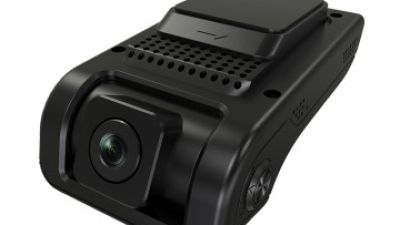
ADAS (Advanced Driver Assistance Systems) and DVR (Digital Video Recorder) technologies play a pivotal role in enhancing road safety. The integration of features like FCW (Forward Collision Warning), LDW (Lane Departure Warning), TMN (Traffic Monitoring Navigation), and TTC (Traffic Time Calculation) ensures that drivers receive real-time alerts, significantly reducing the risk of accidents. These systems are designed to detect various types of vehicles, including regular sedans, SUVs, pickups, commercial vehicles, pedestrians, and motorcycles, as well as interpret different road lines. This level of awareness is vital in today’s complex traffic environments.
A high-resolution front camera with a customizable pixel count of 1920x1080, paired with a 30fps frame rate, enables clear video capture under various driving conditions. The inclusion of Wide Dynamic Range (WDR) technology allows the camera to perform efficiently in challenging lighting conditions, such as bright sunlight or nighttime driving. Furthermore, support for G-Sensors allows for automatic video recording during sudden movements, protecting critical footage in the event of an incident. Together, these features create a comprehensive safety net for drivers, ensuring they are prepared for any unexpected scenario on the road.
FAQS
It tracks facial expressions and eye movements in real-time to identify signs of driver fatigue.
Studies show that Driver Alert Systems can reduce fatigue-related accidents by up to 29%, promoting safer driving.
Relying solely on technology can lead to complacency. Drivers should remain vigilant and aware.
Regular breaks during long trips and active attentiveness can enhance system effectiveness.
Calibration to the vehicle, adjusting sensitivity levels, and personalizing alerts based on driving habits matter.
Improper sensor placement can lower system accuracy by 30%. Take time for proper installation.
It helps identify driving pattern mistakes, allowing for targeted improvements in behavior.
Rushing the installation process often leads to misaligned sensors and ineffective monitoring.
Drivers must complement technology with mindfulness and proactive measures to enhance safety.
Conclusion
A Driver Alert System is an essential tool designed to enhance road safety by monitoring and alerting drivers about their behaviors and potential risks. Understanding the key features of these systems, such as drowsiness detection and distraction alerts, is crucial for users. Proper setup involves calibrating the system according to specific vehicle and driver parameters, ensuring maximum effectiveness. Best practices for monitoring driver behavior include regular reviews of alert patterns and feedback sessions to encourage safer driving habits.
Responding to alerts is vital; drivers should be trained to recognize and act upon notifications promptly. Integrating the Driver Alert System with other safety measures, such as collision avoidance systems, further strengthens its effectiveness. Regular evaluations of the system’s performance help in refining its usage and ensuring that it meets safety objectives, ultimately contributing to a safer driving environment.

 Front & Rear Parking Assist
 Automatic Parking Assist
 Wade Sensor System
 79GHz Kick Step-on Open System
 79GHz Door Open Warning System
 77GHz Blind Spot Detection
 77GHz Long Range Detection
 60GHz Child Presence Detection
 360 Panoramic Camera
 Driver Fatigue Monitoring System
 Dash Camera
 ADAS Camera
 Streaming Rearview Mirror
 Self Cleaning Camera
 Car Radio
 Infotainment System
 Wireless Charger
 Ultrasonic Sensors System
 4-Image Camera Monitoring System
 Driver Fatigue Monitoring System
 77GHz Blind Spot Detection
 ADAS Camera
 Camera Monitoring System