Leave Your Message
0%

In the fast-changing world of transportation, Driver Behavior Analysis really plays a key role in making roads safer and operations smoother. Companies like Apex Fleet Management are digging deeper into how their drivers behave on the road. These insights help them come up with smarter strategies — things like cutting down on accidents and saving on fuel. And as technology keeps advancing, the data we gather about driver habits is only going to get more detailed and useful.

That said, there are definitely some hurdles when it comes to rolling out effective Driver Behavior Analysis. Sure, telematics systems are super helpful—they give us a ton of data—but making sense of it all isn’t always straightforward. Sometimes, there’s a gap between what drivers report and what actually happens on the road. So, it’s really important for teams to keep tweaking their methods to make sure the info is reliable. Plus, fostering a culture where drivers feel responsible and accountable is equally important.

Looking ahead to 2026, it’s pretty clear that AI and machine learning are going to shake things up even more in this space. These tech tools can spot risky driving patterns with pretty amazing accuracy. But here’s the thing—while embracing new technology, companies need to be careful. Finding the right balance between relying on tech and maintaining personal accountability isn’t always easy. Remember, data alone won’t change behavior; ongoing education, transparency, and a genuine commitment to improvement are what truly make the difference.

Top Strategies for Effective Driver Behavior Analysis in 2026?

Essential Components of Driver Behavior Analysis in 2026

Understanding driver behavior is crucial in 2026. An effective analysis requires several key components. First, real-time data collection is essential. This involves using advanced sensors and GPS tracking to monitor driving patterns. Data should include speed, braking habits, and lane changes. Collecting this data can reveal risky behaviors, but it may also generate controversies surrounding privacy.

Next, analyzing the data is vital. Machine learning and AI can provide insights into driving habits. These technologies detect patterns that human analysts might miss. However, reliance on technology has its flaws. Algorithms must be continuously updated. Data bias can creep in, leading to misleading conclusions. This uncertainty highlights the importance of human oversight in the analysis process.

In addition, effective communication of findings is necessary. Reports should be clear and actionable. They need to be digestible for various stakeholders, from fleet managers to drivers themselves. Feedback loops are crucial, but they often fall short. Many organizations fail to implement changes based on analysis, limiting improvement in driver behavior. Continuous reflection on these practices is essential for growth in this field.

Top Strategies for Effective Driver Behavior Analysis in 2026
Strategy Description Key Metrics Expected Impact
Real-time Monitoring Use of GPS and telematics to track driver behavior in real-time. Speeding incidents, harsh braking events, total distance driven. Improved safety and reduced insurance costs.
Data Analytics Analyzing driver data to identify trends and patterns in driving behavior. Incident frequency, driver scorecard results, fuel efficiency. Enhanced driver training and behavior modification.
Driver Training Programs Custom training based on analyzed behavior data for driver improvement. Training completion rates, post-training performance metrics. Lower accident rates and improved driving skills.
Incentive Programs Rewarding good driving habits to motivate better performance. Rewards given, decrease in risky driving behaviors. Increased driver satisfaction and engagement.
Predictive Analytics Using historical data to forecast future driving risks and behaviors. Prediction accuracy, incident prediction rates. Proactive risk management and safety enhancements.

Technological Innovations Enhancing Driver Behavior Monitoring

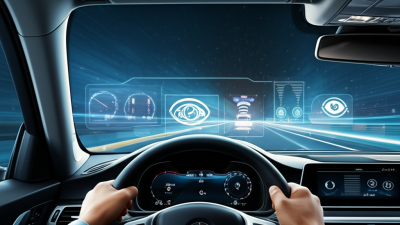
As we move into 2026, driver behavior analysis will rely heavily on technological advancements. Emerging innovations in artificial intelligence are transforming how we monitor driving patterns. Sensors can detect rapid acceleration or hard braking, providing real-time feedback. This data helps identify risky behavior earlier than traditional methods. Many vehicles will come equipped with these advanced tools by 2026.


OEM Driver Behavior Analysis is becoming a standard practice. It offers comprehensive insights into driver habits. Technologies such as dash cameras and onboard diagnostics create a clearer picture of driving performance. These devices track speed, distance, and even distractions. However, there is a delicate balance between monitoring and privacy. Some drivers may feel uncomfortable with constant surveillance.


Another exciting development is the integration of mobile applications. These apps encourage safer driving through gamification. Users can earn rewards for safe driving habits. Yet, this method has its drawbacks. Some drivers may feel pressure to perform, leading to stress on the road. Finding the right balance between effective monitoring and driver comfort will be an ongoing discussion in the industry.

Data Collection Methods for Accurate Behavior Analysis

Top Strategies for Effective Driver Behavior Analysis in 2026?

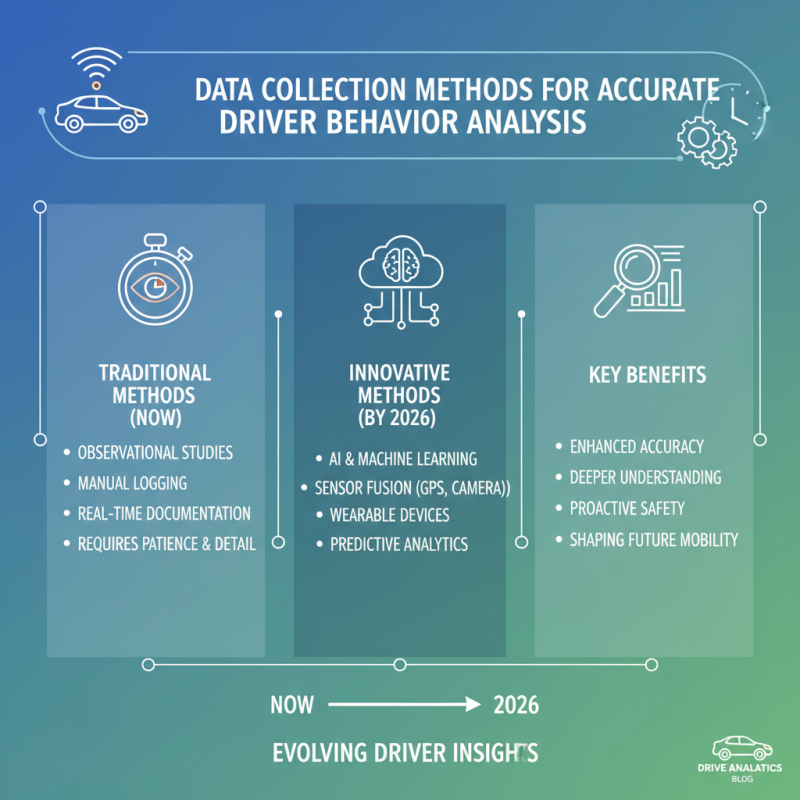
Data collection is crucial for driver behavior analysis. In 2026, innovative methods will shape our understanding. Observational studies remain effective. Analysts should spend time documenting real-time behaviors. This requires patience and attention to detail. Simple notes can turn into valuable insights later. However, relying solely on observations can lead to bias.

Technology can enhance data collection. GPS tracking offers a digital footprint of driving habits. Data from mobile apps provides additional layers of analysis. This is where Wholesale Driver Behavior Analysis comes into play. It integrates various data sources into comprehensive profiles. But there are potential pitfalls. Data privacy issues may arise with extensive tracking. Gathering personal data demands responsibility and transparency.

Surveys and interviews can fill gaps. Engaging drivers directly offers qualitative insights. Yet, self-reported data can be unreliable. Many drivers may not accurately report their habits. There is always a need for reflection. Balancing technology with personal input creates a more rounded analysis. Combining methods can lead to better outcomes.

Key Performance Indicators for Evaluating Driver Behavior

Top Strategies for Effective Driver Behavior Analysis in 2026?

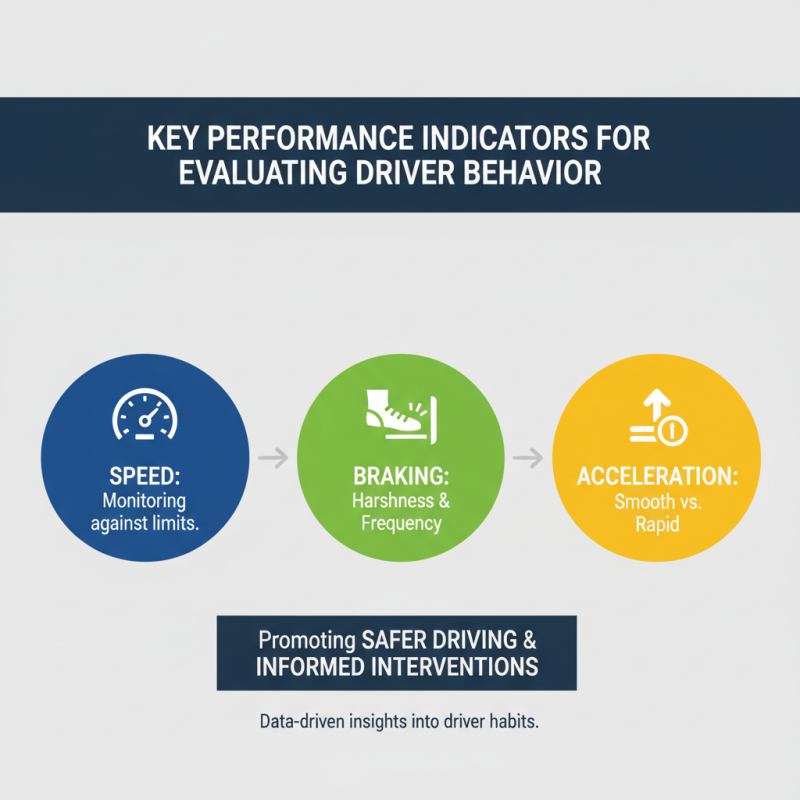
Key Performance Indicators (KPIs) play a crucial role in evaluating driver behavior. These metrics help organizations understand driving patterns and promote safety. Common KPIs include speed, braking, and acceleration. Monitoring these factors gives valuable insights into driver habits, allowing for targeted interventions.

Another important KPI is the frequency of risky maneuvers. This can involve sharp turns or sudden lane changes. Analyzing these behaviors helps identify drivers who may need additional training. In some cases, it reveals the need for enhanced vehicle technology to prevent accidents. Furthermore, data on fuel efficiency can indicate overall driving style. Poor fuel economy often correlates with aggressive driving patterns.

Implementing these KPIs demands a balance. Too many metrics can overwhelm drivers and managers alike. Focusing on a few key indicators can drive measurable improvement. Striking the right balance allows for effective monitoring without overwhelming the system. It's essential to reflect on which KPIs truly matter. Evaluating their relevance prevents inefficiencies in the analysis process.

Implementing Behavioral Feedback Loops in Driver Training

Effective driver behavior analysis in 2026 relies on implementing behavioral feedback loops in training programs. Feedback loops provide drivers with real-time insights into their performance. This approach highlights areas needing improvement and enhances safe driving habits. For example, a driver may receive alerts during sharp turns or sudden stops. Addressing these issues creates a culture of continuous improvement.

Behavioral feedback is not just about data. It is about communication and engagement. Drivers may feel overwhelmed by constant monitoring. Hence, training sessions must balance constructive criticism and support. Using visual aids during feedback sessions can make information easier to digest. This promotes a better understanding of the ODM Driver Behavior Analysis.

Real-world scenarios should be integrated into training. Simulated situations can expose potential issues drivers may not recognize. This method fosters self-reflection and motivates change. Moreover, giving drivers a platform to discuss their experiences encourages a sense of community. This collaboration can lead to deeper insights into driving behavior patterns. As a result, selecting the right tools for analysis is critical. Investing in proper technology can help make this process smoother and more effective.

Challenges and Limitations in Analyzing Driver Behavior

Analyzing driver behavior presents significant challenges. One major issue is data accuracy. Many methods rely on sensors and feedback systems. These may not capture every driving nuance. Misinterpretations often occur, leading to flawed assessments.

Another limitation is the variability in driving conditions. Weather, traffic, and road quality all influence behavior. A driver may act differently in rain versus sunshine. This variability complicates consistent analysis. Moreover, the subjective nature of behavior can lead to biases in interpretation.

Effective driver behavior analysis requires careful consideration of these challenges. A Driver Behavior Analysis Supplier must address data integrity and contextual factors. Continuous improvement in these areas is essential. Relying solely on technology without context can result in misleading conclusions. Engaging with real-world scenarios is vital for accurate assessments.

Future Trends in Driver Behavior Analytics and Safety Solutions

In 2026, driver behavior analytics will undergo significant transformations. Emerging technologies, such as AI and machine learning, will shape insights. According to a recent report by the National Highway Traffic Safety Administration, around 94% of accidents are caused by human error. This statistic underscores the need for innovative analytics solutions. Real-time data will emerge as a powerful resource for identifying risky behaviors, promoting immediate interventions.

Predictive analytics will play a crucial role in forecasting driver behavior trends. An analysis conducted by the Institute of Transportation Engineers suggests that driver behavior patterns can change dramatically based on environmental factors. Weather conditions and road infrastructure impact decisions behind the wheel. Yet, it’s concerning that many organizations fail to adapt to these variables. By leveraging location data and historical behavior, companies can enhance safety measures.

However, challenges remain. Not all drivers respond positively to monitoring tools. Some may feel invasive measures undermine their privacy. Effective strategies must consider user acceptance while promoting safety. Continuous feedback loops will be essential in refining these analytics solutions. Encouraging open dialogues between organizations and drivers may help bridge gaps. Engaging drivers as active participants in their safety could yield better outcomes.

Top Strategies for Effective Driver Behavior Analysis in 2026

In 2026, understanding driver behavior will be crucial for improving road safety. The chart above highlights various driver behavior incidents per 1000 trips, showcasing areas where interventions can reduce risky driving habits.

Enhancing Road Safety: The Importance of Driver Fatigue Monitoring Systems in Modern Vehicles

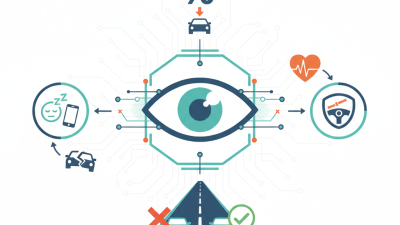
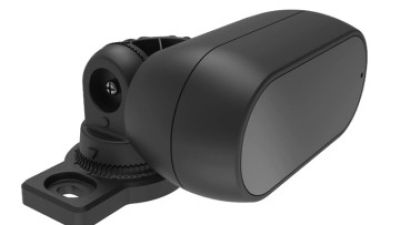
Driver fatigue monitoring systems have become an essential technology in enhancing road safety. As the incidence of accidents related to Driver Drowsiness increases, these systems serve as a vital line of defense. Their ability to effectively identify fatigue indicators with a missed identification rate of ≤ 3% is crucial in preventing potential mishaps on the road. With a low incorrect identification rate, these systems ensure that drivers receive accurate alerts, which can make a substantial difference in avoiding collisions caused by human errors.

Incorporating advanced imaging technology, these monitoring systems feature a resolution of at least 1280*720 pixels along with central resolution capabilities of 720 lines. The use of a 940nm filter glass coupled with infrared lamps enhances the clarity of image recognition in various lighting conditions. This ensures that the monitoring processes remain effective, even in low visibility situations. By utilizing optical distortion correction, these systems guarantee precise behavior and face monitoring, increasing the effectiveness of driver assessments and fostering safer driving environments.

The integration of such sophisticated monitoring capabilities in modern vehicles helps not just in detecting fatigue but also in understanding driver behavior. As the automotive industry continues to evolve, the focus on driver safety and behavior analysis is paramount. Systems equipped with these technologies represent a forward step towards achieving higher levels of road safety, cultivating a driving culture that prioritizes alertness and responsibility.

FAQS

: How does technology improve driver behavior monitoring?

: Technology uses sensors to detect unsafe driving, providing real-time feedback. This helps identify risky behavior faster.

What are common tools used for analyzing driving habits?

Dash cameras and onboard diagnostics track speed, distance, and distractions. These tools offer insights into driving performance.

How do mobile applications promote safe driving?

Apps use gamification to encourage safe habits. Users earn rewards for good behavior, which can be motivating.

What privacy concerns exist with Driver Monitoring?

Continuous monitoring might make some drivers uncomfortable. Balancing surveillance and privacy is a critical issue.

What challenges affect the accuracy of driver behavior analysis?

Data may not capture all driving nuances. Misinterpretations can lead to flawed assessments and inaccurate conclusions.

How do driving conditions influence behavior analysis?

Weather and traffic can change driving patterns. A driver might behave differently in rain than in sunny weather.

Why is context important in driver behavior assessment?

Relying only on technology can mislead interpretations. Contextual factors must be considered for accurate evaluations.

What is a downside of gamifying safe driving?

Some drivers may feel pressured to perform. This added stress can negatively impact their overall driving experience.

How can biases affect driver behavior analysis?

The subjective nature of behavior can lead to biased interpretations. Careful consideration is required to avoid this issue.

What is needed for effective driver behavior analysis?

Continuous improvement in data accuracy and context is essential. Engaging with real-world scenarios enhances assessment quality.

Conclusion

As we move into 2026, effective Driver Behavior Analysis becomes increasingly vital for enhancing road safety and efficiency. A comprehensive approach involves understanding essential components such as psychological factors influencing driver actions, while leveraging technological innovations like AI and real-time monitoring systems to optimize behavior tracking. Data collection methods must ensure accuracy, employing various techniques from telematics to wearable technologies that capture nuanced driver interactions.

To gauge driver performance effectively, clear Key Performance Indicators (KPIs) are necessary, enabling organizations to evaluate behavior and implement targeted training interventions. The integration of behavioral feedback loops in driver training can foster a culture of continuous improvement, yet challenges such as data privacy and interpretation discrepancies must be addressed. Looking ahead, the future of Driver Behavior Analysis lies in the adoption of advanced analytics and safety solutions that promise to revolutionize our understanding of driver actions, contributing significantly to overall traffic safety and efficiency.

Ethan

Ethan

Ethan is a dedicated marketing professional at Zhuhai Shangfu Electric Technology Co., Ltd., where he combines his expertise in electrical engineering with a passion for communication. With a deep understanding of the company’s innovative products, Ethan is adept at showcasing their unique benefits......
Previous Navigating Global Import Export Certifications for Adas Dms Solutions