In our fast-moving world, keeping roads safe really matters. That’s where a Drowsy Driver Detection System comes into play—it’s a must-have to help prevent accidents caused by drivers getting tired. With more folks hitting the road for long trips and many working nonstop, tired drivers are a real concern. Honestly, the need for dependable detection tech has never been more urgent.
Lots of companies are exploring ways to bring these systems into action, but let’s be real—they aren’t just plug-and-play. Success depends on more than just the tech itself; you need experts who really know their stuff. Setting up sensors and AI isn’t always straightforward, and proper training for the team is key. Plus, making the system user-friendly is a huge plus.
When you’re actually rolling out a Drowsy Driver Detection System, you’ve gotta keep real-world challenges in mind. For instance, some systems might sometimes scream 'alert' when they shouldn’t, which can cause frustration or even confusion among users. Finding that sweet spot between being accurate and building trust takes careful tweaks. Pay attention to the details in both design and how you implement everything—that’s what’ll really make the tech boost safety and be genuinely helpful on the roads.
Overview of Drowsy Driver Detection Systems
Drowsy driver detection systems are essential for enhancing road safety. According to the National Highway Traffic Safety Administration (NHTSA), drowsy driving accounts for nearly 20% of all fatal crashes in the United States. Implementing an effective detection system can significantly reduce these incidents, saving lives and preventing injuries.
Various methods exist for detecting Driver Drowsiness, including eyelid monitoring, steering patterns, and facial recognition. Tips to support this implementation include using reliable sensors that assess eye movement. These sensors must be sensitive enough to identify small changes in behavior. Additionally, regular software updates ensure that the system remains precise and adapts to new driving patterns.
Another important tip is to incorporate user-friendly interfaces. A complex system may distract rather than assist. Data from the AAA Foundation indicates that clear feedback encourages alertness. It is vital to learn from past implementation failures. Some systems struggled due to lack of driver training or misunderstanding of alerts. Focusing on these aspects enhances overall effectiveness.
Key Technologies Used in Drowsy Driver Detection
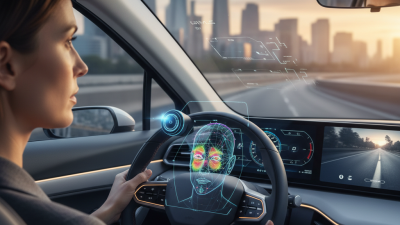
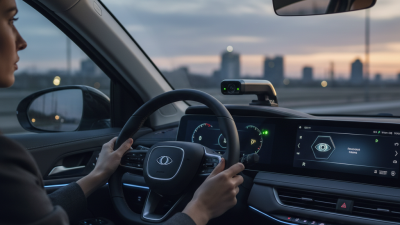
Drowsy driver detection systems rely on several key technologies to ensure safety on the roads. One primary approach is facial recognition software. This technology analyzes a driver’s facial features for signs of fatigue. It can identify drooping eyelids or yawning. Accurate detection in real-time is crucial for effective intervention.
Another important technology is eye-tracking systems. These systems monitor eye movements, focusing on blink rates and duration. A higher blink frequency may indicate tiredness. Additionally, heart rate monitoring can support Drowsiness Detection. Changes in heart rate variability often signal fatigue. These indicators provide valuable insights into driver alertness levels.
While these technologies show promise, challenges do exist. Environmental factors may affect accuracy, such as lighting conditions. Systems need refinement to minimize false positives. Continuous data collection and analysis can improve their performance over time. By prioritizing reliability and accuracy, drowsy driver detection systems can enhance road safety.
Establishing Criteria for Driver Alertness Monitoring
Monitoring driver alertness is crucial for safety. Establishing clear criteria is essential for an effective Drowsy Driver Detection System. Factors influencing alertness include eye movement, head tilting, and reaction times. By assessing these elements, systems can better identify drivers at risk of drowsiness.
Data collection is vital. Incorporating real-time analytics can provide immediate feedback. For example, cameras can track driver focus and engagement. Alerts should be timely enough to prevent danger. A system that integrates well with existing frameworks increases its reliability. Regular updates will enhance performance.
However, challenges remain in implementing effective criteria. Varied driver behaviors can complicate detection. Inconsistent alerts may lead to frustration. Continuous evaluation is necessary to refine these systems. OEM Drowsy Driver Detection System must adapt to real-world scenarios. A flexible approach allows for adjustments based on driver feedback and technological advancements.
Integration of Drowsy Detection with Vehicle Systems
Integrating drowsy driver detection systems with vehicle technology is crucial for improving road safety. According to the National Highway Traffic Safety Administration, drowsy driving contributed to over 700 fatalities in 2019. Effective integration can significantly reduce these numbers. The implementation of real-time monitoring systems can alert drivers when signs of drowsiness are detected. This could involve steering adjustments or alerts through audio and visual signals.
A study by the AAA Foundation for Traffic Safety indicates that a mere two seconds of distraction can double the risk of a crash. To mitigate such risks, vehicle systems can utilize advanced algorithms and machine learning. These technologies can analyze driver behavior continuously. Factors like eye movement, head nodding, and other physiological signals can be monitored. However, achieving perfect accuracy in detection poses challenges. False positives can annoy drivers and undermine trust in the system.
The interaction between human drivers and technology needs refinement. Systems must strike a balance between intervention and a driver's sense of autonomy. Data privacy is also a growing concern. Integrating detection systems safely and effectively requires careful consideration of these factors. Authorities and manufacturers must collaborate to set standards that enhance reliability and user acceptance.
Data Collection and Analysis Techniques for Detection
Data collection is crucial for implementing an effective drowsy driver detection system. Gathering reliable data enables precise analysis and enhances system performance. Many studies show that drowsy driving contributes to 20% of fatal accidents. In-depth real-time monitoring can change this statistic.
Using advanced sensors and cameras captures driver behavior. These tools analyze metrics such as eye movement and head position. For example, the National Highway Traffic Safety Administration (NHTSA) indicates that drowsy drivers have slower reaction times. Implementing a robust Wholesale Drowsy Driver Detection System can identify these critical signs early.
Analyzing this data is essential. Machine learning algorithms process large datasets efficiently. They help in predicting when a driver may fall asleep. However, challenges exist in ensuring data accuracy and interpreter reliability. Real-time variations in driver behavior may complicate interpretations. Continuous improvement and reevaluation of these systems are necessary to address gaps and enhance safety.
Implementing User-Friendly Alerts and Feedback Mechanisms
Implementing user-friendly alerts and feedback mechanisms is crucial for an effective Drowsy Driver Detection System. Ensuring drivers receive timely warnings can significantly enhance road safety. Alerts should be clear and immediate, allowing the driver to take necessary actions quickly. Simple visual cues, such as blinking lights, or gentle vibrations can provide immediate feedback without causing additional distraction.
Regularly updated feedback is essential. For instance, a short summary of driving behavior can encourage safer habits. “You are showing signs of drowsiness” can be more effective when paired with an encouragement to take a break. This approach provides not only information but also reinforcement of safe practices.
When implementing these systems, consider user experience. A complex interface can lead to frustration. Options should be easy to navigate, even for non-technical users. Testing with real drivers can highlight potential areas for confusion. Collecting feedback allows for adjustments. This reflects a commitment to safety and reliability in your ODM Drowsy Driver Detection System.
Driver Drowsiness Detection System: Alert System Effectiveness
Evaluating the Effectiveness of Drowsy Driver Detection Systems
Evaluating the effectiveness of Drowsy Driver Detection Systems is essential in improving road safety. These systems aim to identify signs of drowsiness. They often use camera technology and algorithms to monitor driver behavior. The reliability of these systems varies by supplier. A thorough evaluation can help assess their accuracy.
Real-world testing is crucial. Data collected during actual driving scenarios provides insights into system performance. Factors like environmental conditions can affect results. Feedback from users is valuable. It can highlight shortcomings or areas for improvement. This iterative process assists system developers and suppliers in refining their technologies.
Statistical analysis can gauge the impact of these systems. Comparing accident rates before and after implementation is one method. However, the presence of a detection system does not guarantee safety. Some drivers may still resist alerts. This presents an opportunity for suppliers to enhance engagement strategies. More intuitive designs may reduce driver fatigue, leading to better overall outcomes.
Enhancing Road Safety: The Impact and Benefits of 77GHz Blind Spot Detection Technology
The development of 77GHz blind spot detection technology represents a significant advancement in enhancing road safety. The system utilizes radar technology to continuously monitor blind spots in real time, effectively reducing the zones where a driver’s visibility is obscured. This proactive approach allows drivers to be more aware of their surroundings, ultimately contributing to safer driving conditions.
Equipped with LED alerts and audible beeping signals, the blind spot detection system swiftly notifies drivers of potential risks nearby, enabling timely reactions. By integrating microwave radar systems, this technology minimizes blind spot areas, providing an added layer of security for both the driver and other road users. The 77GHz frequency allows for precise and effective monitoring, ensuring that drivers are informed of any hazards that may not be visible through conventional mirrors.
As vehicular technology continues to advance, the implementation of systems like the 77GHz blind spot detection not only enhances individual safety but also promotes a culture of responsible driving. The potential benefits of such systems extend beyond mere convenience; they aim to significantly decrease the likelihood of accidents caused by blind spot negligence, ultimately creating a safer environment for all road users.
FAQS
: Alerts provide timely warnings that enhance road safety, allowing drivers to act quickly.
Simple visual cues and gentle vibrations can deliver immediate feedback without distractions.
Regular updates, like summaries of driving behavior, encourage safer habits and reinforce good practices.
Complex systems can frustrate users, making navigation difficult for non-technical drivers.
Real-world testing reveals confusion areas and helps refine the system based on user feedback.
User insights highlight shortcomings, guiding adjustments for better performance and safety.
Environmental conditions and system algorithms can impact accuracy and performance.
Some drivers may ignore alerts, showing resistance despite having a detection system in place.
Analyzing accident rates before and after implementation provides insights into system effectiveness.
More intuitive designs may engage drivers better, potentially leading to improved safety outcomes.
Conclusion
Drowsy Driver Detection Systems are crucial in enhancing road safety by preventing accidents caused by driver fatigue. These systems incorporate various key technologies, such as eye-tracking and physiological monitoring, to effectively assess driver alertness. Establishing precise criteria for monitoring is essential, as it allows for the accurate detection of drowsiness and prompts timely interventions.
Integrating these detection systems with existing vehicle technologies ensures a seamless operation, allowing for real-time data collection and analysis. User-friendly alerts and feedback mechanisms can significantly improve driver response to fatigue warnings. Ultimately, evaluating the effectiveness of Drowsy Driver Detection Systems helps in refining their functionality, ensuring that they adequately protect drivers and passengers alike from the dangers of drowsy driving.

 Front & Rear Parking Assist
 Automatic Parking Assist
 Wade Sensor System
 79GHz Kick Step-on Open System
 79GHz Door Open Warning System
 77GHz Blind Spot Detection
 77GHz Long Range Detection
 60GHz Child Presence Detection
 360 Panoramic Camera
 Driver Fatigue Monitoring System
 Dash Camera
 ADAS Camera
 Streaming Rearview Mirror
 Self Cleaning Camera
 Car Radio
 Infotainment System
 Wireless Charger
 Ultrasonic Sensors System
 4-Image Camera Monitoring System
 Driver Fatigue Monitoring System
 77GHz Blind Spot Detection
 ADAS Camera
 Camera Monitoring System