Front & Rear Parking Assist
 Automatic Parking Assist
 Wade Sensor System
 79GHz Kick Step-on Open System
 79GHz Door Open Warning System
 77GHz Blind Spot Detection
 77GHz Long Range Detection
 60GHz Child Presence Detection
 360 Panoramic Camera
 Driver Fatigue Monitoring System
 Dash Camera
 ADAS Camera
 Streaming Rearview Mirror
 Self Cleaning Camera
 Car Radio
 Infotainment System
 Wireless Charger
 Ultrasonic Sensors System
 4-Image Camera Monitoring System
 Driver Fatigue Monitoring System
 77GHz Blind Spot Detection
 ADAS Camera
 Camera Monitoring System
Leave Your Message
When it comes to automotive safety, the Driver Sleep Detection System is super important for preventing accidents that happen because drivers are too tired. Here at Zhuhai Shangfu Electronic Technology Co., Ltd., we totally get how vital it is to boost road safety through innovative tech in the automotive world. We're pretty experienced in designing and making top-notch safety components—like Parking Sensors, camera monitoring systems, and microwave radar. This expertise helps us create solutions that match the ever-changing requirements of both local and global OEMs. We’re all about using proven techniques to improve Driver Sleep Detection Systems, with the goal of making our roads safer for everyone. In this blog, we’re going to dive into seven effective strategies that can really enhance these systems and, in turn, help prevent sleep-related accidents. So, stick around as we explore how cutting-edge technology can make driving safer for all of us.
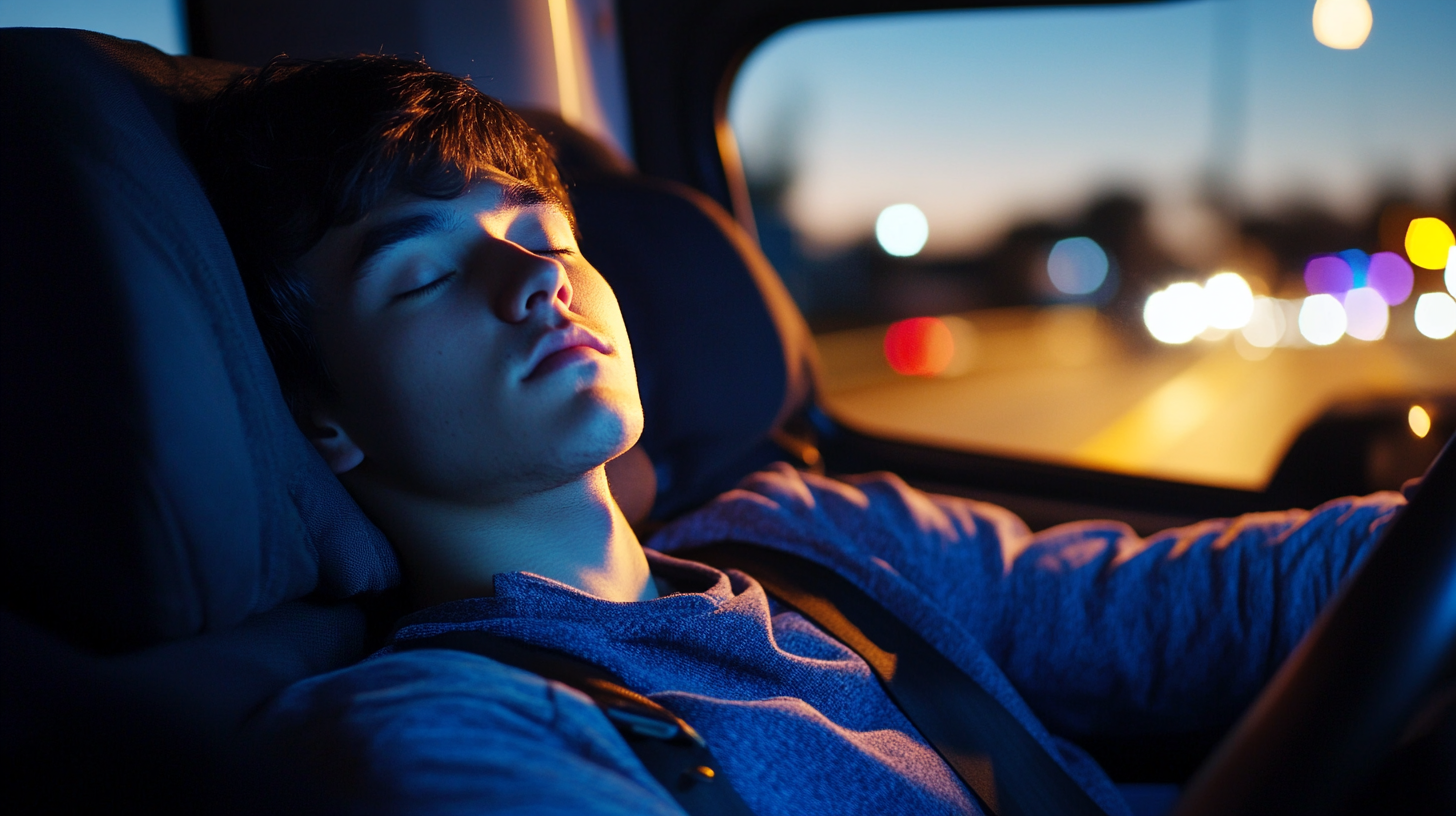
You know, as driving fatigue keeps popping up as a major cause of road accidents, it really hits home how crucial it is to pay attention to driver sleep detection. Research shows that drowsy driving can be just as risky as driving drunk. When a driver starts to feel sleepy, their reaction time just tanks, and they can't make good decisions, which puts not only them but everyone else on the road in danger. This is why having effective sleep detection systems is absolutely key to lowering those risks.
These systems use cool technologies, like facial recognition and heart rate monitoring, to pick up on signs of tiredness in real-time. So, once they sense that a driver is drowsy, they can send out alerts to remind them to take a break or even step in to control the vehicle for a bit. This proactive approach not only keeps drivers safer but also boosts overall road safety, making it a better place for everyone. We really can’t overlook the importance of driver sleep detection—it has the power to save lives and cut down on accidents caused by fatigue, which is a sneaky but deadly threat on our roads.
You know, the way we're using cutting-edge tech like artificial intelligence (AI) and advanced sensors is really changing the game for sleep detection systems, especially when it comes to road safety. Just take a look at companies like The Sleep Company—they're not just about making better products, but they’re also using AI to boost their profits and grow their business. With more folks looking for solid sleep monitoring solutions these days, AI is stepping in to provide deeper data analysis. This means we can get real-time insights into how alert drivers are and help keep our roads safer overall.
And it gets even cooler! There are some recent breakthroughs with neurocognitive wearables. Take the partnership between Pison and STMicroelectronics together with Timex, for instance. They’re working on these super sensitive neural sensors that can actually pick up on a driver’s bodily signals. This kind of tech gives vehicles the ability to spot signs of drowsiness and warn drivers, which is pretty neat when you think about how many accidents happen due to lack of sleep. As these systems keep getting better, I can see how having mobile clinics and telemedicine—stuff we’re already doing in healthcare—could make it even easier to monitor sleep and keep everyone safer on the roads. It’s an exciting journey ahead!
| Technique | Description | Technology Used | Benefits |
|---|---|---|---|
| Wearable Sensors | Use of smartwatches or bands to monitor vital signs. | Biometric Sensors | Continuous data collection and alerting. |
| In-Cabin Cameras | Facial recognition technology to detect drowsiness. | Computer Vision | Real-time monitoring of driver's alertness. |
| AI Algorithms | Machine learning to analyze driving patterns. | Artificial Intelligence | Predictive analysis for drowsiness risk. |
| Fatigue Monitoring Systems | Integrated systems in vehicles to assess driver fatigue. | Vehicle Telemetry | Automated alerts and safety measures. |
| Voice Alert Systems | Audible prompts to keep the driver awake. | Audio Technology | Encourages proactive driver engagement. |
| Environmental Modifications | Adjusting cabin lighting and temperature to enhance alertness. | Climate Control Systems | Improves driving comfort and reduces fatigue. |
| Rest Area Integration | Systems that guide drivers to the nearest rest areas. | Navigation Technology | Encourages timely rest breaks during long drives. |
Lately, there’s been a real uptick in sleep-related accidents in the transportation field, and it's becoming a pretty big worry. I mean, according to the National Highway Traffic Safety Administration (NHTSA), drowsy driving is behind around 100,000 crashes each year! That definitely shows how desperate we are for better sleep detection systems. And you know what? Data analytics is actually a game-changer when it comes to making these systems more accurate, helping us figure out just how tired or alert a driver really is.
By sifting through tons of data gathered from sensors and driver behaviors, these advanced algorithms can predict when someone’s running low on sleep more reliably. There’s this interesting study from the AAA Foundation for Traffic Safety which found that if you’re sleeping less than seven hours, you’re 2.4 times more likely to be in a crash compared to those who actually get enough shut-eye. It’s wild, right? And with machine learning doing its thing, these sleep detection systems can keep getting smarter by learning from real-time data, which could really help prevent accidents caused by drowsiness.
Plus, when you combine other data sources, like historical crash information and different environmental factors, you really boost how effective these systems can be. Research shows that mixing data analytics with machine learning can up the accuracy of fatigue detection systems by as much as 30%! This fresh approach makes it easier for fleet managers and vehicle makers to take proactive steps, ultimately keeping our roads safer and lowering the chances of accidents due to tired drivers.
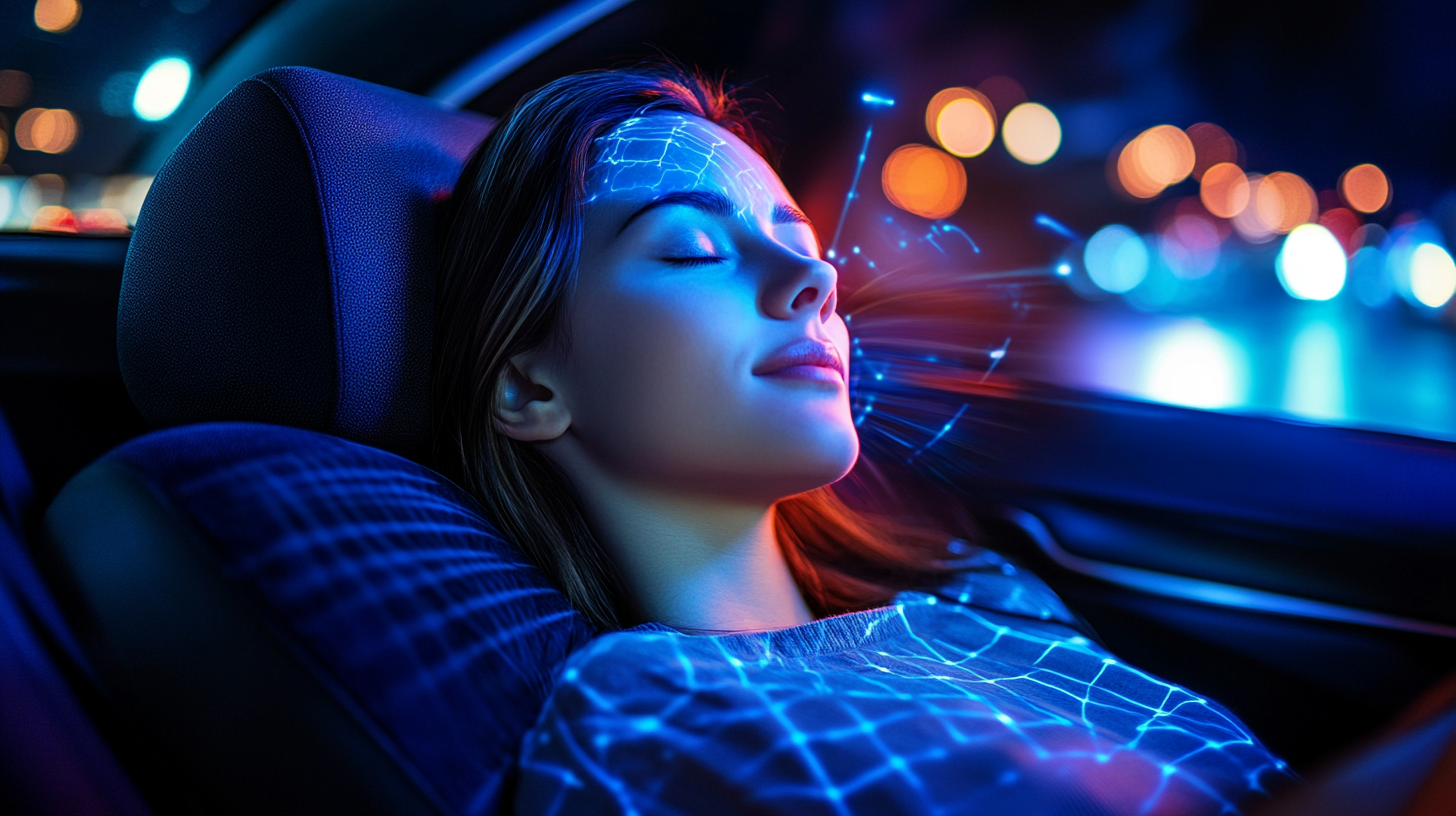
You know, when it comes to Driver Sleep Detection Systems, making them user-centric is absolutely crucial. By really putting the driver at the heart of the design process, developers can whip up alerts that don't just ping the driver when they're feeling tired, but engage them in a totally intuitive way. For example, think about using feedback that adapts according to how different drivers do things. This tailored approach can really boost the chances that drivers will listen up and respond. It’s like turning what could just be a standard warning into a helpful tool for keeping everyone safe on the road.
And let's be real, for these Driver Sleep Detection Systems to work well, the user experience has to be front and center. It’s all about crafting interfaces that are simple to navigate and clear as day, making it easy for drivers to check in on how alert they are. You can throw in visual signals, soft sounds, and even vibrations to keep drivers clued in about their state without adding more distractions. This way, the systems keep the driver engaged while also driving home the importance of getting some rest. By focusing on the driver’s well-being, we empower them and encourage responsible driving habits—something that’s super important to avoid those nasty accidents that can happen when someone’s nodding off behind the wheel.
Lately, we've seen some pretty cool advancements in sleep detection systems that are making a real difference when it comes to road safety. One interesting example is how some companies are using fancy tech, like multimodal neural networks, to get a better handle on driver fatigue. These systems tap into a bunch of different data sources—think biometric sensors and in-vehicle monitors—to spot when a driver might be getting sleepy. By looking at the complex patterns in sleep data and other behavioral signals, they can send out timely alerts that could help prevent accidents caused by drowsiness.
Another fascinating case comes from the transportation world, where businesses are really making strides by using AI to sharpen their sleep detection skills. They’re not just diagnosing sleep disorders, like obstructive sleep apnea, but also customizing solutions to help keep drivers more alert. The success stories here really highlight how crucial the blend of artificial intelligence and sleep medicine can be; it’s amazing how innovative ideas can lead to safer roads. These real-life examples really stress the point that we need to keep investing in sleep detection technology. It’s a vital piece of the puzzle in our ongoing battle against driver fatigue.
You know, as the rules around sleep detection systems are constantly changing, it’s really important for us to keep up with the best practices to keep our roads safe. I mean, the numbers are pretty startling—data from the National Highway Traffic Safety Administration (NHTSA) suggests that drowsy driving is behind about 100,000 crashes every year in the U.S. That’s a huge deal! So, if we want to tackle this issue, we need to embrace industry-specific benchmarks and bring in advanced tech like those connected sensor systems that can really make a difference.
Having these connected sensors, kind of like what’s used in healthcare, could really change the game when it comes to keeping an eye on Driver Alertness. We’re now seeing the development of new evaluation frameworks to really dig into how reliable and effective these systems can be. There’s this study from the Journal of Sleep Research, and it claims that with accurate algorithms and real-time monitoring, we could cut down those drowsiness-related accidents by up to 20%! That’s a pretty significant reduction. If we implement this kind of tech, regulatory agencies can actually encourage better driving habits and help boost overall road safety.
But here’s the deal: automotive manufacturers, tech providers, and regulatory bodies all need to work together. Teamwork is going to be key to put together comprehensive guidelines that really put safety first. We should definitely lean on what’s already been established in the medical field to make sure these sleep detection systems are effective and meet strict performance standards, especially as the challenges on our roads keep changing.
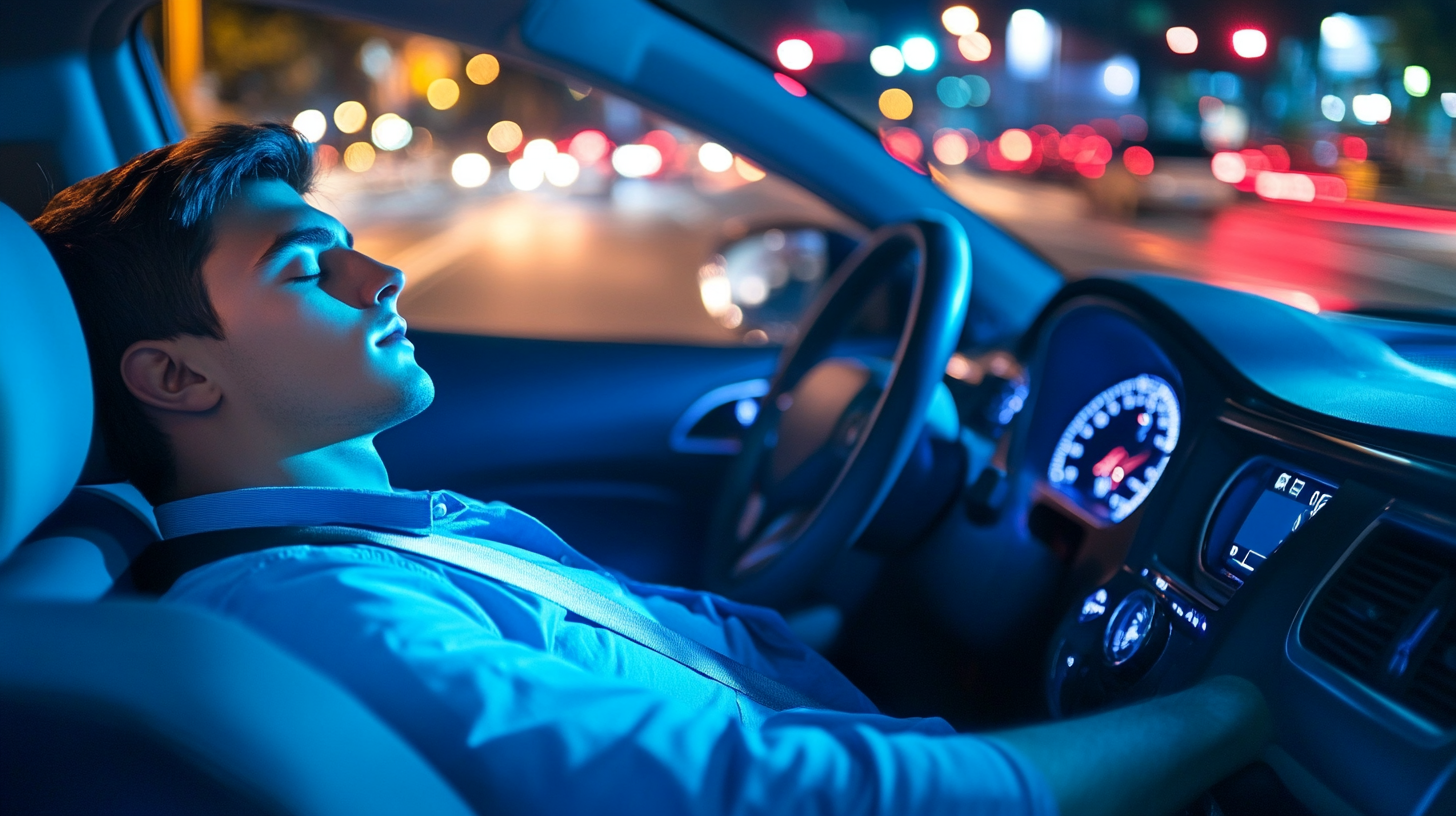
The safety of children is a paramount concern for parents and caregivers alike. With the rapid advancements in technology, 60GHz presence detection technology emerges as a groundbreaking solution to enhance child safety. This technology’s capability to accurately detect breathing and heart rates of living subjects adds a crucial layer of protection, ensuring that even subtle changes in a child's condition can be monitored effectively. Studies suggest that timely interventions based on real-time data can significantly improve outcomes in emergency situations, highlighting the value of such innovative solutions.
One of the standout features of this technology is its detection range resolution of less than 0.06m and accuracy within 1cm. Such precision is critical in residential environments where children are active and often out of sight. The maximum detection range of up to 10m, combined with a minimal blind area of only 0.1m, enables comprehensive monitoring without the need for intrusive equipment. This capability ensures that caregivers can keep track of children’s whereabouts while respecting their space and independence.
The integration of Calterah’s CAL77S244 processor and RF technology, with a remarkable 50ms target update rate, further enhances the system's responsiveness. According to reports from industry leaders, adopting advanced detection technologies not only addresses safety concerns but also complies with ENCAP standards, reinforcing the reliability and trustworthiness of these modern safety solutions. As we strive to create safer environments for our children, the promise of 60GHz presence detection technology stands out as a game changer.
I and advanced sensors in sleep detection systems?
They enable the development of highly sensitive neural sensors that monitor drivers' physiological signals, allowing vehicles to detect signs of drowsiness and alert drivers, thus helping to prevent accidents caused by sleep deprivation.
User-Centric Design optimizes Driver Sleep Detection Systems by creating intuitive alerts that engage drivers and increase their compliance and responsiveness when fatigue is detected.
They can tailor alerts based on individual driver habits and preferences, transforming simple warnings into essential tools for enhancing road safety.
They should incorporate easy-to-navigate interfaces, visual cues, gentle auditory signals, and haptic feedback to help drivers monitor their fatigue levels without causing distraction.
By engaging drivers in their well-being and raising awareness about their fatigue levels, these systems foster a culture of safety on the roads, essential for preventing accidents caused by sleep-related impairments.
The rising awareness of the risks associated with driver fatigue and the need for improved road safety measures are driving the demand for advanced sleep monitoring solutions.
These applications could expand the reach and efficiency of sleep monitoring systems, making it easier to assess and manage driver fatigue on a broader scale.
Ignoring driver fatigue can lead to impaired driving, higher accident rates, and increased fatalities on the roads due to sleep-related impairments.
By promoting awareness and responsibility regarding fatigue, drivers are more likely to make informed decisions about rest, thus reducing the likelihood of sleep-related accidents.