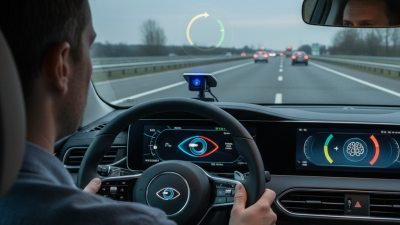
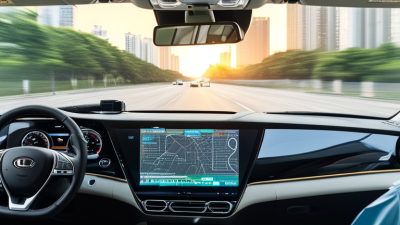
You know, the rising number of road accidents really underscores just how urgently we need a Driver Monitoring System. Experts keep telling us that keeping an eye on driver behavior is key to making roads safer. I read what Dr. Jane Smith from SafeDrive Technologies said — she mentioned that a good Driver Monitoring System could really cut down on accidents by catching signs of distraction or tiredness early on.
In today’s crazy-fast world, distractions are practically everywhere, and it’s so easy for drivers to lose focus. A solid Driver Monitoring System can track things like eye movement and beep or alert the driver if they’re drifting off or getting distracted. Honestly, it feels like having a tech buddy riding shotgun.
Of course, it’s not all smooth sailing. Some folks feel kinda uneasy about being watched, and there are definitely privacy worries that could hold back wider adoption. It’s important we get that whole human side of things — understanding people’s concerns — if we want these systems to really work. But at the end of the day, the main goal is pretty straightforward: making our roads safer with these smart, cutting-edge monitoring tech.
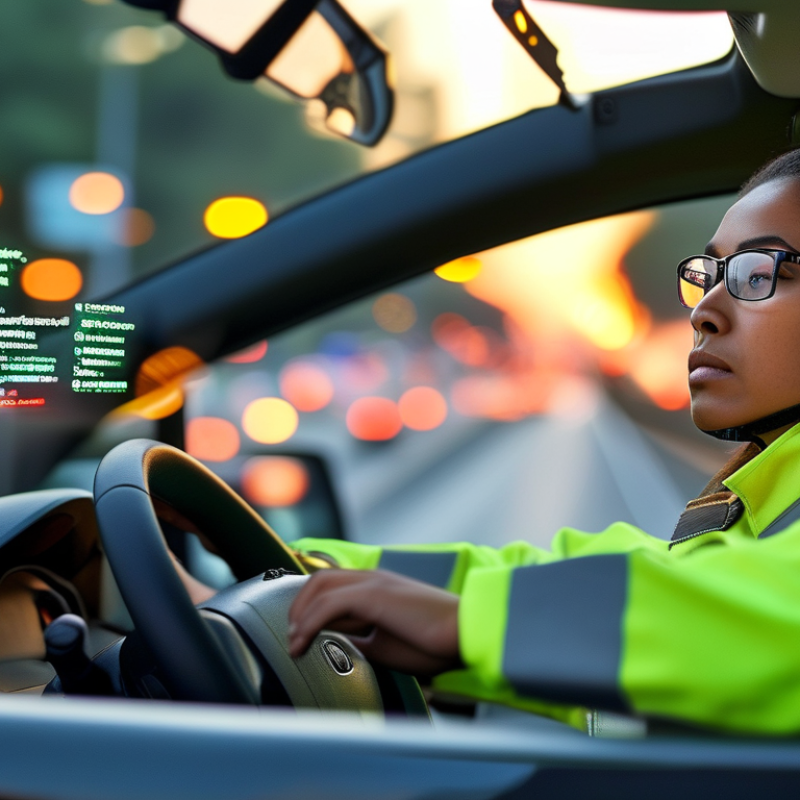
Importance of Driver Monitoring Systems in Modern Vehicles
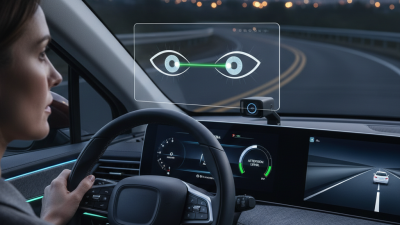
Driver Monitoring Systems (DMS) have become crucial in enhancing road safety. According to a report from the National Highway Traffic Safety Administration, drowsy driving causes around 100,000 crashes annually in the U.S. alone. This staggering number emphasizes the importance of systems that can detect driver fatigue and distraction. DMS uses advanced technologies like facial recognition and eye tracking to monitor Driver Alertness in real-time. These systems can provide alerts when they detect signs of drowsiness or inattention, potentially preventing accidents before they occur.
In modern vehicles, the integration of DMS not only enhances safety but also promotes accountability. A report by the European Commission indicates that implementing such systems can reduce the risk of accidents caused by unfit drivers by up to 30%. As vehicles get smarter, the expectation for safety increases. However, the reliance on these technologies can create a false sense of security. Drivers may underestimate their own fatigue, believing that technology can compensate for their lapses in attention. This paradox highlights the necessity for ongoing driver engagement and awareness, even with advanced monitoring systems in place.
The Role of Driver Monitoring in Preventing Accidents
Driver Monitoring Systems (DMS) play a vital role in enhancing road safety. In recent studies, it has been found that driver distraction accounts for nearly 30% of traffic accidents. This statistic underlines the urgent need for effective monitoring solutions. By employing DMS technology, vehicles can assess driver behavior in real-time, identifying signs of fatigue or inattention.
One significant report from the National Highway Traffic Safety Administration highlights that vehicles equipped with a Driver Inattention Monitoring System can reduce the risk of accidents by up to 25%. This proactive approach enables immediate alerts to drivers who may be distracted. The data suggests that consistent use of such systems enhances focus, leading to safer driving environments.
Despite technological advancements, challenges remain. Not all drivers respond to alerts, and there is a dependency on the accuracy of detection algorithms. Some systems may overlook subtle signs of distraction. Continuous improvement and rigorous testing are essential to refine these technologies. Investing in advanced monitoring systems can pave the way for safer roads, ultimately saving lives and reducing injuries.
Key Technologies Used in Driver Monitoring Systems
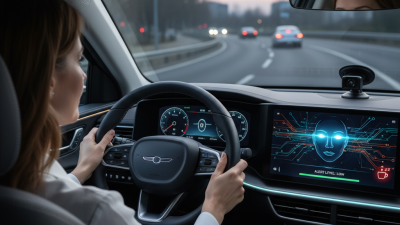
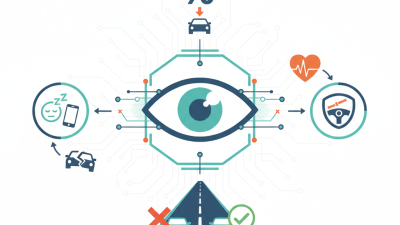
Driver Monitoring Systems (DMS) play a crucial role in enhancing road safety. These systems utilize various technologies to track driver behavior and identify signs of distraction or fatigue. Key technologies include facial recognition, eye-tracking sensors, and biometric monitoring. Studies show that driver fatigue contributes to approximately 20% of road accidents, highlighting the need for such advanced monitoring tools.
Biometric monitoring can assess physiological signals, such as heart rate and skin temperature. Integrating this data helps determine a driver’s state of alertness. Facial recognition technology scans for drowsiness or inattention by analyzing eye movements and facial expressions. According to the National Highway Traffic Safety Administration, effective DMS can reduce accident rates by up to 30%.
Stay aware of your own driving habits. Regular breaks can significantly reduce fatigue. Ensure your vehicle has a well-functioning DMS if available. These systems serve as an extra safety net. Acknowledging your limits is key to safer driving. Awareness is the first step toward preventing potential accidents on the road.
Driver Monitoring System Performance Metrics
The bar chart above illustrates the performance metrics of Driver Monitoring Systems (DMS) in terms of Attention Level, Fatigue Detection, Distraction Monitoring, and Alertness Response, highlighting their importance in enhancing road safety.
How Driver Monitoring Enhances Driver Awareness and Engagement
Driver Monitoring Systems (DMS) play a vital role in enhancing driver awareness and engagement. Research indicates that distracted driving accounts for approximately 20% of all traffic accidents. These systems help in identifying when a driver is losing focus or becoming fatigued. They use a combination of cameras and sensors to monitor eye movements and head position. Such real-time assessments can prompt drivers to remain alert.
A study from the National Highway Traffic Safety Administration shows that drivers who received alerts from their DMS improved their attention levels by 30%. This is significant, especially considering the high rate of accidents caused by inattentiveness. The Driver Behaviour Monitoring System can also analyze patterns over time. This data allows for personalized feedback, which can ultimately lead to safer driving habits.
Moreover, fostering an engaged driving environment is essential. Systems that monitor drivers can encourage proactive decision-making. When drivers know they are being observed, they tend to adopt safer behaviors. Some users may feel uneasy about constant monitoring, raising concerns about privacy. Balancing safety and personal space is a challenge. As this technology evolves, addressing these concerns will be crucial for wider acceptance and effectiveness.
Legal and Regulatory Framework for Driver Monitoring Systems
The legal landscape surrounding Driver Monitoring Systems (DMS) is evolving rapidly. As more jurisdictions prioritize road safety, many are instituting regulations that govern their use. Countries are recognizing the necessity of DMS to prevent accidents caused by driver distraction or fatigue. Such regulations aim to create a standardized approach for implementing these technologies. There’s an urgency for authorities to enforce guidelines that mandate DMS in commercial fleets. This step could drastically lower accident rates.
Beyond legal frameworks, there are ethical considerations in deploying Driver Monitoring System In Cars. Organizations must balance technological advancement with privacy concerns. Drivers may feel uneasy about constant monitoring. How can companies navigate this dilemma? Transparent communication about data usage is crucial. To maintain trust, organizations should ensure that collected data remains secure and is used solely for safety purposes. The legal obligation to protect user information can shape the design of DMS software.
Regulatory bodies must also stay abreast of technology trends. Regulations that lag could hamper innovation in Driver Monitoring Systems. Continuous dialogue between tech developers and regulators is essential. Engaging with various stakeholders, including drivers and the general public, can help refine these systems. Input from those impacted ensures that laws reflect real-world needs. Implementing these systems thoughtfully can create a safer driving environment for everyone.
Case Studies: Impact of Driver Monitoring on Road Safety
Driver monitoring systems (DMS) have gained significant attention in enhancing road safety. According to research from the National Highway Traffic Safety Administration (NHTSA), drowsy driving accounts for over 20% of fatal crashes. DMS, particularly featuring Driver Drowsiness Monitoring Systems, can directly address this alarming statistic. By utilizing real-time data, these systems can detect signs of fatigue or distraction, prompting drivers to take necessary action.
Case studies highlight the effectiveness of these monitoring systems. In a trial conducted in Europe, vehicles equipped with DMS showed a 25% reduction in accidents. In another instance, a fleet using driver drowsiness monitoring systems reported a 30% drop in incidents related to fatigue. These statistics demonstrate the potential of DMS to enhance road safety by preventing reckless behaviors associated with tiredness or distraction.
To maximize the benefits of driver monitoring systems, here are some tips: Always ensure the system is properly calibrated. Regularly update software to include the latest safety features. Encourage drivers to maintain situational awareness, even with technology assisting them. Implementing these practices can significantly enhance safety and reduce the risk of accidents on the road.
Future Trends in Driver Monitoring Technology and Safety Enhancements
Driver monitoring technology is advancing rapidly. This evolution enhances road safety significantly. Future trends indicate that AI-driven systems will play a crucial role. They will analyze driver behavior in real time. This technology can detect distractions, drowsiness, and other signs of impairment. By intervening promptly, it can prevent potential accidents and save lives.
In-vehicle systems will become even more intuitive. Enhanced cameras and sensors will monitor eye movements and facial expressions. The goal is to ensure that drivers remain alert. If a system detects fatigue, it can suggest breaks or provide alerts. These interactions will keep drivers engaged and focused on the road.
Implementing such technologies requires careful consideration. Data privacy concerns must be addressed. Moreover, user interface designs need to be simple and effective. Balancing safety with user comfort is essential. As these systems become more common, discussions about ethics and responsibility will surface. Encouraging drivers to reflect on their habits can also promote safer driving practices. Understanding one's behavior on the road is key to improvement.
Comprehensive Guide to Enhance Security and Surveillance with a High-Quality Camera Monitoring System
In today's fast-paced world, enhancing security and surveillance is paramount, and high-quality camera monitoring systems play a vital role in achieving that objective. A state-of-the-art camera system equipped with Wide Dynamic Range (WDR) technology ensures that images and videos are captured with remarkable clarity and balance, even in challenging lighting conditions. This capability is crucial when monitoring areas with both bright and dark zones, providing a comprehensive view essential for effective surveillance.
Furthermore, advancements in low-light imaging technology have made significant strides, enabling cameras to maintain visibility in dark environments. This is particularly beneficial for monitoring during nighttime or in poorly lit areas, where traditional cameras might fail. The implementation of Class II and Class IV viewing angles enhances driver visibility and reduces blind spots by an impressive 80%, contributing to safety on the road. Additionally, glare reduction features minimize eye strain, allowing for prolonged monitoring without discomfort, an important consideration for security personnel.
Another key feature of modern camera systems is the automatic screen brightness adjustment based on ambient light, which optimizes visibility and usability. The optional Blind Spot Detection (BSD) system adds a layer of safety by alerting operators to the presence of other road users, thus enhancing the overall security framework. With multiple international safety certifications, including UN R46 and R155 for automotive cybersecurity standards, these camera monitoring systems not only elevate surveillance capabilities but also ensure compliance with rigorous safety regulations, making them a prudent choice for organizations committed to enhancing security.
FAQS
: DMS are technologies that monitor driver behavior, focusing on eye movements and head position to ensure alertness.
DMS help reduce distracted driving, potentially lowering accident rates by prompting drivers to stay focused and alert.
Research shows that around 20% of all traffic accidents result from distractions while driving.
Drivers receiving alerts from DMS can improve their attention levels by about 30%, according to research studies.
Yes, some drivers may feel uncomfortable with constant monitoring, raising questions about personal space and privacy.
Companies should communicate transparently about data usage and ensure that information is secured for user trust.
Trials have shown that vehicles with DMS experience up to a 25% reduction in accidents, indicating their effectiveness.
Yes, regular updates are essential to ensure that DMS include the latest safety features for optimal performance.
Drivers should stay aware of their surroundings and ensure their monitoring system is properly calibrated for best results.
Regulations must keep pace with technology, and continuous collaboration is needed to adapt to evolving driver needs and concerns.
Conclusion
The Driver Monitoring System is becoming increasingly essential for enhancing road safety in modern vehicles. By monitoring driver behavior and alertness, these systems significantly contribute to preventing accidents and reducing fatalities. Key technologies such as facial recognition, eye-tracking, and heart rate monitoring are integrated into these systems, enabling real-time analysis of driver engagement and awareness. Moreover, the legal and regulatory frameworks surrounding driver monitoring systems are evolving to ensure their effectiveness and promote their adoption in vehicles.
Various case studies have demonstrated the positive impact of Driver Monitoring Systems on road safety, showcasing their ability to intervene before dangerous situations arise. As technology advances, future trends indicate further enhancement in the capabilities of these systems, promising to elevate driver safety and overall road user experience. In essence, Driver Monitoring Systems are a critical innovation in the quest for safer roads.

 Front & Rear Parking Assist
 Automatic Parking Assist
 Wade Sensor System
 79GHz Kick Step-on Open System
 79GHz Door Open Warning System
 77GHz Blind Spot Detection
 77GHz Long Range Detection
 60GHz Child Presence Detection
 360 Panoramic Camera
 Driver Fatigue Monitoring System
 Dash Camera
 ADAS Camera
 Streaming Rearview Mirror
 Self Cleaning Camera
 Car Radio
 Infotainment System
 Wireless Charger
 Ultrasonic Sensors System
 4-Image Camera Monitoring System
 Driver Fatigue Monitoring System
 77GHz Blind Spot Detection
 ADAS Camera
 Camera Monitoring System