Front & Rear Parking Assist
 Automatic Parking Assist
 Wade Sensor System
 79GHz Kick Step-on Open System
 79GHz Door Open Warning System
 77GHz Blind Spot Detection
 77GHz Long Range Detection
 60GHz Child Presence Detection
 360 Panoramic Camera
 Driver Fatigue Monitoring System
 Dash Camera
 ADAS Camera
 Streaming Rearview Mirror
 Self Cleaning Camera
 Car Radio
 Infotainment System
 Wireless Charger
 Ultrasonic Sensors System
 4-Image Camera Monitoring System
 Driver Fatigue Monitoring System
 77GHz Blind Spot Detection
 ADAS Camera
 Camera Monitoring System
Leave Your Message
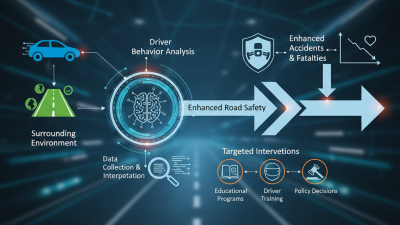
Lately, road safety has become a big deal, especially with more and more people getting distracted behind the wheel. Have you heard about the new Driver Inattention Monitoring System? It’s really promising and could totally change how we stay safe on the roads by 2026. According to the NHTSA, almost 30% of accidents happen because drivers aren’t paying attention, which is pretty shocking. It just shows we desperately need smarter solutions.
So, how does this DIMS actually work? Well, it uses some pretty sophisticated tech, like facial recognition and eye-tracking, to figure out if the driver is distracted. Companies like Seeing Machines and Smart Eye have been leading the charge here. They’ve found that these systems can boost driver awareness by around 15%—pretty impressive, right? For commercial trucks and fleets, that kind of bump in safety could save thousands of lives every year.
Of course, it’s not all smooth sailing. Some folks might feel a bit uneasy with the idea of constantly being watched. And then there’s the whole privacy thing—people are right to be concerned about how their data is collected and used. Finding the right balance between keeping everyone safe and respecting personal privacy is a tricky conversation we definitely need to have. At the end of the day, we want these systems to help prevent accidents without feeling like we’re sacrificing our freedoms or feeling watched all the time.

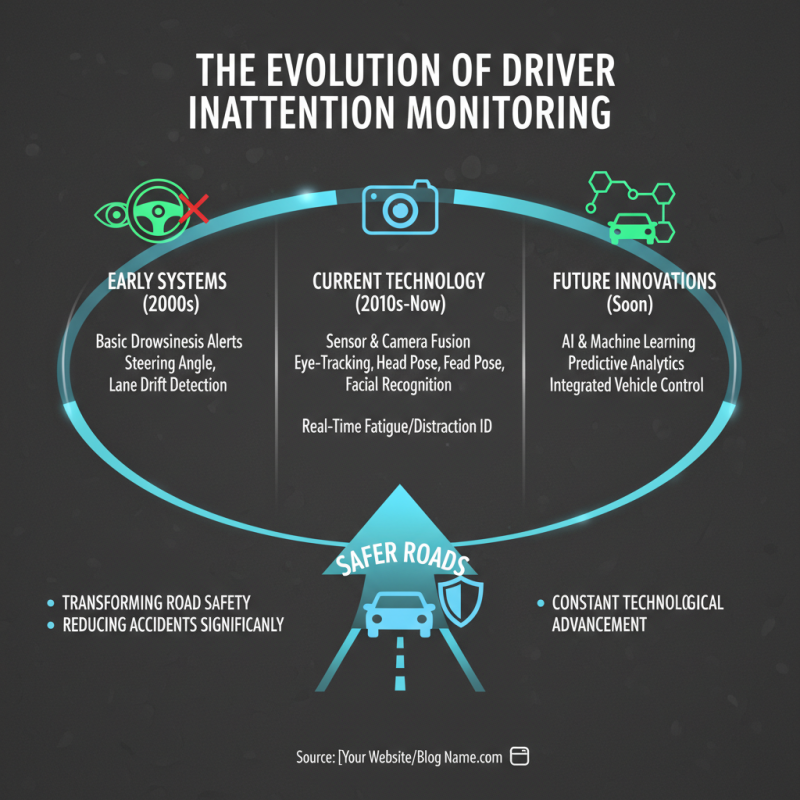
Driver inattention monitoring systems are transforming the way we approach road safety. As technology evolves, these systems are becoming more sophisticated. They use sensors and cameras to detect driver behavior. They can identify signs of fatigue or distraction in real-time. This level of monitoring can reduce accidents significantly.
In 2026, we might see mainstream acceptance of OEM Driver Inattention Monitoring Systems. This could lead to a cultural shift in how we view driving. Rather than simply being responsible for ourselves, drivers may feel more accountable for their actions on the road. However, this innovation is not perfect. There are concerns about over-reliance on technology. Drivers might neglect their own awareness due to these systems.
Moreover, the ethics of monitoring raises questions. How much surveillance is too much? Privacy vs. safety is a critical debate. Balancing these issues will shape the future of driver inattention systems. Finding that equilibrium is essential for public trust. As we embrace these changes, reflection on their implications is crucial.
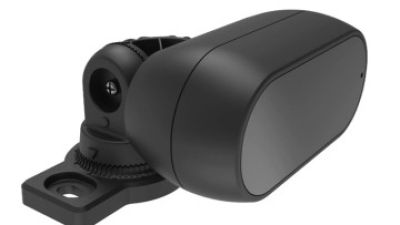
Driver fatigue is a critical factor contributing to road accidents, underlining the necessity for effective monitoring systems to enhance road safety. One of the key advancements in this field is the implementation of sophisticated driver fatigue monitoring systems that boast impressive accuracy rates, with identification missed rates and wrong rates maintained below 3%. This reliability significantly reduces the potential for accidents caused by drowsy driving, ensuring that drivers receive timely alerts when their attention begins to wane.
Additionally, these monitoring systems integrate advanced technologies such as 2G3P and IP67 ratings, providing robustness against environmental challenges. They also feature excellent optical distortion correction, which is vital for capturing clear, accurate images of driver behavior. With effective pixels exceeding 1280 by 720 and a central resolution of 720 lines, these systems deliver high-quality visual data that supports proactive measures in fatigue detection. Utilizing a 940nm filter glass alongside 940nm infrared lamps further enhances image recognition accuracy, even in low-light conditions, thereby ensuring that Driver Monitoring is uninterrupted and dependable.
Incorporating both face and behavior monitoring functions, these systems can discern critical signs of fatigue and distraction in real time. By leveraging such innovative technologies, the role of driver fatigue monitoring systems becomes essential in safeguarding lives on the road. As the implementation of these systems grows, we can anticipate a significant reduction in accident rates attributed to driver fatigue, ultimately fostering safer driving environments for everyone.
: These systems aim to detect driver inattention and enhance road safety.
They use cameras and sensors to monitor driver behavior in real-time.
Alerts trigger when a driver’s attention wanes or signs of fatigue appear.
Advanced features like facial recognition and integration with navigation systems are anticipated.
Yes, privacy concerns may arise despite the focus on safety.
Dependency may cause complacency, leading to less engagement with driving.
Yes, false alarms can frustrate drivers and undermine trust in the system.
Ongoing education about driver alertness is critical for safety and responsibility.
It has the potential to improve safety, but effectiveness depends on driver engagement.
They must align efforts to enhance overall safety initiatives and integrate technology seamlessly.
The article discusses the upcoming changes in road safety and driving behavior expected from the implementation of Driver Inattention Monitoring Systems (DIMS) by 2026. It outlines the evolution of these systems, highlighting key technologies that enable accurate monitoring of driver attentiveness. These advancements are projected to significantly enhance road safety and contribute to accident prevention by providing real-time feedback to drivers and alerting them when their attention may waver.
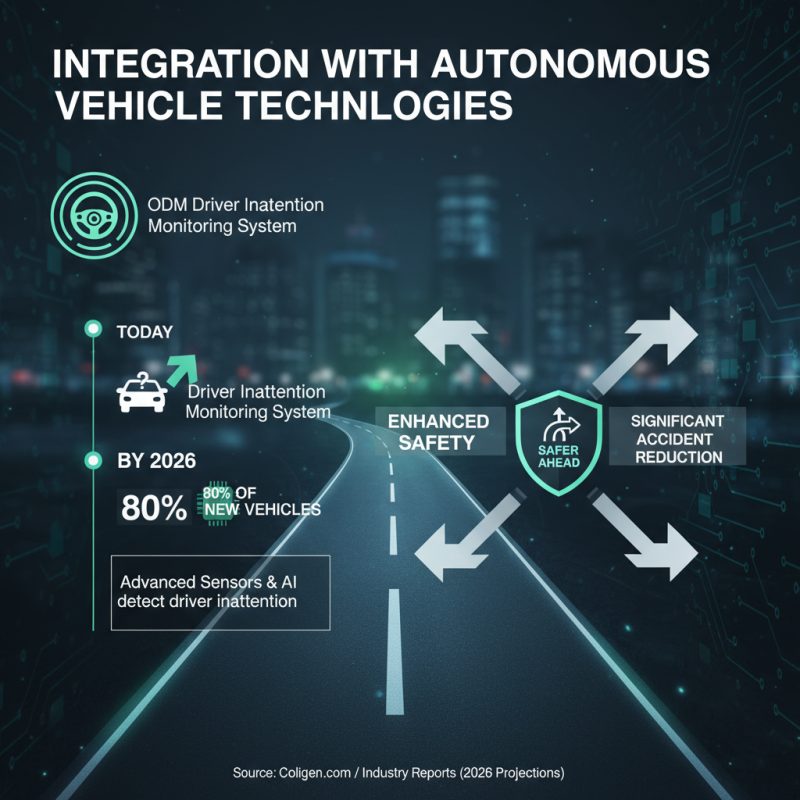
Moreover, the article examines the legal and regulatory considerations necessary for a successful rollout of DIMS, along with the public perception and acceptance of such monitoring technologies. The integration of DIMS with autonomous vehicle technologies is also discussed, indicating a trend toward smarter, safer driving environments. Future developments in driver monitoring systems suggest a continual advancement in this area, promising to further transform the landscape of road safety.