In today's super busy world, it's more important than ever to stay focused while driving, but distraction has become a real problem. You know, studies show that inattentive driving is behind a huge number of accidents, which is pretty worrying. That's why new safety tech, like the Driver Inattention Monitoring System, is such a big deal. Basically, it’s designed to spot when you're getting distracted on the spot.
Honestly, this kind of tech is a game-changer. As much as we all want to focus, there are so many things pulling our attention—smartphones, talking to passengers, even just the everyday chaos. The Driver Inattention Monitoring System helps out by using sensors and clever algorithms to keep an eye on your behavior. When it detects you might be drifting, it gives a gentle nudge or alert, which can really make a difference. That kind of proactive approach? Totally life-saving.
Of course, no system is perfect. Sometimes, they might give false alarms or not be sensitive enough, and that’s something developers are always trying to improve. The key is continuous updates and listening to user feedback so these tools feel more natural and reliable. At the end of the day, if we’re serious about making roads safer, tech like this – and our responsible use of it – is gonna be a huge part of the puzzle.
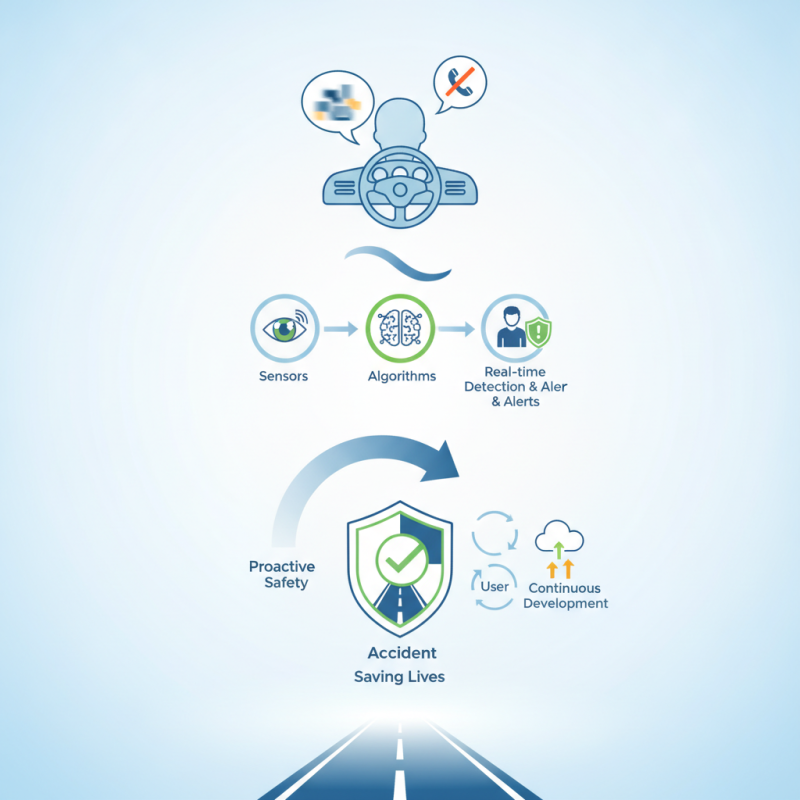
Importance of Driver Inattention Monitoring Systems in Reducing Accidents
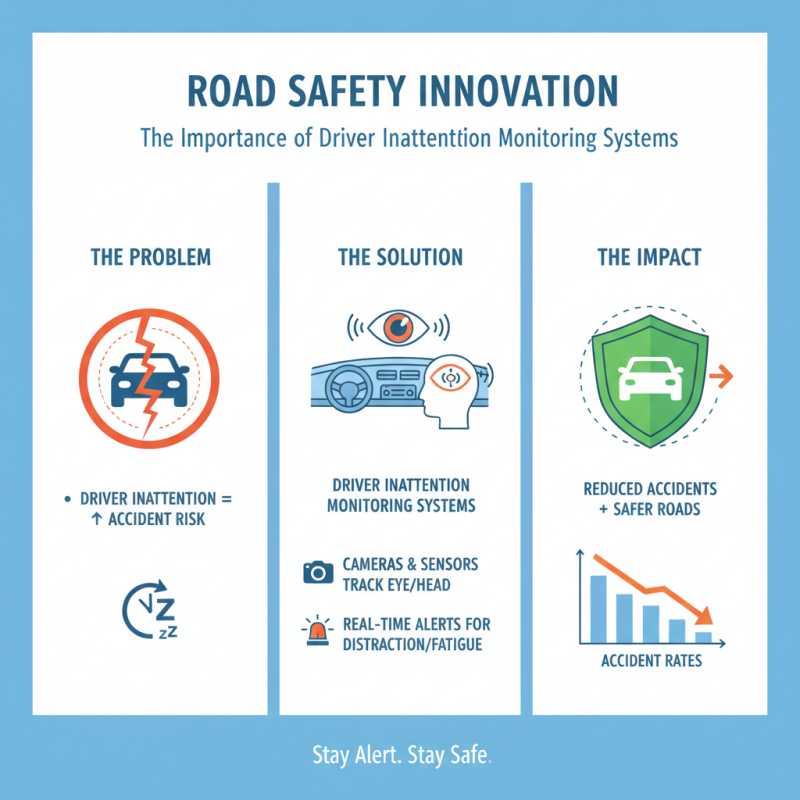
Driver inattention remains a significant factor in road accidents. Studies show that when drivers lose focus, the risk of collisions dramatically increases. A Driver Inattention Monitoring System can help mitigate these dangers. Vehicles equipped with such systems use cameras and sensors to track a driver's eye movements and head position. This real-time monitoring alerts drivers when they begin to show signs of distraction or fatigue.
Implementing an OEM Driver Inattention Monitoring System is essential in today’s fast-paced world. It encourages drivers to stay alert and attentive. Many systems employ auditory or visual signals to nudge drivers back to focusing on the road. However, the effectiveness of these systems can sometimes be questioned. Some drivers may ignore the warnings, believing they can manage without assistance. This highlights a need for better education on the importance of driver attention.
The reliance on technology to combat driver inattention brings challenges. Not all monitoring systems are created equal. Some may provide false alarms, causing frustration among users. Manufacturers need to ensure that these systems are both reliable and responsive. Without this commitment to quality, the impact on safety may be diminished. Ultimately, understanding and addressing these limitations is crucial for enhancing road safety through effective monitoring systems.
Statistics on Driver Distraction: A Global Perspective
Driver distraction has become a critical concern globally. According to the World Health Organization, around 1.35 million people die each year in road traffic accidents. A significant portion of these incidents is linked to driver inattention. For instance, a study from the National Highway Traffic Safety Administration reveals that distracted driving accounts for nearly 9% of fatal crashes in the United States. This stark statistic underlines the urgency for systems that monitor driver attentiveness.
Moreover, the European Commission estimates that driver distraction contributes to 30% of all road accidents. The types of distractions range widely, from mobile phone usage to adjusting in-car entertainment systems. Even a momentary lapse in focus can lead to catastrophic outcomes. This highlights the need for innovative solutions like the Wholesale Driver Inattention Monitoring System. By providing real-time feedback, these systems can help drivers regain focus and ultimately save lives.
Research indicates that integrating inattention monitoring features can reduce accident rates significantly. A study from the Virginia Tech Transportation Institute demonstrated that drivers who received alerts about their distraction levels experienced a 25% decrease in risky behavior. Implementing such technology is not just advantageous but essential for the safety of all road users.
Statistics on Driver Distraction: A Global Perspective
Driver inattention is a significant factor in road safety, contributing to a large percentage of traffic accidents worldwide. The following chart illustrates the distribution of causes of driver distraction based on recent studies.
Overview of Technologies Used in Driver Inattention Monitoring
Driver Inattention Monitoring Systems (DIMS) are critical in modern automotive safety. These systems utilize advanced technologies, like camera and sensor-based monitoring, to detect signs of driver distraction or drowsiness. In fact, research indicates that driver inattention contributes to around 25% of traffic accidents worldwide. With such alarming statistics, it's evident that incorporating these technologies is vital.
Face detection and eye-tracking are two widely used methods. These technologies analyze the driver’s gaze direction and blink patterns. When an unusual pattern is detected, the system can prompt the driver to regain focus. Machine learning algorithms enhance these systems’ accuracy by continuously learning from real-time data. A report by the National Highway Traffic Safety Administration highlights that DIMS can reduce collisions by up to 20%.
Tips for effective usage: Ensure that monitoring systems are regularly updated. This guarantees that the technology adapts to changing conditions. Drivers should also remain aware of their own habits that may cause distraction, like phone use or daydreaming. Investing in DIMS not only fosters safer driving but also promotes a culture of attentiveness on the road, which can lead to a significant decrease in accidents.
Impact of Driver Inattention on Road Safety: Case Studies and Data
Driver inattention is a leading cause of accidents on the road. Studies have shown that distracted driving accounts for nearly 25% of all traffic fatalities. The National Highway Traffic Safety Administration reported that in 2020 alone, around 3,142 lives were lost due to distracted driving. This alarming statistic highlights the urgent need for effective solutions. Implementing systems like the ODM Driver Inattention Monitoring System can substantially improve road safety by alerting drivers when their focus drifts.
Real-world case studies illustrate the impact of driver inattention. For instance, researchers found that after installing monitoring systems in commercial fleets, distraction-related incidents dropped by 30%. These systems use advanced sensors to track driver behavior, providing valuable feedback in real-time. Another study emphasized that drivers who received alerts about their inattentiveness showed a 40% reduction in erratic driving patterns. This data underscores the importance of monitoring driver focus to prevent accidents.
While technology has made significant strides, not all drivers respond to alerts effectively. Some may reportedly dismiss warnings, believing they can manage distractions. This highlights the need for continuous education and awareness campaigns alongside technological advancements. The challenges in changing driver behavior remind us of the complexity of ensuring safety on our roads.
Regulatory Standards for Driver Inattention Monitoring Systems
Driver Inattention Monitoring Systems are becoming vital for enhancing vehicle safety. Regulatory standards are evolving to address driver distractions more effectively. These systems can detect when a driver is not paying attention, enabling timely alerts to prevent accidents.
Regulatory frameworks often highlight the critical components of these systems. For instance, many require the incorporation of real-time monitoring capabilities. This can include facial recognition technology or eye-tracking systems. Authorities emphasize the importance of accuracy and reliability in these technologies. They aim to ensure that they function correctly under various conditions.
Tips for implementing these systems include regular updates and testing. It is crucial to collaborate with a reputable Driver Inattention Monitoring System Supplier. This helps guarantee that the system meets regulatory standards. Continuous training for drivers on the system's features is also essential. This can promote more responsible driving behavior.
Proper integration of these systems not only improves safety but also enhances overall driver awareness. However, challenges may arise regarding user acceptance and system overload. Users may become desensitized to alerts, potentially diminishing effectiveness. Continuous evaluation of user experience is key to maintaining safety standards.
Future Trends in Driver Inattention Monitoring Technologies
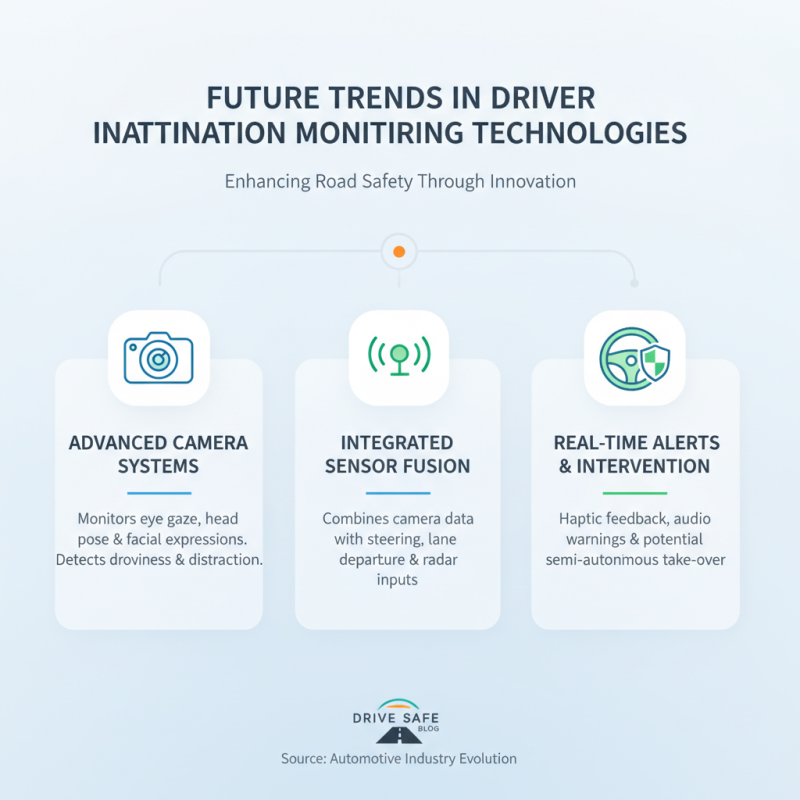
As the automotive industry evolves, driver inattention monitoring systems (DIMS) are gaining traction. These technologies aim to enhance road safety by alerting drivers when their focus wanes. Innovations are emerging continuously. Cameras and sensors now play a vital role in detecting signs of drowsiness or distraction.
Future trends highlight advancements in artificial intelligence. More precise tracking of eye movement is being developed. Systems can differentiate between momentary distractions and severe lapses in attention. These innovations promise to create a safer driving environment. However, there is a need for improvement in adapting these systems to various driving conditions.
Tips: Regularly engage with your vehicle’s monitoring systems. Familiarize yourself with alerts and warnings. Stay proactive; use these alerts to assess your attention levels.
With the integration of advanced technologies, ethical considerations arise. It is essential to find a balance between driver privacy and safety needs. Striking this balance will be crucial as these systems expand. Moreover, drivers must remain vigilant and not entirely rely on technology. The human element in driving cannot be overlooked.
Integrating Driver Inattention Monitoring with Advanced Driver Assistance Systems
Driver Inattention Monitoring Systems (DIMS) are becoming vital as roads evolve. Reportedly, around 20% of all accidents are linked to driver distraction, as noted in the National Highway Traffic Safety Administration reports. By integrating DIMS with Advanced Driver Assistance Systems (ADAS), we gain a multi-layered approach to enhance road safety. These systems use technology to assess a driver's focus, offering real-time feedback to ensure alertness.
The integration can utilize in-cabin cameras and sensors. These detect signs of drowsiness or distraction, such as eye movements or head positions. A study from the Insurance Institute for Highway Safety highlighted that crash rates can be reduced by up to 30% when such systems are employed. It’s worth noting that while the technology is promising, it can also misinterpret a driver’s actions, leading to unnecessary alerts. This potential issue raises questions about user reliance on technology and its interpretation.
Moreover, some drivers may become complacent, believing that technology will completely prevent accidents. This mindset poses a risk. Continuous education on the balance between assistance and human responsibility is crucial. The integration of DIMS and ADAS must not only enhance safety but also promote responsible driving behaviors. Real-world applications of these technologies need constant testing and refinement to ensure reliability.
Enhancing Road Safety: The Essential Role of Driver Fatigue Monitoring Systems in Reducing Accidents
The importance of driver fatigue monitoring systems in enhancing road safety cannot be overstated. Research indicates that tired drivers are responsible for up to 20% of all motor vehicle accidents, highlighting the critical need for effective monitoring solutions. By implementing advanced driver fatigue detection technology, organizations and fleet operators can significantly reduce the risk of accidents caused by drowsy driving.
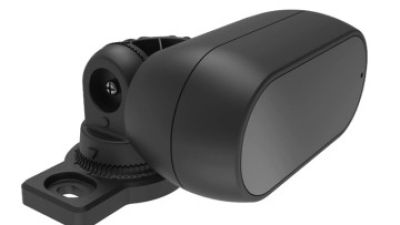
Modern driver fatigue monitoring systems incorporate sophisticated features designed to detect signs of fatigue and distraction. With a missed identification rate of less than 3% and a wrong identification rate also under 3%, these systems offer remarkable accuracy. Equipped with 2G3P technology and an IP67 rating, they are built to withstand tough environmental conditions while delivering high-quality performance. The systems include face and behavior monitoring capabilities, allowing for real-time analysis of the driver’s state and timely alerts when fatigue is detected.
Further enhancing image recognition accuracy, these systems utilize 940nm filter glass paired with infrared lamps, ensuring optimal visibility even in low-light conditions. The effective pixel resolution of 1280x720 and central resolution of 720 lines ensure that the monitoring systems capture clear and detailed images of driver behavior. Adopting such advanced monitoring systems is an essential step towards cultivating safer driving environments and ultimately reducing the staggering statistics associated with drowsy driving.
FAQS
: Driver distraction is when a driver’s attention is diverted from the road. It can lead to serious accidents.
About 1.35 million people die annually in road traffic accidents. Many of these incidents result from driver inattention.
Distractions range from mobile phone use to adjusting car settings. Even brief lapses can lead to severe crashes.
DIMS can reduce collisions by up to 20%. They monitor eye movements and detect Driver Drowsiness.
Yes, technology can sometimes misread actions, causing unnecessary alerts. This could annoy drivers and affect their focus.
Regularly update the monitoring systems. Be aware of personal distractions, like phone use or daydreaming, to improve safety.
Around 20% of all accidents are linked to distraction. This highlights the importance of safety technology integration.
Some drivers may believe technology prevents crashes entirely. This mindset can lead to complacency and increase risks.
Key features include camera monitoring and eye-tracking. These technologies alert drivers if they show signs of distraction.
Education helps balance technology use with personal responsibility. This is essential for fostering a culture of attentive driving.
Conclusion
The article titled "Why is Driver Inattention Monitoring System Essential for Safety?" highlights the critical role that Driver Inattention Monitoring Systems play in enhancing road safety by significantly reducing the incidence of accidents attributed to driver distraction. It presents alarming statistics on global driver distraction, emphasizing the urgent need for effective monitoring solutions. The piece delves into various technologies employed in these systems, illustrating their effectiveness through case studies and relevant data that showcase the detrimental impact of driver inattention on overall road safety.
Additionally, the article discusses existing regulatory standards that govern Driver Inattention Monitoring Systems and anticipates future trends in this evolving field. By integrating these monitoring systems with Advanced Driver Assistance Systems, the potential for improving driver awareness and reducing distractions becomes more achievable, paving the way for safer driving environments and ultimately saving lives.

 Front & Rear Parking Assist
 Automatic Parking Assist
 Wade Sensor System
 79GHz Kick Step-on Open System
 79GHz Door Open Warning System
 77GHz Blind Spot Detection
 77GHz Long Range Detection
 60GHz Child Presence Detection
 360 Panoramic Camera
 Driver Fatigue Monitoring System
 Dash Camera
 ADAS Camera
 Streaming Rearview Mirror
 Self Cleaning Camera
 Car Radio
 Infotainment System
 Wireless Charger
 Ultrasonic Sensors System
 4-Image Camera Monitoring System
 Driver Fatigue Monitoring System
 77GHz Blind Spot Detection
 ADAS Camera
 Camera Monitoring System