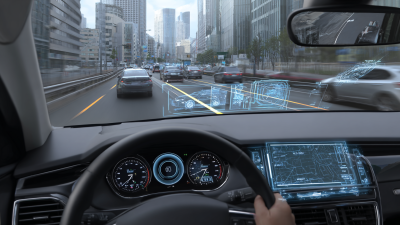
In today's super busy world, keeping everyone safe on the road is more important than ever. You might have heard of Driver Inattention Monitoring Systems (DIMS), and honestly, they’re becoming a real game-changer when it comes to safety. Dr. Emily Harrison, who's pretty well-known in the automotive safety world at SafetyTech Solutions, once said, "Keeping an eye on driver attention can seriously cut down on accidents." Her words really highlight just how much these systems are starting to matter.
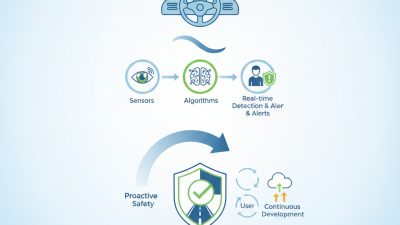
Basically, DIMS uses some pretty smart sensors and algorithms to check if someone’s paying attention or maybe starting to get tired or distracted. The goal? To give drivers a heads-up before things get dangerous. Imagine you're halfway through a drive and get a little distracted by your phone — a good DIMS can step in with a quick warning and help avoid a crash. That’s pretty amazing, right?
Of course, not everyone’s sold on the idea. Some folks think these systems can be a bit invasive, and some even worry they might become lazy and rely on tech instead of staying alert. That’s why it’s super important to get the word out, chat honestly about how these systems work, and help people see them as a helpful tool, not a nuisance. When we do that, we’re just making roads safer for all of us. So yeah, adding Driver Inattention Monitoring really feels like a big step toward better, safer driving for everyone out there.
Importance of Driver Inattention in Road Safety
Driver inattention is a critical factor in road safety. According to the National Highway Traffic Safety Administration (NHTSA), about 390,000 injuries each year result from accidents involving driver distraction. This staggering figure highlights the urgent need for robust monitoring systems. A Driver Inattention Monitoring System (DIMS) can play a vital role in reducing the frequency of these incidents.
Monitoring technology evaluates driver behavior in real-time. It detects signs of inattention, such as head movements or eye closures. For instance, the European Commission's research indicates that such systems could prevent up to 20% of all fatal accidents. This potential reduction underscores the imperative for implementing DIMS in vehicles.
Despite advances, challenges remain. Not all drivers respond to alerts effectively, and not every system is foolproof. A report from the Insurance Institute for Highway Safety indicates that improvements in these systems are still needed. The persistence of distracted driving suggests that even the best technology requires consistent user engagement and education. The focus must remain on both technological and human factors in the pursuit of safer roads.
Defining Driver Inattention Monitoring Systems
Driver Inattention Monitoring Systems (DIMS) play a crucial role in enhancing road safety. These systems are designed to detect signs of distraction or drowsiness in drivers. By monitoring driver behavior, DIMS can alert drivers when their attention falters. This proactive approach can potentially prevent accidents caused by inattention.
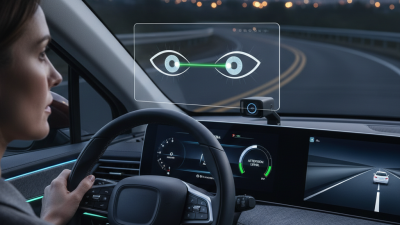
The technology relies on various sensors and algorithms. For instance, cameras track eye movements and facial expressions. When deviations from normal patterns occur, warnings are issued. An OEM Driver Inattention Monitoring System typically analyzes data in real-time. This means that alerts are immediate, creating opportunities for the driver to refocus.
Tips for staying aware while driving include minimizing distractions. Before starting your trip, adjust mirrors and settings. Also, avoid using your phone. Staying engaged with the road is essential. If you feel fatigued, it’s better to rest. Remember, even the best monitoring systems can't replace personal responsibility.
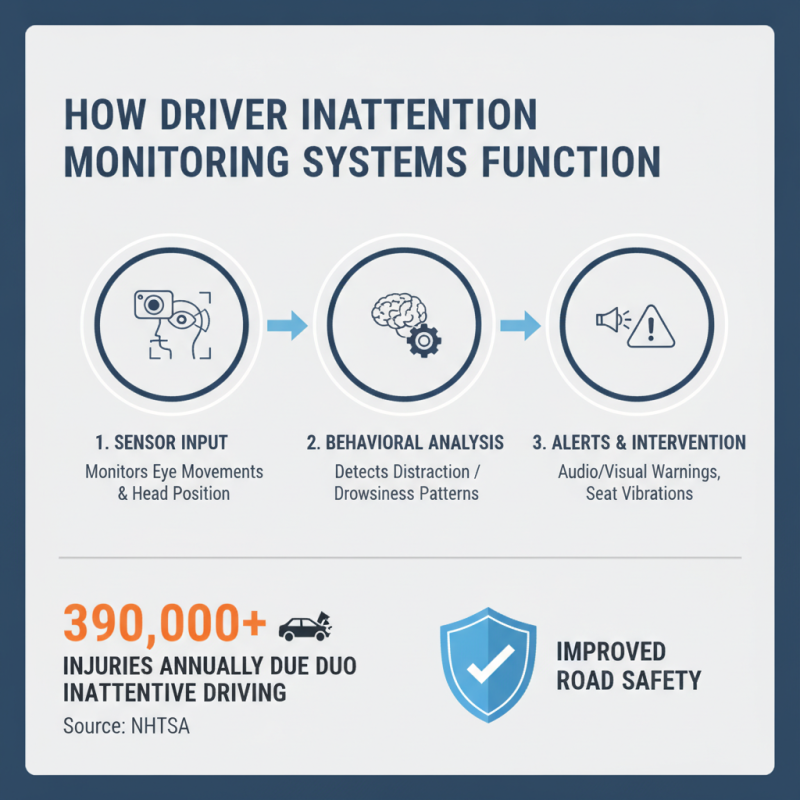
How Driver Inattention Monitoring Systems Function
Driver Inattention Monitoring Systems (DMS) are becoming essential in modern vehicles. These systems use advanced technologies to track driver behavior. By monitoring eye movements and head positions, DMS can detect signs of distraction or drowsiness. According to the National Highway Traffic Safety Administration, over 390,000 injuries occur each year due to accidents involving inattentive drivers. This statistic highlights the urgent need for effective monitoring systems.
The functioning of DMS relies on a combination of cameras and sensors. These devices analyze the driver's line of sight and provide real-time feedback. If the driver shows signs of inattention, alerts are activated. Many systems also integrate machine learning to improve their accuracy over time. A study from the Insurance Institute for Highway Safety revealed that vehicles equipped with DMS experienced a 20% reduction in accidents caused by driver distraction.
Moreover, DMS are not foolproof. They sometimes struggle to accurately gauge a driver’s focus, especially in low-light conditions. Additionally, drivers may become reliant on these systems and neglect personal vigilance. This creates a paradox where safety technology may inadvertently contribute to complacency. Continuous research and development are crucial to enhance the reliability of these systems. The evolution of DMS is vital for improving road safety and reducing accidents linked to driver inattention.
Benefits of Implementing Driver Inattention Monitoring Systems
Driver Inattention Monitoring Systems (DIMS) play a critical role in enhancing road safety. According to the National Highway Traffic Safety Administration, nearly 391,000 injuries occur annually due to accidents caused by distracted driving. Implementing DIMS can significantly reduce these incidents by identifying signs of driver distraction or fatigue in real-time. This technology uses cameras and sensors to monitor eye movements and head position. It can alert drivers before their attention drifts away from the road.
A study by the Insurance Institute for Highway Safety reveals that drivers using DIMS are 20% less likely to be involved in a collision. The early warning mechanisms provided by these systems foster proactive safety measures. The effectiveness of DIMS encourages further integration into vehicle design. It enhances the overall safety rating of the vehicle and instills greater confidence in users. Yet, some drivers may feel uneasy about constant monitoring. This reflects a need for balance between safety and privacy.
The benefits extend beyond individual safety. A report by the European Commission indicates implementing such systems can lessen the economic impact of road accidents. Reduced insurance costs and lower emergency service demands contribute significantly. However, reliance on technology can lead to complacency. Drivers might trust the system too much and neglect attentive driving. Therefore, a DIMS should augment, not replace, responsible driving behaviors.
Why is Driver Inattention Monitoring System Essential for Safety? - Benefits of Implementing Driver Inattention Monitoring Systems
| Dimension | Description | Impact on Safety |
| Driver Awareness | Monitors driver attention levels to prevent distractions. | Reduces the likelihood of accidents due to inattention. |
| Real-Time Alerts | Sends immediate notifications if driver inattention is detected. | Allows for timely intervention, enhancing road safety. |
| Data Analytics | Collects data on driving patterns and behaviors over time. | Helps identify risk factors and improve training programs. |
| Insurance Benefits | Potential discounts on insurance premiums for safer driving habits. | Encourages safer driving and reduces financial risks. |
| Regulatory Compliance | Helps companies comply with safety regulations and standards. | Improves organizational safety reputation and responsibility. |
Real-World Examples of Inattention and Its Consequences
Driver inattention has serious consequences. Everyday incidents on the road highlight the necessity for a Driver Inattention Monitoring System. For instance, a recent study showed that distracted driving led to a 15% increase in car accidents. A driver texting on their phone may miss a stop sign, putting everyone at risk. These examples underscore why monitoring systems are essential for safety.
Incorporating technology into vehicles can greatly reduce these risks. A Driver Inattention Monitoring System can detect when a driver is distracted. For instance, it could alert the driver if they are drifting out of their lane or failing to respond to traffic signals. These systems provide a second set of eyes, enhancing road safety.
Tips:
Stay focused while driving. Limit distractions by keeping your phone out of reach. If you feel tired, take a break. Remember that prevention is key. Prioritizing awareness creates safer roads. With the ongoing development of the Wholesale Driver Inattention Monitoring System, every vehicle will be equipped with tools to keep attention where it’s needed most.
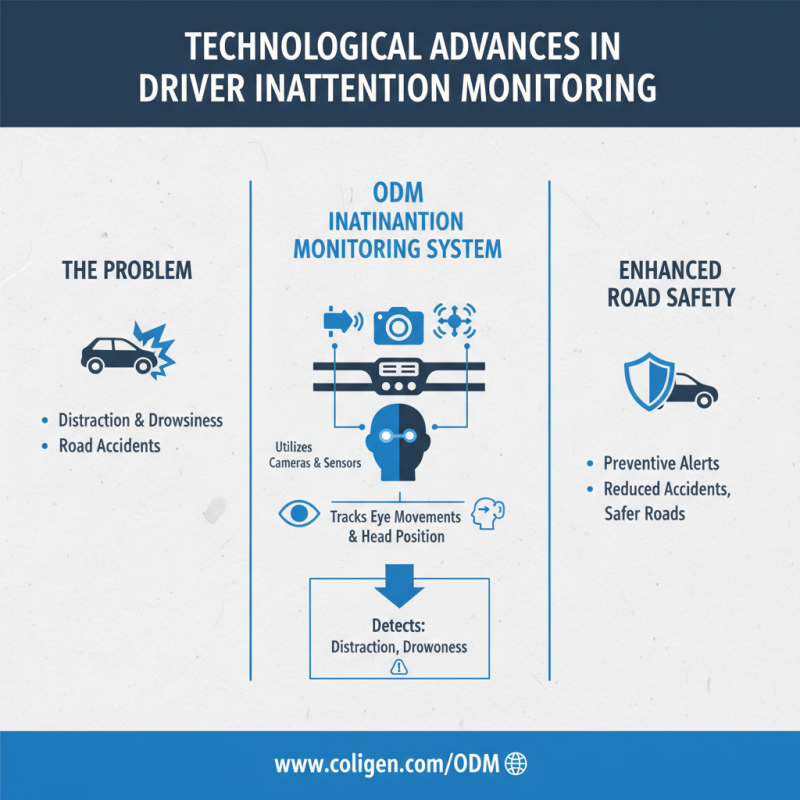
Technological Advances in Driver Inattention Monitoring
Advancements in technology have led to the development of the ODM Driver Inattention Monitoring System. This innovative system plays a crucial role in enhancing road safety. It utilizes cameras and sensors to monitor driver behavior. By tracking eye movements and head position, it can detect signs of distraction or drowsiness.
Real-time monitoring is essential. If a driver's attention wanes, alerts can be triggered. This immediate feedback gives drivers a chance to refocus. Many accidents occur due to momentary lapses in attention. The ODM Driver Inattention Monitoring System aims to reduce these incidents significantly. Each component of this system is designed for accuracy and reliability, ensuring that it functions effectively under various conditions.
Despite these advancements, challenges remain. Technology must adapt to diverse driving environments. Different cultures and habits influence how people drive. This requires continuous updates and improvements to the system. Moreover, privacy concerns emerge with constant monitoring of drivers. Balancing safety with personal freedom is a complex issue. As technology evolves, so must our understanding of its impact on everyday driving.
Future Trends in Driver Safety and Monitoring Systems
As the landscape of automotive safety evolves, Driver Inattention Monitoring Systems (DIMS) emerge as a crucial measure. These systems utilize advanced sensors and algorithms to detect signs of driver distraction or drowsiness. By tracking eye movement and head position, they provide real-time feedback. This helps prevent accidents caused by lapses in attention.
Looking to the future, these systems will likely integrate with artificial intelligence to enhance their capabilities. The goal is to analyze not only individual behavior but also environmental factors that contribute to driver distraction. Imagine a system that learns a driver’s patterns over time. Such innovation could provide tailored alerts based on specific driving conditions or stress levels. It will require collaboration between technology experts and DIMS suppliers to ensure reliability and efficacy.
However, challenges remain. Some drivers may resist constant monitoring, viewing it as intrusive. Balancing safety and privacy is essential. Continuous research and development will be necessary to refine these technologies. Ultimately, a widely accepted DIMS can transform road safety and reduce accidents. Investing in this important field is vital for a safer tomorrow.
Conclusion
The "Driver Inattention Monitoring System" is crucial for enhancing road safety, as it addresses the growing concern of driver distraction, which is a significant factor in many traffic incidents. By defining these systems, we understand their role in detecting signs of inattention through advanced technologies such as cameras and sensors that monitor driver behavior in real-time. These systems function by analyzing eye movement, head position, and other indicators, providing alerts to keep drivers focused on the road.
The benefits of implementing a Driver Inattention Monitoring System include reducing the likelihood of accidents and improving overall safety for all road users. Real-world examples highlight the severe consequences of driver inattention, underscoring the need for effective monitoring solutions. Technological advancements continue to enhance these systems, paving the way for future trends in driver safety measures that are increasingly essential in our fast-paced world.

 Front & Rear Parking Assist
 Automatic Parking Assist
 Wade Sensor System
 79GHz Kick Step-on Open System
 79GHz Door Open Warning System
 77GHz Blind Spot Detection
 77GHz Long Range Detection
 60GHz Child Presence Detection
 360 Panoramic Camera
 Driver Fatigue Monitoring System
 Dash Camera
 ADAS Camera
 Streaming Rearview Mirror
 Self Cleaning Camera
 Car Radio
 Infotainment System
 Wireless Charger
 Ultrasonic Sensors System
 4-Image Camera Monitoring System
 Driver Fatigue Monitoring System
 77GHz Blind Spot Detection
 ADAS Camera
 Camera Monitoring System