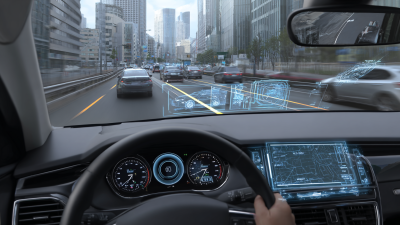
Getting ready for the 139th Canton Fair? One thing that really can’t be overlooked is staying alert throughout the event. Especially when it comes to traveling to and from the venue, keeping an eye on driver fatigue is super important. If you want to dig deeper, check out this Driver Fatigue Alert. According to Dr. Emily Arden, who’s pretty much a go-to expert in transportation safety, recognizing the signs of tiredness can actually help you avoid accidents and make sure you get there and back safely. Her advice really highlights just how crucial it is to stay vigilant.
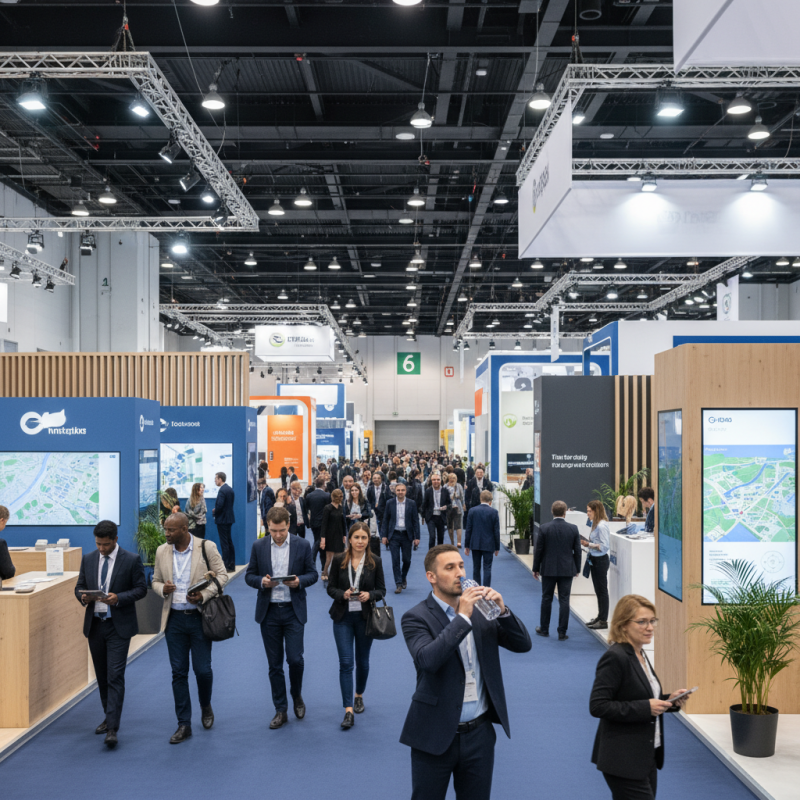
Now, with over 1.55 million square meters of exhibition space, navigating the fair can be a bit overwhelming. Luckily, the smart AI features are here to help. They’re great for finding specific exhibitors and making your experience way more manageable. But hey, don’t forget—fatigue can sneak up on you and make you less effective. It’s easy to ignore the warning signs when you’re so focused on sealing those business deals.
So, make sure to take plenty of breaks, stay hydrated, and listen to your body. While the tech tools are super handy, your personal well-being really matters too. Reflecting on the importance of Driver Fatigue Alert systems isn’t just about technology; it’s about respecting your own limits. Keeping your energy up is key to staying sharp and making the most of your time at the fair. As it all gets underway, remember: safety and staying alert are just as important as closing those deals!
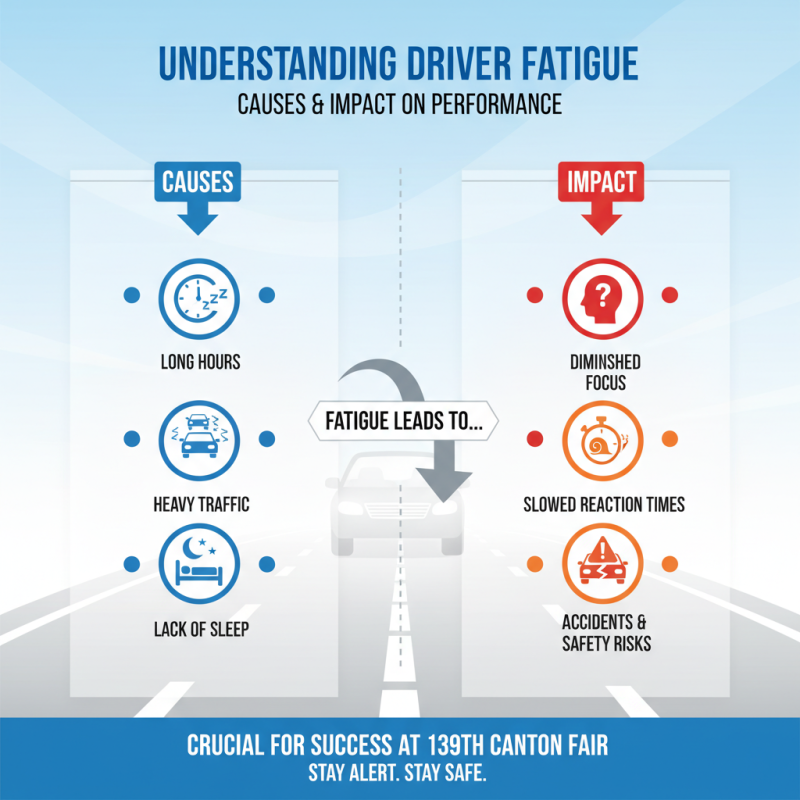
Understanding driver fatigue is crucial for success at the 139th Canton Fair. Fatigue can sneak up on you, diminishing focus and slowing reaction times. Long hours, heavy traffic, and lack of sleep contribute to this issue. When drivers feel fatigued, their performance drops significantly. Mistakes can lead to accidents, jeopardizing safety and success.
To combat this, consider investing in a Driver Fatigue Alert Device. Such tools can monitor your alertness levels. They provide timely notifications, reminding you to take breaks. Short rest periods can rejuvenate you, enhancing focus. Regularly monitoring your energy levels allows for better planning during the fair.
Stay hydrated; fatigue often stems from dehydration. Stopping for a stretch or a quick walk can also bring energy back. People often forget to prioritize their well-being in hectic schedules. Recognizing your limits is important. Do not push through exhaustion. Driving while tired is risky and unproductive.
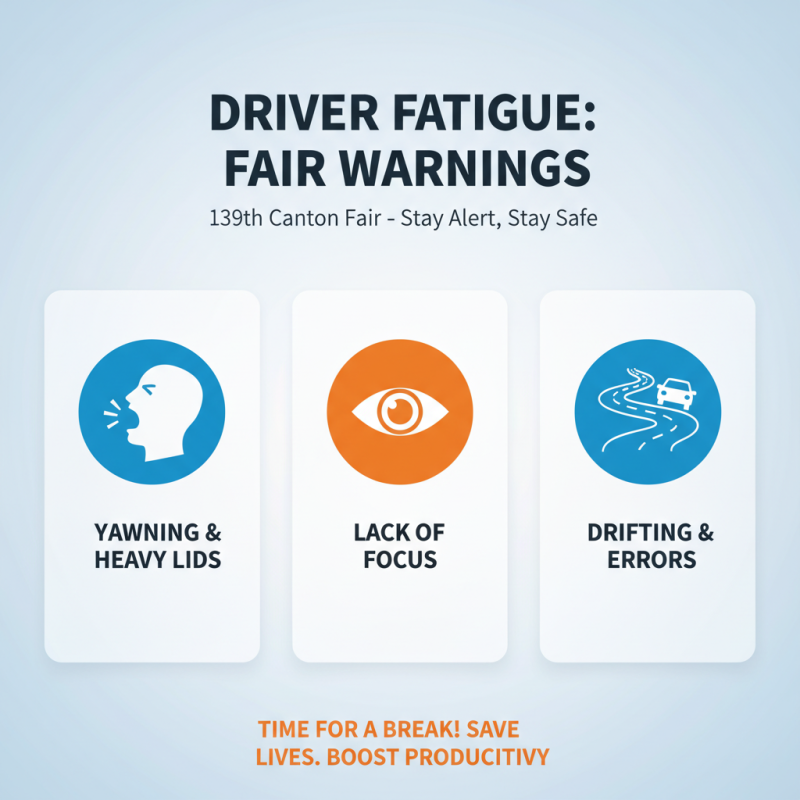
Driver fatigue can be a real challenge during the 139th Canton Fair. Recognizing the signs early can save lives and boost productivity. Look for yawning or heavy eyelids. These are common signs. A lack of focus can also indicate tiredness. If a driver finds it hard to keep their mind on the road, it’s time for a break.
One helpful tip is to schedule regular stops. Stretching legs and refreshing the mind can work wonders. Even a brief walk can increase alertness. Another tip is to avoid heavy meals before driving. They can cause drowsiness. Lighter snacks like fruits can keep energy levels steady.
Keeping the environment engaging is essential too. Radio music or podcasts make long drives less monotonous. However, too much distraction can be counterproductive. It may be hard to notice fatigue if attention is split. Stay aware and listen to your body. The fair will be busy, and a clear mind is crucial for safe driving.
Driving long distances can be exhausting. Fatigue sneaks up on you, often without warning. To combat this, consider making small adjustments. Take regular breaks. Even a five-minute stop can refresh your mind. Stretching your legs or having a snack can work wonders too.
Listening to engaging music helps maintain focus. However, avoid distractions like checking your phone. Use the OEM Driver Fatigue Alert system if available. It offers timely reminders to rest and can help you stay alert.
Hydration is crucial. Drink water regularly, but not too much at once. A full bladder can lead to discomfort on the road. Also, ensure you have adequate sleep before hitting the road. A well-rested driver is a safer driver. Reflect on your driving habits. Are there patterns that lead to fatigue? Recognizing them is key to improving your long-distance driving experience.
| Tip | Description | Recommended Frequency | Additional Notes |
|---|---|---|---|
| Take Breaks | Stop every 2 hours or every 100 miles to stretch and rest. | Every 2 hours | Use this time to hydrate and refresh yourself. |
| Stay Hydrated | Drink water regularly to maintain energy levels. | Every hour | Avoid excessive caffeine or sugary drinks. |
| Rotate Drivers | If possible, switch drivers to combat fatigue. | After several hours | Helps to maintain alertness throughout the journey. |
| Use Alertness Apps | Utilize apps to monitor your alertness and fatigue levels. | Constantly | These apps can prompt breaks or alertness tests. |
| Listen to Music | Engaging music can keep your mind stimulated during long drives. | During driving | Choose upbeat and energizing playlists. |
Long hours at events like the 139th Canton Fair can wear you down. Driver fatigue is real. It creeps up without warning. Regular breaks are essential to combat this issue. Stepping away for just a few minutes can enhance alertness. A quick stretch or a brisk walk works wonders. Even a brief chat with a fellow attendee can refresh your mind.
Short rest periods help maintain focus. They break the monotony of long drives. Consider setting a timer for every two hours. Use this time to recharge. Grab a snack, sip on water, or take a deep breath. These moments can prevent the fog that leads to mistakes. Often, we ignore these cues. We push ourselves harder than necessary, thinking we’ll catch up later.
It's okay to feel tired. It’s a signal, not a weakness. Acknowledge it. Listen to your body. Dive into comfortable seating for a few minutes. Close your eyes and let your mind relax. Reflecting on your day can also bring clarity. In this fast-paced world, we sometimes forget the value of pausing. Taking these simple steps can make a big difference.
Staying hydrated is vital during the Canton Fair. The long hours can drain energy quickly. Bring a reusable water bottle. Fill it up whenever possible. Aim for at least two liters a day. Water helps maintain focus and reduces fatigue.
Proper nutrition is equally important. Incorporate snacks that provide sustained energy. Nuts, fruits, and whole grains are great options. Avoid sugary snacks; they may cause energy crashes. Eating smaller meals throughout the day can help keep energy levels stable.
Remember to listen to your body. Fatigue can creep up unexpectedly. If you feel tired, step away for a few minutes. A short break can recharge you. Reflecting on your energy levels throughout the day is essential. Adjust your food and hydration choices as needed.
This chart illustrates the daily recommended intake of various nutritional components to help maintain energy levels and prevent driver fatigue. Hydration is key, with an emphasis on drinking sufficient water, consuming fruits and vegetables for vitamins, and moderate caffeine intake to enhance alertness.
Creating a safe driving environment at the Canton Fair is essential for all participants. Driver fatigue can pose significant risks. A recent report highlighted that tired drivers are 3 times more likely to be involved in an accident compared to their well-rested counterparts. With the high volume of attendees and exhibitors at the 139th Canton Fair, this concern escalates. Distances between venues may tempt drivers to push through fatigue, jeopardizing everyone's safety.
Employing strategies for driver fatigue alert systems is crucial. Taking regular breaks is recommended. Experts advise stopping every two hours during long drives. Additionally, pairing up drivers can help maintain alertness. Studies confirm that shared driving reduces fatigue-related incidents significantly. However, many overlook the importance of these practices. Sticking to routines and ignoring signs of tiredness can lead to regrettable consequences.
Creating an environment that fosters alertness is key. Proper hydration and nutritious snacks can make a difference. A well-fed driver is less likely to feel tired. Unfortunately, many drivers opt for quick, unhealthy meals instead. The solution is not only education but also making fatigue management a priority. By focusing on these areas, we can enhance safety at the Canton Fair. Emphasizing the importance of Wholesale Driver Fatigue Alert measures can lead to a significantly safer event.
Driver fatigue is a serious issue, especially during busy events like the 139th Canton Fair. To combat this, leveraging technology can be quite beneficial. ODM Driver Fatigue Alert systems have made significant strides in monitoring driver status. They use sensors to track eye movement and head position. If a driver shows signs of fatigue, alerts are triggered, ensuring safety.
Integrating mobile apps can further enhance driver awareness. Simple notifications can remind drivers to take breaks or hydrate. These reminders, although basic, play a crucial role in maintaining alertness. However, reliance on technology should not replace self-awareness. Drivers must understand their limits and recognize fatigue signs. It's essential to find a balance between tech support and personal responsibility.
The use of driver fatigue alert technologies marks a step forward, yet it needs careful handling. Not all systems work seamlessly, and occasional inaccuracies can occur. Drivers should not depend solely on these alerts. Critical thinking and attentiveness remain key. By combining technology with personal vigilance, safety on the road can be prioritized effectively at the Canton Fair.
The integration of Driver Fatigue Monitoring Systems (DFMS) has emerged as a pivotal factor in enhancing road safety, with industry reports indicating that such systems can reduce accidents by up to 20%. This significant reduction stems from the ability of DFMS to accurately identify signs of driver fatigue, thereby prompting timely interventions. With an identification missed rate of less than or equal to 3% and a wrong rate also capped at 3%, these systems demonstrate remarkable reliability in monitoring driver behavior.
Recent advancements in technology have facilitated the development of DFMS equipped with features such as 2G3P technology and IP67 rating for durability under various conditions. These systems utilize advanced optical distortion correction, ensuring that image quality is preserved even in challenging environments. The key specifications, including a minimum effective pixel count of 1280x720 and a central resolution of 720 lines, are critical for clear image recognition, particularly during low-light conditions facilitated by a 940nm filter glass and infrared lamp. This enhances the accuracy of face monitoring and overall behavior monitoring, key components in preventing accidents related to driver fatigue.
Given the alarming statistics around road accidents attributed to driver fatigue, investing in DFMS is becoming increasingly essential for fleet operators and individual drivers alike. As global road safety goals tighten, the prominence of these technologies will likely continue to grow, making it imperative for stakeholders to consider their implementation as part of a comprehensive safety strategy. The proactive approach in identifying signs of fatigue through reliable monitoring systems signals a significant step forward in reducing accident rates and enhancing overall road safety.
: Long hours, heavy traffic, and lack of sleep contribute significantly to driver fatigue.
Fatigue decreases focus and slows reaction times, increasing the risk of accidents.
Taking regular breaks and monitoring alertness levels can help combat fatigue.
Experts recommend stopping every two hours during long drives.
Staying hydrated can prevent fatigue, as dehydration is a common cause.
Ignoring exhaustion can lead to dangerous driving situations and poor decision-making.
Yes, pairing up drivers can significantly lower the chances of fatigue-related incidents.
Nutritious snacks improve focus, while unhealthy meals can enhance fatigue.
Pushing through exhaustion can lead to regrettable decisions and accidents.
Emphasizing regular breaks and hydration is crucial for creating a safer environment.
Driver fatigue is a critical issue that can significantly impact performance, especially during events like the Canton Fair. Understanding the various causes of driver fatigue is essential for recognizing its signs, which can include drowsiness, difficulty concentrating, and slower reaction times. To manage fatigue effectively during long-distance driving, strategies such as taking regular breaks, ensuring proper hydration and nutrition, and creating a safe driving environment are vital.
Additionally, utilizing technology for a Driver Fatigue Alert system can help in monitoring and preventing fatigue on the road. Implementing these tips not only enhances drivers' awareness of their condition but also fosters a safer experience during the busy event, ensuring they remain alert and responsive while navigating to and from the fair.