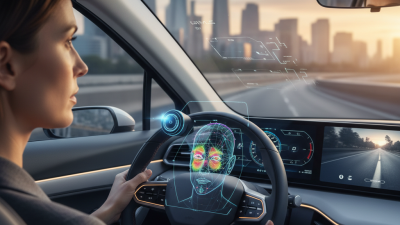
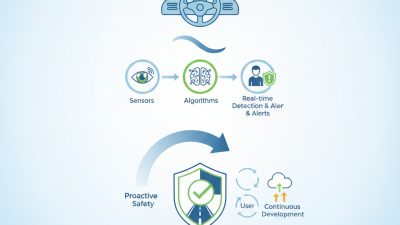
By 2026, the importance of staying safe while driving has never been more critical. Have you heard about Driver Fatigue Alert? These systems are really promising when it comes to making our roads safer. Dr. Lisa Matthews from SafeDrive Technologies, a pretty well-known expert, puts it like this: "Keeping an eye on driver fatigue is absolutely essential for avoiding accidents." Thanks to tech advances, we now have a real chance to cut down on crashes caused by tired drivers, which is pretty awesome.
These systems do a lot—they look at things like how your eyes move and how quickly you're reacting. When they notice you’re losing focus or feeling drowsy, they give warnings to nudge you back to alertness. It’s like having a helpful buddy riding along, reminding you to stay sharp. Honestly, Driver Fatigue Alert tech could be a game-changer in preventing road accidents. But here’s the thing—relying too much on these systems might be a risk in itself. They’re meant to support us, not replace the responsibility we’ve got to stay attentive behind the wheel.
Some folks are still a bit skeptical, worried that drivers might ignore the alerts altogether. It’s a delicate balance—sure, tech can help, but we also need to stay aware of how tired we really are. These systems are a great tool, but they’re not a magic fix. The road ahead’s going to be challenging, and it’s gonna take a mix of new tech and good old-fashioned mindfulness to really keep us safe.
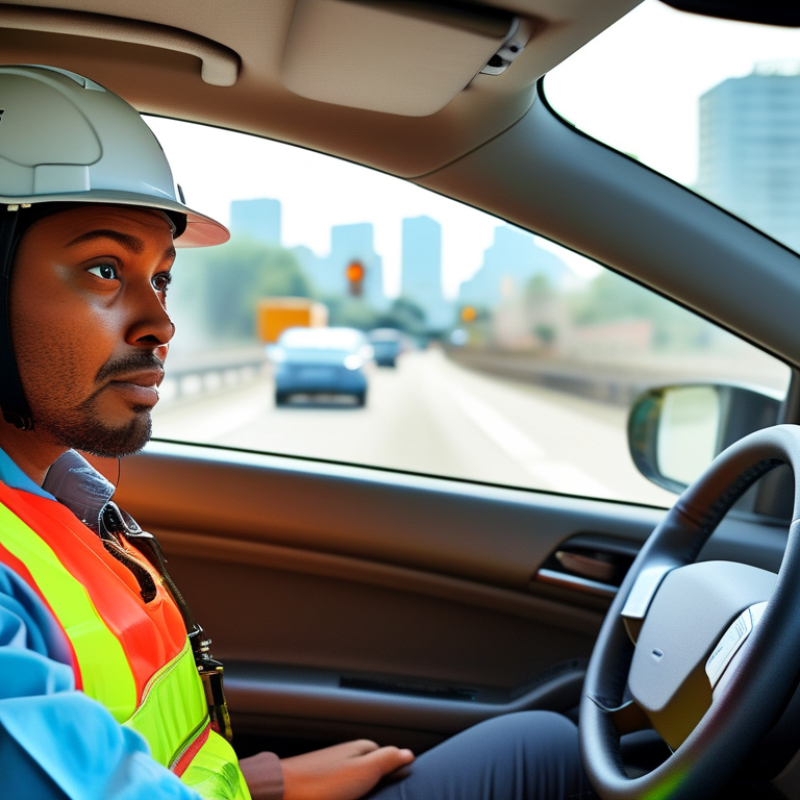
Understanding Driver Fatigue and Its Implications for Road Safety
Driver fatigue is a significant concern on the roads. According to the National Highway Traffic Safety Administration (NHTSA), drowsy driving was responsible for about 91,000 crashes in 2017. This figure translates to nearly 800 fatalities. Fatigue impairs reaction times, attention, and decision-making. As the industry pushes for advancements in technology, it becomes essential to address these implications for road safety.
In 2026, the integration of Driver Fatigue Alert systems could revolutionize how we approach road safety. These systems use sensors to monitor the driver’s alertness. They can detect signs of fatigue and provide timely alerts to encourage rest. Research indicates that these systems can reduce fatigue-related accidents by up to 30%. However, reliance on technology alone may not suffice. Drivers must remain aware of their own limits and take proactive steps to combat fatigue.
Understanding the nuances of driver fatigue goes beyond just technology. Factors like sleep quality, time of day, and even the monotony of long drives contribute to fatigue levels. A study by the AAA Foundation for Traffic Safety revealed that about 25% of drivers admitted they have fallen asleep at the wheel. Adopting a holistic approach that combines technology with education and personal responsibility could significantly enhance road safety in the coming years.
The Technology Behind Driver Fatigue Alert Systems
Driver fatigue is a significant factor in road accidents, accounting for around 20% of all collisions. In 2026, Driver Fatigue Alert Systems leverage advanced technology to enhance safety. These systems utilize sensors to monitor driver behavior, detecting signs of fatigue through eye-tracking and steering patterns. This data provides real-time alerts, prompting drivers to take breaks when necessary.
It’s important to understand how these systems function. According to a study by the National Highway Traffic Safety Administration (NHTSA), fatigue can impair driving abilities similar to alcohol. The integration of Driver Fatigue Alert Devices is crucial in mitigating such risks. These devices often connect to mobile applications, which offer additional resources for drivers, such as locating rest areas and scheduling breaks.
Staying alert while driving is essential. Here are some tips: ensure proper sleep before long trips. Consider shorter driving stints, with breaks every two hours. Incorporate physical activity during stops to refresh your mind. The effectiveness of a Driver Fatigue Alert Device is heightened when drivers remain proactive about their well-being. Recognizing one's limitations can make a significant difference on the road.
How Driver Fatigue Alerts Work in Real-Time Driving Scenarios
Driver fatigue alerts are essential for safe driving, particularly in 2026. They enhance real-time driving scenarios by monitoring your behavior. These systems track your eye movements and facial expressions. The alerts prompt you to take breaks when signs of fatigue appear. The technology uses advanced algorithms to analyze your driving habits continuously.
Imagine driving on a long, empty road. You might feel fine at first. As hours pass, fatigue can creep in unnoticed. An OEM Driver Fatigue Alert system suddenly alerts you to your slow blinking. This brief moment of intervention could save lives. The reaction time enhances not just your safety but also that of others on the road.
However, reliance on these systems can lead to complacency. Some drivers may ignore the alerts, thinking they can push through fatigue. This behavior shows the need for self-awareness and discipline. Arm yourself with the understanding that technology aids but cannot replace good judgment. Regular breaks and a proactive approach to fatigue management are still crucial.
Driver Fatigue Alerts and Their Impact on Driving Safety in 2026
This chart displays the impact of Driver Fatigue Alerts on driving safety metrics in 2026. It compares the rates before and after alerts were implemented alongside data on drivers feeling fatigued and the resulting accident rates.
Integrating Driver Fatigue Alerts with Other Safety Features
Integrating driver fatigue alerts with other safety features is crucial for enhanced road safety. In 2026, modern vehicles will likely come equipped with advanced fatigue detection systems. These systems can analyze the driver’s eye movements and facial expressions. If they detect signs of drowsiness, alerts will activate. However, relying solely on these alerts may not be enough.
To boost effectiveness, fatigue alerts should work in tandem with lane-keeping assistance and collision warning systems. For example, if a driver strays from their lane while fatigued, the vehicle could autonomously make minor adjustments. This integration creates a multi-layered safety approach, reducing the risk of accidents during long drives. Visual and audio cues can supplement alerts, ensuring they capture the driver’s attention effectively.
Moreover, feedback on alert effectiveness is essential. Drivers may ignore initial warnings or dismiss them entirely. Ongoing data collection will guide improvements in alert timing and delivery methods. This focus on user experience ensures that safety features evolve in real-time, reflecting the needs of drivers. An integrated approach not only heightens safety but also fosters trust in these emerging technologies.
Best Practices for Responding to Driver Fatigue Alerts
In 2026, driver fatigue remains a critical issue on the roads. Industry data shows that drowsy driving accounts for about 20% of vehicle crashes. Responding effectively to driver fatigue alerts can significantly enhance road safety. Knowing how to interpret these alerts is essential for all drivers.
When you receive a fatigue alert, take action immediately. Pull over in a safe area. Stretch your legs and take a short walk. This simple method can refresh your mental state. A study from the National Highway Traffic Safety Administration indicates that even a brief five-minute break can improve alertness. In some scenarios, drivers may think they can push through the tiredness. However, this can lead to poor decision-making on the road, increasing accident risk.
Adopting a culture of mindfulness around driver fatigue is also vital. Regularly assess your own fatigue levels before and during trips. If an alert triggers, reflect on whether you're truly fit to drive. Sometimes, egos get in the way of safety. The Wholesale Driver Fatigue Alert system amplifies the call to action. It instills awareness and prioritizes well-being. Remember, safety does not only come from technology but also from the choices we make on the road.
Future Improvements in Driver Fatigue Monitoring Technology
Driver fatigue is a critical issue. According to the National Highway Traffic Safety Administration (NHTSA), fatigue is a contributing factor in about 100,000 crashes annually in the U.S. This alarming statistic underscores the need for effective driver fatigue monitoring technologies. In 2026, advancements in these technologies are set to enhance road safety dramatically.
Future improvements may include AI-driven systems that analyze driving patterns in real-time. This could provide immediate feedback to drivers, encouraging them to take necessary breaks. Moreover, wearables could be integrated, measuring physiological indicators like heart rate and eye movement. These systems could alert drivers to signs of fatigue before it becomes dangerous. A recent study found that real-time alerts can reduce fatigue-related incidents by over 30%.
However, reliance on technology comes with potential drawbacks. Overdependence may lead drivers to ignore their own feelings of fatigue. There's also a risk of false alarms, which could desensitize drivers. Discussions around balance are essential. While technology can aid in awareness, the responsibility to recognize fatigue ultimately lies with the driver. Emphasizing self-awareness alongside technological advancements is key to ensuring driver safety in the future.
Promoting Awareness and Training for Safer Driving Practices
In 2026, driver fatigue remains a significant cause of road accidents. Awareness is crucial for promoting safer driving. Many drivers underestimate the impact of tiredness on their reflexes and decision-making. The ODM Driver Fatigue Alert system is designed to monitor driver behavior. It can detect signs of fatigue and provide alerts. However, technology alone cannot replace the need for driver education.
Training programs focused on fatigue management can help drivers understand their limits. Workshops that include real-life scenarios could enhance awareness. Discussions about sleep hygiene and its effects may seem trivial yet are essential. Drivers might not realize the link between their daily habits and their alertness on the road. Engaging in open dialogues can change attitudes towards fatigue.
Despite technological advancements, challenges remain. Not all drivers will heed warnings from the ODM Driver Fatigue Alert system. Some may ignore alerts or feel invincible. It's essential to cultivate a culture where seeking rest is seen as a strength. Encouraging effective use of technology and understanding fatigue can lead to safer driving practices.
How to Use Driver Fatigue Alert for Safer Driving in 2026? - Promoting Awareness and Training for Safer Driving Practices
| Aspect | Detail | Importance Level | Recommended Action |
| Fatigue Detection Technology | Use of sensors and AI to monitor Driver Alertness | High | Install and regularly update software |
| Training Programs | Courses on recognizing fatigue signs | High | Implement training for all drivers |
| Awareness Campaigns | Information on risks of driver fatigue | Medium | Distribute pamphlets and use social media |
| Regular Breaks | Encouraging stops to counter fatigue | High | Establish a break schedule for long trips |
| Monitoring and Feedback | Real-time alerts for fatigue | High | Integrate monitoring tools in vehicles |
FAQS
: Driver fatigue refers to reduced alertness due to tiredness. It impairs reaction times and decision-making.
Drowsy driving accounts for about 91,000 crashes annually, resulting in nearly 800 fatalities.
These systems monitor driver alertness and provide alerts when fatigue is detected.
When alerted, pull over safely, stretch, or take a short walk to refresh your mental state.
Sleep quality, time of day, and monotony of long drives can significantly affect fatigue levels.
Regularly assessing your fatigue levels promotes self-awareness and encourages safer driving decisions.
AI-driven systems and wearables may provide real-time feedback and alert drivers to signs of fatigue.
No, while technology helps, drivers must also recognize their own fatigue and make responsible choices.
Overdependence may desensitize drivers. False alarms can also lead to ignoring true fatigue.
Conclusion
Driver fatigue poses a significant risk to road safety, making it essential to understand its implications and how technology can help mitigate these dangers. The article explores the capabilities of Driver Fatigue Alert systems, which monitor driver behavior in real time to detect signs of fatigue. These systems operate by analyzing various factors such as eye movement, head position, and patterns in driving behavior, providing timely alerts to prevent potential accidents.
Moreover, integrating Driver Fatigue Alerts with other safety features enhances the overall effectiveness of vehicle safety systems. Best practices for responding to fatigue alerts are crucial, encouraging drivers to take appropriate action when notified. Looking ahead, advancements in driver fatigue monitoring technology promise to improve accuracy and reliability, while awareness and training initiatives are vital for promoting safer driving habits. By leveraging these innovations, we can create a safer driving environment for everyone on the road.

 Front & Rear Parking Assist
 Automatic Parking Assist
 Wade Sensor System
 79GHz Kick Step-on Open System
 79GHz Door Open Warning System
 77GHz Blind Spot Detection
 77GHz Long Range Detection
 60GHz Child Presence Detection
 360 Panoramic Camera
 Driver Fatigue Monitoring System
 Dash Camera
 ADAS Camera
 Streaming Rearview Mirror
 Self Cleaning Camera
 Car Radio
 Infotainment System
 Wireless Charger
 Ultrasonic Sensors System
 4-Image Camera Monitoring System
 Driver Fatigue Monitoring System
 77GHz Blind Spot Detection
 ADAS Camera
 Camera Monitoring System