Road safety has really become a huge concern around the world. I mean, according to the World Health Organization, about 1.35 million people lose their lives each year because of road traffic accidents. It’s a serious issue that everyone should be aware of. That’s why the rise of things like Driver Eye Monitoring Systems is such a big deal—they’re actually helping make driving safer. These systems can spot when someone is getting drowsy or distracted, which are two of the main reasons accidents happen.
Dr. Michael Li, who’s an expert in automotive safety tech at VisionTech, points out that “implementing a Driver Eye Monitoring System can cut down accident rates by as much as 30%.” That’s pretty incredible, right? It really shows just how urgent it is for more vehicles to start using this kind of tech. Of course, not everyone is jumping on board right away. Some drivers still feel uneasy about these monitors, worried about privacy or just feeling like it’s an invasion of their space. But honestly, the benefits are pretty clear—these systems could seriously help make roads safer, cut down on human error, and save lives.
It’s not an easy road to get everyone on the same page, but the chance for real change is definitely there if we’re willing to take it.
Road safety is a pressing issue in modern transportation systems. According to the World Health Organization, around 1.35 million people die in road traffic accidents each year. This staggering figure highlights the need for improved safety measures. Driver attention is crucial for preventing accidents. Distractions and fatigue greatly increase the risk of harm. Technologies like the OEM Driver Eye Monitoring System can play a vital role in this effort.
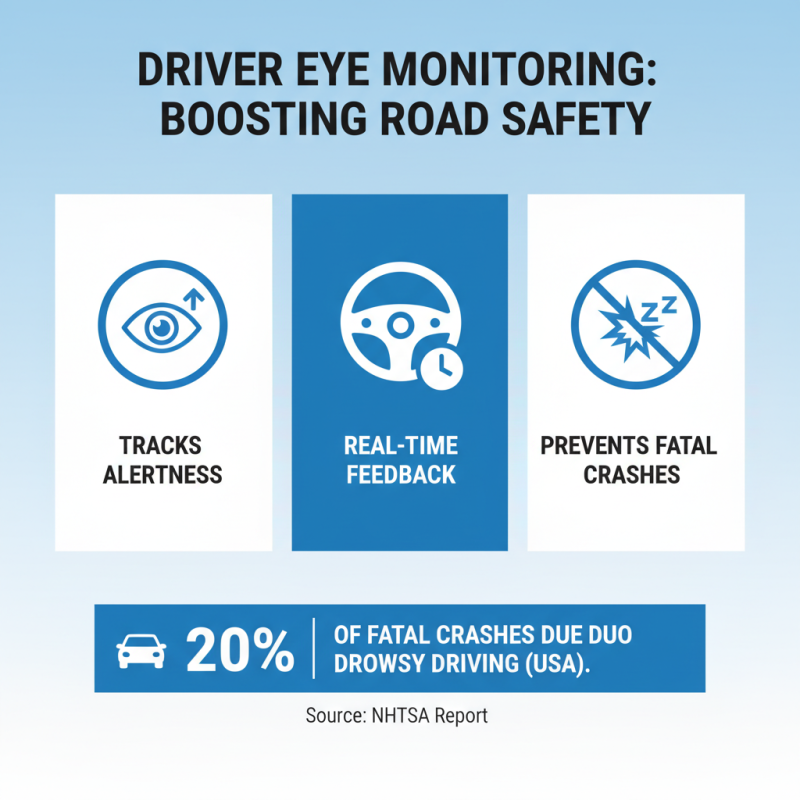
Statistics show that drowsy driving contributes to about 20% of fatal crashes in the United States. Many drivers underestimate their fatigue levels. Monitoring systems can alert drivers when their focus wanes, allowing timely interventions. This technology analyzes eye movements and detects signs of drowsiness. With such tools in place, we can better protect both drivers and pedestrians on the road.
Moreover, in 2020, the National Highway Traffic Safety Administration indicated that over 400,000 injuries were due to distracted driving. It's clear that an innovative approach is needed. Relying solely on traditional methods has not yielded sufficient results. Implementing effective Driver Monitoring systems may provide solutions where previous strategies have failed. Safety is not just a goal; it should be a standard in transportation systems.
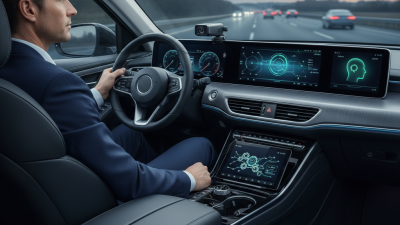
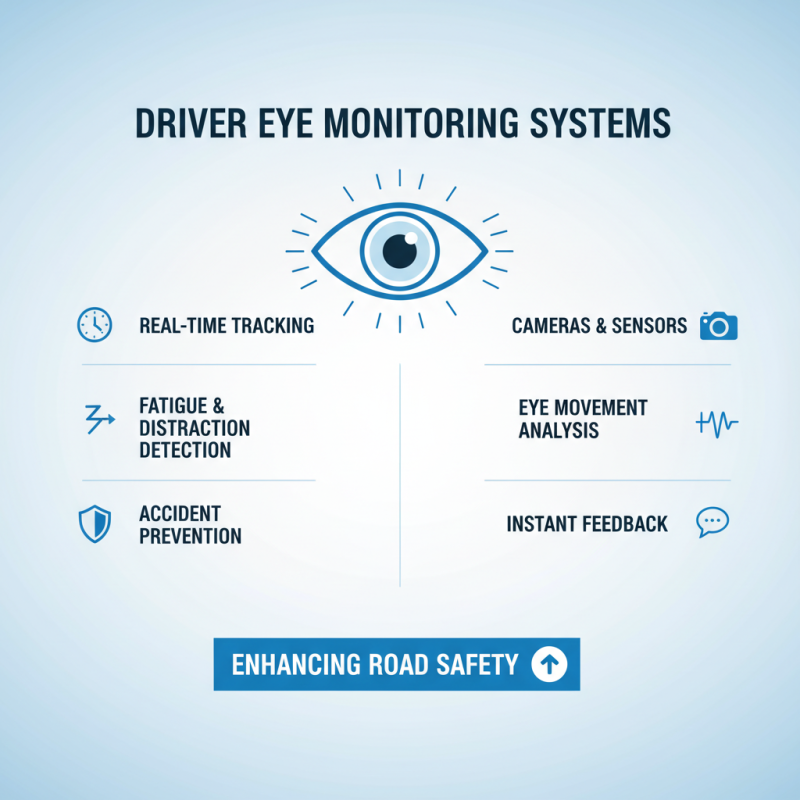
Driver Eye Monitoring Systems have become a critical component in enhancing road safety. These systems employ advanced technology to track driver attention and alertness in real time. Utilizing cameras and sensors, they analyze eye movements and blinking patterns to detect signs of fatigue or distraction. This constant monitoring helps prevent accidents by providing immediate feedback to the driver.
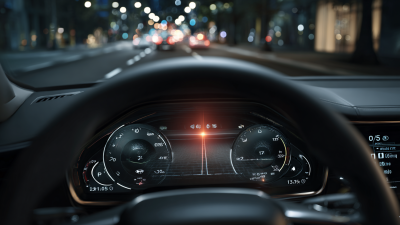
Functionality is at the heart of these systems. When a driver shows decreased alertness, an auditory or visual alert prompts them to regain focus. Some systems can even integrate with vehicle controls, adjusting settings to reduce distractions. Despite their effectiveness, the technology is not foolproof. Occasionally, false positives can occur, where a perfectly alert driver receives an unnecessary alert. This can lead to frustration and a sense of helplessness. Such issues underline the need for continued refinement in the field.
Investing in a Wholesale Driver Eye Monitoring System may improve safety. However, drivers must remain engaged and aware themselves. The technology acts as a support tool but shouldn't replace personal responsibility. Balancing technology and human vigilance is key to achieving the best outcomes in road safety.
Driver eye monitoring systems are becoming vital tools for enhancing road safety. Various technologies are currently in use, and their effectiveness varies. Cameras are commonly used to track eye movements. They can detect when a driver is distracted or drowsy. Some systems even use infrared sensors to monitor eye closures. This technology works well, but it can sometimes misinterpret normal blinking as fatigue.
Another popular option is wearable devices. These are often in the form of smart glasses. They can provide real-time feedback to drivers about their alertness. While innovative, these devices might not always be comfortable for prolonged use. Additionally, they require regular charging, which can frustrate users.
Some vehicles now feature integration with dashboard displays. This allows for immediate alerts if a driver's attention wanes. However, reliance on technology can sometimes lead to complacency. Drivers may feel secure, thinking the system will always keep them alert. Technology should enhance awareness, not replace it. Road safety remains a shared responsibility that relies on both technology and driver vigilance.
Driver eye monitoring systems are becoming crucial for enhancing road safety. Studies show that 20% of accidents involve driver inattention. Eye monitoring can change that. The ODM Driver Eye Monitoring System tracks eye movements and blinks. This technology alerts drivers when they appear distracted or drowsy.
Incorporating eye monitoring can significantly reduce risks. A report from the National Highway Traffic Safety Administration indicates that drowsy driving accounts for approximately 100,000 injuries each year. Eye tracking features can intervene before a driver becomes unsafe. It can warn drivers who are staring off into space or struggling to keep their eyes open. Prompt alerts may steer drivers back to focus, avoiding potential disasters.
Not all systems are perfect. Some false alarms occur, which can annoy drivers. A balance between sensitivity and accuracy is necessary. Moreover, costs and implementation can be challenging for some fleets. Nevertheless, as technology advances, the benefits of eye monitoring are likely to grow. This could lead to a safer driving environment for everyone.
Driver fatigue and distraction significantly contribute to road accidents. According to studies, drowsy drivers are nearly three times more likely to crash. This issue is further amplified by distractions, such as mobile phones and in-car entertainment systems. Many drivers underestimate these distractions. They believe they can manage their focus while driving, but the reality is often different.
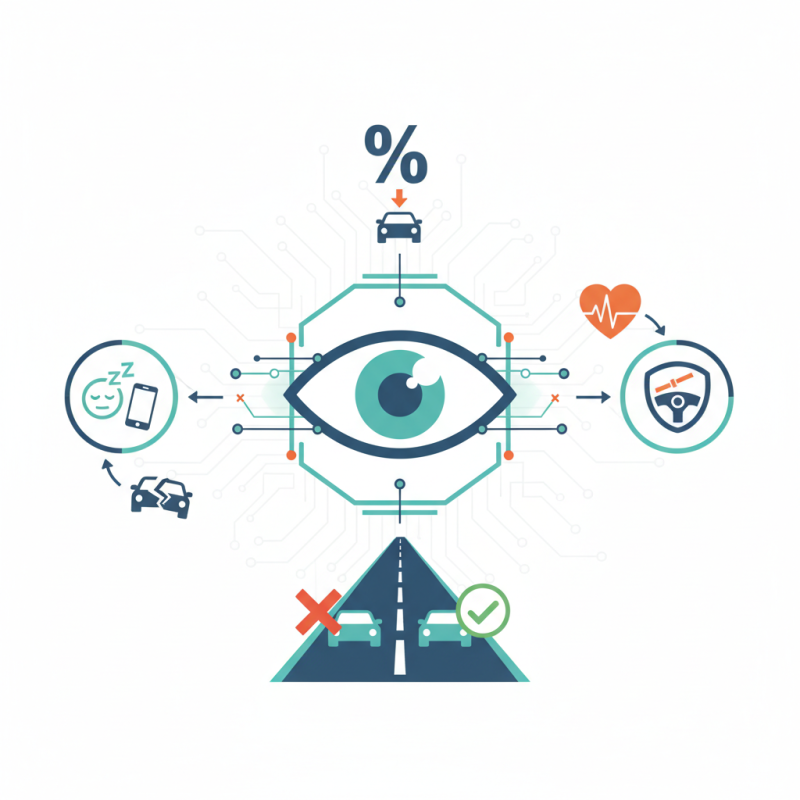
One way to combat this problem is through the implementation of driver eye monitoring systems. These systems analyze eye movements and detect signs of fatigue or inattention. Such technology can provide real-time alerts, urging drivers to take breaks or refocus. The role of a Driver Eye Monitoring System Supplier becomes crucial in ensuring these systems are available and effective. Awareness is key; drivers need to recognize when they are becoming fatigued.
There are challenges in adopting these systems. Some drivers may feel monitored or distrust the technology. There is also the concern about reliability and accuracy. Continued research and development can address these flaws. Public education about the dangers of fatigue and distraction is essential too. It can help drivers understand the vital need for these systems in enhancing road safety.
Driver eye monitoring systems are crucial for enhancing road safety. These systems track Driver Alertness and provide real-time feedback. According to a recent report by the National Highway Traffic Safety Administration, drowsy driving contributes to nearly 20% of all fatal crashes in the U.S. This alarming statistic highlights the need for effective monitoring solutions.
Regulatory standards are evolving. Many jurisdictions now require the integration of eye monitoring technologies in commercial vehicles. The European Commission has proposed regulations to mandate these systems in new cars by 2025. Such measures aim to reduce accidents linked to driver fatigue and distraction. Current technologies can detect signs of drowsiness within seconds, allowing timely alerts.
**Tip:** Regularly check the calibration of eye monitoring systems. Incorrect setups can lead to false readings.
Despite advancements, challenges remain. The accuracy of some systems can be influenced by environmental factors, such as lighting conditions. Continuous development is needed. Industry experts recommend ongoing research to enhance reliability.
**Tip:** Encourage drivers to engage with these systems. Familiarity boosts responsiveness and safety on the road.
Driver eye monitoring systems have shown promising results in enhancing road safety. One compelling case involved a fleet of commercial trucks. After installing eye monitoring technology, the accident rate dropped significantly within six months. The system tracked driver attention and fatigue levels, providing real-time alerts. This timely intervention saved lives.
Another successful case came from a ride-sharing company. They integrated eye-tracking cameras to monitor their drivers. The program revealed that many drivers faced distractions from their phones. With this knowledge, the company introduced strict guidelines on phone usage while driving. This led to a noticeable decrease in incidents and improved overall safety.
However, the implementation of these systems raises questions. Are drivers willing to embrace constant surveillance? Some individuals may feel uneasy about being monitored. Despite the benefits, it’s crucial to balance safety with privacy concerns. Results show promise, yet the discomfort among drivers remains. Further reflection on these challenges is necessary to create a safe and trusting environment.
When it comes to enhancing your home security, choosing the right camera monitoring system is crucial. The latest advancements in camera technology, particularly systems equipped with Wide Dynamic Range (WDR), ensure that both bright and dark areas are captured clearly. This feature is essential in environments where lighting conditions can vary drastically, making it easier to monitor and identify any potential threats during the day and night.
Moreover, modern security cameras often come with low-light imaging capabilities that maintain visibility even in the darkest environments. This is critical for 24/7 surveillance, as many incidents occur during nighttime hours. Additionally, glare reduction technologies can help minimize eye strain for those monitoring the footage, allowing for longer periods of observation without discomfort.
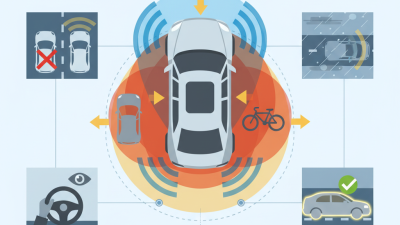
In terms of operational efficiency, some systems have demonstrated a reduction in fuel consumption by up to 5%, which can be beneficial for home security vehicles used for patrols. These systems also feature advanced driver visibility enhancements, reducing blind spots by 80%. With the capability to adjust screen brightness based on the surrounding light, the monitoring experience is not only more enjoyable but also more effective in detecting movement or other unusual activities. Many systems even offer optional Blind Spot Detection (BSD) features, which alert users to other road users, thereby further increasing safety for both property and residents.
: The product aims to improve daily life efficiency. It helps users organize tasks effectively.
Follow the instructions provided in the manual. Consistency is key for best results.
Yes, many users report increased focus. It’s designed to minimize distractions.
Some users find the setup complicated initially. It may take time to adjust.
The product is designed for adults. Children may find it less intuitive.
Reach out for customer support. They can provide solutions for common problems.
Results vary among individuals. Some may notice improvements within weeks.
Yes, it requires commitment. Changing habits can be challenging but rewarding.
Yes, it may not work for everyone. Personal circumstances play a significant role.
Consider your habits and routines. Reflection aids in maximizing the product’s benefits.
Driver Eye Monitoring Systems play a crucial role in enhancing road safety within modern transportation networks. By continuously monitoring driver alertness and detecting signs of fatigue or distraction, these systems are designed to prevent accidents and promote safer driving conditions. Different technologies, such as infrared cameras and eye-tracking sensors, are employed to ensure effective monitoring and timely intervention when necessary.
The impact of driver fatigue and distraction on road safety cannot be understated, as these factors significantly contribute to accidents. Regulatory standards are evolving to include eye monitoring systems, indicating a growing recognition of their importance. Successful case studies highlight the effectiveness of Driver Eye Monitoring Systems in real-world scenarios, showcasing their potential to reduce incidents on the road. As technology advances, the integration of these systems is likely to become more prevalent, paving the way for safer travel and improved driver accountability.