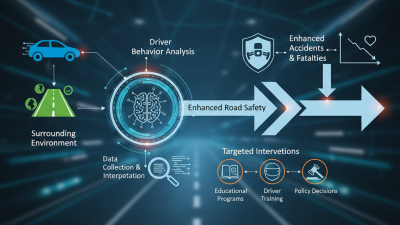
When it comes to managing a fleet, really understanding how drivers behave is honestly a game-changer. Companies like FleetGuard have been stressing how important Driver Behavior Analysis is for keeping everyone safe on the roads. But it’s not just about gathering data—it’s about turning those insights into real, practical steps that can actually cut down on accidents.
Good driver behavior analysis can spot risky habits like speeding or hard braking, which often lead to crashes and bump up costs. The key is to focus on educating drivers and using tech to keep a close eye on what's happening behind the wheel. That said, a lot of organizations still underestimate how crucial it is to build a culture that puts safety first.
By making driver behavior a priority, companies can encourage a sense of responsibility among their drivers. Giving them regular feedback and involving them in safety talks can really make a difference. Of course, it’s not always easy — some companies struggle to find the right balance between monitoring and building trust. Still, keeping an ongoing eye on driver habits is essential if you want to see long-term safety improvements across the fleet.

Driver behavior significantly impacts fleet safety. According to the National Highway Traffic Safety Administration, driver error accounts for over 90% of traffic accidents. This startling statistic highlights the need for better driver behavior analysis. Monitoring habits like speeding, harsh braking, and distracted driving can vastly improve safety outcomes.
Organizations that prioritize understanding driver behavior report up to a 35% reduction in accidents. Implementing telematics systems allows fleets to gather real-time data. This data informs training programs and behavior modifications. Drivers can learn safer habits through feedback and coaching based on this analysis.
Tips: Encourage open communication with drivers about their performance. Regular check-ins can foster a culture of safety. Additionally, consider using gamification techniques to motivate better driving practices. Rewards for safe driving can engage and inspire positive change. Address the fact that some drivers may resist feedback. Creating a supportive environment is essential for improvement.
Driver behavior plays a vital role in fleet safety. According to a recent study, up to 90% of accidents in fleet operations are attributed to driver errors. Factors influencing driver behavior include fatigue, distraction, and stress. Each factor contributes significantly to unsafe driving practices.
Fatigue is a prevalent issue. Research shows that drowsy driving increases the risk of accidents by nearly 50%. Fleet managers must monitor driving hours closely to prevent fatigue-related incidents. Likewise, distractions, whether from mobile devices or in-cabin entertainment systems, can create hazardous conditions. Data indicates that drivers who text while driving are 23 times more likely to crash.
Stress also impacts decision-making on the road. Stress levels can escalate during peak hours or in adverse weather conditions. Studies suggest that stressed drivers are more prone to aggressive behaviors. Implementing stress management resources could enhance overall safety. Evaluating these factors holistically is essential. Recognizing the complexity of driver behavior can lead to improved training programs. Awareness is key to fostering a safer fleet environment.
Driver behavior analysis plays a key role in enhancing fleet safety. Recent studies indicate that up to 90% of accidents in commercial fleets stem from driver errors. This makes monitoring behavior vital. Technological advancements offer solutions to track various driving aspects. Tools like GPS and telematics systems can measure speeding, harsh braking, and rapid acceleration effectively.
OEM Driver Behavior Analysis relies on data from these technologies. Reports suggest that fleets utilizing such systems see a 20-30% decrease in accident rates. Continuous monitoring allows fleet managers to identify risky patterns. Drivers can receive immediate feedback on their performance. This timely intervention promotes safer practices and encourages personal accountability.
However, challenges persist in accurately interpreting the data. Misunderstanding metrics can lead to false conclusions. Not all driver behaviors are easy to quantify. Some might react negatively to constant monitoring, feeling mistrusted. Balancing data-driven insights with an understanding of human factors is essential for success in fleet safety.
Driver behavior plays a significant role in accident rates within fleet operations. Studies show that reckless driving leads to higher incident rates, risking both lives and company assets. Fleet managers need to prioritize understanding these behaviors to improve safety outcomes. When drivers engage in speeding, tailgating, or distracted driving, the chances of accidents increase exponentially.
Tips for improving driver behavior include regular training sessions. Providing education on safe driving practices can help reinforce good habits. Implementing technology such as telematics can offer real-time feedback on driver performance. This data allows managers to identify risky behaviors, encouraging corrective actions before incidents occur.
Understanding "Wholesale Driver Behavior Analysis" can transform a fleet’s safety strategy. By proactively assessing driver actions, companies can deploy targeted interventions. Regular assessments not only reduce accidents but also lead to increased productivity and lower insurance costs. In a world where even small lapses in judgment can result in tragic consequences, refining driver behavior is essential.
Driver behavior analysis is increasingly recognized as a cornerstone of fleet safety. Poor driving habits can lead to accidents, resulting in costly damages and injuries. According to a study from the National Highway Traffic Safety Administration, dangerous driving behavior accounts for 94% of all crashes. By focusing on improving driver behavior, fleets can significantly reduce their risk factors.
Implementing effective strategies requires targeted interventions. Real-time feedback can help drivers improve their habits. For instance, speeding alerts and harsh braking notifications can foster safer driving practices. One report suggested that fleets using telematics to monitor driving behavior saw a 20% reduction in incidents within a year. Training programs are another critical tool for fostering positive change. Regular workshops can help drivers understand the importance of safe driving and the impact of their behavior.
However, addressing driver behavior is not without its challenges. Resistance to change is common among drivers. Some may view monitoring as intrusive rather than beneficial. This highlights the need for fleets to cultivate a supportive culture. Engaging drivers in discussions about ODM Driver Behavior Analysis can promote acceptance. Establishing clear communication channels ensures that safety remains a shared priority among all fleet members.
Training and education programs for fleet drivers play a pivotal role in enhancing overall safety. These programs offer structured learning experiences that instill safe driving habits. They often include practical driving sessions, simulations, and classroom instruction. The emphasis is on real-world applications. Effective training not only increases driver awareness but also minimizes risks associated with aggressive driving or distractions.
Experienced trainers often lead these sessions, bringing real-life expertise into the classroom. They discuss common challenges drivers face daily. For example, handling inclement weather or navigating heavy traffic requires strategic thinking and confidence. Drivers can learn how to respond to such scenarios through role-playing exercises. These directly applicable skills ensure that drivers are better prepared for the road.
Despite the best efforts, some challenges remain. Individual learning paces vary, and not every driver responds the same way to training. Continuous evaluation is necessary to identify gaps in understanding. Regular refresher courses can help reinforce key concepts. Moreover, a focus on driver behavior analysis can highlight areas needing more attention. By addressing these issues, fleet safety can continually improve over time.
| Aspect | Importance | Impact on Safety | Training Duration (Hours) | Cost per Driver ($) |
|---|---|---|---|---|
| Speed Management | Reduces accidents | Lower crash rates | 2 | 150 |
| Distracted Driving | Enhances focus | Fewer incidents | 3 | 200 |
| Harsh Braking | Improves vehicle control | Reduced wear and tear | 1.5 | 120 |
| Fuel Efficiency | Reduces costs | Lower emissions | 2.5 | 180 |
| Defensive Driving | Promotes safe practices | Improved situational awareness | 4 | 220 |
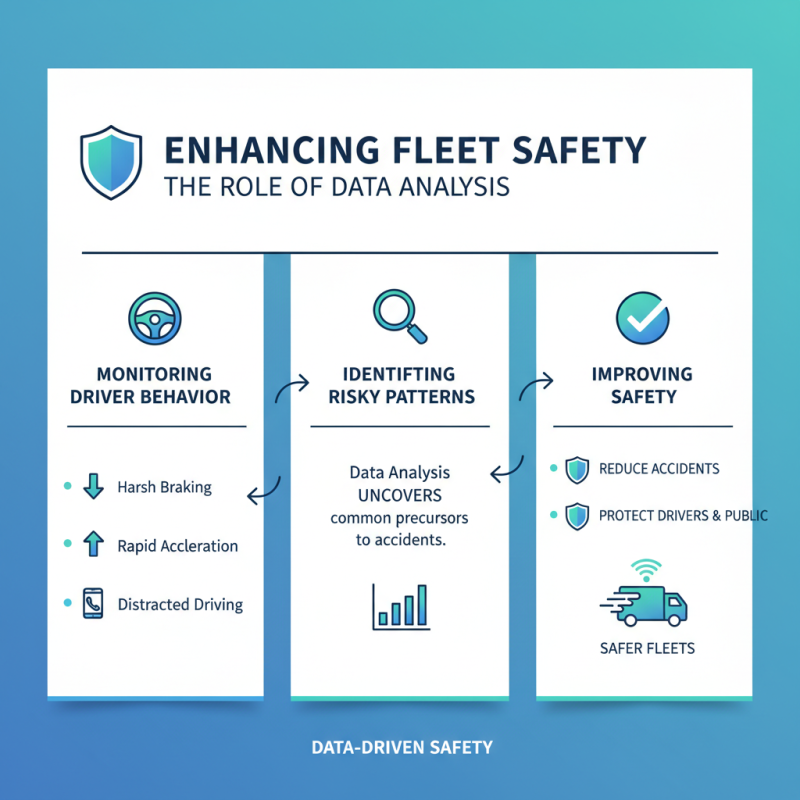
Data analysis plays a vital role in improving fleet safety. By monitoring driver behavior, fleet managers can identify risky patterns. These may include harsh braking, rapid acceleration, or distracted driving. Such behaviors often lead to accidents, endangering both drivers and the public.
Leveraging advanced data analytics tools offers deeper insights into driving habits. Fleet managers can gain a clearer picture of performance. Regular assessments can reveal training gaps. It’s essential to create feedback loops for continuous improvement. Collaborating with a trusted Driver Behavior Analysis Supplier can enhance this process. They offer analytics that can pinpoint issues in real-time.
However, relying solely on data has limitations. Not every risk can be quantified, as human behavior remains unpredictable. It's crucial to balance data insights with on-the-ground observations. Regular discussions with drivers can uncover insights that data alone might miss. Fleet safety ultimately depends on a holistic approach that combines data with human elements.
Driver fatigue is a significant contributor to road accidents, with studies indicating that approximately 20% of crashes involve drowsy drivers. To combat this pressing issue, the implementation of Driver Fatigue Monitoring Systems (DFMS) has become increasingly vital. These systems are designed to detect signs of fatigue in drivers, ensuring timely alerts that can prevent accidents and save lives.
The effectiveness of a DFMS can be measured by its identification missed rate and wrong rate, both of which should ideally be ≤ 3%. Advanced monitoring technology significantly enhances these features, providing accurate facial and behavior recognition. A well-designed system will include high-resolution imaging capabilities, with effective pixels of at least 1280x720, ensuring clear visuals for precise monitoring. The inclusion of IP67 rated housing adds to the system's durability, making it suitable for various driving conditions. Moreover, optical distortion correction is crucial for maintaining image integrity even in challenging environments, while a central resolution of 720 lines guarantees clarity in detecting signs of fatigue.
Further enhancing the functionality, DFMS equipped with a 940nm filter glass and an infrared lamp ensures that image recognition accuracy remains high, even in low-light situations. This technology not only focuses on facial monitoring but also incorporates behavior tracking, allowing for a comprehensive analysis of Driver Alertness. As organizations continue to prioritize road safety, integrating such advanced monitoring systems into vehicle designs is a progressive step towards reducing accidents caused by driver fatigue.
: Fatigue, distraction, and stress significantly influence driver behavior.
Drowsy driving increases accident risks by nearly 50%. Monitoring driving hours is crucial.
Mobile devices and in-cabin systems can create hazardous conditions.
Drivers texting while driving are 23 times more likely to crash.
High stress can lead to risky behaviors, especially during peak hours or bad weather.
Implement regular training sessions and offer stress management resources.
Using telematics provides real-time feedback, helping identify and address risky behaviors.
Reckless driving behaviors like speeding and tailgating significantly increase accident chances.
Regular assessments and targeted interventions can enhance safety strategies.
Training often lacks a holistic approach, neglecting to address stress and distractions.
Driver Behavior Analysis is crucial for fleet safety as it directly influences accident rates and operational efficiency. Understanding the importance of driver behavior helps fleet managers identify key factors that impact performance, including speed, braking habits, and adherence to traffic laws. By utilizing technological tools for monitoring driver behavior, fleets can gather valuable data that inform safety strategies and training programs.
Implementing effective strategies for improving driver behavior involves continuous education and awareness initiatives. These training programs equip drivers with the skills needed to enhance safety and reduce risks on the road. Furthermore, the role of data analysis in enhancing fleet safety cannot be understated, as it provides insights that enable informed decision-making and proactive measures to ensure driver compliance and overall fleet well-being.