Leave Your Message
0%

In today’s crazy-fast world, keeping an eye on road safety is more important than ever. Things like accidents caused by driver fatigue or just getting distracted are still a big deal. That’s where a Driver Alert System really comes in handy. A lot of companies, like SafeDrive Technologies, are pushing the envelope with new tech to help make our drives safer by using smart alert systems.

A good Driver Alert System works by using real-time data to keep tabs on how you're driving. It can spot when you’re starting to get drowsy or when you’re distracted, and it’ll give you a heads-up before things get serious. But let’s be real—it all depends on whether drivers actually pay attention to those alerts and whether the system works reliably. Sometimes, people just ignore the warnings, which kind of defeats the purpose.

Plus, these systems need to keep evolving. They should adapt to different road conditions and fit various driving styles. Regular check-ups can help spot areas where they’re falling short. If companies like SafeDrive Technologies put more effort into making these systems user-friendly, the benefits could be huge. Investing in safety tech isn’t just a smart move; it’s a responsibility we all share. After all, we’re all in this together, right?

How to Implement a Driver Alert System for Safety Improvement?

Understanding the Importance of Driver Alert Systems for Safety

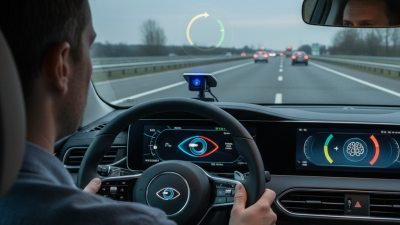
Driver Alert Systems play a crucial role in enhancing road safety. These systems help in identifying signs of driver fatigue and distraction. As technology advances, incorporating effective monitoring tools becomes essential.

The Drowsy Driver Alert System, for instance, can detect when a driver shows signs of drowsiness. Techniques such as facial recognition or vehicle behavior analysis enable swift alerts. When the system triggers an alarm, it prompts the driver to take a break. This simple intervention can save lives on the road.

Here are some effective tips for implementing a Driver Alert System. First, ensure it integrates seamlessly with existing vehicle systems. Real-time data is vital for accurate monitoring. Second, choose user-friendly interfaces. Drivers should find alerts intuitive and non-disruptive. Lastly, prioritize driver education. A well-informed driver is more likely to respond effectively to system warnings.

The importance of these systems cannot be overstated. As we navigate busy roads, every alert counts. Investing in such technology represents a step toward a safer driving environment. It’s not just about following trends; it’s about protecting lives on the road.

Key Components of an Effective Driver Alert System

An effective Driver Alert System relies on several key components to enhance safety. One crucial element is real-time monitoring. By tracking drivers’ behaviors, such as fatigue or distracted driving, the system can provide timely alerts. This data helps in identifying patterns that may require further investigation.

Another important aspect is user-friendly alerts. An ideal system should deliver notifications in a clear and intuitive manner. For instance, auditory signals can prompt immediate attention without taking away from driving focus. Visual cues on a dashboard can reinforce these alerts. Effective communication increases the likelihood of drivers responding appropriately.

Furthermore, integrating feedback mechanisms can empower drivers to reflect on their habits. Regular reports may highlight improvements or recurring issues. This encourages a culture of self-awareness and growth among drivers. A system that promotes dialogue fosters better understanding, contributing to overall safety. However, some drivers may resist feedback, potentially limiting the system's effectiveness. Continuous improvement is essential for long-term success.

Identifying Driver Fatigue and Distraction Indicators

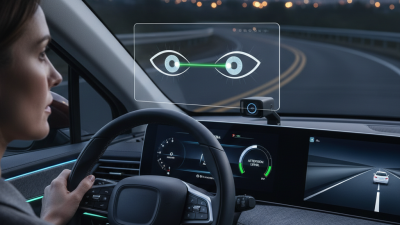
Driver fatigue and distraction contribute significantly to road accidents. According to the National Highway Traffic Safety Administration, drowsy driving led to over 72,000 crashes in the United States in a single year. This staggering figure highlights the urgent need for effective monitoring systems. A Driver Attention Alert System can identify signs of fatigue, such as prolonged eye closure and head nodding. These indicators are crucial for preventing accidents caused by inattentive driving.

Implementing effective technology is essential. Sensors can monitor driver behavior in real-time. Advanced algorithms analyze data to detect deviations from normal driving patterns. It's vital to adjust thresholds for individual drivers, as fatigue signs can vary greatly. The goal is to provide timely alerts without overwhelming the driver.

Tips:Educate drivers about recognizing their own fatigue. They should take regular breaks on long journeys. Encourage them to communicate when feeling tired. These practices, combined with a robust Driver Attention Alert System, can significantly enhance road safety. Continuous improvement in technology and driver education will lead to safer driving environments.

Implementing Technology Solutions for Monitoring Driver Behavior

How to Implement a Driver Alert System for Safety Improvement?

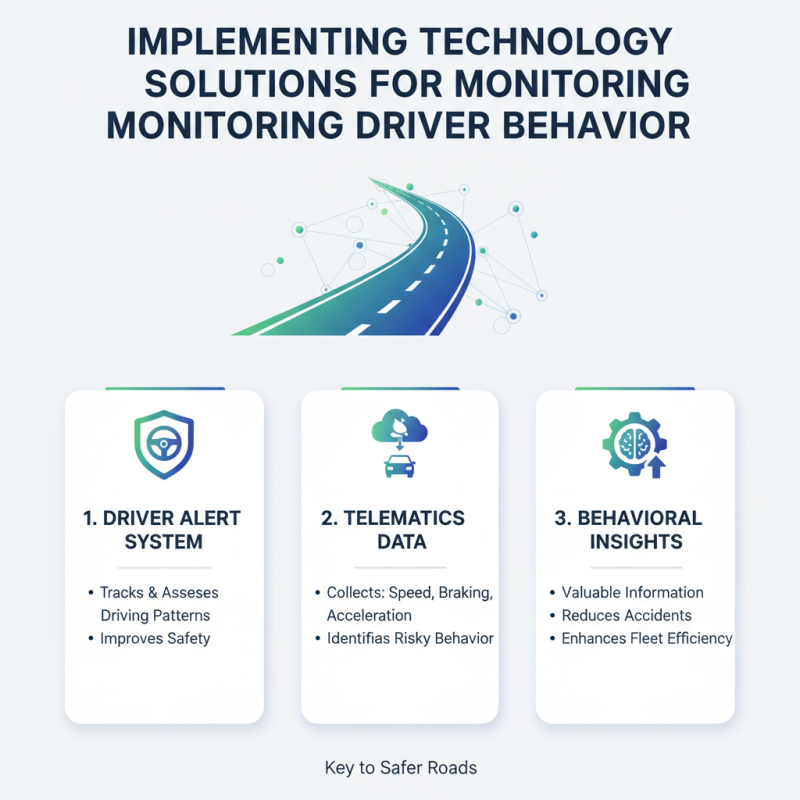
Implementing effective technology solutions for monitoring driver behavior is essential for improving safety. A driver alert system utilizes various tools to track and assess driving patterns. By using telematics, companies can collect data on speed, braking, and acceleration. This information is valuable in identifying risky behavior.

Integrating real-time feedback can enhance a driver's awareness. For instance, auditory alerts can notify drivers of aggressive maneuvers. Visual displays can provide instant feedback on driving habits. However, not all feedback systems are foolproof. Some drivers may disregard notifications, leading to continued unsafe practices. It's crucial to analyze the effectiveness of these systems regularly.

Training programs can complement technology. Teaching drivers about the data collected can create a culture of safety. Engaging drivers in discussions about their habits fosters reflection. Acknowledging that not everyone responds positively to alerts is important. Continuous improvement requires an adaptable approach, considering diverse responses from drivers. Monitoring should not just aim to reprimand but to educate and empower.

Creating an Action Plan for Prompt Alerts and Responses

A Driver Drowsiness Alert System can significantly enhance road safety. Developing an action plan is critical for effective alerts and responses. Studies show that drowsy driving causes about 20% of all traffic accidents. Prompt alerts can help prevent these tragedies.

When creating your action plan, consider using real-time monitoring technologies. Sensors and cameras can detect signs of drowsiness, such as heavy eyelids or frequent yawning. These systems can issue immediate alerts to drivers. Research indicates that timely intervention reduces the risk of accidents by up to 50%.

Yet, challenges remain. Not all drivers respond effectively to alerts. Some may ignore warnings due to fatigue. This underlines the need for continuous education about drowsy driving. Data suggest that awareness campaigns can reduce such incidents by as much as 30%. Fostering a culture of safety is essential. Without it, even the best alert systems may fail to improve outcomes, illustrating that technology alone isn't enough.

Training Drivers on the Use of Alert Systems and Safety Protocols

Training drivers on the use of alert systems is crucial for enhancing road safety. A well-designed Driver Sleep Alert System can prevent many accidents caused by drowsiness. It’s essential that drivers fully understand how to operate these systems effectively.

Tips: Encourage interactive training sessions. Allow drivers to engage with the alert systems hands-on. Simulating real-life scenarios can help them respond better under stress. Reinforce the importance of adhering to safety protocols. Regular refreshers can ensure that safety remains a priority.

Drivers should also understand the signs of fatigue. Not all drivers recognize when they're getting tired. It's important to discuss these signs openly. Incorporating short discussions during training can inspire self-awareness.

Tips: Use real examples to illustrate the dangers of drowsy driving. Sharing statistics can demonstrate the impact of alert systems. Encourage drivers to speak up if they're feeling tired. Building a culture of safety supports everyone on the road.

Driver Alert System - Safety Improvement Data

This chart illustrates the reduction in accident rates before and after implementing a driver alert system training program. The data shows a significant improvement in safety as a result of effective training on alert protocols.

Evaluating the Effectiveness of Driver Alert Systems Over Time

Evaluating the effectiveness of driver alert systems requires careful monitoring. Data collection is key. Tracking alerts and driver responses helps assess improvements. Many systems employ sensors to detect drowsiness and distraction. These sensors can provide valuable insights over time. However, not all drivers respond the same way. Some may ignore the alerts, while others might react immediately.

Long-term studies show mixed results. A driver alert system may reduce incidents but not eliminate them. Many drivers can become desensitized to alerts. This habituation can lead to decreased effectiveness. Retesting and adjusting thresholds can enhance systems. Continuous feedback helps to refine the alert mechanisms.

Another challenge is individual differences. Age, health, and driving habits all play a role. Younger drivers may be more responsive than older drivers. This variability complicates evaluation. We must consider personal characteristics when studying these systems. Ongoing research plays a crucial role in driving safety improvements. Each data point offers a clearer picture of effectiveness.

How to Implement a Driver Alert System for Safety Improvement? - Evaluating the Effectiveness of Driver Alert Systems Over Time

Month Driver Fatigue Alerts Issued Reduction in Accidents (%) Driver Feedback Score (1-10) System Updates Implemented
January 150 10 7.5 1
February 120 15 8.0 0
March 180 20 8.5 2
April 160 18 9.0 1
May 140 22 9.5 3

FAQS

: What is a Driver Drowsiness

lert System?

How does the action plan improve alert systems?

An action plan combines real-time monitoring and education to enhance driver awareness.

What percentage of traffic accidents is caused by drowsy driving?

Studies show that drowsy driving accounts for about 20% of all traffic accidents.

How can prompt alerts help reduce accidents?

Timely alerts can decrease the risk of accidents by up to 50% if drivers respond appropriately.

Why might drivers ignore drowsiness alerts?

Some drivers may be too fatigued to react, highlighting the need for better education on drowsiness.

What challenges remain in evaluating alert systems?

Not all drivers respond the same, and habituation can lessen the effectiveness of alerts over time.

What factors influence driver responsiveness to alerts?

Age, health, and driving habits play a significant role in how drivers react to drowsiness alerts.

How can ongoing research improve driver safety?

Continuous data collection allows better evaluation and refinement of alert systems for future effectiveness.

What is the importance of fostering a safety culture?

A culture of safety can enhance the effectiveness of alert systems, even the best technology needs support.

Can alert systems eliminate drowsy driving incidents completely?

No, they may reduce incidents but cannot eliminate them entirely due to driver desensitization.

Conclusion

Implementing a Driver Alert System is crucial for enhancing safety on the road. Such systems are designed to identify indicators of driver fatigue and distraction, ensuring timely interventions to prevent accidents. Key components of an effective driver alert system include the use of advanced technology for monitoring driver behavior and creating an action plan that facilitates immediate alerts and responses when driver performance deteriorates.

Moreover, training drivers on the proper use of these alert systems and related safety protocols is essential. This not only empowers drivers but also fosters a culture of safety within the organization. Finally, continuous evaluation of the effectiveness of driver alert systems over time ensures that they remain relevant and impactful, leading to sustained improvements in road safety.
Ethan

Ethan

Ethan is a dedicated marketing professional at Zhuhai Shangfu Electric Technology Co., Ltd., where he combines his expertise in electrical engineering with a passion for communication. With a deep understanding of the company’s innovative products, Ethan is adept at showcasing their unique benefits......
Previous Why Choose Underwater Ultrasonic Radar for Your Marine Projects?