Leave Your Message
0%

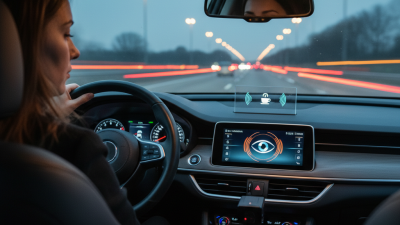
Picking out a Driver Fatigue Warning Systemisn’t just about tech anymore — it’s really about safety, especially when you’re on the move. You know, a delayed blink might seem small, but in a car, it can turn into a big deal fast. Back in 2021, NHTSA reported 684 deaths from crashes involving drowsy driving. And honestly, it’s tough to get the full picture because most drivers don’t admit they’re tired — denial or embarrassment, maybe. The AAA Foundation estimates that drowsy driving led to about 328,000 crashes, over 100,000 injuries, and nearly 6,400 deaths across the US during one period. Sure, these numbers aren’t perfect — fatigue is often underreported — but the trend is pretty clear. You might notice someone rubbing their eyes, drifting toward a lane line, or missing a traffic signal. A good Driver Fatigue Warning System should be able to catch those signs before things get out of hand.

Dr. Mark Rosekind, a former head of NHTSA and a fatigue researcher, once said, “Drowsy driving is a public health issue.” And honestly, that hits home. It’s not just about throwing out alerts — it’s about making sure Driver Monitoring actually helps drivers stay safe. Things like where you put cameras, how well infrared works, avoiding false alarms, respecting privacy, and making sure it fits into fleet operations all matter. A loud beep isn’t always the best way to get someone’s attention. Sometimes, the system can get tripped up by sunglasses, face masks, or tricky lighting conditions. We need to be honest about those limits.

The smartest approach involves a mix of solid detection tech, clear signals, easy-to-read reports, and responsible human oversight. Test it out on real roads — in the dark, rain, and those long overnight shifts. The road will quickly show if something’s not working right.

How to Choose a Driver Fatigue Warning System?

Define the Purpose and Scope of a Driver Fatigue Warning System

A driver fatigue warning system should begin with a defined operational purpose, not a product checklist.

The World Health Organization reported about 1.19 million annual road deaths globally in its Global Status Report on Road Safety 2023. Fatigue is difficult to measure directly, but its warning signs are observable: repeated yawning, slow eyelid movement, drifting lanes, and delayed steering correction. Decide which risks matter most for your fleet.

Scope should match real driving conditions. A long-haul fleet may need monitoring during night shifts, extended routes, and irregular breaks.

A city fleet may need attention during stop-and-go traffic and early-morning deliveries.

633

NHTSA recorded 633 traffic deaths involving drowsy drivers in 2022.

That figure shows why a narrow test can be misleading. Ten vehicles on daytime routes are not enough.

Define the required response, too. Should the system alert the driver immediately, notify a supervisor, or record an event for later coaching?

An OEM Driver Fatigue Warning System may support vehicle integration, but compatibility is only one part of the decision. Check alert timing, camera performance in low light, privacy controls, and false-alarm rates.

A dashboard can look impressive and still miss a tired driver on a rainy road.

We should admit that early scope decisions are often incomplete. Pilot results may expose different risks, especially across vehicle types, driver experience, and shift patterns. Use those findings to revise the purpose before expanding deployment.

Assess Driver, Vehicle, and Operating Environment Risks

Choosing a driver fatigue warning system starts with the driver, not the dashboard. Assess shift length, night driving, age, health factors, and repeated signs of tiredness. A driver may blink slowly, drift within a lane, or miss a familiar turn. These details matter. No system is perfect. Human review remains necessary.

Next, examine the vehicle and operating environment. A Wholesale Driver Fatigue Warning System should work with the vehicle’s camera position, cabin lighting, seat design, and vibration levels. Heavy rain, glare, road construction, and winding routes can affect detection accuracy. Check whether alerts remain clear when the cabin is noisy. Test the system during real routes, not only in a quiet yard. Fleet records can reveal patterns, but records may also be incomplete.

Tips: Create a practical risk profile for each route. Compare alerts with driver reports and safety observations. Review false alarms every week. Adjust camera placement after cleaning or maintenance. Train supervisors to respond calmly, without blaming drivers. A useful system should support better decisions, not create alarm fatigue. Begin with a short pilot, measure results, and question unexpected improvements. Sometimes the data looks better because reporting changed, not because fatigue decreased.

Compare Fatigue Detection Technologies and Alert Methods

Choosing a fatigue warning system starts with comparing detection technologies, not chasing features. Camera-based systems examine eyelid closure, gaze direction, and head position. They can react within seconds. However, sunglasses, low light, and poor camera alignment may reduce accuracy. Steering-pattern analysis detects wandering corrections and inconsistent control. It works without viewing the driver’s face. Yet road curves, wind, and fatigue can produce similar signals. Wearable sensors can track posture or pulse, but comfort and daily charging remain practical weaknesses. No system is perfect.

An ODM Driver Fatigue Warning System may combine several inputs for stronger decision-making. This approach can reduce reliance on one uncertain signal. During evaluation, check detection speed, false alarms, and performance across day and night driving. A system that alerts too often may be ignored. A system that reacts too late is worse. Test it with real routes, changing traffic, and different driver positions. Laboratory results alone do not show the whole picture.

Alert methods also need careful comparison. A brief audio tone is clear, but repeated alarms can become irritating. Seat or steering-wheel vibration gives a physical warning without increasing cabin noise. Visual alerts are useful for supervisors, yet they may distract the driver. A sensible design uses staged alerts: gentle vibration first, then a stronger sound if fatigue continues. The alert should be noticeable, not startling. I would still question any system that offers only one alert method. Human reactions vary, and even good technology can fail when installation, maintenance, or driver trust is overlooked.

How to Choose a Driver Fatigue Warning System?

Comparing fatigue detection technologies and alert methods

The chart shows whether each technology can normally use six common fatigue-related signals. A value of 1 means the signal is a normal input for that technology; 0 means it is not. Signal availability is not the same as detection accuracy, which depends on calibration, lighting, road conditions, and driver behavior.

Visual alerts

Useful for low-distraction notifications, but they may be missed when the driver is looking away from the instrument panel.

Auditory alerts

Usually noticeable without requiring the driver to look at a display, although repeated sounds can become distracting or lose effectiveness.

Haptic alerts

Vibration through the steering wheel or seat provides a direct physical cue and can complement visual or auditory warnings.

Multimodal alerts

Combining two or more channels improves noticeability, but alert timing and escalation should be carefully designed to avoid nuisance warnings.

Commonly used fatigue indicators include eyelid closure, blink behavior, gaze direction, head pose, steering corrections, and lane or vehicle-motion behavior. PERCLOS-based systems typically measure the proportion of time that the eyes are substantially closed during a defined observation period.

Check Accuracy, Reliability, and False Alarm Performance

How to Choose a Driver Fatigue Warning System?

Accuracy should be tested in realistic driving conditions, not only in controlled demonstrations. A reliable system should detect long blinks, repeated yawning, head drops, and irregular steering. It should also respond quickly when fatigue develops. Ask for measured detection rates, response times, and testing methods. Vague claims are not enough.

False alarms deserve equal attention. A warning that sounds during sunlight glare, glasses use, rough roads, or normal conversation can quickly lose driver trust. Check both sensitivity and specificity. High sensitivity may detect more fatigue, but poor specificity can create constant distractions. In my experience, this balance is difficult. No system is perfect. Drivers may also ignore warnings after several incorrect alerts.

Tips: Request independent test results and review performance across night, rain, tunnels, and different driver positions. Check whether the system records missed detections and false alerts. Reliable equipment should recover after power interruptions and continue working when cameras become partly blocked. Ask about calibration, software updates, cleaning needs, and support response times. A short trial with real drivers can reveal problems that a product sheet hides. Record every alert during the trial. Then compare valid warnings with unnecessary ones. Reliability is not just hardware strength; it is consistent performance over weeks of daily use.

Evaluate Installation, Integration, Privacy, and Data Security

How to Choose a Driver Fatigue Warning System?

A reliable system starts with installation, not software promises. Check whether cameras need a clear view of the driver’s eyes and face. Poor mounting angles, glare, masks, or night reflections can weaken alerts. Installation should not block airbags, dashboard controls, or the driver’s sightline.

The AAA Foundation for Traffic Safety estimated that drowsy driving contributed to 328,000 U.S. crashes annually, including about 109,000 injury crashes. Those figures show why practical testing matters.

Integration deserves equal attention. A fatigue warning should connect with fleet dashboards, event logs, and existing driver-assistance controls. Alerts must reach the right person quickly. A supervisor may need a timestamp, vehicle location, and alert type, not a flood of raw video. The system should also keep working during weak connectivity. Offline storage can help, but it creates another risk.

Privacy requires restraint.

Ask what data is collected, where it is stored, and how long it remains accessible. Continuous cabin video may reveal sensitive personal information beyond fatigue indicators. Prefer systems that process data locally and upload only necessary events. Access should use strong authentication, encryption, audit logs, and role-based permissions.

NIST’s Privacy Framework recommends limiting data collection and controlling secondary use. ENISA’s transport-sector threat reporting also highlights ransomware and data exposure as persistent risks.

No system is perfect. Test false alerts, deletion procedures, and breach response before deployment. Even a polished installation can fail when nobody reviews its assumptions.

Review Costs, Compliance, Maintenance, and User Support

Choosing a Driver Fatigue Warning System requires more than comparing dashboard prices. The National Highway Traffic Safety Administration recorded 684 drowsy-driving deaths in 2021. It also states that fatigue crashes are often underreported. That gap matters. A cheap camera may create false alerts, missed warnings, and driver distrust. Request independent testing and alert-rate data. A Driver Fatigue Warning System Supplier should disclose installation, connectivity, software, and replacement costs.

Compliance needs practical review. The system should support transport, privacy, and workplace rules in each region. Check data retention, driver notice, access controls, and deletion procedures. The European Commission reported more than 20,000 road deaths across the European Union in 2023. Prevention deserves measurable scrutiny. Still, compliance claims alone prove little. Ask for audit records and comparable fleet references. Review maintenance too. Can a technician replace a camera during a night shift? How often must lenses be cleaned? What happens after an update?

Tips: Run a 30-day pilot. Track alerts per 1,000 miles, confirmed fatigue events, downtime, and driver feedback. Include rainy nights and dusty depots. Require response-time targets, multilingual training, and escalation contacts. The AAA Foundation for Traffic Safety estimated that 16–20% of fatal U.S. crashes involve drowsiness. Estimates vary. That uncertainty deserves attention. Some pilots fail because drivers feel watched. Reconsider the rollout when feedback is poor, even when the spreadsheet looks excellent.

How Driver Fatigue Monitoring Systems Improve Road Safety and Fleet Efficiency

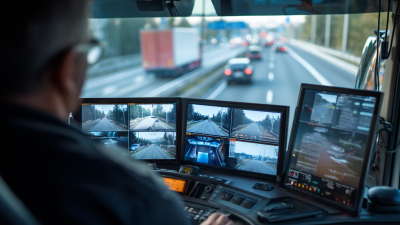
Driver fatigue is a major threat to road safety and fleet productivity. The World Health Organization estimates that road crashes cause approximately 1.19 million deaths worldwide each year, while the U.S. National Highway Traffic Safety Administration (NHTSA) recorded 693 fatalities involving drowsy driving in 2023. Because fatigue can impair reaction time, attention, and decision-making before a driver notices the symptoms, continuous in-cab monitoring provides an important layer of prevention. It can alert drivers and fleet managers when signs of drowsiness or distraction appear, helping reduce collision exposure, vehicle downtime, and related operating costs.

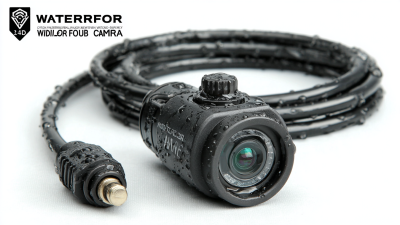
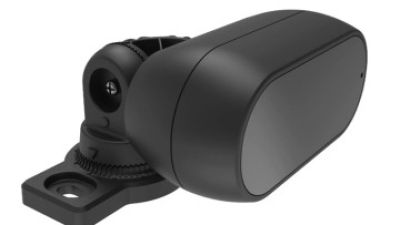
A reliable driver monitoring system should combine accurate identification with robust image quality. With an identification missed rate and wrong rate of no more than 3%, the recommended solution supports dependable recognition in daily fleet operations. Its 2G3P construction, IP67 protection, and effective resolution of at least 1280×720 enable stable performance in demanding vehicle environments. Central resolution of 720 lines and advanced optical distortion correction further improve facial and behavioral analysis, including detection of eye closure, inattentive posture, and other risky behaviors.

The use of 940nm filter glass and a 940nm infrared lamp helps maintain recognition accuracy in darkness, glare, and changing cabin conditions without relying on visible light. By combining face monitoring and behavior monitoring, the system can deliver timely alerts, generate actionable safety records, and help fleet managers identify training needs, refine scheduling practices, and improve compliance with fatigue-management procedures.

FAQS

: How do camera-based fatigue detection systems work?

: They examine eyelid closure, gaze direction, and head position. They can react within seconds. Sunglasses, darkness, glare, or poor camera alignment may reduce accuracy.

Can steering-pattern analysis detect driver fatigue?

It studies wandering corrections and inconsistent steering control. It does not need to view the driver’s face. However, wind and winding roads can create similar patterns.

Are wearable fatigue sensors practical for daily driving?

Wearable sensors may track posture or pulse. Comfort can become a problem during long shifts. Daily charging is another weakness. Small details matter.

Should a fatigue warning system combine several detection methods?

Combining camera, steering, and wearable inputs may reduce reliance on one uncertain signal. Still, more sensors can increase setup and maintenance demands. No system is perfect.

Which alert method is most suitable for fatigue warnings?

A staged alert can begin with gentle seat or steering-wheel vibration. A stronger sound may follow if fatigue continues. Visual alerts can help supervisors but may distract drivers. Test it.

How should a fatigue detection system be tested before deployment?

Test real routes during daylight and darkness. Include changing traffic, road curves, sunglasses, and different driver positions. Measure detection speed, false alarms, and missed warnings. Laboratory results are not enough.

What installation problems can reduce system reliability?

Cameras need a clear view of the driver’s eyes and face. Glare, masks, poor angles, and night reflections can weaken detection. Installation must not block airbags, controls, or sightlines.

What privacy protections should a fatigue warning system include?

Ask what data is collected, where it is stored, and when it is deleted. Local processing can limit unnecessary cabin-video transfers. Use encryption, strong authentication, audit logs, and role-based access. Privacy matters.

How should fatigue alerts connect with fleet operations?

The system should share event times, vehicle locations, and alert types with authorized staff. It should avoid overwhelming supervisors with continuous raw video. Offline storage may help during weak connectivity, but it needs careful review.

What weaknesses should buyers question before choosing a system?

Ask whether repeated alarms could make drivers ignore warnings. Check deletion procedures, false-alert handling, and breach response plans. Driver trust, maintenance, and installation quality can undermine good technology. I would still question confident promises.

Conclusion

Choosing the right Driver Fatigue Warning System requires a clear understanding of its purpose, users, and operating conditions. Start by defining whether the system is intended for individual drivers, commercial fleets, long-distance travel, or mixed environments. Assess risks related to driver behavior, vehicle type, road conditions, shift patterns, weather, and visibility. Then compare available fatigue detection technologies and alert methods, considering how effectively they identify reduced attention, drowsiness, or distraction without causing unnecessary stress.

Accuracy, reliability, and false alarm rates are essential for maintaining driver trust and system effectiveness. Organizations should also evaluate installation requirements, compatibility with existing vehicle or fleet platforms, privacy protection, and data security practices. Finally, review the total cost of ownership, regulatory and internal compliance needs, maintenance procedures, software updates, training, and technical support. A well-chosen system should provide practical, timely warnings while fitting naturally into daily operations and supporting safer, more sustainable driving habits.

Nathan

Nathan

Nathan is a dedicated marketing professional at Zhuhai Shangfu Electric Technology Co., Ltd., where he showcases his extensive expertise in the company's innovative product offerings. With a deep understanding of the technical specifications and applications of their electric technology solutions,......
Previous How to Use Driver Fatigue Alert for Safer Driving in 2026?