Choosing the right Underwater Ultrasonic Radar system is pretty important for anyone involved in marine operations. I mean, did you know that, according to MarketsandMarkets, the underwater surveillance market is expected to hit around $3.5 billion by 2025? That really shows how much more these high-tech detection systems are becoming a vital part of underwater work.
Lots of industries rely on good radar tech to keep things safe and running smoothly. Companies like Teledyne Marine and Kongsberg Gruppen are always coming up with cool innovations. But here’s the thing— not all Underwater Ultrasonic Radar systems are the same. Factors like frequency, range, and resolution can make a huge difference in how well they work. So, it’s smart to be aware of different specs and tech improvements out there these days.
Getting the wrong system can be a real costly mistake— delays, safety hazards, you name it. Plus, poor installation or low-quality equipment can cause serious operational hiccups, as research shows. Looking back on past screw-ups can actually help us make smarter choices now. For folks in marine fields, it’s all about reliability and precision when picking these systems—they’re pretty much essential gear for safe and efficient operations.
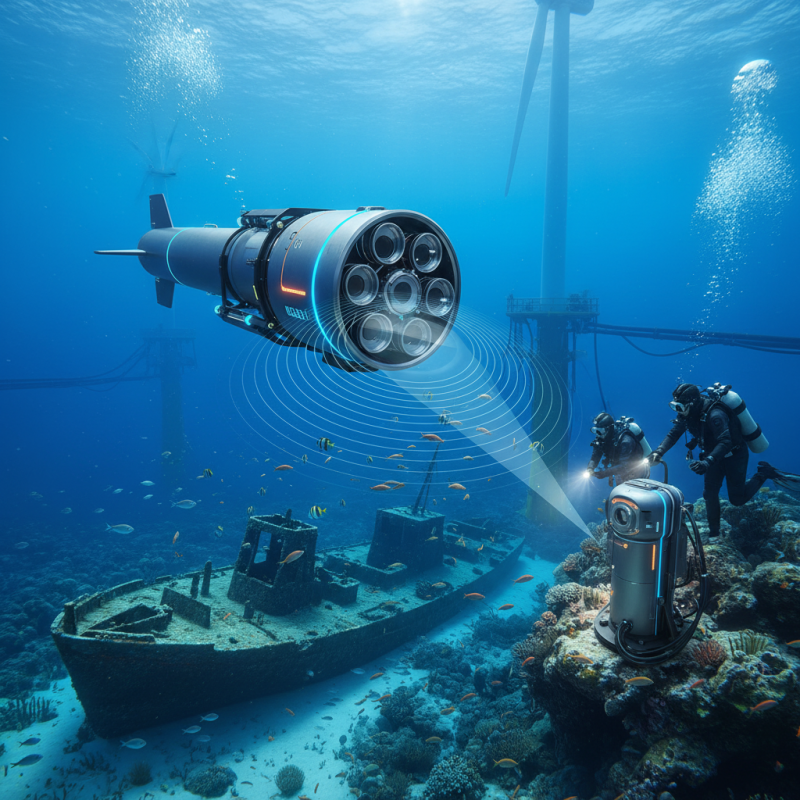
Understanding Underwater Ultrasonic Radar Systems
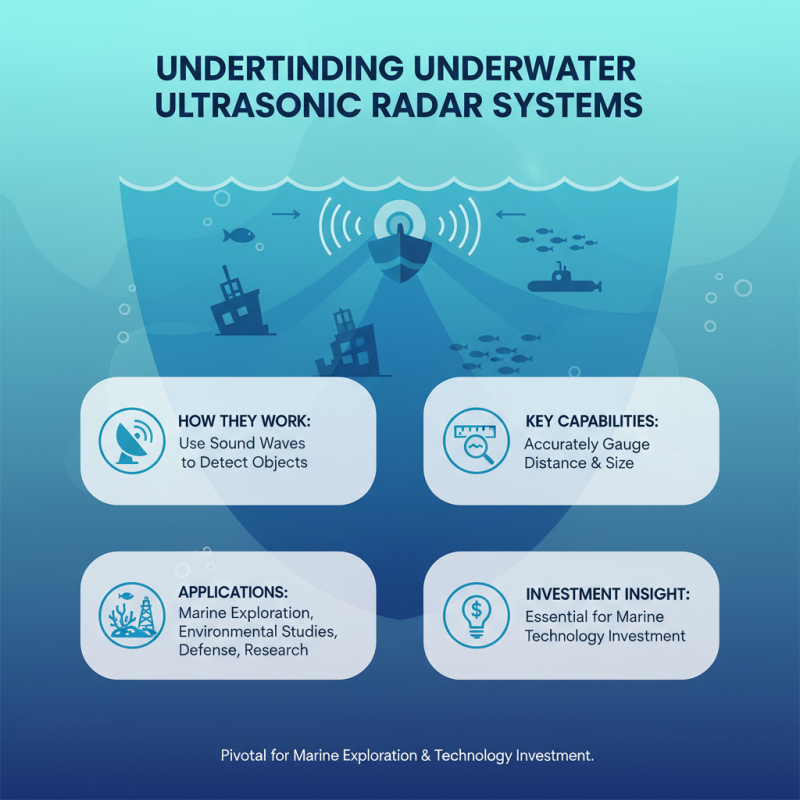
Underwater ultrasonic radar systems are pivotal for marine exploration. They utilize sound waves to detect objects beneath the surface. These systems can accurately gauge distance and size, making them invaluable for various applications, from environmental studies to defense. Understanding how they operate is essential for anyone looking to invest in this technology.
The functionality of underwater ultrasonic radar relies on sound wave propagation in water. Unlike electromagnetic waves, sound waves travel further and are less affected by water conditions. This makes these systems suitable for different environments. Consideration of water depth, temperature, and salinity is vital. These factors influence signal quality and performance. Choosing an OEM Underwater Ultrasonic Radar involves more than just specifications. The usability in specific conditions should be taken seriously.
Users often overlook the importance of calibration and maintenance. Regular adjustments ensure optimal performance. Testing in real scenarios can lead to surprising results. Feedback from the field can highlight strengths and weaknesses. Understanding these nuances can improve decision-making when selecting the right system for various underwater tasks.
Key Features to Consider in Ultrasonic Radar Systems
When selecting an underwater ultrasonic radar system, it's essential to focus on key features. These features impact performance, reliability, and efficiency in critical applications. A recent report by the Marine Electronics Association highlights that systems with higher frequencies can significantly improve resolution. Frequencies above 200 kHz are often recommended for detailed imaging in shallow waters.
Another consideration is the range of the system. A study from Ocean Tech Review indicates that systems with a range exceeding 200 meters are preferable for large-scale underwater searches. This feature allows operators to cover more ground, thus saving time and resources. It's worth noting, however, that extended range often requires a trade-off in resolution and clarity.
Battery life is crucial for long-duration missions. Systems with a lifespan exceeding 12 hours are becoming industry standards. Some systems struggle with energy efficiency, leading to mid-mission failures. Buyers should weigh performance against operational limitations. Enhanced algorithms can also improve detection capabilities. However, not all systems integrate advanced processing capabilities, affecting their overall effectiveness. Balancing these features requires careful consideration and an understanding of specific operational needs.
Assessing Frequency and Range for Optimal Performance
Choosing the right underwater ultrasonic radar system starts with understanding your specific needs. Frequency and range are critical factors affecting performance. Typically, lower frequencies, around 20-50 kHz, penetrate deeper but offer lower resolution. In contrast, higher frequencies, between 100-400 kHz, provide better detail at shallower depths. According to a report by the Marine Technology Society, systems operating at 200 kHz can reach depths of up to 300 meters while maintaining high-resolution imagery.
When assessing range, consider the environment. Murky waters can drastically reduce effective range. A recent study indicated that visibility can drop to mere meters in less than ideal conditions. Ultrasonic radar systems address this challenge, but users should remain realistic about their expectations. Clarity may decrease, even with high-end models.
Tips for selecting the appropriate system include evaluating environmental factors and required data detail. Always look for specifications that match your operational depth. Also, consider the system's adaptability. Many systems now offer frequency modulation, allowing for adjustments based on real-time conditions. The investment in a quality Wholesale Underwater Ultrasonic Radar can enhance data gathering, but understand the limitations that come with varying environments. Expect to revisit your choice as technology evolves and needs change.
Evaluating Sensitivity and Resolution Requirements
When selecting an underwater ultrasonic radar system, sensitivity and resolution are crucial factors. Sensitivity determines how well the radar can detect subtle changes in the underwater environment. High sensitivity allows for the detection of small objects or variations in the water, which can be critical for tasks such as marine biology studies. However, too much sensitivity can lead to noise, creating a challenge in filtering relevant data.
Resolution, on the other hand, defines the clarity of the images produced. A higher resolution provides more detailed images, essential for precise mapping or object identification. However, increasing resolution typically requires advanced technology and may raise overall costs. It's essential to balance the need for clarity with budget constraints. Understanding the specific applications of the ODM Underwater Ultrasonic Radar will guide your choice. Each project may demand different levels of sensitivity and resolution, making it essential to define your requirements clearly.
Evaluating existing systems can also expose potential shortcomings. Users often report issues with both sensitivity and resolution, suggesting a reevaluation of current technology. This awareness can stimulate discussions with experts in the field. Ultimately, choosing the right system involves weighing user experiences against the technical specifications available.
Durability and Environmental Considerations for Underwater Use
When selecting an underwater ultrasonic radar system, durability and environmental factors are crucial. Equipment used in marine settings must withstand harsh conditions. According to a 2022 industry report, nearly 40% of underwater systems fail due to inadequate sealing against saltwater exposure. Hence, manufacturers should prioritize corrosion-resistant materials.
Environmental considerations extend beyond material selection. For instance, battery longevity is a significant issue. A study revealed that 35% of underwater devices suffer from battery decay caused by pressure and temperature fluctuations. Choosing systems designed for deep-sea conditions can mitigate these risks.
Moreover, operational temperatures can vary dramatically underwater. Systems must function between 0°C and 50°C without performance loss. This adaptability enhances reliability and extends service life. However, advances in technology are not without challenges. Many systems still struggle with signal attenuation, particularly in murky waters. Potential users must critically evaluate these limitations while comparing options in the market.
Comparing Cost vs. Performance in Ultrasonic Radar Selection
When selecting an underwater ultrasonic radar system, understanding cost versus performance is crucial. Price often reflects the system's capability and features. Systems with advanced imaging technology can be expensive but offer better detail. A lower-cost unit may provide basic functionality but could lack reliability in complex scenarios.
Performance is not solely about price. Consider the application and environment. Different systems excel in varying conditions. For instance, a high-frequency radar might perform better in shallow waters but struggle in deeper regions. Users often discover that investing in quality equipment pays off in efficiency and accuracy.
It’s important to ask critical questions. What is the primary use case? Will a basic model suffice, or is high precision necessary? The answers can guide purchasing decisions. Balancing cost and performance requires thorough research and reflection. This ensures you choose a system that meets your needs without overspending or compromising on quality.
How to Choose the Best Underwater Ultrasonic Radar System? - Comparing Cost vs. Performance in Ultrasonic Radar Selection
| Model | Cost ($) | Detection Range (m) | Resolution (cm) | Battery Life (hrs) | Weight (kg) |
| Model A | 3000 | 150 | 5 | 12 | 2.5 |
| Model B | 5000 | 200 | 4 | 15 | 3.0 |
| Model C | 4500 | 180 | 6 | 10 | 2.8 |
| Model D | 6000 | 220 | 3 | 20 | 3.5 |
| Model E | 3500 | 160 | 4.5 | 8 | 2.2 |
Reviewing Manufacturer Reputation and Support Services
When selecting an underwater ultrasonic radar system, the manufacturer's reputation stands out. A reputable manufacturer will have a proven track record in the industry. This can indicate reliability and performance. Potential buyers should look for customer reviews and case studies. These insights can reveal how well the systems meet user needs.
Support services are equally crucial. A good manufacturer offers robust customer support that extends beyond the sale. It's important to consider the availability of technical assistance. How quickly can you get help if something goes wrong? This is where an experienced Underwater Ultrasonic Radar Supplier can make a difference. They should provide comprehensive training and resources for their products.
Finally, consider the potential for ongoing updates and maintenance support. Technology evolves rapidly. You want to work with a supplier who adapts to changes. This demonstrates a commitment to quality and ensures the longevity of your investment. The right partner will enhance your experience and boost your operational efficiency.
Comparison of Underwater Ultrasonic Radar Systems
This bar chart compares various specifications of underwater ultrasonic radar systems, highlighting key performance metrics that are essential for users to consider when choosing a system.
Enhancing Industrial Safety: The Benefits of Ultrasonic Load-carrying Detection Systems
In the evolving landscape of industrial safety, the integration of ultrasonic load-carrying detection systems presents a pivotal advancement. These systems leverage cutting-edge technology to enhance real-time monitoring of truck load statuses, enabling operators to receive crucial data remotely. With capabilities to transmit vital information such as truck load weight, speed, and location through a T-box, these solutions significantly mitigate operational losses while improving overall traffic safety.
The precision offered by small distance ultrasonic detection is particularly noteworthy, achieving a distance resolution of less than or equal to 1 mm. This high level of accuracy allows for proactive management of load conditions, alerting drivers when trucks are either eccentric or overloaded. According to industry reports, improperly loaded vehicles can contribute to a significant percentage of road accidents, underscoring the importance of real-time monitoring systems that enhance not only operational efficiency but also road safety.
Furthermore, these ultrasonic systems are designed to withstand harsh environmental conditions, boasting features like waterproof capabilities and long lifetimes that ensure reliable performance across diverse settings. By providing timely warnings and actionable insights, ultrasonic load-carrying detection systems represent a transformative approach to industrial safety, enabling companies to uphold safety protocols and improve handling efficiency on the road.
FAQS
: They use sound waves to detect underwater objects and assess their distance and size.
Sound waves travel farther and are less impacted by water conditions, making them more effective.
Water depth, temperature, and salinity all affect signal quality and system performance.
Regular calibration is essential for optimal performance; neglecting it could lead to poor results.
Lower frequencies penetrate deeper but offer less detail, while higher frequencies provide better resolution at shallower depths.
Murky water can significantly reduce the effective range and clarity of the system's readings.
Yes, many now feature frequency modulation to adjust performance based on real-time conditions.
Users should expect limitations; even advanced systems may have reduced clarity in less-than-ideal environments.
Yes, but understand the evolving nature of technology and your changing needs over time.
It reveals strengths and weaknesses, aiding in better decision-making for future purchases.
Conclusion
Choosing the right Underwater Ultrasonic Radar System requires a careful evaluation of several key factors. First, understanding the core functionality and applications of these systems is crucial. Key features to consider include frequency and range, as these elements significantly impact the radar's performance in various underwater conditions. Sensitivity and resolution requirements must also be assessed to ensure accurate detection and mapping.
Durability and environmental considerations are essential, given the often harsh underwater environments these systems operate in. Additionally, comparing cost against performance helps in making a well-informed decision tailored to specific needs. Finally, reviewing the reputation of manufacturers and the support services they offer can provide further assurance of quality and reliability in choice of an Underwater Ultrasonic Radar System.

 Front & Rear Parking Assist
 Automatic Parking Assist
 Wade Sensor System
 79GHz Kick Step-on Open System
 79GHz Door Open Warning System
 77GHz Blind Spot Detection
 77GHz Long Range Detection
 60GHz Child Presence Detection
 360 Panoramic Camera
 Driver Fatigue Monitoring System
 Dash Camera
 ADAS Camera
 Streaming Rearview Mirror
 Self Cleaning Camera
 Car Radio
 Infotainment System
 Wireless Charger
 Ultrasonic Sensors System
 4-Image Camera Monitoring System
 Driver Fatigue Monitoring System
 77GHz Blind Spot Detection
 ADAS Camera
 Camera Monitoring System