In today’s super busy world, keeping drivers safe really has to be a top priority. A good Driver Fatigue Monitoring System can make a huge difference in preventing accidents caused by drowsiness—trust me, it’s no joke. Technology's moving so fast these days that picking the right system for your needs can sometimes feel overwhelming. There are companies like SmartDrive that offer all-in-one solutions, but honestly, not every system is perfect for everyone or every situation.
So, it’s really worth taking some time to figure out exactly what you need. Think about things like how accurate the system is, how easy it is to use, and whether it can easily connect with your existing setup. The more advanced OEM Driver Fatigue Monitoring Systems often give real-time alerts and can warn drivers before things get too dangerous. But a word of caution — some of these systems can get pretty complicated and end up being more of a headache than help.
If you really want to improve road safety, it’s crucial to understand what each system offers and where it might fall short. Checking out customer reviews and industry reports can give you a real-world idea of how they perform. Doing your homework like this will help you pick a system that matches your safety goals and, hopefully, steer clear of any frustrating surprises.
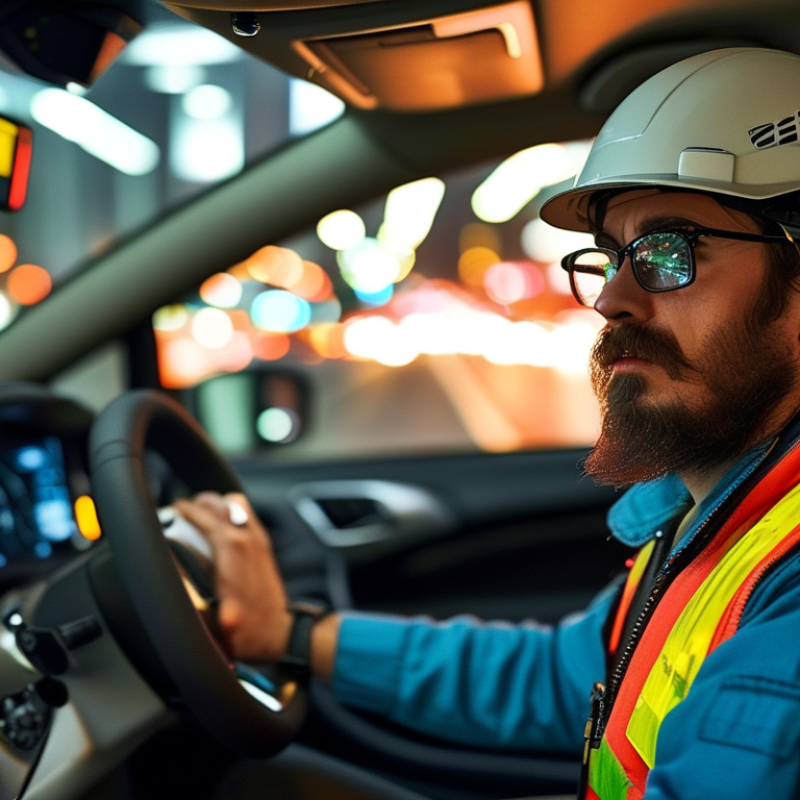
Understanding Driver Fatigue and Its Impact on Road Safety
Driver fatigue is a critical issue in road safety. Studies show that fatigue reduces attention and slows reaction times. Drivers may struggle to stay awake, leading to devastating accidents. Recognizing the signs of fatigue is essential. Yawning, frequent blinking, and drifting between lanes are all warning signs. Educating drivers on these signals can save lives.
Creating a safe driving environment starts with proper rest. Encourage drivers to take regular breaks. Each break should last at least 15 minutes. This helps refresh their focus. Hydration and healthy snacks can also keep energy levels up. Proper nutrition plays a vital role in maintaining alertness.
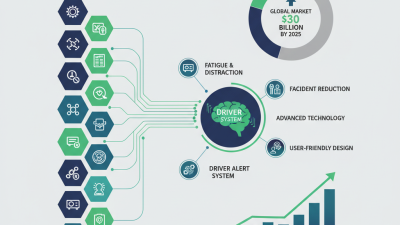
Remember, fatigue can affect anyone. Even well-rested drivers may experience drowsiness during long trips. Implementing a monitoring system will help maintain safety. These systems can provide alerts when fatigue is detected. The technology can analyze driver behavior. This proactive approach can reduce the risk of accidents significantly. Being aware of driver fatigue and addressing it properly is crucial for enhancing road safety.
Driver Fatigue Monitoring System Impact on Road Safety
This chart displays the impact of implementing driver fatigue monitoring systems on road safety by showing the number of accidents categorized by severity levels. As monitoring systems improve, the rate of high severity accidents decreases significantly.
Key Features to Look for in a Driver Fatigue Monitoring System
When selecting a driver fatigue monitoring system, it's essential to focus on key features that enhance safety and reliability. One significant aspect is real-time alerting mechanisms. Systems should provide immediate notifications when signs of fatigue are detected. This can include visual, auditory, or tactile alerts that prompt drivers to take a break. Such responsiveness can be crucial in preventing accidents on the road.
Another critical feature is comprehensive data analysis. A good monitoring system should not only identify fatigue but also analyze driving patterns and behaviors over time. This helps fleet managers understand tendencies and take proactive measures. For example, some systems offer reports that highlight fatigue trends among drivers, allowing for tailored training approaches. Monitoring hardware and software must also be user-friendly, as complicated interfaces may hinder usage during stressful moments.
Lastly, consider the integration capabilities of the system. An effective driver fatigue monitoring system should seamlessly integrate with existing fleet management tools. This ensures that data flows smoothly and enhances overall operational efficiency. However, organizations should reflect on their unique needs and challenges. A one-size-fits-all solution may not address specific situations effectively. Thoughtful evaluation and customization are critical in choosing the right system.
Types of Driver Fatigue Monitoring Technologies Explained
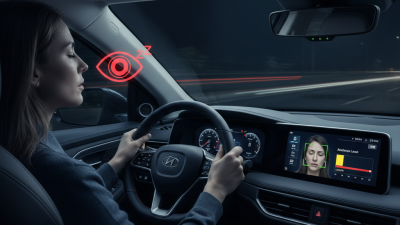
When selecting a Driver Fatigue Monitoring System, understanding different technologies is crucial. There are several methods to detect fatigue in drivers. One popular approach is using facial recognition technology. This method tracks eye movement and facial expressions. It offers real-time feedback to prevent accidents. However, it relies heavily on environmental conditions, which can be a limitation.
Another technology is steering pattern analysis. This system monitors how a driver interacts with the steering wheel. Erratic movements may indicate fatigue. It's less intrusive than facial recognition and can operate effectively in various lighting. Yet, this method may not always detect fatigue unless there's an observable change in behavior.
Wearable devices are gaining attention too. They can monitor heart rate and other physiological signals. These systems provide valuable insights into a driver's physical state. However, user compliance is essential for effectiveness. Each method has its pros and cons, leading to the question of the best choice. Therefore, considering various technologies is vital when deciding on a Wholesale Driver Fatigue Monitoring System.
Evaluating the Accuracy and Reliability of Monitoring Systems
When evaluating driver fatigue monitoring systems, accuracy and reliability are paramount. A reliable system must provide real-time feedback to ensure driver safety. It should accurately detect signs of fatigue, such as yawning or slower reaction times. The technology used often ranges from cameras to biometric sensors. Understanding the strengths and weaknesses of these technologies is crucial.
Consider how data is collected and analyzed. Is the data real-time or does it rely on periodic checks? Systems that continuously analyze behavior tend to offer better insights. Reliability also depends on user-friendly interfaces. If drivers find a system complicated, they may not use it effectively. Assessing user experience is as important as reviewing the technology behind it.
Real-world testing can reveal challenges in accuracy. No system can claim to be 100% accurate. Environmental factors, such as lighting or dashboard reflections, may affect performance. It’s essential to reflect on various scenarios to understand limitations. Analyze how different systems handle diverse driving conditions. The ability to adapt and learn from these contexts can enhance overall effectiveness.
Integration with Existing Fleet Management Solutions
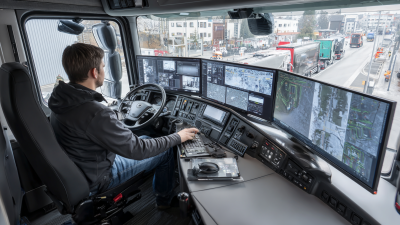
Integration with existing fleet management solutions is crucial when selecting a driver fatigue monitoring system. Many companies optimize their operations by ensuring that new technologies blend seamlessly with their current systems. This integration allows for real-time data sharing and enhances overall efficiency.
When implementing an ODM Driver Fatigue Monitoring System, consider how it will communicate with your existing tools. A well-integrated system can provide alerts and track driver behavior without the need for additional manual input. You might encounter challenges during this process, such as data compatibility or user training.
Ensure your chosen system supports essential features like alert notifications and comprehensive reporting. It should also make it easy to visualize driver performance trends. Prioritize software that allows customization to fit your unique operational needs. This way, you create a healthier, safer driving environment while being responsive to fleet dynamics. Reliability is key. Testing and feedback about the integration process can lead to crucial insights into performance improvements.
Cost Considerations in Choosing a Driver Fatigue Monitoring System
When selecting a Driver Fatigue Monitoring System, cost is a pivotal factor. Systems vary widely in price, influenced by technology, features, and maintenance requirements. A recent study showed that a basic system may cost around $5,000, while advanced systems can exceed $15,000. It’s essential to balance initial investment with long-term savings in fuel efficiency and reduced accident risks.
Companies often underestimate hidden costs. Monthly software subscriptions, training expenses, and system updates should be considered. Reports indicate that drivers with monitoring systems have up to a 25% reduction in fatigue-related incidents. This translates to fewer accidents and lower insurance premiums.
Evaluating ongoing costs can impact your choice significantly. Collaborating with a knowledgeable Driver Fatigue Monitoring System Supplier can offer insights into total ownership costs. They can provide guidance on which systems deliver the best value over time. A thorough cost analysis should include potential savings from improved safety records and enhanced driver health. This approach can justify the initial expense and offer a clearer picture of ROI.
User Training and Support for Effective Implementation
Effective training and support are crucial for implementing a Driver Fatigue Monitoring System. Users must understand how to interpret alerts and warnings. Developing a training program can take time and require adjustments. Not every user will grasp the technology immediately. Providing resources like manuals or interactive sessions can bridge this gap.
Regular support is equally important. Users may encounter issues or have questions long after their initial training. Establishing a clear support line helps resolve these queries efficiently. Creating a community forum allows users to share experiences and tips. This fosters a learning environment where challenges are viewed collectively.
Implementation is not without challenges. Feedback from users often reveals areas needing improvement. Continuous evaluation of training effectiveness is essential. Adapting support resources based on user needs can enhance engagement. A proactive approach builds trust in the Driver Fatigue Monitoring System Manufacturer and empowers users to use the technology confidently.
Ultimate Guide to Enhancing Your Vehicle's Experience with the 10.1 inches TFT Digital Screen Infotainment System
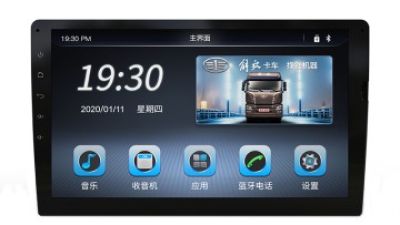
In today’s rapidly evolving automotive landscape, enhancing the driving experience with advanced technology has become essential. The integration of a 10.1 inches TFT digital screen infotainment system is a significant leap forward, providing drivers and passengers with a seamless blend of entertainment and functionality. Featuring a resolution of 1024x600, this touchable display enhances user interaction, making navigation, media selection, and communication effortless. According to recent market analysis, approximately 70% of consumers express a preference for vehicles equipped with advanced infotainment systems, as they enhance connectivity and convenience.
This infotainment system is not just about entertainment; it also supports a variety of essential functions. With Bluetooth connectivity and USB multimedia play, users can easily connect their devices and enjoy their favorite content on the go. Moreover, the multi-camera monitoring capability offers an added layer of safety, allowing drivers to access real-time visuals from multiple angles, thus significantly improving situational awareness. Reports indicate that vehicles equipped with such advanced monitoring systems reduce blind spots and enhance overall safety measures by up to 30%.
Furthermore, the integrated vehicle operation guide ensures that users can easily navigate their vehicle's features and functions. This is particularly beneficial for those unfamiliar with modern automotive technology. The importance of such systems is underscored by studies that reveal consumers are increasingly prioritizing tech features when making purchasing decisions. As vehicles become smarter, the inclusion of sophisticated infotainment systems will continue to be paramount in elevating the overall driving experience.
FAQS
: Facial recognition technology is commonly used. It tracks eye movement and facial expressions in real-time.
It monitors driver interactions with the steering wheel. Erratic movements may suggest fatigue but require behavioral changes.
Wearable devices track physiological signals like heart rate. User compliance is crucial for their effectiveness.
Integration ensures seamless data sharing and enhances operational efficiency. It supports alert notifications and behavior tracking.
Data compatibility and user training can be significant challenges. Addressing these is essential for smooth implementation.
Essential features include alert notifications, reporting tools, and easy visualization of performance trends. Customization is also important.
Yes, facial recognition relies on environmental conditions, and steering analysis may miss fatigue unless behavior changes.
Testing and gathering feedback can provide insights into system performance. This leads to potential improvements in effectiveness.
Without user adherence, the data collected may be unreliable. This limits the system's ability to accurately monitor fatigue.
Understanding the strengths and weaknesses of each technology is crucial for making an informed choice.
Conclusion
Driver Fatigue Monitoring Systems are essential tools aimed at enhancing road safety by addressing the critical issue of driver fatigue. Understanding the impact of driver fatigue on road safety is fundamental, as it significantly increases the risk of accidents. When selecting a monitoring system, it is important to consider key features that support accurate detection of fatigue levels, such as real-time monitoring, alerts, and performance analytics.
Various technologies are available for driver fatigue monitoring, each with its own methods of assessment, ranging from wearable devices to in-vehicle sensors. Evaluating the accuracy and reliability of these systems is crucial, as is their ability to integrate seamlessly with existing fleet management solutions. Cost considerations should also be taken into account to ensure a balance between budget and quality. Finally, effective user training and support are vital for the successful implementation of a Driver Fatigue Monitoring System, ensuring that all personnel understands how to utilize the system to maintain safety on the roads.

 Front & Rear Parking Assist
 Automatic Parking Assist
 Wade Sensor System
 79GHz Kick Step-on Open System
 79GHz Door Open Warning System
 77GHz Blind Spot Detection
 77GHz Long Range Detection
 60GHz Child Presence Detection
 360 Panoramic Camera
 Driver Fatigue Monitoring System
 Dash Camera
 ADAS Camera
 Streaming Rearview Mirror
 Self Cleaning Camera
 Car Radio
 Infotainment System
 Wireless Charger
 Ultrasonic Sensors System
 4-Image Camera Monitoring System
 Driver Fatigue Monitoring System
 77GHz Blind Spot Detection
 ADAS Camera
 Camera Monitoring System