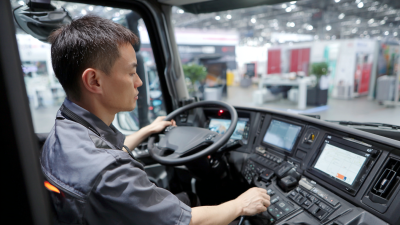
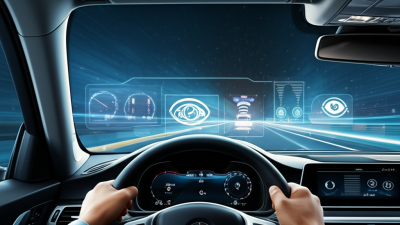
In the fast-changing world of road safety, you really can't underestimate how important a good Driver Eye Monitoring System is. I mean, Dr. Emily Carter, who’s pretty much an expert in automotive safety tech, points out that “A well-designed Driver Eye Monitoring System is key to stopping accidents caused by driver fatigue or getting distracted.” Her insights really drive home how crucial it is to have effective monitoring tools in our cars now.
Getting the right Driver Eye Monitoring System isn’t just about picking any random one. You’ve gotta look at things like how accurate it is, how quickly it responds, and how easily it plays nice with other tech in your vehicle. Visual cues from the system can do a lot to boost driver awareness, but not all these systems are created equal — some might not be super reliable or might lack certain features, which could compromise safety.
A lot of options out there boast about their fancy features, but honestly, not all of them really deliver in real-world situations. Some of the newest innovations still need a bit of work before they’re perfect, so it’s smart to read up on real user experiences. Thinking critically about what each system offers helps manufacturers and fleet managers make smarter choices. Striking a balance between cool features and actual performance is definitely no easy feat when the goal is making driving safer for everyone.
Understanding Driver Eye Monitoring Systems: Definition and Importance
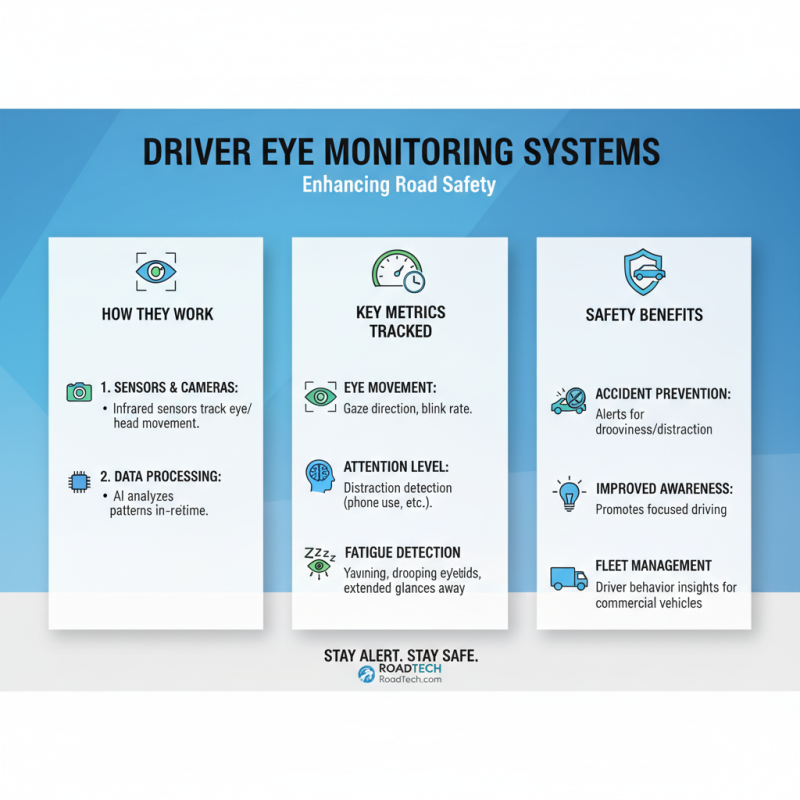
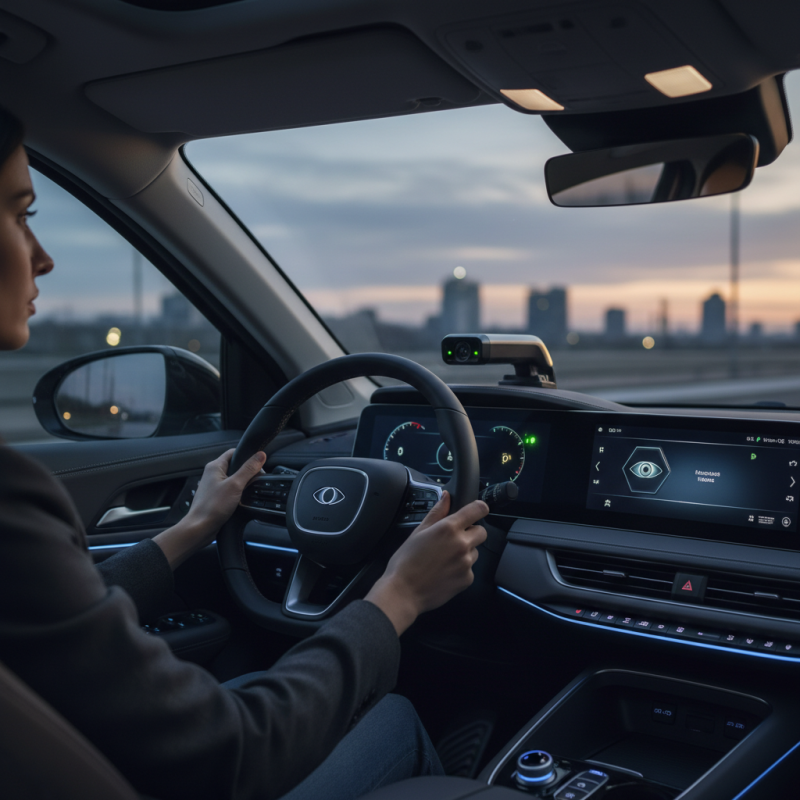
Driver eye monitoring systems are crucial for enhancing road safety. These systems track driver behavior. They monitor eye movements, attention levels, and fatigue. Understanding how they work is the first step in choosing the right system. Proper functioning can prevent accidents caused by distractions or drowsiness.
Driver eye monitoring systems use various technologies. They often include cameras and sensors to capture real-time data. This data helps in analyzing a driver's alertness. However, not all systems are equally effective. Some may struggle to identify nuanced signs of fatigue. Others might display false alarms. It’s essential to reflect on these limitations when evaluating options.
An OEM Driver Eye Monitoring System can provide manufacturers with tailored solutions. These solutions can be integrated into existing vehicles. However, the implementation of such systems requires careful consideration. Choosing a system that falsely triggers can be distracting. The goal should be to enhance safety without causing additional stress. Overall, understanding these systems is vital for making informed decisions.
Key Features to Look for in Driver Eye Monitoring Systems
When selecting a driver eye monitoring system, several key features should be considered. One critical aspect is real-time data processing. A system that provides instant feedback can greatly enhance safety. Look for options that monitor eye movement, blink rate, and fatigue levels. These features can alert drivers before they become dangerously drowsy.
Comfort is also essential. Choose systems that have user-friendly interfaces. Simple navigation ensures that drivers can focus on the road, not on adjusting settings. Additionally, consider the device's size. A compact system can blend into the vehicle without distraction.
Tips: Always check for compatibility with various vehicles. Not all systems fit every model. Additionally, frequent updates can improve performance.
Moreover, ensure that the system allows for customizable alerts. Every driver has different preferences. This personal touch can elevate the experience. It's vital not to compromise on the quality of the system. A Wholesale Driver Eye Monitoring System might provide cost savings but ensure it meets the necessary standards.
Industry Standards and Regulations for Eye Monitoring Technology
When selecting an eye monitoring system, it’s crucial to consider industry standards and regulations. These guidelines ensure safety and reliability. Eye monitoring technology varies widely, so understanding the norms is essential. The systems should comply with the latest safety protocols set by relevant authorities. This knowledge helps in choosing a compliant and effective device.
Tips: Check local regulations. Ensure the system meets specific requirements for your region. Stay informed about updates to these regulations as they can change over time. Regular compliance checks can save you from penalties later.
Another consideration is the technology’s effectiveness in real-world scenarios. Some systems might look good on paper, but performance in practical situations can differ. Look for reviews from users who have tested the system in various conditions. Verify how it handles specific situations like distractions or fatigue.
Tips: Seek demonstrations. Request a trial period to evaluate the system extensively before finalizing your decision. It's vital to assess user experience and interface. Don't ignore any inconsistencies reported by testers; they can be telling of potential flaws. Remember that technology must adapt to real-life challenges for best results.
Comparative Analysis of Leading Driver Eye Monitoring Systems in 2023
In 2023, the demand for Driver Eye Monitoring Systems (DEMS) is at an all-time high. A recent industry report indicates that around 30%of road accidents are linked to Driver Drowsiness and distraction. These statistics emphasize the critical need for effective monitoring solutions. Various systems utilize advanced technologies, including infrared sensors and machine learning algorithms, to track eye movement and blink rates.
Key factors differentiate these systems. Accuracy is essential. Some systems boast a detection accuracy above 95%. Yet, they may struggle in extreme lighting conditions. Additionally, user comfort plays a vital role. Systems that are overly intrusive can distract drivers, leading to unintended consequences.
It's imperative to assess how each ODM Driver Eye Monitoring System integrates into a vehicle's environment. The wrong choice could hinder driver performance instead of enhancing safety.
Recent studies suggest that nearly 20% of users find existing monitoring systems uncomfortable. This feedback highlights the importance of user-centric design. Exploring various options can reveal both strengths and weaknesses in functionality. Balancing technological sophistication and driver comfort remains a challenge in the industry. Investing time in comparative analysis helps identify the right system for enhanced road safety.
Evaluating System Accuracy: Metrics and Data Interpretation
When selecting a driver eye monitoring system, accuracy is key. Evaluating system accuracy involves analyzing various metrics such as false positives and true negatives. A high true positive rate means the system correctly detects driver drowsiness. Conversely, a high false positive rate can lead to unnecessary alerts, causing driver frustration. These metrics provide insight into the system's reliability.
Data interpretation is also crucial. Understanding patterns in data allows for better assessment. For instance, frequent detection of eye closure may indicate fatigue. However, the system must differentiate between normal blinks and critical closures. This complexity can lead to inaccuracies. The human factor cannot be ignored. Environmental conditions, such as lighting, may also affect performance. Therefore, real-world testing is essential.
Lastly, data privacy should not be overlooked. Systems must securely handle sensitive information. Balancing accuracy with ethical considerations is vital. A transparent approach will foster trust among users. Enhanced accuracy leads to better safety outcomes, yet users should remain skeptical of any technology. Continuous improvement and reflection on performance metrics are necessary for growth.
User Experience: Implementation and Feedback from Commercial Drivers
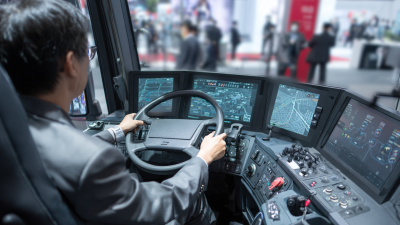
When implementing a driver eye monitoring system, user experience is key. Commercial drivers have shared valuable feedback. Many appreciate the real-time alerts for drowsiness. However, some find these alerts distracting. Balancing safety and focus is challenging.
Drivers often express mixed feelings about the effectiveness of these systems. Some say it helps them stay alert. Others feel it adds pressure to perform. A few reported that the camera sometimes misreads their actions. This raises concerns about reliability. A malfunctioning system may lead to unnecessary anxiety.
Feedback also shows that training is essential. Drivers need to understand how the system works. Clear instructions make a difference. Yet, there are still gaps in comfort levels with technology. This is an area that needs improvement. Open dialogue among drivers, manufacturers, and fleet managers can enhance overall user satisfaction.
Driver Eye Monitoring System User Experience Feedback
Cost-Benefit Analysis: Investing in Driver Eye Monitoring Solutions
Investing in a driver eye monitoring system can enhance safety significantly. It is crucial to weigh the costs against potential benefits. For instance, the initial investment may seem high, but consider the value of preventing accidents. Reducing the risk of drowsiness-related incidents alone can save companies from hefty insurance payouts. Properly analyzing these costs can lead to better decision-making.
Some organizations might overlook ongoing maintenance costs. These expenses can add up, impacting budget allocations. Moreover, selecting a reliable Driver Eye Monitoring System Supplier is essential. Not all systems are created equal. A reliable supplier should offer technical support and regular updates to ensure your system runs smoothly.
It's important to think about the long-term implications. Will the system integrate well with your existing technologies? What features are necessary for your specific needs? Reflecting on these questions can make a significant difference in the effectiveness of the investment. Balancing costs, benefits, and continuous improvement can lead to a safer driving environment.
Enhancing Road Safety with Driver Fatigue Monitoring Systems: Insights from the Latest Industry Reports and Safety Data Analysis
In recent years, enhancing road safety has become a pivotal focus within the transportation industry, primarily driven by advancements in driver fatigue monitoring systems. These systems serve as critical tools in preventing accidents caused by drowsy driving, utilizing sophisticated technology to monitor the alertness levels of drivers. According to the latest industry reports and safety data analysis, ensuring a missed identification rate of less than or equal to 3% and a wrong identification rate of less than or equal to 3% is vital for the effectiveness and reliability of these systems.
The technology behind these monitoring systems includes features such as superior optical distortion correction, which is essential for accurate image capture even in challenging lighting conditions. Operating with a resolution capability of at least 1280x720 pixels and a central resolution of 720 lines allows for precise monitoring of driver behaviors. Additionally, the inclusion of a 940nm filter glass and a 940nm infrared lamp significantly enhances image recognition accuracy, ensuring that the system can effectively monitor driver fatigue under various environmental conditions. Combining face and behavior monitoring functions further elevates the effectiveness of these systems, facilitating proactive measures to enhance overall road safety and prevent fatigue-related incidents.
FAQS
: The product aims to enhance user experience through efficient design and usability features.
Read the provided instructions carefully. Follow the step-by-step guide to maximize benefits.
A limited warranty is available. Check specific terms to understand the coverage details.
Yes, it adapts to various settings. However, results may vary based on conditions.
Refer to the troubleshooting section. Common problems have easy solutions listed.
Always adhere to safety guidelines. Neglecting them can lead to unexpected issues.
The product is made from durable materials. This ensures longevity and resilience.
Regular maintenance is recommended. A simple check every few months keeps it functioning well.
Customer support is available for inquiries. They can provide additional guidance when needed.
Conclusion
Choosing the best Driver Eye Monitoring System involves understanding its definition and significance in enhancing road safety. These systems are designed to monitor the driver's eye activity, ensuring alertness and reducing fatigue-related accidents. Key features to look for include real-time monitoring capabilities, accuracy of data collection, and user-friendly interfaces. It's also essential to consider industry standards and regulations that govern eye monitoring technology to ensure compliance and reliability.
A comparative analysis of leading Driver Eye Monitoring Systems reveals varying metrics of system accuracy and user experience. Effective implementation depends heavily on feedback from commercial drivers regarding the system's usability. Additionally, a cost-benefit analysis can help organizations assess the investment required for these monitoring solutions against the potential reductions in accidents and associated costs, making it a critical consideration for enhancing safety in the transportation sector.

 Front & Rear Parking Assist
 Automatic Parking Assist
 Wade Sensor System
 79GHz Kick Step-on Open System
 79GHz Door Open Warning System
 77GHz Blind Spot Detection
 77GHz Long Range Detection
 60GHz Child Presence Detection
 360 Panoramic Camera
 Driver Fatigue Monitoring System
 Dash Camera
 ADAS Camera
 Streaming Rearview Mirror
 Self Cleaning Camera
 Car Radio
 Infotainment System
 Wireless Charger
 Ultrasonic Sensors System
 4-Image Camera Monitoring System
 Driver Fatigue Monitoring System
 77GHz Blind Spot Detection
 ADAS Camera
 Camera Monitoring System