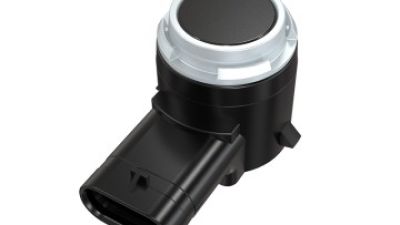
As our cities keep growing, finding parking that isn’t a total nightmare is getting harder and harder. Everyone’s pretty much feeling the pinch when it comes to managing space effectively. That’s why more folks are turning to tech solutions, especially Parking Sensors. When you have a well-designed system in place, it really can make a huge difference — not just for drivers trying to park, but also for city planners trying to keep everything running smoothly.
Picture this: you pull into a busy parking lot, not really sure if there’s a spot available, right? A good parking sensor can basically guide you straight to an open space without all the hassle. Companies like SmartPark are really pushing the envelope with cool solutions that make parking way less stressful. Take their Parking Sensor Front Parking Sensor For Car — it offers real-time updates and directions, so you’re not driving in circles trying to find a spot.
Of course, as awesome as tech can be, it also raises some questions. Are these systems really foolproof? Do people completely trust their accuracy? Those are important points that companies need to keep in mind. The truth is, as we adopt these new tools, listening to user feedback and constantly improving these systems is the way forward. At the end of the day, good parking tech has a lot of potential, but we also need to keep checking in to make sure it actually works well in the real world.

Understanding the Need for Innovative Parking Solutions
Innovative parking solutions are more critical today than ever before. Urban areas are experiencing growth, leading to increased vehicle numbers. This influx creates challenges for drivers seeking parking, often resulting in frustration and wasted time. Implementing effective parking solutions can significantly improve the urban experience.
A Sensor For Parking solutions offers practical benefits. The technology provides real-time data, making it easier for drivers to locate available parking spots. For example, anOEM Parking Sensor Front Parking Sensor For Car helps users navigate tighter spaces with precision. Accurate sensor readings minimize the risk of accidents, which is a concern in congested areas. This technology influences how we interact with our environment and each other.
However, it isn’t a one-size-fits-all solution. Some may struggle with adapting to new technologies. There can be reliability issues, especially in poorly designed systems. Exploring user feedback can lead to vital improvements and innovations. By staying open to adjustments, the effectiveness of parking solutions can continually evolve, meeting the needs of a dynamic urban landscape.
Why Choose a Sensor for Parking Solutions Today? - Understanding the Need for Innovative Parking Solutions
| Feature | Traditional Parking Solutions | Sensor-Based Parking Solutions |
| Real-Time Data | Limited Information | Provides Immediate Availability Updates |
| User Experience | Often Frustrating and Time-Consuming | Streamlined and Efficient |
| Operational Costs | Higher Maintenance and Management Costs | Reduced Costs through Automation |
| Scalability | Difficult to Scale | Easily Scaled to More Locations |
| Environmental Impact | Higher Emissions from Cars Circling | Promotes Eco-Friendly Practices |
Overview of Parking Sensor Technologies Available Today
Parking sensor technologies have gained significant traction recently. These systems enhance convenience and safety for drivers, making parking a less daunting task. Reports indicate that the global parking sensor market is projected to reach over $1.5 billion by 2025, showcasing the growing demand for these solutions. Different types of sensor technologies exist today, mainly ultrasonic, electromagnetic, and infrared sensors. Each offers varying degrees of accuracy and functionalities, catering to diverse parking scenarios.
Ultrasonic sensors use sound waves to detect obstacles. They are widely adopted due to their reliability and cost-effectiveness. Electromagnetic sensors provide real-time vehicle detection and are beneficial for outdoor parking facilities. Infrared sensors, though less common, offer advantages in specific environments. Each technology has unique strengths, and understanding these can help optimize parking solutions for different needs.
Tips: When selecting a parking sensor, consider the specific requirements of your environment. Urban areas may benefit from ultrasonic systems, while outdoor lots could leverage electromagnetic options. Investing in quality sensors ensures durability and reliability. Always explore options like Wholesale Parking Sensor Front Parking Sensor For Car to maximize your budget while enhancing parking efficiency. Balancing quality with cost can be challenging, but the right choice leads to better outcomes.
Benefits of Using Sensors in Parking Management Systems
Parking management is evolving. Sensors offer numerous benefits that can enhance efficiency and convenience in parking systems. These technologies provide real-time data. This data helps drivers locate available spaces quickly and reduces congestion. Time spent searching for parking is minimized, leading to less frustration and a better overall experience.
One major advantage is the reduction in operational costs. Sensors can streamline parking management by automating monitoring. This means fewer manpower resources are needed. In addition, they can help collect valuable data on usage patterns. This information can guide future decisions and investments in infrastructure.
**Tip:** Consider the placement of sensors carefully. Proper locations maximize their effectiveness.
Despite the advantages, challenges exist. Sensor maintenance and data accuracy must be regularly evaluated. Periodic checks are essential to ensure optimal performance.
**Tip:** Regularly update your system based on user feedback and evolving technology.
Incorporating sensors into parking solutions offers a smarter way to manage space. Balancing technology and human oversight is key for future success.
Key Features to Consider in Parking Sensors
Parking sensors have become increasingly vital in urban environments. With the number of vehicles on the road steadily rising, effective parking solutions are essential. Recent studies indicate that almost 30% of urban traffic is caused by drivers searching for parking. This statistic underscores the importance of efficient parking management systems.
When considering parking sensors, several key features stand out. Accuracy is paramount; sensors should quickly and accurately detect available spaces. A study by the International Parking Institute suggests that systems with a 90% detection accuracy significantly reduce parking search times. Reliability is another critical aspect. Solutions must perform well in diverse weather conditions, ensuring consistent functionality.
User-friendly interfaces also enhance effectiveness, enabling drivers to engage effortlessly with the technology.
Moreover, real-time data integration cannot be overlooked. A system that updates parking availability instantly can save time and fuel, contributing to lower emissions. Additionally, sensors with alerts and notifications can enhance user experience.
However, as technology evolves, it is crucial to continuously evaluate performance and seek improvements. The balance between innovation and practicality remains a challenge in the industry. Exploring options and understanding features can lead to better choices and smarter parking solutions.
Integrating Sensors with Smart City Infrastructure
Integrating sensors into smart city infrastructure is key to improving urban parking solutions. These technologies help collect and analyze real-time data. They enable seamless communication between vehicles and parking systems. This connection reduces congestion and enhances the overall parking experience.
Tips for implementing sensors effectively include ensuring compatibility with existing systems. A well-planned integration minimizes disruptions. It's also crucial to consider scalability. Sensors should adapt as urban areas expand. The use of an ODM Parking Sensor Front Parking Sensor For Car can boost this adaptability. This sensor offers precise data, enhancing decision-making for urban planners. Continuous evaluation is essential. Regularly assess performance to refine the system.
Smart parking solutions can face challenges. Public acceptance varies; not everyone embraces new technologies. Additionally, the need for maintenance cannot be overlooked. Sensors require regular checks to ensure accuracy and reliability. Investing in training for personnel can bridge gaps in understanding. With proper implementation and evaluation, challenges can transform into opportunities for improvement.
Case Studies: Successful Implementations of Parking Sensors
Parking sensors have revolutionized urban mobility. Their implementation has enhanced efficiency and reduced traffic congestion. Cities around the world are adopting these solutions to manage parking spaces more effectively.
In one notable case, a metropolitan area utilized auto sensor parking aid technology. The results were promising. The system decreased the average time drivers spent searching for parking by nearly 30%. This translates into fewer emissions and stress for drivers. This shift has encouraged more cities to consider similar strategies.
Yet, not all implementations yield positive outcomes. Some cities faced challenges with integration and maintenance. Communities reported inconsistent data from sensors, leading to confusion among users. Feedback from residents revealed frustrations with technology failures.
Despite these setbacks, the overall trend indicates a shift towards automated parking management. Parking sensors are a valuable asset in modern urban planning. However, ongoing evaluation and adaptation are essential to ensure long-term success.
Future Trends in Parking Sensor Technology and Solutions
Parking sensor technology is evolving rapidly, driven by the need for smarter and more efficient solutions. As urban areas grow, finding parking space becomes increasingly challenging. Innovative sensor systems are emerging to address these issues. They enhance user experience and streamline city infrastructure.
One significant trend is the integration of parking sensors with smart city initiatives. This fusion allows real-time data sharing, optimizing parking space utilization. Sensors can communicate data on availability, guiding drivers efficiently. However, this technology faces hurdles. Privacy concerns arise with data collection. Additionally, the reliability of these systems can vary based on environmental factors.
Another trend is the move towards automated parking. Sensors play a crucial role in enabling vehicles to park themselves. However, this technology is still maturing. Many vehicles lack the necessary infrastructure to support it fully. Moreover, user perception of automated systems can be hesitant, highlighting the need for further education and trust-building. As we navigate these challenges, the future of parking solutions looks promising, yet complex.
Enhancing Vehicle Safety with Front & Rear Parking Assist: Insights from Industry Reports on Accident Reduction and Driver Satisfaction
In today's rapidly evolving automotive landscape, enhancing vehicle safety through advanced parking assist technologies has become a critical focus. Industry reports highlight that the integration of front and rear parking assist systems can lead to a significant reduction in parking-related accidents. According to recent studies, vehicles equipped with these systems can experience up to a 30% decrease in low-speed collision incidents, substantially improving driver safety and confidence while maneuvering in tight spaces.
One of the emerging solutions within this domain is a non-ECU system that utilizes a microcontroller (MCU) for optimal performance. This system supports configurations such as 2/3/4 sensors for both Rear Parking Assist Systems (RPAS) and Front Parking Assist Systems (FPAS), ensuring versatility across various vehicle models. Furthermore, it is designed with either LIN communication or hardwire connections, allowing for seamless integration into existing vehicle architectures. The OE-level connector and rugged construction guarantee reliability even in harsh driving conditions, including heavy rain, which further elevates user satisfaction.
Cost-effectiveness remains a pivotal attribute of this advanced parking assist technology. By providing features such as an intuitive dashboard or infotainment display, it enhances the user experience without the burden of high costs typically associated with OEM solutions. This balance of performance, reliability, and affordability places such systems at the forefront of the automotive accessory market, aligning with the industry's growing emphasis on safety and driver empowerment.
FAQS
: Urban growth increases vehicle numbers, making parking more challenging for drivers.
Parking sensors provide real-time data, helping drivers quickly locate available spaces and reduce congestion.
Sensors automate monitoring and help collect usage data, which can guide future infrastructure decisions.
Maintenance and data accuracy are major concerns. Regular checks are essential for optimal performance.
Careful placement of sensors can enhance their functionality and improve user experience.
Not all users easily adapt to new technology, which can hinder efficiency and acceptance.
Compatibility with existing systems and scalability must be considered for seamless integration.
Regular updates based on feedback can refine systems and enhance their effectiveness.
Investing in training helps bridge understanding gaps and encourages acceptance of new systems.
Public acceptance varies. Not everyone embraces the changes that come with new technology.
Conclusion
In today's urban landscapes, the necessity for innovative parking solutions has never been more apparent. The integration of sensor technology for parking offers a comprehensive approach to managing limited parking resources effectively. Various sensor technologies, such as ultrasonic and infrared sensors, enable real-time monitoring of parking spaces, enhancing overall efficiency. Implementing these systems not only streamlines the parking process but also reduces congestion and improves user experience.
Benefits of utilizing sensors for parking management systems include improved occupancy tracking, reduced search times for available spaces, and better data collection for city planners. Key features to consider include accuracy, durability, and ease of integration with existing smart city infrastructures. As cities continue to evolve, the future of sensor for parking technology promises further advancements, with more sophisticated applications and greater connectivity, ultimately leading to smarter and more sustainable urban environments.

 Front & Rear Parking Assist
 Automatic Parking Assist
 Wade Sensor System
 79GHz Kick Step-on Open System
 79GHz Door Open Warning System
 77GHz Blind Spot Detection
 77GHz Long Range Detection
 60GHz Child Presence Detection
 360 Panoramic Camera
 Driver Fatigue Monitoring System
 Dash Camera
 ADAS Camera
 Streaming Rearview Mirror
 Self Cleaning Camera
 Car Radio
 Infotainment System
 Wireless Charger
 Ultrasonic Sensors System
 4-Image Camera Monitoring System
 Driver Fatigue Monitoring System
 77GHz Blind Spot Detection
 ADAS Camera
 Camera Monitoring System