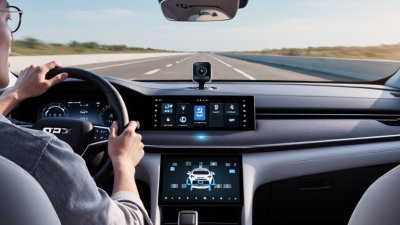
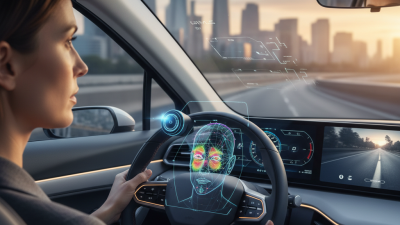
Picking out a Driver Drowsiness Monitoring System isn’t just about grabbing some tech; it’s really about safety first. You know, fatigue shows up in different ways—like slow blinking, yawning over and over, eyelids drooping, or just losing focus. A good system should catch those signs early on and give you clear, timely alerts. The goal? Help drivers stay safe without throwing distractions their way.
Experience in real-world driving really counts. Check out how the system handles night driving, bright sunlight, sunglasses, or tricky road conditions. Don’t hesitate to ask vendors for independent tests, proof of accuracy, and examples from other fleets similar to yours. It’s also important to see if cameras, steering analysis, or sensor-based methods fit your vehicles and environment. No system is perfect, of course. Sometimes, false alarms can bug drivers and cause frustration, while missed warnings are downright dangerous. Being honest about those potential flaws is key.
And don’t just focus on what’s on the dashboard. Make sure you understand installation needs, maintenance routines, updates, alert settings, and compatibility with your existing fleet management tools. It’s equally important to review how your data will be handled—what info will be collected, how long it’s kept, and who can access it. Transparent policies help build trust. Running a short trial can really uncover issues that brochures often gloss over—like uncomfortable alerts, poor camera angles, or confusing instructions. Listening to your drivers’ feedback can make all the difference.
A good supplier should also offer training, ongoing support, and performance reports after you get everything up and running. And don’t just compare initial prices—think about the overall ownership costs, too. The best Driver Drowsiness Monitoring System is the one that fits your vehicles, drivers, routes, and the safety culture you’re aiming for. Sure, technology helps, but at the end of the day, responsible management and a safety-first mindset are what really make the difference.
Define the Purpose and Scope of Driver Drowsiness Monitoring
How to Choose a Driver Drowsiness Monitoring System?
Define the Purpose and Scope of Driver Drowsiness Monitoring
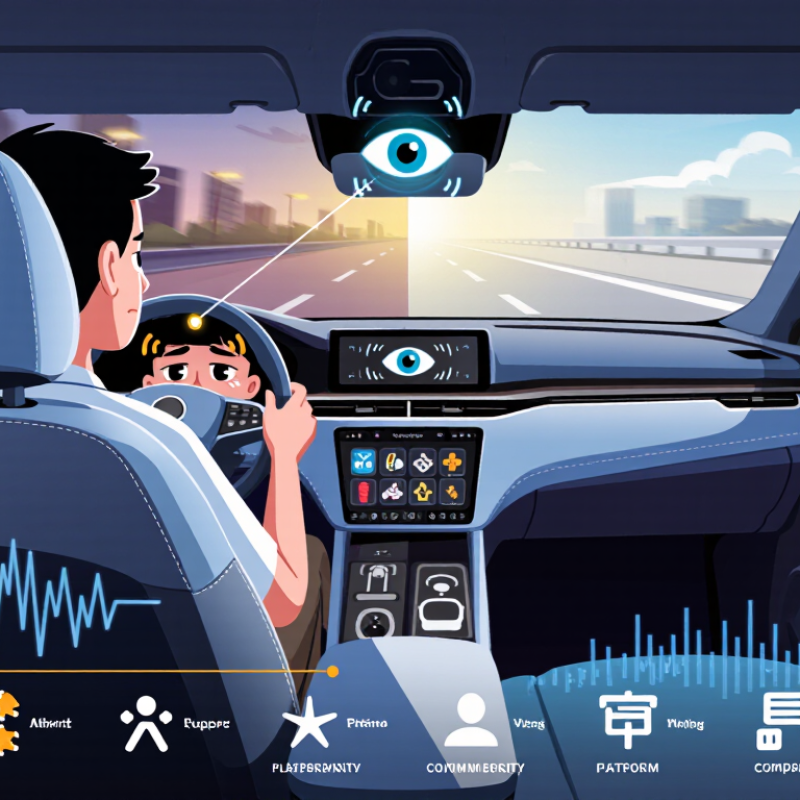
Choosing a driver drowsiness monitoring system should begin with a clear operational question: what risk are we trying to reduce? A city bus service may need alerts during long night routes. A mining fleet may need monitoring on private haul roads. The purpose changes the required camera position, alert timing, and reporting detail. Keep it specific.
Define who will use the system and when it must work. Specify vehicle types, shift lengths, cabin lighting, road conditions, and expected driver behavior. These details guide whether an OEM Driver Drowsiness Monitoring System should operate continuously or only in selected situations. A practical scope also includes installation limits, maintenance access, network coverage, and connections to existing safety procedures. Do not promise perfect detection.
In field trials, false alerts can frustrate drivers, especially on rough roads or during frequent head movements. Measure warning frequency, response time, missed events, and driver acceptance across ordinary shifts. Review results with trained safety personnel, not software data alone. One early plan may be incomplete. That is useful. Revise the scope after a controlled pilot, using documented observations and consistent test conditions. The specification should state data retention, access permissions, and escalation steps before deployment.
Identify the Core Detection Technologies and Their Limitations
How to Choose a Driver Drowsiness Monitoring System?
Choosing a driver drowsiness monitoring system starts with understanding its core detection technology. A driver-facing infrared camera tracks blinking, eyelid closure, yawning, and head position. It can operate in low light, which helps during night routes. However, sunglasses, face coverings, glare, and poor camera placement can reduce accuracy. A single yawn proves little. Reliable software should assess repeated signs over time. Some systems also measure steering corrections and lane movement. These signals add useful context, but road curves, strong wind, or uneven pavement may trigger false warnings. Context matters.
Physiological sensors can track heart rate or skin changes through a seat, wrist device, or steering contact. They may detect fatigue more directly, yet contact can be inconsistent. A driver may change seating position or stop wearing the sensor. This is not frictionless. For a Wholesale Driver Drowsiness Monitoring System purchase, request evidence from real driving conditions, not only laboratory demonstrations. Ask how the system handles different drivers, night glare, masks, and camera obstruction.
Practical evaluation should include day and night testing, repeated routes, and clear records of false alarms. An alert that comes too late is dangerous, but constant alerts may cause drivers to ignore the system. Data handling also deserves attention, especially when video or biometric information is stored. I would not trust a high accuracy figure without knowing the test size and conditions. That reflection is easy to miss. A careful trial may reveal weaknesses before installation across an entire fleet.
Compare System Accuracy, Reliability, and Response Speed
Choosing an ODM Driver Drowsiness Monitoring System requires more than checking detection claims. Accuracy should remain stable during daylight, nighttime driving, and changing cabin conditions. Test it with glasses, masks, shadows, and different seating positions. A reliable system should identify prolonged eye closure, frequent yawning, and an unstable head angle without producing constant false alarms.
Response speed matters when a driver looks away for several seconds. A useful system should process visual signals quickly and alert the driver before fatigue becomes dangerous. Check the complete alert path, not just camera detection. The warning should be clear, noticeable, and easy to understand inside a moving vehicle. A delay of even two or three seconds can change its value.
Field experience often reveals weaknesses that laboratory figures hide. Record alerts during long routes, traffic queues, vibration, and low-light conditions. Compare missed events, unnecessary warnings, restart behavior, and performance after several hours of use. No system is flawless. A highly sensitive setting may interrupt an attentive driver, while a slower setting may miss early fatigue signs. Review the data with trained technicians, and question results from short demonstrations. Reliability also depends on stable software, secure sensor mounting, simple maintenance, and consistent performance across drivers. Test it again.
How to Choose a Driver Drowsiness Monitoring System? - Compare System Accuracy, Reliability, and Response Speed
| System Configuration | Primary Measurement | Typical Detection Accuracy* | Typical Alert Latency | False-Alert Risk | Operational Reliability | Best-Fit Use Case |
| Camera-Based In-Cabin Monitoring | Eye closure, blink duration, gaze direction, head pose, and yawning | 85%–95% | 1–3 seconds | Medium | High in stable lighting; reduced by sunglasses, occlusion, or poor camera placement | Passenger vehicles, trucks, buses, and fleet safety programs |
| Steering- and Lane-Behavior Monitoring | Steering corrections, lane deviation, vehicle position, and driving irregularity | 70%–85% | 5–15 seconds | Medium to High | Dependent on road markings, weather, traffic, and driving style | Vehicles without an interior camera or fleets requiring low-cost retrofits |
| Wearable Physiological Monitoring | Heart rate, heart-rate variability, skin conductance, and related physiological signals | 75%–90% | 3–10 seconds | Low to Medium | Can be affected by fit, motion artifacts, perspiration, and user compliance | Controlled fleets, research, industrial transport, and high-risk operations |
| Multimodal Monitoring | Combines driver-facing camera data with vehicle behavior and, where permitted, physiological signals | 90%–97% | 1–5 seconds | Low | More resilient because one sensor can compensate for another | Long-haul fleets, buses, autonomous-vehicle supervision, and demanding safety programs |
| Rule-Based Alert System | Fixed thresholds such as prolonged eye closure, repeated lane departure, or extended driving time | 65%–80% | 1–10 seconds | Medium to High | Simple to maintain, but less adaptable to individual drivers and conditions | Basic Driver Alerts, small fleets, and initial safety deployments |
| Adaptive AI-Based Monitoring | Personalized baseline behavior, facial cues, driving context, and temporal patterns | 88%–96% | 1–4 seconds | Low to Medium | Strong adaptability, but requires adequate training data, validation, and software maintenance | Large fleets that need driver-specific risk scoring and centralized analytics |
*Interpretation: The accuracy figures are indicative benchmark ranges for comparable system categories, not guaranteed product performance. Actual results vary with camera placement, lighting, eyewear, road conditions, driver behavior, sensor quality, algorithm calibration, and validation methodology.
Selection priority: For most commercial fleets, prioritize validated performance in real operating conditions, stable operation during poor lighting and vibration, alert latency below 5 seconds, low nuisance-alert rates, data privacy controls, and reliable integration with fleet-management systems.
Evaluate Vehicle Integration, Installation, and Compatibility
Choosing a Driver Drowsiness Monitoring System requires more than comparing detection accuracy. Vehicle integration decides whether the system works during real shifts. NHTSA reported 684 fatalities involving drowsy drivers in 2021. The agency also warns that fatigue crashes are difficult to measure. Underreporting remains a serious concern.
Check the vehicle’s camera position, dashboard space, power supply, and data interfaces. A system should connect cleanly with existing displays, driver alerts, and fleet platforms. It must also support different cab designs, seating positions, lighting conditions, and driver heights. European Commission road-safety guidance estimates that fatigue contributes to 10–20% of road crashes. Poor installation can weaken detection, even with strong software. A slightly blocked camera may miss slow eyelid movement. A loud alert may also create unnecessary disruption. We learned that “compatible” often means compatible on paper, not inside a working vehicle. Ask each Driver Drowsiness Monitoring System Supplier for installation photos, calibration steps, and field-test results.
Tips: Test the system in daylight, darkness, vibration, and changing driver positions. Confirm compatibility before purchase. Review false alerts during a full shift. Also check whether technicians can replace parts without removing major dashboard panels. Vehicle software updates may change data access. Plan for that possibility. A short pilot can reveal problems that laboratory testing misses.
Review Alerts, Driver Interaction, and Safety Features
How to Choose a Driver Drowsiness Monitoring System?
A reliable system must detect fatigue before the vehicle drifts. Look for alerts that are audible, visual, and tactile. NHTSA recorded 684 deaths involving drowsy driving in 2021. However, official figures may understate the problem because fatigue is difficult to prove after a crash. Alerts should escalate gradually, from a soft chime to a stronger warning. A sudden alarm can startle a tired driver. That risk deserves attention.
Driver interaction matters as much as detection. The system should explain why it issued an alert, using clear dashboard messages. Drivers need simple prompts, such as “Take a break,” rather than confusing symbols. AAA Foundation research estimated that drowsy driving contributes to about 328,000 crashes annually in the United States. A responsive design can encourage earlier decisions, including stopping in a safe location. No alert is perfect. Sunglasses, masks, poor lighting, and unusual seating positions may reduce accuracy.
Tips: Test alerts during daylight and nighttime driving. Check whether the warning remains noticeable with music playing. Review false alarms over several trips. A system that constantly interrupts may be ignored. Choose features that record alert history, support seat-belt reminders, and connect with fleet safety reviews. Do not judge performance from one short demonstration. Real roads are messier.
How to Choose a Driver Drowsiness Monitoring System?
Review the most important evaluation areas: detection quality, alerts, driver interaction, and safety integration.
The weighted review model assigns 30% to detection quality, 25% to alert performance, 20% to driver interaction, 15% to safety integration, and 10% to reporting and maintenance. A suitable system should detect early signs of fatigue, provide escalating alerts, minimize unnecessary warnings, and support safe driver intervention.
Assess Privacy, Maintenance, Cost, and Long-Term Value
How to Choose a Driver Drowsiness Monitoring System?
Assess Privacy, Maintenance, Cost, and Long-Term Value
A reliable system should support safer driving without creating a second problem: uncontrolled personal data. Check whether the camera processes alerts locally or sends footage to remote servers. Ask how long recordings remain stored, who can view them, and whether drivers receive clear consent information. Privacy controls should be practical, not hidden in technical documents. Test the system in bright sunlight, darkness, rain, and with glasses. Real roads are rarely perfect.
Maintenance also affects safety and cost. Dust on a windshield camera, loose wiring, or outdated software can reduce detection accuracy. Request a clear inspection schedule and documented support process. Calculate the full cost, including installation, training, updates, replacement parts, and downtime. A cheaper device may become expensive after repeated service visits. It happens. Long-term value depends on consistent performance, useful reports, and manageable repairs. Review performance data after three and six months, then question unexpected alert increases. Numbers can expose weaknesses, but they cannot explain every driver’s behavior.
Tips: Run a small pilot with day and night shifts. Record false alerts, missed warnings, repair time, and driver feedback. Let an experienced safety manager review the results. Do not judge value from purchase price alone. Also, avoid collecting more data than the safety purpose requires. A system that drivers distrust may be technically advanced, yet operationally ineffective.
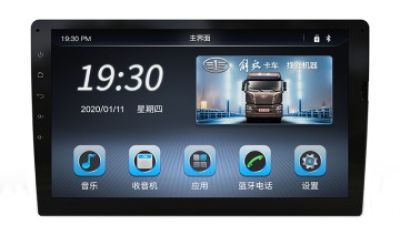
10.1-Inch TFT Digital Screen Infotainment System: Features, Benefits, and Buying Guide
A 10.1-inch TFT digital screen infotainment system offers a practical upgrade for drivers who want clearer information and more convenient vehicle control. With a 1024×600 resolution and responsive touch operation, the integrated design presents navigation guidance, media controls, and monitoring functions in one easy-to-reach interface. According to the 2024 Deloitte Global Automotive Consumer Study, in-vehicle connectivity and digital features remain important considerations for many vehicle buyers, making screen quality and system versatility key purchasing factors.
This system supports Bluetooth, radio, and USB multimedia playback, allowing occupants to stream audio, make hands-free calls, or access stored music and video files. Its four-camera monitoring function can provide a broader view around the vehicle, while SD card playback adds flexibility for recorded footage and media content. The vehicle operation guide also helps users understand essential controls and driving-related information without relying on multiple separate devices.
When comparing similar products, buyers should check screen brightness, touch sensitivity, viewing angle, audio compatibility, camera input support, and installation requirements. The International Energy Agency reported that global electric car sales exceeded 17 million in 2024, highlighting the broader shift toward smarter, more digitally integrated vehicles. In this environment, an integrated 10.1-inch system can improve cabin organization, daily convenience, and the overall user experience.
FAQS
Integration affects camera visibility, power access, dashboard space, and data connections. A system may work in testing but fail inside a real cab.
Check camera position, seating range, driver height, lighting, vibration, and dashboard layout. Small changes matter. A blocked camera may miss slow eyelid movement.
Poor mounting can weaken detection, even with capable software. Confirm calibration steps and view installation photos before purchase. Paper compatibility is not enough.
Alerts should combine sound, dashboard messages, and tactile warnings when available. Escalation should be gradual. A sudden alarm may startle a tired driver.
The message should explain the concern clearly. “Take a break” is more useful than an unclear symbol. The driver needs time to respond safely.
Review alerts across a full shift, not one short demonstration. Test with music, sunglasses, darkness, and changing seat positions. Frequent interruptions may be ignored.
Test daylight, darkness, vibration, and different driver positions. A short pilot can expose problems that laboratory testing misses. Real roads are messier.
Check whether technicians can replace parts without removing major dashboard panels. Review alert history and software updates regularly. Compatibility can change later.
Conclusion
Choosing the right Driver Drowsiness Monitoring System begins with clearly defining its purpose, operating environment, and target vehicles. Consider whether the system is intended for commercial fleets, passenger cars, long-distance travel, or high-risk driving conditions. Next, examine its core detection technologies, such as driver behavior analysis, facial cues, eye movement, steering patterns, or vehicle motion, while recognizing that each method may be affected by lighting, obstructions, road conditions, or individual differences.
A reliable system should deliver accurate and consistent detection with rapid response times, while integrating smoothly with the vehicle’s existing hardware and software. Evaluate installation requirements, compatibility, warning types, driver interaction, and additional safety functions, including escalating alerts when fatigue continues. Privacy protection, data handling, maintenance needs, system durability, and total ownership cost are equally important. The best choice is not necessarily the system with the most features, but the one that provides dependable real-world performance, practical operation, minimal disruption, and lasting safety value.

 Front & Rear Parking Assist
 Automatic Parking Assist
 Wade Sensor System
 79GHz Kick Step-on Open System
 79GHz Door Open Warning System
 77GHz Blind Spot Detection
 77GHz Long Range Detection
 60GHz Child Presence Detection
 360 Panoramic Camera
 Driver Fatigue Monitoring System
 Dash Camera
 ADAS Camera
 Streaming Rearview Mirror
 Self Cleaning Camera
 Car Radio
 Infotainment System
 Wireless Charger
 Ultrasonic Sensors System
 4-Image Camera Monitoring System
 Driver Fatigue Monitoring System
 77GHz Blind Spot Detection
 ADAS Camera
 Camera Monitoring System