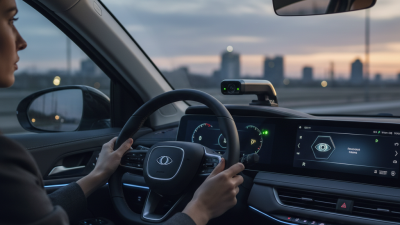
As technology keeps advancing, picking the right Driving Assistance System is becoming more important than ever. Honestly, with so many options out there, it can feel pretty overwhelming. Some systems are pretty basic, offering only the essentials, while others come packed with all kinds of fancy features. When it comes down to safety and convenience, really understanding what these systems do makes a big difference.
Take your time before making a decision—don’t feel like you have to rush into anything. Think about your own driving habits and what you actually need. Are you often stuck in heavy traffic? Then an adaptive cruise control might be a game-changer for you. Or maybe you do a lot of long highway trips? Lane-keeping assistance could make those drives a lot more comfortable.
Different brands bring their own set of features too. Companies like Tesla and Ford are known for pushing innovative tech, but not every system is super user-friendly. Remember, trusting your driving assistance system is huge—you want to feel confident using it. Usually, a well-reviewed system from a reputable brand gives you some peace of mind, but of course, everyone’s experience can be a bit different. It’s worth digging into real user feedback to see what people actually think, pros and cons included. All this effort helps you make a smarter choice that really fits your driving style and needs.

Understanding Driving Assistance Systems: An Overview
Driving assistance systems have transformed modern vehicles, enhancing safety and convenience. According to a report by Statista, the global market for these systems is expected to reach $100 billion by 2025. This growth reflects a rising demand for advanced automotive technologies. Understanding the features of different systems is crucial for making the right choice.
These systems typically include lane-keeping assist, adaptive cruise control, and automatic emergency braking. Each feature serves a specific purpose, yet their effectiveness varies. For instance, lane-keeping assist may not function well on poorly marked roads. While the OEM Driving Assistance System may offer cutting-edge technology, consumer feedback highlights mixed results in real-world conditions.
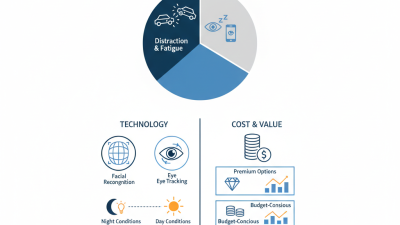
At the heart of ensuring safety is understanding your driving habits. Many drivers seek systems that counteract distractions or fatigue. However, dependence on technology can sometimes create complacency. The Insurance Institute for Highway Safety found that overreliance on these systems can lead to increased risk if drivers do not stay engaged. Recognizing these nuances is essential for making an informed decision.
Key Features to Consider in Driving Assistance Systems
When selecting a driving assistance system, several key features must be weighed. Safety should be a priority. Look for systems that include adaptive cruise control, blind-spot monitoring, and emergency braking. These features actively help in avoiding accidents. They increase your confidence behind the wheel.
User experience cannot be overlooked. An intuitive interface is vital for seamless operation. Consider how information is displayed on your dashboard. Systems that provide clear alerts but don’t clutter your view are preferable. Simplicity can enhance your driving experience, allowing you to focus on the road.
Another feature to reflect upon is the system's ability to adapt to various conditions. Does it perform well in rain or snow? A reliable system should handle these scenarios effectively. Systems should also accommodate your personal driving style. A one-size-fits-all approach can lead to frustration. Personalization is essential in ensuring that the system truly meets your needs.
Assessing Your Driving Environment and Habits
When considering a driving assistance system, it’s essential to assess your driving environment. Do you navigate busy city streets or open highways? Your daily routes can significantly influence the type of system that best suits your needs. For instance, urban environments often require features like pedestrian detection and collision avoidance. These functions enhance safety in high-traffic areas. Conversely, highway driving may prioritize adaptive cruise control and lane-keeping assistance for long-distance comfort.
Your personal driving habits also play a vital role. Are you a cautious driver or someone who enjoys a more dynamic experience? This will determine the level of assistance you might want. If you frequently find yourself in challenging conditions, such as rain or snow, consider systems that offer enhanced traction control or stability assistance. Reflect on the ease of use as well; some systems may overwhelm with excessive alerts, while others provide a more seamless experience. Balancing these aspects with your preferences can lead to a system that truly supports your style and environment.
Evaluating Safety Ratings and Reviews of Systems
When considering a driving assistance system, evaluating safety ratings and user reviews is crucial. Different systems offer varying levels of support and features. Researching these aspects can improve your driving experience significantly. Look for trusted industry ratings that assess protection during accidents and assistive technology quality. These ratings can help you make an informed decision about a Wholesale Driving Assistance System.
User reviews provide real-world insights into the system’s effectiveness. Reading about others' experiences can reveal both strengths and weaknesses. Some systems may excel in certain areas but may also have reported issues. Balancing positive and negative feedback will give you a clearer picture. Not every system fits everyone's needs perfectly, and understanding common complaints can guide you toward a better choice.
Consider how often the system is updated. An advanced assistance system should adapt to new safety regulations and technology. Features may become outdated quickly, impacting reliability. Ensure your choice can evolve over time, improving safety and functionality. Keeping these factors in mind will lead you to a driving assistance system that truly meets your expectations.
Safety Ratings of Driving Assistance Systems
Budget Considerations for Driving Assistance Systems
When considering budget for driving assistance systems, it’s crucial to balance features and affordability. Many systems offer basic functionalities, such as lane-keeping and adaptive cruise control, which can improve safety without heavy investment. However, premium options provide advanced features like automated parking and collision avoidance. Weighing these choices is vital for informed spending.
Before committing, assess your driving habits and the necessity of features. If you mostly drive in urban settings, higher-end systems might save you from frequent low-speed accidents. On the other hand, highway drivers may find basic systems sufficient. Remember, an expensive system doesn’t guarantee safety. Consider researching independent reviews and user feedback, as experiences can be a valuable resource.
Be mindful of long-term costs too. Maintenance and software updates can add to your budget. Set aside funds for unexpected changes. It’s possible to make a mistake by underestimating future expenses. Although you might save initially, cheap systems can lead to higher costs down the line. Reflect on your choices and prioritize what truly enhances your driving experience.
How to Choose the Best Driving Assistance System for Your Needs? - Budget Considerations for Driving Assistance Systems
| Feature | Description | Price Range | Recommended For |
| Adaptive Cruise Control | Maintains a set speed and distance from the vehicle ahead using sensors. | $1,000 - $2,500 | Frequent highway drivers |
| Lane Keeping Assist | Helps keep the vehicle in its lane by providing steering assistance. | $800 - $1,800 | Drivers who find themselves drifting out of lanes |
| Automatic Emergency Braking | Automatically applies the brakes to prevent collisions. | $1,500 - $3,000 | Safety-focused drivers |
| Parking Assist | Helps in parking the car by steering automatically. | $1,000 - $2,200 | New or nervous drivers |
|
Blind Spot Monitoring | Alerts drivers when vehicles are in blind spots. | $700 - $1,500 | Drivers in urban settings |
Compatibility with Your Vehicle Type and Model
When selecting a driving assistance system, compatibility with your vehicle type and model is crucial. Not every system works with every car. According to a recent study by the Insurance Institute for Highway Safety (IIHS), approximately 30% of drivers experience issues when integrating aftermarket systems into their vehicles. This highlights the importance of checking compatibility before making a purchase.
Typically, newer vehicle models may have built-in ODM Driving Assistance Systems. These integrated systems often deliver better performance and reliability. Research indicates that cars equipped with factory-installed systems can reduce collision rates by up to 50%. However, using an aftermarket unit in an older model could yield mixed results. You might deal with functionality issues or incomplete features that do not match your expectations.
Tip: Always consult your vehicle's manual. It holds valuable compatibility information regarding any assistance systems.
Consider doing a compatibility check online. Many manufacturers provide tools to help you assess what products will work seamlessly with your vehicle. Remember, not all systems are alike. Mismatched components can lead to frustration and safety risks on the road.
Tip: Join online forums or community discussions. You may find drivers sharing their experiences with various systems and models, offering insights that can influence your choice.
Future Trends in Driving Assistance Technologies
Driving assistance technologies are evolving rapidly. Future trends indicate more integration of artificial intelligence and machine learning. These innovations will enhance safety and user experience. Systems will adapt better to individual driving habits and preferences. As these technologies advance, personal connectivity may also improve significantly.
Tips: Always evaluate your driving environment. Consider how often you drive in busy settings or rural areas. The right Driving Assistance System Supplier can provide systems tailored to your lifestyle. Additionally, user feedback will play a crucial role in development. Understanding the nuances in driver behavior can make a difference in technology effectiveness.
As with any technology, imperfections exist. While improvements are being made, no system is foolproof. Testing various options will help you identify strengths and weaknesses. Assess the features most relevant to your driving patterns. Being aware of the limitations of each system is essential for informed decisions.
FAQS
: Assess whether you drive in busy cities or on highways. This choice impacts the type of assistance system needed.
Are you cautious or dynamic? Your habits guide the level of assistance you might prefer in a system.
Look for pedestrian detection and collision avoidance. These enhance safety in high-traffic environments.
Focus on adaptive cruise control and lane-keeping assistance. These promote comfort during long-distance travel.
Balance desired features with affordability. Basic systems can improve safety without significant investment.
They provide advanced features but may not always be necessary. Evaluate your needs carefully.
Long-term expenses can add up. Allocate funds for maintenance and software updates to avoid surprises.
Yes, user feedback is valuable. Research independent reviews to gain insight into real-world experiences.
While initially appealing, cheap systems may lead to higher future costs. Reflect on your long-term needs.
Think deeply about your habits and environment. Prioritize features that truly enhance your driving experience.
Conclusion
When choosing the best Driving Assistance System for your needs, it is essential to understand the various options available and their key features. Start by familiarizing yourself with the fundamentals of driving assistance systems, which offer various functionalities designed to enhance safety and convenience on the road. Consider your specific driving environment and habits, as well as safety ratings and reviews, to identify systems that meet your requirements.
Budget is another critical factor; assess what you are willing to spend without compromising on essential features. Additionally, ensure that the system is compatible with your vehicle type and model, as this can impact functionality. Finally, keep an eye on emerging trends in driving assistance technologies, as advancements continue to evolve, potentially offering even greater benefits in the future.

 Front & Rear Parking Assist
 Automatic Parking Assist
 Wade Sensor System
 79GHz Kick Step-on Open System
 79GHz Door Open Warning System
 77GHz Blind Spot Detection
 77GHz Long Range Detection
 60GHz Child Presence Detection
 360 Panoramic Camera
 Driver Fatigue Monitoring System
 Dash Camera
 ADAS Camera
 Streaming Rearview Mirror
 Self Cleaning Camera
 Car Radio
 Infotainment System
 Wireless Charger
 Ultrasonic Sensors System
 4-Image Camera Monitoring System
 Driver Fatigue Monitoring System
 77GHz Blind Spot Detection
 ADAS Camera
 Camera Monitoring System