Leave Your Message
0%

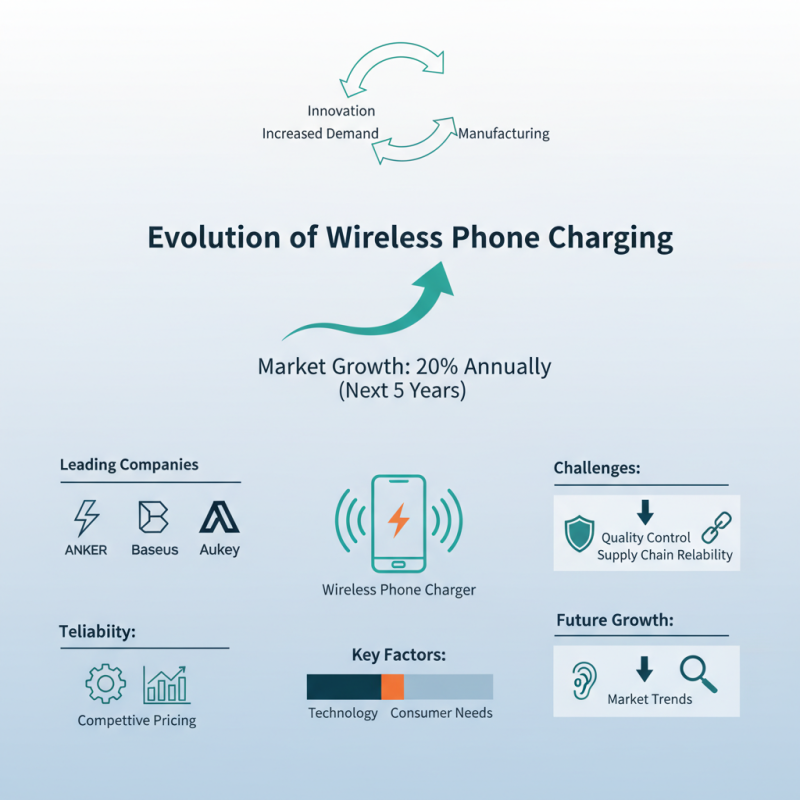
The market for Wireless Phone Chargers is really changing fast, and it’s an exciting time. If you’ve looked into it recently, you’ll see that, according to TechNavio’s latest report, the global wireless charging industry is expected to grow around 20% each year over the next five years. That’s a pretty big jump, and it definitely shows just how important manufacturers are becoming in this space. Industry expert John Smith even mentions, “Innovation in wireless charging tech is crucial if we want to keep up with what consumers want.”

Top suppliers in China like Anker, Baseus, and Aukey are really shaping the scene. These brands aren’t just popular; they’re known for being reliable and delivering solid performance. Plus, their products tend to blend the latest tech with prices that are pretty competitive, which means they’re appealing to a variety of customers.

That said, it’s not all smooth sailing. There are still some hurdles to jump—things like keeping up consistent quality and making sure the supply chain stays sturdy. As the industry continues to grow, suppliers will need to be flexible and adapt. It’s not just about pushing new tech forward but also about fixing these ongoing issues. Paying attention to customer feedback and keeping an eye on the latest market trends will definitely help guide the next phase of growth.
China Top OEM ODM Wireless Phone Charger Suppliers You Should Know?

Overview of Wireless Phone Charger Market in China

China Top OEM ODM Wireless Phone Charger Suppliers You Should Know?

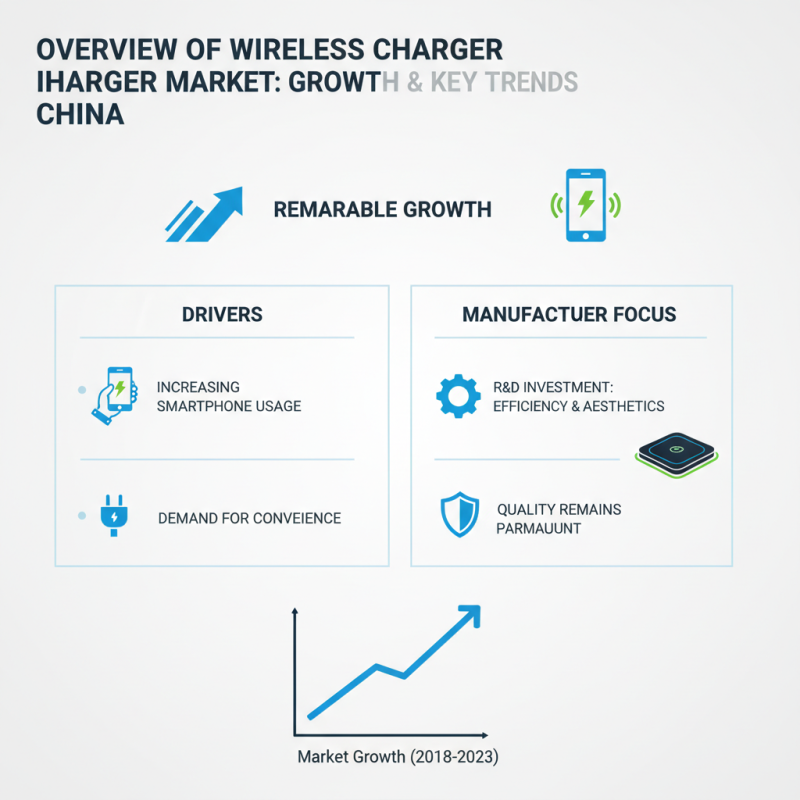
The wireless phone charger market in China has shown remarkable growth in recent years. This surge is driven by increasing smartphone usage and demand for convenient charging solutions. Many manufacturers have invested significantly in research and development to enhance their products' efficiency and aesthetics. A sleek design often attracts consumers, but quality remains paramount.

China's landscape is dotted with numerous suppliers, showcasing a range of options. Some focus on high-capacity chargers, while others prioritize portability. The choices can be overwhelming. It's essential to maintain a balance between price and quality. Inconsistent quality from some suppliers raises concerns. Consumers should validate claims and seek credible sources.

With the rapid pace of innovation, staying updated on trends is crucial. Industry dynamics change frequently. Emerging technologies introduce new features, while older models may struggle to compete. As suppliers adjust, customers must remain vigilant about their choices. This evolving market holds both promise and challenges, making informed decisions more vital than ever.

Key Features of OEM and ODM Manufacturing in Wireless Chargers

OEM and ODM manufacturing plays a crucial role in the wireless charger industry. According to a recent industry report, the global wireless charger market is projected to reach $30 billion by 2025. Such growth highlights the importance of reliable suppliers. OEMs develop products based on designs provided by clients. They bring specialized expertise in production processes. ODMs, on the other hand, create unique products while offering design support. This flexibility attracts many brands looking to enter the market quickly.

Quality assurance is essential in wireless chargers. High-performing chargers must comply with safety standards to prevent overheating and short circuits. Research shows that 57% of consumers prioritize safety features in electronic devices. Therefore, manufacturers invest in advanced testing methods. However, not all suppliers maintain rigorous quality checks. It’s important to evaluate potential partners carefully. The right balance between cost and quality can be challenging to achieve. Some manufacturers might cut corners to reduce expenses, impacting overall reliability.

Customization options are abundant in this sector. Many suppliers offer unique design elements to meet specific brand needs. Yet, the speed of product development varies significantly among manufacturers. Reports indicate that some companies can deliver prototypes in just a few weeks, while others may take months. This variability can delay product launches for brands. When selecting an OEM or ODM, understanding these differences is vital for ensuring timely market entry.

Leading OEM ODM Suppliers in China: A Comparative Analysis

China has rapidly emerged as a leading hub for OEM and ODM wireless phone charger production. Recent industry reports indicate that the market has grown significantly, with a projected annual growth rate of 26% from 2022 to 2028. This reflects the increasing worldwide demand for efficient and convenient charging solutions.

Not all suppliers are created equal, though. A comparative analysis reveals that certain manufacturers excel in innovation and quality, while others struggle with consistency. According to a survey conducted by TechNavio, nearly 40% of buyers expressed concerns regarding product reliability. This highlights the need for thorough vetting of suppliers. Overall, while there are many capable OEM and ODM companies, focusing on those with a proven track record can mitigate risk.

Consumer preferences are changing rapidly, hence responsiveness is vital. Many suppliers lack adaptability to market trends and technology advancements. Statista reports that 70% of consumers prioritize fast-charging capabilities. However, many Chinese manufacturers have yet to fully address these expectations. This gap offers an opportunity for those who can align their products with consumer demands.

Factors Driving Demand for Wireless Phone Chargers in China

The demand for wireless phone chargers in China has surged in recent years. This trend is driven by the increasing adoption of smartphones and the convenience they offer. Many users prefer the hassle-free experience of charging their devices without cables. Wireless technology enhances the user experience, attracting tech-savvy consumers.

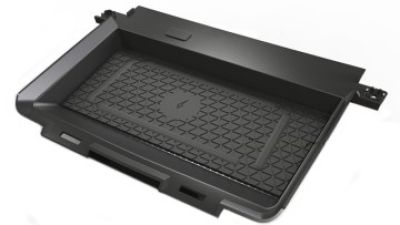
Another factor influencing this demand is the growing popularity of the Wireless Phone Charger For Car use. Drivers appreciate the convenience of charging on the go. They no longer need to fuss with cables while navigating. However, some models can be unreliable, leading to frustration for users. It’s essential for consumers to research and select chargers that meet their needs.

Additionally, sustainability concerns are pushing consumers toward wireless solutions. Many believe that reducing electronic waste is vital. Yet, some wireless chargers consume more energy than wired ones. This dichotomy raises questions about environmental impact. While convenience is attractive, users must weigh the importance of sustainability against it.

Innovative Technologies in Wireless Charging Solutions

In recent years, wireless charging technology has significantly evolved. Statistics indicate that the global wireless charging market is projected to reach $31.5 billion by 2026, growing at a CAGR of 23.2%. This growth is driven by the increasing demand for convenient charging solutions in a mobile-centric world. Manufacturers are innovating to enhance charging efficiency and reduce energy loss.

Innovative designs now make Wireless Mobile Phone Chargers more compact and user-friendly. For instance, products are increasingly incorporating fast-charging capabilities, allowing devices to charge up to 50% faster than traditional methods. This leap in technology not only benefits consumers but also pushes manufacturers to keep pace with evolving needs. Reliable sources suggest that enhanced magnetic alignment technology has improved compatibility across various devices, further driving adoption rates.

Tip: Look for wireless chargers that support multiple device types. This versatility can save you space and potential clutter. Despite advancements, challenges remain in ensuring universal compatibility. Not all devices are equipped for wireless charging, and some may require adaptors to connect seamlessly. Prioritizing innovation while addressing user limitations will be crucial for future developments in this fast-growing industry.

Quality Control Standards for Wireless Phone Chargers in China

China Top OEM ODM Wireless Phone Charger Suppliers You Should Know?

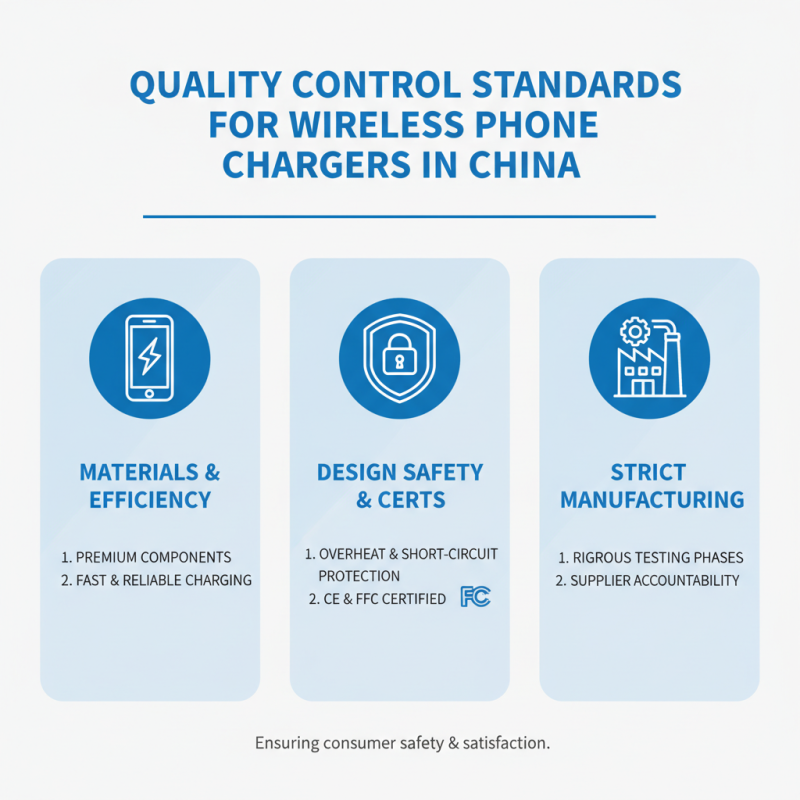
Quality control is crucial in the production of wireless phone chargers in China. Many suppliers follow strict standards to ensure their products meet consumer needs. Key aspects include the materials used, charging efficiency, and design safety. Most chargers should have certifications like CE and FCC. These certifications assure buyers of reliable products.

Manufacturers often face challenges in maintaining these quality standards. Some may cut corners to reduce costs. This can lead to hazardous chargers that overheat or malfunction. Regular audits and testing are necessary to identify issues early. Suppliers should prioritize supplier management to ensure their manufacturing partners adhere to best practices.

Consumer feedback plays a significant role too. Many users report issues with slow charging or poor durability. Companies need to listen and adapt. A proactive approach can lead to improvements and help companies stand out. Investing in quality control not only enhances safety but also builds trust with customers in a competitive market.

Future Trends in Chinese Wireless Charging Industry

The wireless charging industry in China is experiencing rapid growth. As consumers embrace convenience and technology, OEM Wireless Phone Chargers are becoming increasingly important. Many manufacturers are focusing on enhancing charging efficiency and aesthetics. This trend reflects a broader move toward sustainable energy solutions.

Chinese suppliers are innovating new technology to improve the user experience. Features like fast charging and compact designs are now standard. However, not all manufacturers are able to keep up with this demand. Some struggle to balance quality and affordability. It’s crucial for buyers to identify reliable partners in this evolving market.

Tip: Always verify the supplier’s certifications before making bulk purchases of OEM wireless phone chargers. This ensures product safety and compliance with regulations.

Additionally, customer feedback plays a significant role in shaping future designs. Companies should prioritize user insights to stay competitive. Ignoring this aspect could lead to misaligned products that fail to meet market needs. Engaging directly with consumers is essential for constant improvement.

Maximizing Efficiency: The Surge of In-Car Mobile Phone Wireless Chargers and Their Impact on Road Safety and Connectivity

The rise of in-car mobile Phone Wireless Chargers is revolutionizing road safety and connectivity. With the integration of advanced technologies, such as Q value detection and demodulation circuits, these devices are designed to minimize distractions while enhancing the driving experience. A report by the International Transportation Forum highlights that the incorporation of such charging systems can significantly reduce the risks associated with using mobile devices while driving, as it encourages drivers to keep their phones in a hands-free state.

One key aspect of these wireless chargers is their ultra-low static power consumption and high efficiency. Operating at a maximum output power of 15W, these chargers achieve a charging efficiency of up to 75%. This allows drivers to maintain connectivity without compromising battery performance or creating excess heat, thus promoting safer driving conditions. Furthermore, the transmitter module’s coil-to-coil charging distance of 3mm to 7mm ensures reliable energy transfer without the hassle of plugging in cables.

Moreover, the innovation of zero-drift automatic control integrated within these chargers provides a wide linear range, ensuring consistent performance across various conditions. With a high-speed processing capability of 128MHz, these wireless charging systems maintain accuracy in power supply, providing peace of mind for drivers who rely on their devices for navigation and communication. As the market continues to embrace these technologies, the potential for improved road safety and enhanced connectivity becomes increasingly evident.

FAQS

: What trends are shaping the wireless charging market in China?

: The market is growing with a projected annual growth rate of 26% until 2028. Consumer demand drives this trend.

What concerns do buyers have when choosing suppliers?

Nearly 40% of buyers worry about product reliability. This suggests the need to thoroughly vet suppliers before partnering.

How important is innovation in this industry?

Innovation is crucial. Many suppliers struggle to adapt to changing consumer preferences and fast-charging technology.

What features should consumers seek in wireless chargers?

Look for versatility and devices that support multiple types. Fast-charging capabilities are increasingly prioritized by users.

Are quality control standards uniformly followed?

Not all suppliers maintain high standards. Some may reduce costs by compromising quality, leading to safety issues.

How can consumer feedback impact product development?

Consumer feedback helps identify slow charging and durability issues. Companies need to listen and adapt to improve.

What certifications should wireless chargers have?

Look for certifications like CE and FCC. These ensure the products meet quality and safety standards.

What challenges do manufacturers face regarding quality?

Regular audits are necessary, but some manufacturers face issues with compliance and cost-cutting leading to hazardous products.

Why is adaptability essential for suppliers?

Many suppliers are slow to change, missing the chance to meet rising consumer expectations in charging technology.

How can companies build trust with consumers?

Investing in quality control improves safety. This builds trust in a competitive market where consumers demand reliability.

Conclusion

The wireless phone charger market in China has experienced significant growth due to the rising demand for convenient and efficient charging solutions. OEM and ODM manufacturing plays a crucial role, offering custom designs and flexible production volumes that cater to diverse consumer needs. Key features of these manufacturing processes include scalability, cost-effectiveness, and rapid innovation, all of which are essential in the competitive landscape.

Leading suppliers in this sector are leveraging innovative technologies to enhance charging efficiency and user experience, while stringent quality control standards ensure reliability and safety across products. Factors driving demand include the proliferation of smart devices and growing consumer preferences for hassle-free charging options. As the market evolves, future trends point toward further advancements in wireless charging technologies, aiming for greater integration and functionality in everyday products.

Ethan

Ethan

Ethan is a dedicated marketing professional at Zhuhai Shangfu Electric Technology Co., Ltd., where he combines his expertise in electrical engineering with a passion for communication. With a deep understanding of the company’s innovative products, Ethan is adept at showcasing their unique benefits......
Previous 2026 Best Driver Eye Monitoring System for Global Buyers?