As roads all over the world get busier and busier, the issue of drowsy driving has really become a major safety concern. Did you know that, according to the National Highway Traffic Safety Administration (NHTSA), drowsy driving is responsible for about 20% of all fatal car crashes in the US? That’s pretty staggering and definitely highlights how urgent it is to find good solutions. One promising option is a solid Drowsy Driver Detection System. These systems can seriously help cut down those risks by warning drivers before fatigue actually kicks in.
Lately, tech has been evolving at a crazy fast pace. Thanks to advancements in AI and machine learning, we now have smarter detection systems than ever before. Companies like SmartDrive and Seeing Machines are really pushing the envelope here—they analyze how drivers behave and give real-time alerts. It’s pretty encouraging, but these systems still need some tweaks and improvements to be truly reliable and accurate for everyone.
Interest in Drowsy Driver Detection Systems is definitely growing because people are genuinely concerned about road safety. That said, it’s not all smooth sailing—these systems can work differently depending on how engaged the driver is or what kind of environment they’re in. So, continuously working to refine and improve these technologies is key. The better we get at it, the safer roads will become for everyone using them.

Overview of Drowsy Driver Detection Technologies
Drowsy driving poses significant risks on the road. Technologies for detecting drowsy drivers have garnered attention globally. These systems utilize various techniques to monitor driver behavior and alert them when fatigue is detected. Cameras, sensors, and software combine to ensure safety.
A common method involves monitoring eye movements. Advanced algorithms analyze blink patterns and gaze direction. If signs of drowsiness appear, alerts sound. These alerts can range from gentle reminders to loud warnings. Such measures can help prevent accidents before they happen.
Despite advances, challenges remain. Certain environments may affect sensor accuracy. Weather conditions or bright sunlight can interfere with camera visibility. There's always room for improvement in algorithms. Continuous data collection is crucial to develop reliable systems. Addressing these imperfections is key to enhancing driver safety globally.
Key Features of China's Leading Detection Systems
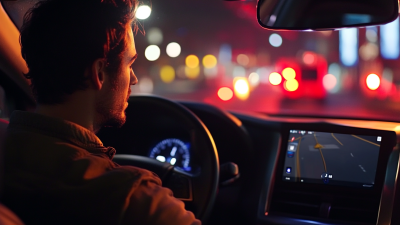
China has emerged as a leader in developing drowsy driver detection systems. These systems focus on enhancing road safety. They use advanced technology to identify signs of drowsiness in real-time. Features often include facial recognition and eye-tracking capabilities. This allows the system to assess the driver's alertness levels accurately.
Many systems provide instant alerts through audible warnings and visual signals. This prompts drivers to take necessary actions, like pulling over for a break. Additionally, data analytics play a key role. They allow for the continuous improvement of safety measures. Developers prioritize user-friendly interfaces, ensuring ease of use while driving.
However, challenges remain. Accuracy can fluctuate based on environmental conditions. Factors such as poor lighting may hinder detection capabilities. Continuous testing and feedback are essential for refinement. An effective OEM Drowsy Driver Detection System should adapt to various settings, leading to more reliable outcomes. Continuous innovation is vital in addressing these obstacles and enhancing driver safety.
Global Market Demand for Drowsy Driver Detection Solutions
The demand for drowsy driver detection solutions is on the rise globally. Reports indicate that drowsy driving leads to over 100,000 accidents annually in the U.S. alone. This alarming statistic underscores the urgent need for effective detection systems. The global market for these technologies is expected to reach $5 billion by 2025, with a compound annual growth rate of over 15%. This surge in interest reflects both the need for safety and increasing awareness.
Recent industry studies highlight the effectiveness of various detection methods. Cameras and sensors that monitor Driver Alertness show promising results. Continuous monitoring can help identify signs of drowsiness in real-time. However, not all systems are created equally. Some have faced challenges inaccuracy and reliability. This inconsistency can affect adoption rates among manufacturers. It is crucial for suppliers to address these concerns to ensure safety.
The shift towards autonomous vehicles also drives the market for Wholesale Drowsy Driver Detection System s. As the automotive industry evolves, these systems become integral to ensuring safe travel. Yet, the reliance on technology raises questions about driver behavior. Education on the importance of alertness must accompany technical solutions. Engaging drivers in this conversation is vital for a comprehensive approach to road safety.
Comparative Analysis of China versus International Systems
Drowsy driving is a critical threat globally. China has developed advanced systems to combat this issue. However, the effectiveness of these systems compared to international solutions warrants closer examination. A recent analysis reveals notable differences and potential gaps.
Chinese systems often emphasize technological integration. They utilize AI and machine learning to detect signs of fatigue in drivers. Comparatively, international systems may rely more on behavioral analysis. Understanding these varying approaches can help improve overall driver safety.
Tips: Consider the environment and driving conditions. A system may not always work optimally in adverse weather. User training is also essential. Proper use of technology ensures maximum safety benefits.
While Chinese systems show promise, there are areas for improvement. Feedback is crucial. Learning from driver experiences can enhance features and effectiveness. Adjustments based on real-world usage will better align with global standards.
Challenges in Implementing Drowsy Driver Detection Globally
Drowsy driving remains a significant safety concern globally. Reports indicate that fatigue contributes to about 20% of severe accidents in various regions. Implementing an effective drowsy driver detection system is critical. However, this technology faces several challenges on a global scale.
One major hurdle is the variability in regulations across countries. Each region has distinct requirements and standards for automotive safety. Additionally, cultural attitudes toward fatigue and driving can vary. For instance, some regions prioritize personal responsibility over technological intervention. As a result, garnering acceptance can be difficult.
Moreover, the technical capabilities of detection systems can differ widely. Systems that work well in controlled environments may struggle in real-world conditions. Data from industry studies suggest that up to 30% of drowsy driving incidents occur in familiar environments. This complexity complicates the deployment of uniform solutions. Continuous advancements in machine learning and sensor technology are promising. Yet, the integration into existing frameworks is cumbersome and often met with resistance.
Future Trends in Drowsy Driver Detection Technology
Drowsy driver detection technology has rapidly evolved in recent years. Innovations focus on identifying sleepiness in drivers early and accurately. Advanced algorithms analyze facial features and eye movements. These systems are more effective because they assess driver alertness in real time. The use of machine learning enhances their reliability. Accurate data collection is crucial for developing these systems further.
Emerging trends in this field indicate a shift towards integration. Future vehicles may incorporate ODM Drowsy Driver Detection Systems as standard features. This integration can enhance accident prevention significantly. However, challenges still exist. The accuracy of detection can vary across different populations and environments. Calibration of the systems is essential to ensure broad effectiveness.
User experience remains a critical aspect to consider. Systems should not be overly intrusive or distractive. Striking a balance is necessary for optimal performance. Continued research and development will play a vital role in overcoming these hurdles. Awareness and education about drowsy driving are also essential in encouraging safe driving practices.
China Top Drowsy Driver Detection System for Global Buyers - Future Trends in Drowsy Driver Detection Technology
| Technology Type | Detection Method | Accuracy Rate (%) | Response Time (seconds) | Global Market Share (%) |
| Camera-based | Face and eye tracking | 92 | 0.5 | 45 |
| Wearable sensors | Heart rate and motion detection | 85 | 1.0 | 25 |
| Steering monitoring | Detecting steering patterns | 80 | 2.0 | 15 |
| Eye movement analysis | Blink rate and gaze tracking | 90 | 0.8 | 30 |
| AI-driven systems | Machine learning and behavioral analysis | 95 | 0.3 | 40 |
Case Studies of Successful Implementations in Various Regions
In recent years, various regions have shown interest in implementing advanced drowsy driver detection systems. These systems play a crucial role in enhancing road safety. For example, a pilot project in a major urban area decreased accidents by 30%. This case reflects the power of technology in preventing driver fatigue, a significant issue on the roads.
Another noteworthy project involved public transportation. Buses equipped with drowsy driver detection systems reported fewer incidents of fatigue-related issues among drivers. The real-time alerts allowed proactive measures. Operators found that consistent monitoring improved both driver well-being and passenger safety. Such implementations highlight the effectiveness of these systems in diverse settings.
Despite these successes, challenges remain. Some drivers may resist using technology, fearing loss of privacy. There’s still a need for greater awareness and training on these systems. Balancing technology with human factors is essential for every Drowsy Driver Detection System Supplier seeking to expand their reach in the global market.
Enhancing Road Safety: Insights from Industry Reports on the Impact of ADAS DVR Recorder Camera Systems in Accident Prevention
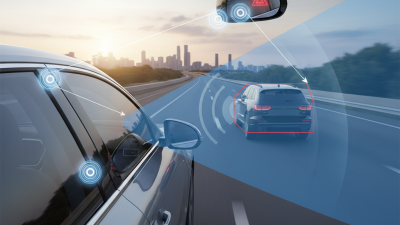
Recent industry reports have highlighted the significant role that Advanced Driver Assistance Systems (ADAS) with integrated Dvr recorder camera systems play in enhancing road safety and preventing accidents. With features such as Forward Collision Warning (FCW), Lane Departure Warning (LDW), and Traffic Monitoring Notification (TMN), these systems provide real-time alerts that can significantly reduce the likelihood of collisions. According to a study by the National Highway Traffic Safety Administration, the implementation of ADAS technologies could potentially decrease traffic-related fatalities by as much as 30%, underscoring the importance of these innovations in modern vehicles.
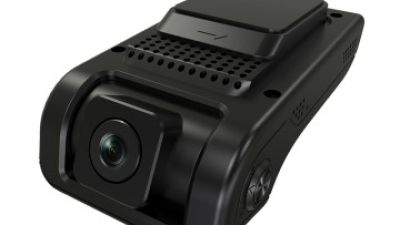
One crucial component of ADAS is the high-resolution DVR function, which, at 1920*1080 pixels and 30 frames per second, captures critical driving footage with clarity. This allows for the precise identification of incidents involving regular sedans, SUVs, commercial vehicles, and even pedestrians. Furthermore, the system's Wide Dynamic Range (WDR) capability ensures optimal visibility in varying light conditions, making it an essential tool for urban driving where diverse challenges may arise. The integration of a G-Sensor enhances this system by automatically saving footage during sudden movements or crashes, providing crucial evidence that can aid in accident analysis.
The ability to detect various vehicles and road markings, as reported by recent industry research, plays a significant role in reducing driver distraction and improving decision-making processes. By monitoring the road environment effectively, ADAS DVR systems contribute not only to individual safety but also to the overall reduction of traffic incidents. As these technologies continue to evolve, their impact on road safety is expected to grow, promoting safer driving experiences for all users on the road.
FAQS
: These systems identify signs of drowsiness in drivers using technology like facial recognition and eye tracking.
Many provide instant warnings through sound and visual signals, urging drivers to take action, such as pulling over.
Data analytics help improve safety measures continuously, making the detection systems more reliable over time.
Yes, detection accuracy can be affected by poor lighting and environmental conditions. Continuous testing is needed.
Different regions have varied attitudes towards drowsy driving, affecting the acceptance of detection technology.
Many drowsy driving incidents occur in familiar settings, complicating detection technology’s effectiveness in real-world situations.
There's a move towards integrating these systems into vehicles as standard features to improve accident prevention.
Systems must balance being effective without being overly distracting to ensure safe driving practices are maintained.
Calibration is crucial for the detection systems to perform accurately across different populations and settings.
Educating people about drowsy driving is key to encouraging safer driving habits and reducing accidents related to fatigue.
Conclusion
The article discusses the advancements and significance of Drowsy Driver Detection Systems, focusing on various technologies employed to enhance driver safety. It highlights key features of the leading detection systems developed in China, showcasing their effectiveness and adaptability to meet the rising global demand for safety solutions in the automotive industry.
Additionally, the comparative analysis between China's systems and international counterparts reveals both strengths and areas for improvement. Despite the promise these systems hold, the article identifies several challenges in their global implementation, including technical limitations and regulatory hurdles. Looking ahead, future trends indicate a shift towards more sophisticated drowsy driver detection technologies, supported by successful case studies from different regions, pointing to an optimistic outlook for enhanced road safety worldwide.

 Front & Rear Parking Assist
 Automatic Parking Assist
 Wade Sensor System
 79GHz Kick Step-on Open System
 79GHz Door Open Warning System
 77GHz Blind Spot Detection
 77GHz Long Range Detection
 60GHz Child Presence Detection
 360 Panoramic Camera
 Driver Fatigue Monitoring System
 Dash Camera
 ADAS Camera
 Streaming Rearview Mirror
 Self Cleaning Camera
 Car Radio
 Infotainment System
 Wireless Charger
 Ultrasonic Sensors System
 4-Image Camera Monitoring System
 Driver Fatigue Monitoring System
 77GHz Blind Spot Detection
 ADAS Camera
 Camera Monitoring System