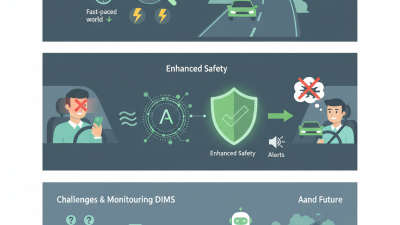
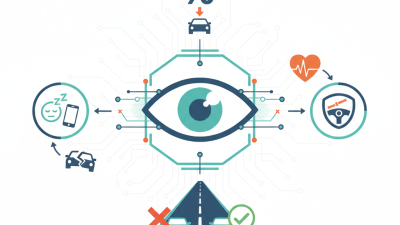
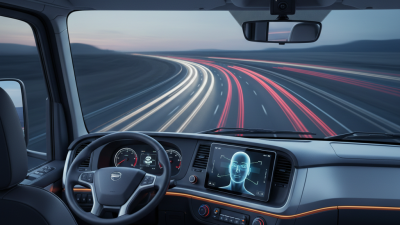
As cars and technology keep evolving, one thing that’s really staying front and center is safety. Lately, a ton of focus has been on the Driver Inattention Monitoring System. Basically, this tech is a game-changer—it helps keep everyone safe by spotting signs that a driver might be distracted or losing focus. With all the worries about accidents caused by inattentiveness, car makers are really zeroing in on solutions to tackle this problem head-on.
China, in particular, has made quite a name for itself when it comes to innovation here. Companies like Shenzhen Tsinghua Tongfang, among others, are leading the charge with these high-tech systems. They’re using some pretty advanced sensors and AI to monitor in real time whether someone’s paying attention or not. It’s not just about making cars safer; it also helps build confidence among consumers who are increasingly looking for smarter, more reliable tech in their vehicles.
That said, not all systems are created equal. Sometimes, their performance can vary—some might struggle to accurately tell if a driver is really attentive, especially under different driving conditions. So, it’s pretty clear that ongoing tweaks and improvements are necessary before these systems become industry standards. If you’re shopping around for a Driver Inattention Monitoring System, it’s a good idea to keep these differences in mind and pick one carefully.
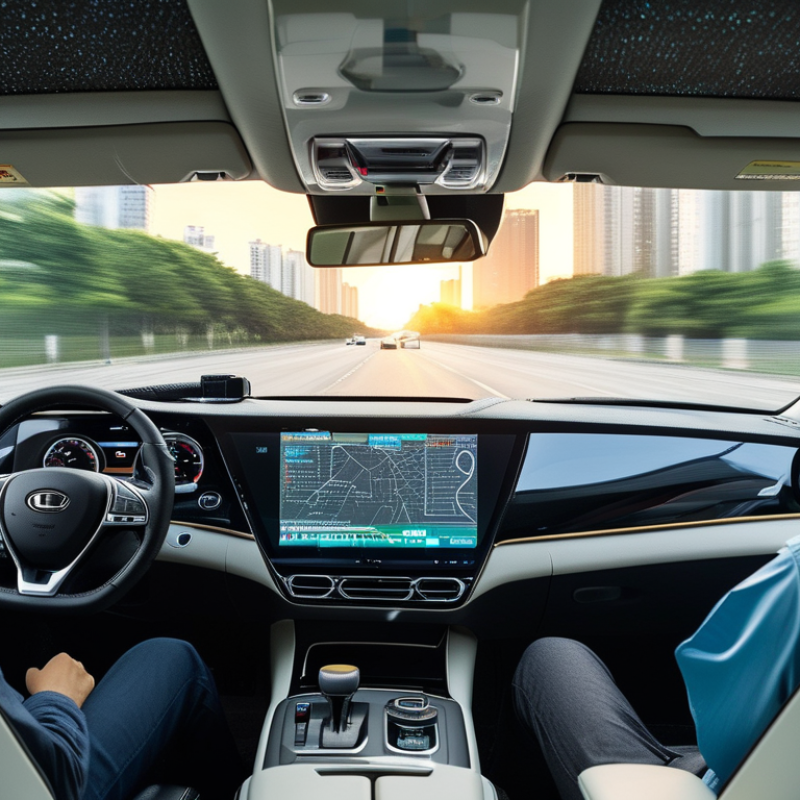
China's Leading Position in Driver Inattention Monitoring Systems
China has emerged as a leading player in the development of driver inattention monitoring systems. These systems are crucial for enhancing road safety, as they can detect signs of drowsiness or distraction. Advanced technologies are utilized, including camera-based monitoring and artificial intelligence. This makes such systems effective in real-time assessments. They aim to reduce accidents caused by driver inattention.
Implementing these systems in vehicles can be a game changer. It's essential for manufacturers to stay updated on advancements. Buyers should consider solutions that are reliable and tested rigorously. Research indicates that proactive monitoring can reduce accidents significantly. But, challenges remain. Many systems still face limitations in distinguishing between driver fatigue and other distractions.
Tips for selecting a monitoring system: Look for user-friendly interfaces. Ensure the system offers clear alerts. It's beneficial if the technology integrates seamlessly with existing vehicle systems. Always investigate user feedback and real-world applications. A thoughtful selection process will ensure better driver safety.
China Top Driver Inattention Monitoring System for Global Buyers
| Dimension | Data Value |
| Market Share in Asia | 45% |
| Annual Growth Rate | 15% |
| Number of Patents Filed | 320 |
| Number of Users | 2 million |
| Customer Satisfaction Rate | 88% |
| Global Market Penetration | 30 countries |
Overview of Driver Inattention Monitoring Technology and Its Importance
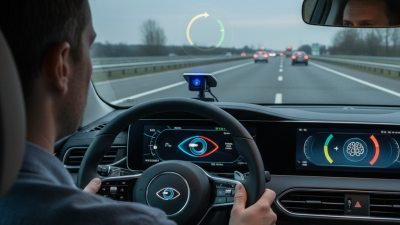
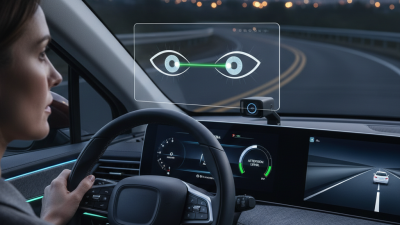
Driver inattention is a critical issue in road safety. According to the National Highway Traffic Safety Administration (NHTSA), about 40% of accidents are linked to distracted driving. The implementation of advanced Driver Inattention Monitoring Systems (DIMS) is essential. These systems utilize camera-based technologies to track driver behavior. They monitor eye movement, head position, and overall attention levels. With accurate data, these systems can warn drivers before a lapse in attention leads to an accident.
Technology plays a vital role in enhancing vehicle safety. Market reports indicate that the global DIMS market is projected to grow at a CAGR of 18% through 2028. Consumers increasingly expect cars equipped with safety features to prevent accidents. Inattentive driving poses significant risks, contributing to 391,000 injuries yearly in the US alone. This alarming statistic highlights the pressing need for reliable monitoring solutions. Though many systems are being developed, not all perform equally well. Continuous improvements and rigorous testing are necessary to ensure effectiveness and reliability.
The future of driver safety one can only hope will improve with more research. Yet, still, many systems face challenges, such as accuracy and adaptability to various driving conditions. As these technologies evolve, they must also address privacy concerns. Balancing monitoring with respect for individual privacy remains a significant challenge. Addressing these issues will be crucial for wider adoption.
Key Features of China’s Driver Inattention Monitoring Systems
The rise of the OEM Driver Inattention Monitoring System in China highlights a proactive approach to road safety. Reports indicate that distracted driving contributes to nearly 25% of road accidents globally. This alarming statistic emphasizes the need for effective monitoring systems. China's focus on developing advanced technology aims to reduce these incidents.
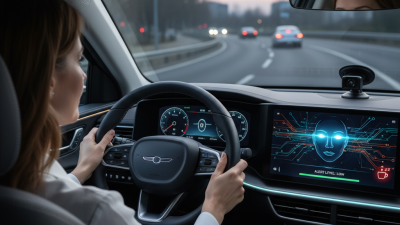
Key features of these driver inattention monitoring systems include real-time facial recognition and vehicle tracking. The systems use algorithms that can detect drowsiness signs from facial expressions. Furthermore, integration with existing vehicle systems allows for immediate alerts to the driver.
However, despite these advancements, there are concerns. The reliance on technology raises questions about privacy and data security. Additionally, the effectiveness of these systems in real-world scenarios remains to be fully evaluated. Ensuring these challenges are addressed will be crucial for broader acceptance and implementation.
Market Demand and Adoption Rates for Driver Monitoring Systems Worldwide
As the demand for Driver Monitoring systems grows, many businesses consider the **Wholesale Driver Inattention Monitoring System**. This system aims to enhance road safety by tracking driver attentiveness. Drivers can easily get distracted. A slight lapse in attention can lead to severe consequences.
The adoption rates of these systems are steadily rising worldwide. Numerous manufacturers recognize the necessity of incorporating this technology into their fleets. Data shows that regions with high traffic volumes are leading in system implementation. However, challenges exist, including costs and integration with existing technologies. Many companies struggle with the transition, often overlooking potential benefits.
Tips for successful adoption include gradual integration into fleets. Start with a pilot program to gauge effectiveness. Provide thorough training to ensure all staff recognize the system's value. Regularly reassess the program for areas of improvement. A reflective approach can turn initial hurdles into long-term success. By addressing these elements, businesses can better serve their drivers and ultimately improve road safety.
Comparison of China’s Systems with Global Competitors: A SWOT Analysis
China's driver inattention monitoring systems have gained attention in recent years. These systems utilize advanced technology, including facial recognition and eye-tracking, to detect signs of fatigue or distraction. This capability offers a significant advantage in improving road safety. However, reliability can vary based on environmental factors and user familiarity with the technology.
In comparison to global competitors, China's systems present both strengths and weaknesses. Strengths include rapid development and lower costs, making them accessible to a broader market. On the other hand, concerns about data privacy and regulatory compliance remain prevalent. Global systems often emphasize these aspects, which can lead to better public acceptance. Thus, understanding user trust is essential in this competitive landscape.
Moreover, while China excels in manufacturing and implementation speed, there is room for improvement in user experience. Feedback cycles are not as robust as in some global markets. This presents an opportunity for innovation. Engaging end-users in the design process could enhance system effectiveness and reliability. The ongoing market evolution signals a need for continuous adaptation.
Regulatory Standards Impacting Driver Inattention Monitoring in China
Regulatory standards play a crucial role in shaping the Driver Inattention Monitoring System (DIMS) in China. Recent reports highlight that China aims to enhance automotive safety through specific regulations. The government has mandated advanced technologies in vehicles to reduce accidents caused by driver distraction. According to the latest industry analysis, nearly 60% of traffic accidents are attributed to driver inattention. This statistic emphasizes the need for effective monitoring systems.
The ODM Driver Inattention Monitoring System is designed to detect signs of drowsiness or distraction. It utilizes camera technology and artificial intelligence. However, compliance with China’s regulatory standards can be challenging. Many developers are still adapting to the different levels of requirements set forth by local authorities. This inconsistency may lead to some systems lacking necessary features or becoming less effective than intended.
Moreover, the effectiveness of these systems can be limited. Some users may fail to respond positively to alerts. In fact, studies suggest that up to 30% of drivers may ignore warnings. Adjusting to the regulatory demands while ensuring driver compliance remains an ongoing challenge. The future of DIMS in China depends on continuous evaluation and improvement in technology and regulatory frameworks.
Future Trends in Driver Inattention Monitoring Technology and Market Growth
As the automotive industry evolves, driver inattention monitoring systems are gaining significant traction. These systems focus on enhancing road safety by tracking driver behavior. They use advanced sensors and algorithms to detect signs of distraction and fatigue. This technology relies on real-time data processing to provide alerts or intervene when necessary.
The market for driver inattention monitoring technology is poised for dramatic growth. With increasing concerns about road safety, global demand for effective solutions is rising. Manufacturers worldwide recognize the importance of these systems in reducing accidents. However, integrating such technologies can be challenging. Developers need to address limitations related to environmental factors and driver privacy. Collaboration with reliable Driver Inattention Monitoring System Suppliers can help overcome these obstacles.
Future trends highlight the integration of artificial intelligence in these systems. This could lead to more accurate predictions of driver behavior. Yet, reliance on technology may also raise concerns. Trusting machines to monitor human behavior requires careful consideration. As technology advances, the balance between innovation and safety must be maintained.
Enhancing Your Driving Experience: Exploring the Features and Benefits of the 10.1 Inches TFT Digital Screen Infotainment System
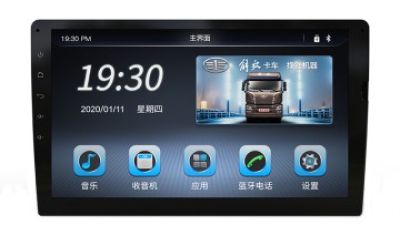
The 10.1 inches TFT digital screen infotainment system is a remarkable addition to your driving experience, seamlessly integrating technology and convenience. With a resolution of 1024x600, this touch-enabled display ensures that every detail is sharp and clear, providing you with an engaging interface for navigation and entertainment. Its integrated design not only enhances the aesthetics of your vehicle’s interior but also simplifies access to various multimedia functions.
Equipped with Bluetooth capabilities, this infotainment system allows for effortless connectivity with your mobile devices, enabling hands-free calling and wireless music streaming. In addition to Bluetooth, the system supports radio and USB multimedia play, giving you versatile options for entertainment on the road. The inclusion of a four-camera monitoring function further elevates your driving experience, ensuring safety and providing assistance during maneuvers. Moreover, with SD card playback and a vehicle operation guide, this infotainment system becomes an essential tool for modern drivers, enhancing both the journey and the overall experience behind the wheel.
FAQS
: These systems detect signs of drowsiness or distraction in drivers to enhance road safety.
They use camera-based technologies to monitor eye movement, head position, and attention levels.
They help reduce accidents caused by distracted driving, which is linked to 40% of road accidents.
Many struggle to distinguish between fatigue and other distractions accurately.
Look for user-friendly interfaces, clear alerts, and seamless integration with vehicle systems.
No, many vary in performance and require continuous testing and improvement.
Distracted driving contributes to 391,000 injuries yearly in the US, highlighting a pressing need for monitoring solutions.
Balancing the need for monitoring with respect for individual privacy remains a significant challenge.
Some studies indicate that up to 30% of drivers ignore warnings, thus improving alert effectiveness is vital.
Continuous evaluation and adaptation of technology and regulations are needed for wider adoption and effectiveness.
Conclusion
China has emerged as a leader in the development of Driver Inattention Monitoring Systems, capitalizing on the increasing global demand for advanced safety technologies in automotive applications. This technology plays a crucial role in enhancing road safety by detecting driver fatigue and distraction, ultimately reducing accident rates. Key features of China's systems include real-time monitoring capabilities, advanced sensors, and intuitive user interfaces, which provide significant advantages over traditional solutions.
As the market for driver monitoring systems grows worldwide, a comparative SWOT analysis highlights China's competitive strengths, such as technological innovation and cost-effectiveness, as well as potential weaknesses and threats from global competitors. Regulatory standards in China further influence the adoption and functionality of these systems, ensuring they meet safety requirements. Looking ahead, the future trends in Driver Inattention Monitoring Technology signify robust market growth and an ongoing commitment to improving driver safety on a global scale.

 Front & Rear Parking Assist
 Automatic Parking Assist
 Wade Sensor System
 79GHz Kick Step-on Open System
 79GHz Door Open Warning System
 77GHz Blind Spot Detection
 77GHz Long Range Detection
 60GHz Child Presence Detection
 360 Panoramic Camera
 Driver Fatigue Monitoring System
 Dash Camera
 ADAS Camera
 Streaming Rearview Mirror
 Self Cleaning Camera
 Car Radio
 Infotainment System
 Wireless Charger
 Ultrasonic Sensors System
 4-Image Camera Monitoring System
 Driver Fatigue Monitoring System
 77GHz Blind Spot Detection
 ADAS Camera
 Camera Monitoring System