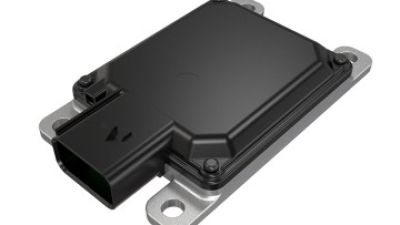
So, Child Presence Detectionis turning into a pretty important safety feature in newer cars. Basically, it’s there to figure out if a kid is still inside once the engine’s off. Depending on the setup, it might use radar, Ultrasonic Sensors, pressure sensing, or cabin cameras. Some cars even mix a few of those together. And that layered approach? It can help cut down on false alerts.
This isn't just some theoretical idea—it's practical. I mean, a child's car seat can sit there quietly, covered up, and easy to miss. Then a phone call, being tired, or a routine getting thrown off can mess with a driver's memory. Dr. David Diamond, a professor of psychology and neuroscience, put it this way: 'The human brain is not a perfect recording device.' His research helps explain why loving, careful parents can still make dangerous mistakes. And really, technology should support human attention, not replace it.
So companies like Bosch, Valeo, and Seeing Machines are working on sensing and driver-monitoring tech. Their systems can pick up things like movement, breathing patterns, whether someone's in the seat, or if something weird is going on in the cabin. But—and this is the catch—performance can shift depending on blankets, tinted windows, where the sensor sits, and extreme temperatures. No system is perfect. And that? That matters.
Honestly, a good Child Presence Detection system needs to give you clear warnings—whether that's on the car's display, through a phone app, or with an audible alarm. It also shouldn't go off all the time for no reason. Too many false alarms? That's a quick way to lose people's trust. If you're buying one, it's worth digging into how it's tested, what the sensors actually cover, how your data is handled, and what happens in an emergency. The tech is definitely promising, but yeah, you still want to look at it carefully before relying on it. So, this article breaks down how Child Presence Detection actually works. It also looks at where it does a good job—and, honestly, where it falls short. Those limitations? Yeah, they deserve some real, honest attention.
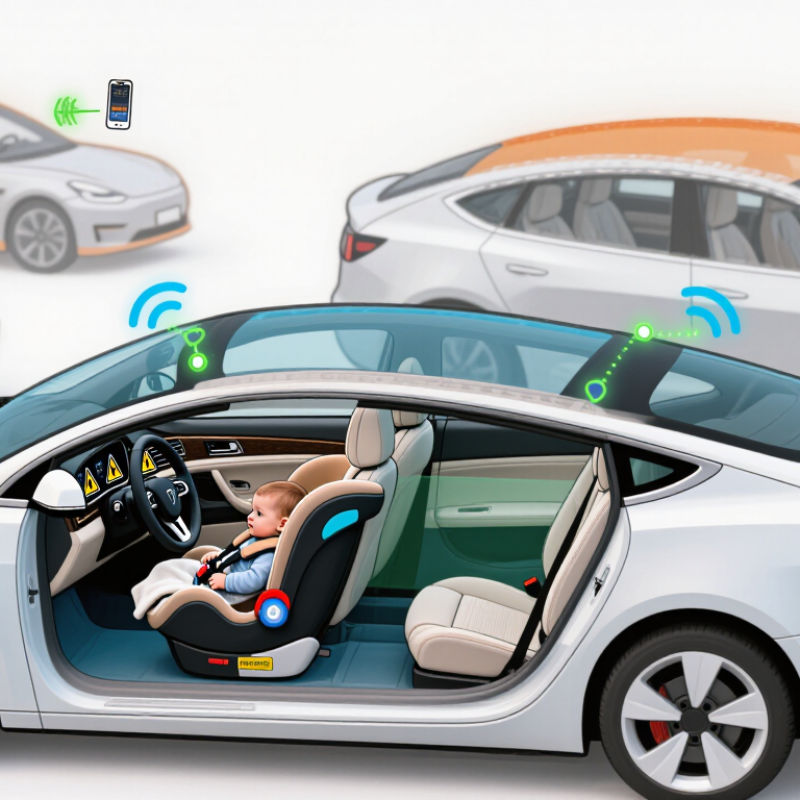
Child Presence Detection (CPD) is a vehicle safety function designed to identify a child or occupant left inside a parked vehicle. Its purpose is simple: reduce the risk of heatstroke, cold exposure, and unattended emergencies. According to the U.S. National Highway Traffic Safety Administration, more than 1,000 children have died in hot vehicles since 1998. The agency reports that these tragedies average about 37 deaths each year.
CPD usually combines door-status data with weight sensors, ultrasonic sensing, radar, or interior motion detection. After the driver leaves and locks the vehicle, the system checks for signs of occupancy. It may send an audible warning, display an alert, or notify a connected safety service. A child’s breathing may be subtle. Detection is not always perfect. False alarms can happen, especially with bags, pets, or loose objects. That limitation deserves honest attention.
Tips: Check the rear seat before walking away. Keep essential items beside the child’s seat. Test the warning system during routine trips. Never treat CPD as a replacement for direct supervision. NHTSA safety guidance supports layered habits, but daily routines can still fail. A quick visual check remains valuable, even when the vehicle reports an empty cabin.
What Is Child Presence Detection and How Does It Work?
Child Presence Detection Systems combine sensors, software, and alerts to identify a child left inside a vehicle. NHTSA reports an average of 37 child heatstroke deaths annually between 1998 and 2023. That figure shows why detection must work beyond simple seatbelt reminders.
Key Components of a Child Presence Detection System
A sensing layer monitors the rear seating area. Weight sensors can detect pressure on a seat cushion. Radar sensors may recognize tiny movements, such as breathing. Ultrasonic sensors measure motion and distance, while capacitive sensors detect changes around the seat. Each method has weaknesses. A sleeping child may move very little. A heavy bag may trigger a false alert.
The control unit processes these signals and checks door activity, ignition status, and seat conditions. If the system detects possible occupancy after the driver exits, it can activate visual and audible warnings. Some systems also send a remote notification through connected vehicle services. Euro NCAP’s child occupant protection assessments increasingly emphasize occupant monitoring and child presence alerts, reflecting a wider safety shift.
The details matter. A reliable system should warn quickly without overwhelming drivers with repeated alarms. It should also record clear fault information for technicians. No sensor is infallible. Rain, extreme temperatures, tinted glass, and unusual seating positions can affect performance. That limitation deserves more attention in testing. Human supervision remains essential, even with advanced detection technology.
Child Presence Detection works through a short chain of sensing, interpretation, and alerting. NHTSA reports that an average of 39 children died annually from vehicular heatstroke between 1998 and 2023. This risk makes accurate detection important.
The process begins when the vehicle records door activity and seat occupancy. Pressure sensors may identify weight on a seat. Radar sensors can detect tiny chest movements, even through a blanket. Some systems also monitor breathing patterns or cabin motion. The control unit combines these signals with ignition status and seat position. It then estimates whether a child remains inside. OEM Child Presence Detection can use this layered approach instead of relying on one signal.
If presence is detected after the driver leaves, the system first sends an audible or visual warning. A connected vehicle may then issue a phone notification. Advanced designs can repeat alerts when movement continues. Euro NCAP has included child-presence expectations in its newer safety assessment direction, encouraging measurable protection improvements. Still, no sensor is infallible. A sleeping child, heavy luggage, or poor sensor placement can confuse the system. That judgment can still be wrong. Engineers should test winter coats, car seats, blankets, and unusual seating positions. Families should also check the rear seat manually. That small habit remains essential.
Child Presence Detection uses sensors to identify a child or occupant left inside a vehicle. The system usually checks the cabin after the doors lock or the engine stops. It then compares movement, body shape, weight, and breathing patterns. No single sensor is perfect.
Pressure sensors may sit beneath seats or inside floor mats. They detect a small weight change when someone remains seated. Radar sensors send low-power signals through the cabin. Reflected signals can reveal chest movement, even when a child is quiet. Ultrasonic sensors measure movement by tracking changes in sound waves. Cameras can recognize body shapes, but poor lighting or covered faces may reduce accuracy.
The strongest systems combine several inputs through sensor fusion. A seat sensor may confirm occupancy, while radar checks for breathing. The control unit can trigger a visual alert, an audible warning, or a phone notification. In practical vehicle evaluations, installers should test sleeping children, heavy bags, blankets, and empty seats. These situations can confuse detection. That weakness matters.
Wholesale Child Presence Detection purchasing should include clear sensor specifications, installation guidance, and documented test conditions. Buyers should also ask how the system handles hot cabins, electromagnetic interference, and damaged wiring. False alarms can make drivers ignore real warnings. Missed detection is more serious. Engineers must review both problems.
Child presence detection systems combine sensors that identify weight, movement, distance, heat, or body shape. The chart shows representative engineering ranges for common sensing technologies; actual performance varies with installation, object size, environment, and calibration.
Pressure and capacitive sensors are mainly used for seat- or surface-level detection, while ultrasonic, radar, and camera-based systems can monitor a larger area. Radar can also detect very small movements, including breathing, when properly configured.
Child Presence Detection (CPD) uses sensors to identify a child or occupant left inside a parked vehicle. Radar can detect small movements, breathing patterns, or a heartbeat. Seat sensors measure weight, while cabin cameras may identify posture and age-related features. ODM Child Presence Detection systems can combine these inputs during vehicle assembly, supporting tailored integration with electronic control units.
Alerts must be clear and staged. A dashboard message may appear when the driver switches off the vehicle. If movement continues, the system can send a mobile notification or activate the hazard lights. A stronger response may start ventilation, unlock doors, or contact an emergency service through the vehicle network. NHTSA reports more than 900 child vehicular heatstroke deaths in the United States since 1998. That figure shows why a quiet cabin still requires active monitoring.
Integration creates difficult decisions. Should the vehicle react to a sleeping child, a pet, or an adult needing assistance? Radar can misread a blanket. Cameras can struggle in darkness. Euro NCAP’s evolving safety assessment work has increased attention on occupant monitoring and child safety functions. Practical validation should test hot cabins, winter clothing, tinted glass, and weak phone signals. Human review remains necessary. No sensor is perfect. A missed alert can be dangerous, but a false alarm may cause drivers to ignore future warnings.
Child Presence Detection (CPD) uses cabin sensors to identify whether someone remains inside a parked vehicle. Depending on the system, sensors may detect movement, breathing patterns, body weight, or changes in air pressure. If a child is detected after the vehicle is locked, the system can trigger an alert through sound, lights, or a connected device. This warning may prevent heatstroke, cold exposure, or unnecessary panic during a rushed routine. In practical use, early alerts can be valuable near schools, shops, and busy residential areas.
However, CPD is not a replacement for careful checking. A sleeping child may move very little. Thick blankets, unusual seating positions, or small body weight can reduce detection accuracy. Pets, shopping bags, or loose objects may also cause false alerts. Sensors can fail because of poor calibration, damage, or software errors. No system is flawless. That is uncomfortable, but important. Privacy also deserves attention. Camera-based detection may feel intrusive, especially when images leave the vehicle. Safer designs should process data locally, collect as little information as possible, and delete records quickly. Clear permission settings and understandable notices matter.
Tips: Check the rear seats before leaving, even after receiving no alert. Keep sensors unobstructed and follow maintenance instructions. Test the warning system in controlled conditions. Never treat a silent system as proof that the cabin is empty.
| Data Dimension | What It Is and How It Works | Limitations and Privacy Considerations | |
|---|---|---|---|
| Definition | Child Presence Detection (CPD) is a safety function that identifies whether a child or other occupant may remain inside a vehicle, room, or enclosed space after the responsible person leaves. | Can provide an additional warning when a child may be unintentionally left behind. | It is a support system, not a substitute for direct supervision. Detection results may be uncertain and should not be treated as proof of a child's presence or absence. |
| Primary Detection Target | Systems may look for an occupant's body, breathing-related movement, posture, weight, motion, sound, or other physical indicators. | Using more than one indicator can improve coverage across different child sizes, seating positions, and levels of movement. | A sleeping, covered, restrained, or very small child may produce weaker signals than an active adult. Objects such as bags, pets, or blankets may also affect the result. |
| Radar or Radio Sensing | Radio-frequency signals are transmitted and reflected by nearby objects. Algorithms can analyze changes associated with body motion or subtle periodic movement, including movement related to respiration. | Can operate without visible light and may detect a covered or sleeping occupant. It generally does not require storing a conventional photograph. | Metal structures, seat materials, multiple occupants, unusual body positions, and electromagnetic interference can reduce accuracy. Radio sensing can still create sensitive occupancy data even when no image is recorded. |
| Ultrasonic Sensing | Ultrasonic pulses are emitted and their echoes are measured to estimate distance, movement, or the presence of an object within a defined area. | Can support short-range occupancy detection and works in darkness. | Soft materials, irregular surfaces, cabin geometry, temperature, and multiple objects can distort echoes. It may detect an object without reliably identifying a child. |
| Pressure or Weight Sensing | Sensors embedded in a seat or floor area measure changes in load or pressure that may indicate an occupant. | The approach is relatively direct and can work without capturing audio or video. | A child may weigh below a configured threshold, while luggage, a pet, or an empty child seat may trigger a false reading. The system may not determine whether the occupant is a child. |
| Camera-Based Sensing | A camera and software analyze visual information such as body shape, posture, movement, or a person seated in a designated area. | Can provide richer context, including approximate occupant position and whether a restraint area appears occupied. | Low light, blocked views, blankets, privacy covers, unusual poses, and image-processing errors can affect performance. Images or video are highly sensitive and require strict access control, retention limits, and clear user consent where applicable. |
| Audio or Sound Sensing | Microphones or acoustic sensors may detect crying, movement, or other sound patterns associated with an occupant. | May provide an additional signal when visual or weight information is inconclusive. | Background noise, speech, music, and quiet occupants can reduce reliability. Recorded or transmitted audio may expose conversations and should be minimized or processed locally whenever possible. |
| Sensor Fusion | Multiple sensor inputs are combined by software to estimate the likelihood that a child or occupant is present. | Combining independent signals can reduce some false alarms and improve performance in varied conditions. | More sensors create more failure points and may collect more personal data. Users should be told what data is collected, why it is needed, and how long it is retained. |
| Alert Process | When the system estimates that a child may be present after a supervising person leaves, it may issue a visual, audible, or remote notification. | A local alert can prompt a quick check, while a remote notification may help when the responsible person is already away from the vehicle or room. | Alerts may be missed because of muted devices, poor connectivity, dead batteries, notification fatigue, or incorrect contact information. Remote alerts should be secured against unauthorized access. |
| Typical Benefits | CPD can add a layer of protection against accidental child entrapment or abandonment, particularly during routine changes, fatigue, stress, or distractions. | May support faster intervention, improve awareness, and complement child seats, caregiver routines, and manual checks. | The system cannot prevent every dangerous situation and cannot replace responsible supervision, safe-temperature practices, or an immediate physical check. |
| False Positives | A false positive occurs when the system reports a possible child or occupant even though none is present. | Conservative alert thresholds may reduce the risk of failing to warn about a real occupant. | Repeated false alarms can cause users to ignore or disable the system. Clear alerts should explain the reason for the warning without exposing unnecessary personal information. |
| False Negatives | A false negative occurs when the system fails to identify a child or occupant who is actually present. | Testing under different body sizes, clothing, restraints, temperatures, positions, and cabin conditions can help identify performance gaps. | A missed detection can create a serious safety risk. Manufacturers and operators should communicate that detection performance has boundaries and should provide a manual verification step. |
| Environmental Factors | Temperature, humidity, sunlight, darkness, vibration, cabin materials, background noise, and radio interference may affect sensor readings. | Environmental testing can help define operating conditions and improve system calibration. | Performance in one vehicle, room, or installation may not represent performance in another. Users should follow installation and maintenance instructions. |
| Data Minimization | A privacy-focused design collects only the information necessary to determine occupancy and generate a safety alert. | Reduces exposure of sensitive data and limits the potential impact of unauthorized access or misuse. | Systems should avoid collecting identifiable images, continuous audio, precise location, or long-term behavioral histories unless there is a clear, disclosed need. |
| Local Processing | Sensor data is analyzed on the vehicle, device, or local controller instead of being routinely sent to a remote server. | Can reduce transmission risks, latency, connectivity dependence, and the amount of personal data held by third parties. | Local processing does not eliminate privacy risks. Stored logs, diagnostic files, software updates, and physical access to the device still require protection. |
| Data Retention | Retention refers to how long sensor readings, alerts, images, audio, and diagnostic records are kept. | Short retention periods and automatic deletion reduce the amount of sensitive information available for later misuse. | Organizations should define retention periods, delete data securely, restrict access, and explain whether information is used for safety analysis, maintenance, or other purposes. |
| Security Controls | Security measures may include encryption, authentication, access permissions, secure software updates, audit logs, and protection against unauthorized device pairing. | Helps protect occupancy information, alerts, and connected functions from interception or misuse. | No connected system is risk-free. Weak passwords, outdated software, insecure interfaces, or shared accounts can expose sensitive safety and location information. |
| User Transparency | Users should receive clear information about the sensors used, the data collected, processing locations, alert recipients, retention periods, and available controls. | Supports informed consent, appropriate use, and realistic expectations about system performance. | Privacy notices should be understandable and available before activation. Individuals in shared vehicles or spaces may also need to be informed about sensing. |
| Recommended Safety Practice | After every trip or use period, the responsible adult should physically check the rear seat or enclosed area before locking or leaving. | A direct check does not depend on sensor accuracy, connectivity, battery status, or software classification. | A manual check should remain the primary safeguard, with CPD treated as an additional layer rather than a guarantee of safety. |
77GHz Blind Spot Detection: A Practical Guide to Safer Vehicle Monitoring
A 77GHz blind spot detection system uses microwave radar to monitor areas that are difficult for drivers to see, including the zones beside and slightly behind the vehicle. By measuring the position and movement of nearby vehicles, motorcycles, and other road users in real time, the system helps identify potential risks during lane changes, merging, and turning. Its compact radar technology can operate reliably in changing light conditions, making it useful during both daytime and nighttime driving.
When an object enters the monitored blind spot, the system provides an immediate warning through a flashing LED indicator and an audible beep. This combination gives the driver both visual and sound alerts, helping draw attention to hazards without requiring constant screen monitoring. By reducing unseen areas around the vehicle and supporting faster driver awareness, the microwave radar system offers a practical safety solution for daily traffic, fleet operations, and commercial vehicle monitoring.
It combines door activity, seat pressure, radar movement, breathing patterns, and cabin changes. The control unit compares these signals with ignition status and seat position. No single sensor decides everything.
It may detect body weight, tiny chest movements, breathing, or cabin motion. Radar can sometimes sense movement through a blanket. Small bodies remain difficult to identify.
The system may sound an alarm or flash a visual warning. A connected vehicle can also send a phone notification. Some systems repeat alerts when movement continues.
Early warnings may help prevent heat exposure, cold exposure, or panic. They can be useful near schools, shops, and busy homes. They do not replace checking the rear seat.
Pets, shopping bags, luggage, or loose objects may trigger warnings. Poor calibration, sensor damage, and software errors can also interfere. The system may misunderstand an ordinary bag.
Sleeping children may move very little. Thick blankets, winter coats, car seats, and unusual positions can reduce accuracy. Small body weight may also challenge the sensors.
Check the rear seats before leaving, even when no alert appears. Keep sensors clear and follow maintenance instructions. Test warnings under controlled conditions. A silent system is not proof.
Camera-based systems can feel intrusive inside a family vehicle. Safer designs process data locally and collect minimal information. Records should be deleted quickly. Clear permission settings matter.
Child Presence Detection is a vehicle safety function designed to identify whether a child or other vulnerable passenger remains inside a parked vehicle. Its purpose is to reduce the risk of heat-related injury, accidental locking, and other dangerous situations by monitoring the cabin after the vehicle is turned off. A typical system combines interior sensors, a control unit, communication functions, and warning interfaces to evaluate movement, breathing, position, or other signs of occupancy.
The system works by collecting sensor data, filtering out normal background activity, and determining whether a person may be present. Depending on the design, technologies may include radar, pressure sensors, cameras, ultrasonic sensing, or temperature monitoring. If a possible occupant is detected, the vehicle can issue alerts through audible signals, dashboard messages, or connected notifications, and may activate additional safety responses such as ventilation or emergency assistance. Benefits include faster awareness and added protection, but limitations may involve false alarms, missed detections, sensor performance, and dependence on power or connectivity. Privacy should also be considered, especially when cameras or stored data are used.