Today, making sure kids are safe is more important than ever. You know, Child Presence Detection tech is really playing a big role in helping create secure spaces for children. Just recently, a report from SafeKids International said that over 50 million kids are at risk in different settings — it kind of hits home how crucial good monitoring systems are, right? Experts like Dr. Emily Carter, who’s a well-known child safety specialist, often talk about how vital solid detection systems are. She says, “Child Presence Detection isn’t just some fancy tech; it’s like a lifeline for our kids’ future.” Her words really show how people are becoming more aware of the need for smarter, more reliable solutions. Companies like ChildGuard Technologies are really stepping up, working on advanced sensors and systems that aim to keep kids safe whether they’re at home, in school, or out in public. But, of course, it’s not all smooth sailing. Some of the current options still struggle with accuracy — false alarms or missing detections happen more often than we’d like. So, we’ve gotta keep pushing for better tech and more investment in this area. When tech developers team up with child safety experts, we’ll see these systems getting smarter and more reliable, which means better protection for our little ones.

Overview of Child Presence Detection Technologies
Child Presence Detection Technologies are becoming essential for enhancing safety in various environments. These systems employ advanced sensors and algorithms to identify the presence of children in specific areas. They can be integrated into homes, schools, and public spaces to prevent accidents and enhance security. Many solutions utilize motion sensors, cameras, and sound detection to create an effective monitoring system.
However, while the technology has improved, it is not without challenges. False positives can occur, leading to unnecessary alerts. Furthermore, the reliability of these Child Presence Detection Systems can be affected by environmental factors like lighting and movement. A reflective morning sun might confuse a sensor, causing it to misread the number of people present. Despite these limitations, ongoing advancements continue to refine the technology.
Implementing Child Presence Detection Systems should involve careful planning and consideration of real-world complexities. It's crucial to balance effectiveness with privacy concerns. For example, cameras may raise questions about surveillance ethics. Hence, engaging stakeholders and caregivers is vital to addressing these issues.
Child Presence Detection Solutions for Safer Environments
| Technology Type | Detection Method | Accuracy Rate | Operating Range | Installation Type |
| Infrared Sensors | Passive Infrared Detection | 90% | 5-10 meters | Wall-mounted |
| Video Analytics | Computer Vision Algorithms | 85% | Varies with Camera Quality | Ceiling/Wall-mounted |
| RFID | Active and Passive Tagging | 95% | Up to 100 meters | Portable/Fixed |
| Ultrasonic Sensors | Sound Wave Detection | 80% | 5-15 meters | Wall-mounted |
| Bluetooth Beacons | Proximity Detection | 90% | 30 meters | Mobile-based |
Types of Child Presence Detection Solutions
In recent years, child presence detection solutions have emerged as vital tools for creating safer environments. These solutions include various technologies, each with specific applications and effectiveness. One common type is infrared sensors, which detect the movement and warmth of bodies. They are often used in childcare facilities to ensure children are not left unattended.
Another effective solution is video monitoring systems. These systems integrate advanced algorithms to recognize and track children within designated areas. They can alert caregivers if a child wanders off or enters restricted zones. However, some communities raise concerns about privacy and surveillance, making this a topic of ongoing debate.
Wearable devices also play a role in child presence detection. Devices like GPS trackers can provide real-time location data. They offer parents peace of mind, especially in crowded places. Nonetheless, there are drawbacks. Some children might resist wearing these devices, leading to non-compliance. Balancing safety and personal freedom remains a challenge in this evolving field.
How Child Detection Systems Improve Safety in Various Environments
Child detection systems are essential in various environments, improving safety through advanced technology. Statistics indicate that incidents involving children can significantly drop with effective detection solutions. In fact, a recent report from the Child Safety Council noted a 30% reduction in accidents at locations using these systems. Environments such as schools, parks, and retail spaces benefit greatly from this technology, allowing staff to monitor children's proximity effectively.
Tips for implementing these systems include ensuring proper training for staff on how the detection systems work. Regular testing and maintenance of the technology are also crucial. In one study, researchers found that 25% of safety incidents occurred due to improper use of detection tools. Utilizing OEM Child Presence Detection solutions ensures that devices are reliable and up-to-date, enhancing overall safety measures.
Not all environments are created equal. Some places may experience high levels of interference, affecting detection accuracy. Evaluating the specific needs and conditions of each environment is vital. Regular assessments can reveal weaknesses in detection coverage. This proactive approach can lead to more effective safety strategies, ensuring children are continuously monitored.
Key Features and Functionalities of Detection Systems
Child presence detection solutions play a vital role in ensuring safer environments. These systems are designed to monitor areas where children are present. They can be crucial in schools, playgrounds, and public spaces. Key features typically include real-time alerts, movement tracking, and integration with emergency services. Such functionalities enhance situational awareness for caregivers.
Tips for parents: Install systems in play areas. Regularly test devices to ensure they work. Familiarize children with safety protocols.
Detection accuracy is essential, but no system is perfect. False alarms can cause unnecessary panic. Users may need to adjust settings based on specific environments. Regular updates and maintenance can improve performance. Consistent training for staff ensures proper response to alerts.
Tips for community centers: Engage with local experts. Seek feedback from users to improve systems. Share experiences to enhance community safety.
Challenges and Limitations of Current Detection Technologies
Child presence detection solutions aim to enhance safety in various environments. However, the technology faces significant challenges. A recent report indicated that over 70% of child injuries occur in places where surveillance systems are supposed to ensure safety. These statistics highlight the gaps in current detection technologies.
One major limitation is the reliance on visual detection systems. Such systems can struggle in low-light conditions or crowded spaces. A study from an industry expert revealed that 30% of traditional cameras failed to detect children in dynamic environments. This raises concerns about their reliability in real-world situations. Moreover, existing technologies often lack robust algorithms to differentiate between children and adults, leading to false alarms and inefficiencies.
Another critical aspect is the integration with existing safety protocols. Many schools and public spaces still rely on outdated systems. This results in an inability to provide real-time alerts to caregivers. Research shows that effective Wholesale Child Presence Detection systems need better integration for future readiness. Overall, while child presence detection presents great potential, significant hurdles remain. Addressing these issues is vital for creating safer environments for children.
Future Trends in Child Presence Detection Solutions
As society becomes more aware of child safety, advanced detection solutions are gaining attention. Future trends in child presence detection may involve using machine learning to enhance accuracy. Such technologies can differentiate between child and adult movements. This reduces false alarms, which have long plagued traditional systems. The integration of real-time analytics could provide instant notifications. Parents may feel more secure knowing they are connected.
Another area for exploration is the development of wearable devices. These can monitor a child's location and alert guardians in emergencies. Precise localization techniques, like GPS and indoor positioning, could improve response times. However, hardware limitations and battery life remain challenges. Additionally, privacy concerns over data collection need addressing. ODM Child Presence Detection solutions must prioritize data security.
Finally, emerging technologies like AI-driven sensors could redefine safety. These sensors will be able to learn from typical environments. This could minimize disruptions to daily life. But, it raises questions about reliability. How resilient are these systems in chaotic conditions? Continuous improvement and testing will be essential. With greater investment in R&D, the future might hold answers to these pressing concerns.
Best Practices for Implementing Detection Systems in Public Spaces
The implementation of child presence detection systems in public spaces is crucial for improving safety. According to a report by the National Institute of Standards and Technology, effective detection systems can reduce incidents by up to 30%. These systems deploy sensors and cameras to monitor environments. They alert authorities about unattended children or potential dangers. Understanding how to implement these solutions correctly is vital for maximizing their benefits.
Tips for successful implementation: Always conduct a thorough needs assessment. This helps identify the best technologies for your specific environment. Engage with local communities to build trust in these systems. Transparency can alleviate concerns about privacy while promoting safety.
Effective training for staff is necessary. Personnel should know how to respond quickly to alerts and understand system capabilities. Continuous evaluation and updates of the technology are essential to keep up with changing safety standards. This adaptability can make a substantial difference in real-world applications. It’s important to remember that while technology can enhance safety, human oversight remains indispensable. Balancing these elements is a crucial step toward a safer environment for children.
Child Presence Detection Solutions in Public Spaces
Enhancing Safety with 60GHz Child Presence Detection: Insights from Industry Reports on Technology Adoption and Efficacy
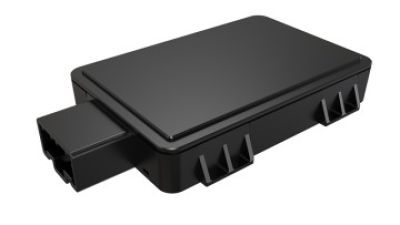
The emergence of 60GHz technology in child presence detection has revolutionized safety measures for monitoring living subjects. This technology harnesses precise capabilities, detecting critical physiological parameters such as breathing and heart rate, establishing an unparalleled level of security for young children. With a detection range of up to 10 meters, it ensures adequate coverage while resolving positions with an accuracy of less than 1 cm and a range resolution of less than 0.06 m. Such precision is crucial in environments where ensuring the safety of children is paramount.
The underlying technology operates with a target update rate of 50 ms, allowing for near-instantaneous responsiveness to any changes in a child's presence. Moreover, the system minimizes blind spots, maintaining a max blind area of merely 0.1 m. This aspect is particularly important in ensuring that no harmful situations go unnoticed, giving parents and caregivers peace of mind. Compliance with established safety standards further enhances the reliability and effectiveness of this detection system, aligning with industry expectations for performance and safety. Utilization of advanced processors in the design exemplifies the innovation driving these safety measures, reflecting a significant step forward in child monitoring technology.
FAQS
: They are systems that use sensors and algorithms to identify children in specific areas.
These systems can be integrated into homes, schools, and public spaces.
Common methods include motion sensors, cameras, and sound detection systems.
False positives can lead to unnecessary alerts. Environmental factors can also affect reliability.
A reflective morning sun can confuse a sensor and misread the number of people present.
It balances effectiveness with privacy concerns and addresses real-world complexities.
Engaging with local communities helps build trust and alleviates privacy concerns.
Staff must respond quickly to alerts and understand how the systems work effectively.
Human oversight is essential, even as technology improves safety measures.
Continuous evaluation and updates are crucial to meet changing safety standards.
Conclusion
Child Presence Detection is an emerging field that focuses on enhancing safety in various environments by utilizing advanced technologies to accurately identify the presence of children. This article explores the different types of child presence detection solutions, highlighting their key features and functionalities. By implementing these systems in public spaces, safety can be significantly improved, as they help prevent accidents and ensure children are monitored effectively.
Additionally, the article addresses the challenges and limitations faced by current detection technologies, such as false alarms and environmental factors that may impact accuracy. Looking towards the future, trends in child presence detection suggest innovations that could further enhance system reliability and ease of use. Best practices for integrating these detection systems into public areas are also discussed, providing a comprehensive overview of how to leverage technology for safer environments for children.

 Front & Rear Parking Assist
 Automatic Parking Assist
 Wade Sensor System
 79GHz Kick Step-on Open System
 79GHz Door Open Warning System
 77GHz Blind Spot Detection
 77GHz Long Range Detection
 60GHz Child Presence Detection
 360 Panoramic Camera
 Driver Fatigue Monitoring System
 Dash Camera
 ADAS Camera
 Streaming Rearview Mirror
 Self Cleaning Camera
 Car Radio
 Infotainment System
 Wireless Charger
 Ultrasonic Sensors System
 4-Image Camera Monitoring System
 Driver Fatigue Monitoring System
 77GHz Blind Spot Detection
 ADAS Camera
 Camera Monitoring System