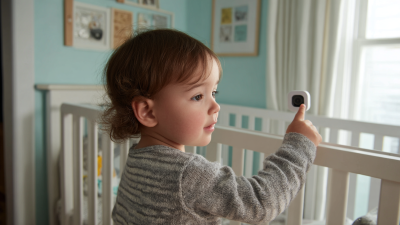
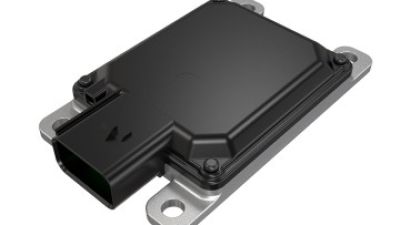
You can check out Child Presence Detection — it’s actually pretty important for keeping kids safe in a bunch of different environments. Dr. Lisa Harmon from SafeTech Innovations even points out, "Detecting when a child is around can really prevent those heartbreaking accidents." Whether it’s at home, school, or somewhere in public, these systems are there to help shield our little ones, especially since they're sometimes so tricky to spot.
Honestly, kids can be really easy to overlook sometimes, right? Caregivers get busy, distracted, even a little overwhelmed — it’s completely normal. That’s where a good Child Presence Detection system can come in as a kind of extra pair of eyes, always on alert and giving us real-time info about where kids might be hiding out.
Of course, technology isn’t a magic fix — we shouldn’t just lean on it alone. It’s super important to keep traditional supervision and common sense in the mix. It’s tempting to think that fancy tech solves everything, but at the end of the day, human vigilance is still your best bet for keeping kids safe. The idea is to have a smart combo—using the latest tech along with good old-fashioned watchfulness to really make a difference.
Significance of Child Presence Detection in Safety Solutions
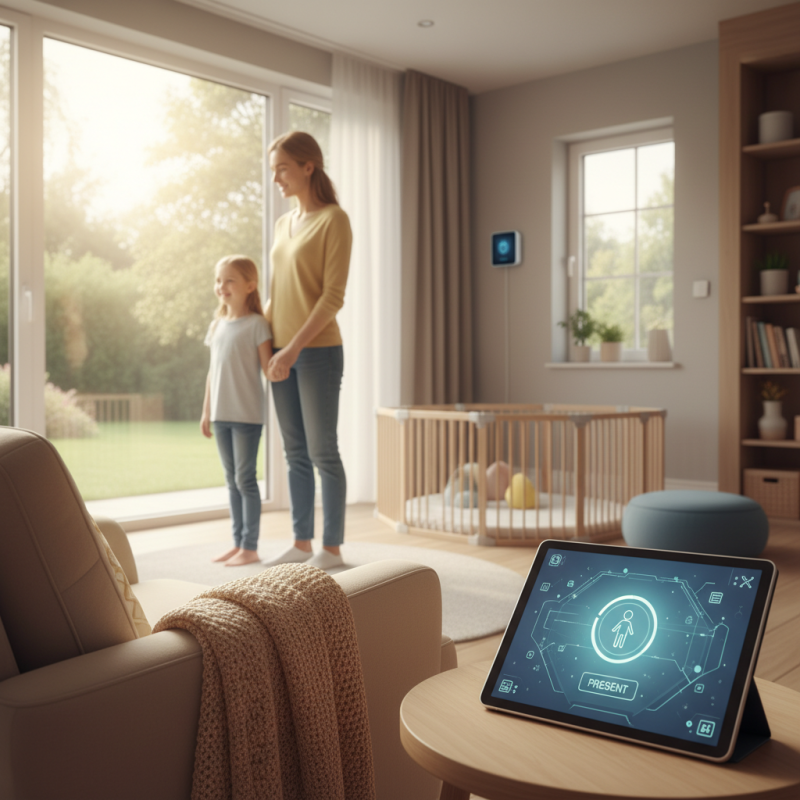
Child presence detection has become a crucial aspect of safety solutions. It ensures that children are monitored in environments like homes, schools, and public places. These systems help prevent accidents and enhance overall safety. The importance of reliable detection systems cannot be overstated. They can identify whether a child is present or not, significantly reducing the risk of tragic incidents.
Implementing child presence detection can seem overwhelming. Here are some tips to simplify the process. Start with basic technology designed for your space. Consider systems that integrate with existing security measures. Regularly check and maintain these systems to ensure they function correctly. This proactive approach can save lives.
Moreover, not all systems are foolproof. They may have limitations, like false positives or negatives. Parents and caregivers need to remain vigilant despite advanced technology. Open communication about safety protocols in schools or care settings is essential. Encourage children to understand the importance of safety awareness. Involving them can foster a culture of caution and responsibility.
Understanding the Technology Behind Child Presence Detection
Child Presence Detection Systems leverage advanced technology to enhance safety in various environments. These systems use sensors to monitor the presence of children in places like homes, schools, and vehicles. They can detect movement and recognize specific patterns, ensuring that children remain safe and accounted for.
The technology often integrates infrared sensors and motion detectors. These devices are sensitive enough to distinguish between adults and children. Data is processed in real-time to trigger alerts. For instance, if a child is left unattended in a vehicle, the system sends an alert to caretakers. This capability is crucial in preventing accidents and ensuring peace of mind.
However, user understanding of these systems is essential. Many systems require proper setup to function optimally. Misconfiguration may lead to false alarms or missed detections. It's vital for users to familiarize themselves with features. Training on how to respond to alerts can reduce risks. Overall, Child Presence Detection Systems represent a significant step toward enhancing child safety, but awareness and user education remain key components for effectiveness.
Applications of Child Presence Detection in Various Environments
Child presence detection technology has become crucial in various environments, ensuring safety for young ones. In homes, systems can alert parents if a child unknowingly enters potentially hazardous areas. Child presence detection can help prevent accidents in the car, where a child may be left unattended. This technology can save lives by promoting vigilant behavior among caregivers.
In schools, child presence detection can enhance safety protocols. Systems can monitor access points, ensuring that only authorized individuals are present. This helps prevent unauthorized entry and can quickly alert staff if a child is unaccounted for. Such applications are vital in maintaining a secure learning environment.
Tips: Choose systems that feature OEM Child Presence Detection for reliability. Regularly test these systems to ensure they function correctly. Educate staff and caregivers about the technology, so everyone understands its importance. By actively engaging with these safety solutions, we create a safer space for our children to thrive.
Enhancing Safety in Vehicles Through Child Presence Detection Systems
Child presence detection systems are becoming a necessity in modern vehicles. Statistics reveal that nearly 38 children lose their lives every year due to being left in hot vehicles. This alarming figure highlights the need for immediate action. Implementing such systems can help reduce these tragic incidents.
These detection systems utilize advanced sensors to monitor the rear seating area. They alert drivers if a child is detected after the engine is turned off. A study by the National Highway Traffic Safety Administration (NHTSA) indicates that technology can potentially save lives. Adjusting settings for optimal detection can improve the effectiveness of these systems.
However, not all child presence detection systems are equally reliable. Some may provide false alarms, leading to frustration for drivers. The ongoing evaluation of these systems is crucial. Enhancements in technology must focus on minimizing inaccuracies while ensuring maximum safety for vulnerable passengers.
Challenges and Limitations of Current Child Presence Detection Solutions
Child presence detection is crucial for ensuring safety in various environments. However, current solutions face multiple challenges. Many systems rely on sensors that can be easily obstructed. This leads to false negatives, where a child is overlooked. Environmental factors, like lighting and layout, further complicate detection. Incorrect readings can have dire consequences, urging a need for more reliable solutions.
Tips for enhancing child presence detection involve using multiple technologies. Combining infrared sensors with cameras can improve accuracy. Regularly testing systems is essential. Ensure they work under varied conditions. Speak to professionals about tailor-made solutions for specific environments. Understanding limitations can help design better systems.
The reliance on single-method detection can be risky. Blending various approaches may yield better results, yet the cost can be a hurdle. Training staff on system usage is crucial. Misinterpretation of alerts can lead to inaction. Consistently monitoring performance is necessary to refine methods. This is especially important in schools or pediatric care settings. Exploring Wholesale Child Presence Detection options can keep safety measures current and effective.
Future Trends in Child Presence Detection Technologies
As child presence detection technologies evolve, safety solutions become increasingly vital. According to industry reports, 69% of parents express concern about child safety in vehicles. This highlights the urgent need for innovative detection systems. Current advancements include sensors and AI-driven analytics that monitor child presence. These systems can significantly reduce the risk of leaving a child unattended in cars or homes.
Experts project a 25% growth in the child presence detection market over the next five years. Emerging technologies such as motion detection and thermal imaging will enhance accuracy. These innovations aim to create safer environments. For instance, smart sensors can alert caregivers if a child is left behind. Such features could potentially save lives.
Tips: When investing in child presence detection systems, prioritize reliability and performance. Verify that sensors are responsive and easy to use. Remember that technology alone isn’t a panacea. Ongoing education about child safety is crucial for effective protection. Strive for a balance between tech solutions and vigilant supervision.
Regulatory and Compliance Considerations for Safety Solutions
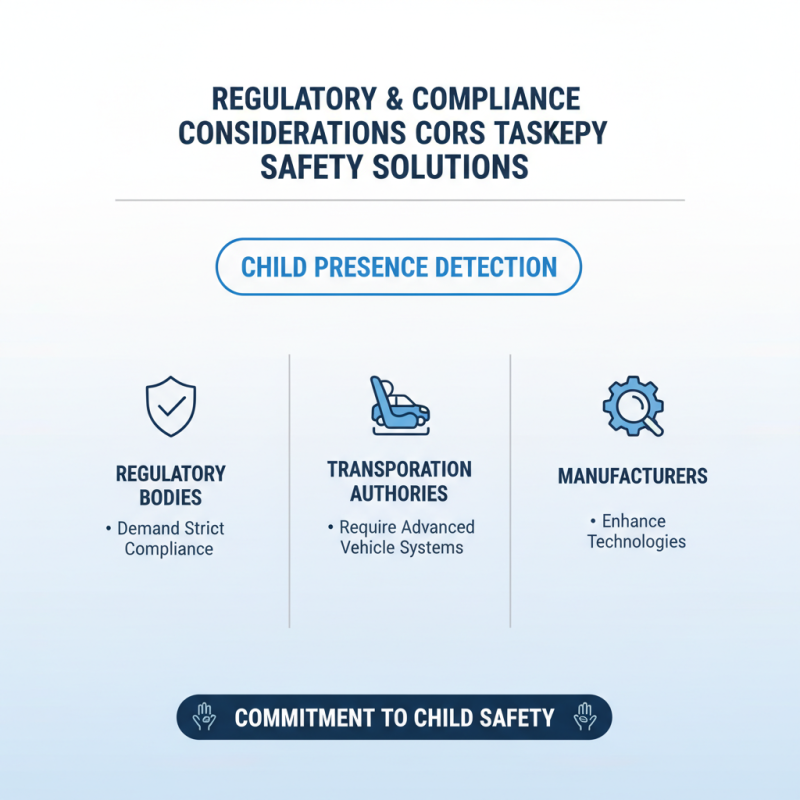
Child Presence Detection is a crucial aspect of safety solutions. Regulatory bodies demand strict compliance to protect children in various environments. For instance, transportation authorities require advanced systems to ensure children's safety in vehicles. These standards guide manufacturers to enhance Child Presence Detection technologies. Meeting these requirements reflects a commitment to child safety.
Incorporating ODM Child Presence Detection systems can significantly improve compliance. However, this technology is not infallible. It requires regular updates and testing to maintain effectiveness. Businesses must invest in ongoing training for staff to ensure proper implementation. The challenge lies in consistently adhering to evolving regulations while ensuring reliability.
Balancing compliance with innovation is complex. Technological advancements often outpace regulatory changes. Organizations may struggle to keep up. They must remain proactive in understanding new guidelines and practicing safety measures. The goal is to create a safe environment for children while meeting legal expectations. Continuous evaluation and adjustment of safety solutions are essential to truly protect our youngest members of society.
Outline for "Enhancing Vehicle Safety: The Role of 77GHz Microwave Radar in Blind Spot Detection Systems
In the automotive industry, enhancing vehicle safety is a paramount concern, particularly in mitigating accidents that occur due to blind spots. The integration of 77GHz microwave radar technology into Blind Spot Detection systems represents a significant advancement in this arena. By leveraging high frequency radar, these systems can accurately identify vehicles and obstacles in blind spots, thereby providing drivers with crucial information to make safer driving decisions.
The key features of a modern blind spot detection system include a wide detection range of up to 90 meters, ensuring effective monitoring of adjacent lanes even at higher speeds. With a target update rate of less than or equal to 40 milliseconds, these systems provide drivers with real-time feedback, minimizing the potential for dangerous situations. Furthermore, the impressive 99.5% detection accuracy underscores the reliability of these systems, offering peace of mind to both drivers and their passengers.
To withstand various environmental conditions, advanced radar systems are built to meet stringent standards, such as AEC-Q100 for automotive electronics, and are designed to achieve IP67 ratings for dust and water resistance. Utilizing sophisticated processors and RF components, these systems can effectively process a vast amount of sensor data, enabling intelligent alerts for lane changes and proximity warnings. As the automotive sector continues to innovate, the role of 77GHz microwave radar in enhancing vehicle safety cannot be overstated, leading to fewer blind spot-related accidents and a safer driving experience overall.
FAQS
: It helps monitor children in homes, schools, and public spaces, reducing accidents.
Begin with basic technology designed for your specific space and integrate it with existing security systems.
No, they can have false positives or negatives. Caregivers must remain vigilant despite technology.
Innovations include sensors and AI-driven analytics that improve monitoring child presence significantly.
About 69% of parents express concern about child safety in vehicles according to industry reports.
Regular maintenance and checks are necessary to keep these systems functioning correctly.
Expect a 25% growth in this market, with advancements in motion detection and thermal imaging.
No, ongoing education and vigilant supervision are essential for effective protection.
Open discussions about safety protocols encourage awareness and responsibility among children.
Focus on reliability and performance, ensuring sensors are responsive and user-friendly.
Conclusion
Child Presence Detection is a critical component in enhancing safety solutions across various environments. This technology allows for the identification of a child's presence, ensuring their safety in vehicles, homes, and public spaces. By understanding the underlying technology, stakeholders can appreciate how Child Presence Detection systems can actively prevent accidents and injuries. With applications ranging from vehicles to daycare centers, the implementation of this technology significantly contributes to child safety.
Despite its advantages, challenges and limitations exist within current Child Presence Detection solutions, such as false alarms and detection reliability. However, future trends suggest advancements in algorithms and sensor technology that could improve accuracy and effectiveness. Additionally, regulatory and compliance considerations are paramount for ensuring that these safety solutions meet necessary standards. Ultimately, the integration of Child Presence Detection into safety frameworks can lead to a more secure environment for children.

 Front & Rear Parking Assist
 Automatic Parking Assist
 Wade Sensor System
 79GHz Kick Step-on Open System
 79GHz Door Open Warning System
 77GHz Blind Spot Detection
 77GHz Long Range Detection
 60GHz Child Presence Detection
 360 Panoramic Camera
 Driver Fatigue Monitoring System
 Dash Camera
 ADAS Camera
 Streaming Rearview Mirror
 Self Cleaning Camera
 Car Radio
 Infotainment System
 Wireless Charger
 Ultrasonic Sensors System
 4-Image Camera Monitoring System
 Driver Fatigue Monitoring System
 77GHz Blind Spot Detection
 ADAS Camera
 Camera Monitoring System