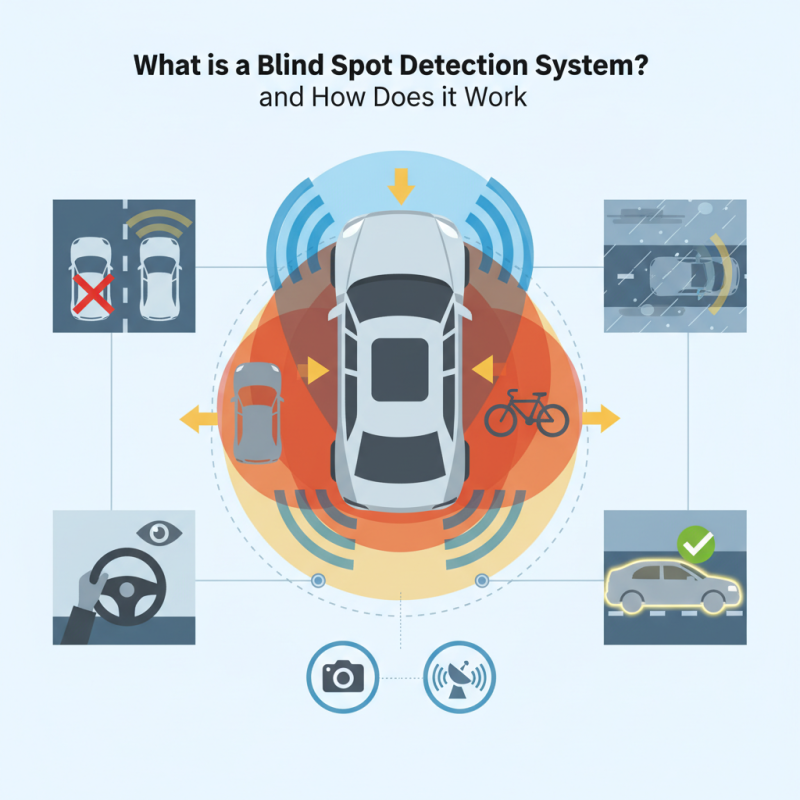
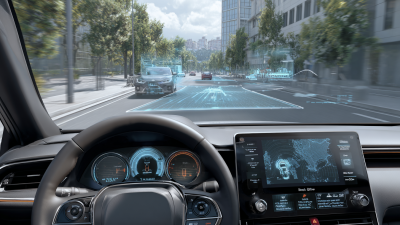
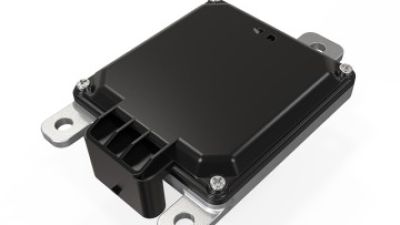
The Blind Spot Detection System is honestly a pretty game-changing tech in today’s cars. It’s there to help folks stay safe while cruising around. As you might guess from the name, it’s designed to spot vehicles lurking in your blind spot — that tricky part you usually can't see easily. This is especially handy when you're changing lanes or merging into traffic.
Lots of brands like Ford and Toyota have started including this tech, which is great, but it’s not perfect. Sometimes, those sensors miss smaller cars or bikes zipping by. That can give drivers a false sense of security, so it's super important to stay alert and not rely solely on the tech.
Meanwhile, this system uses a mix of cameras and radar to keep an eye on your surroundings. Still, things like bad weather or obstacles can mess with their performance. So, knowing what the system can and can’t do is pretty crucial for staying safe on the road.
Understanding Blind Spot Detection Systems
Blind spot detection systems (BSD) play a crucial role in enhancing vehicle safety. These systems use sensors to monitor areas that are not visible to the driver. Reports indicate that nearly 800,000 accidents occur annually due to blind spots, highlighting the importance of these systems.
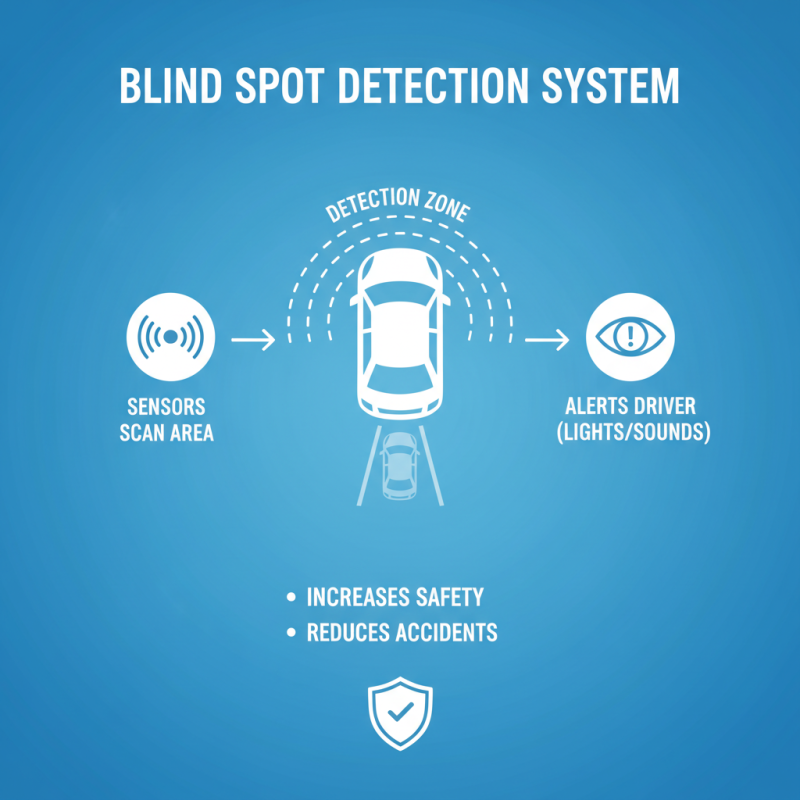
The technology works by utilizing radar or cameras placed on the vehicle. When another vehicle enters the blind spot, the sensors detect it and alert the driver through visual or audible warnings. A study from the National Highway Traffic Safety Administration shows that vehicles equipped with BSD can reduce lane-change accidents by about 14%. This significant reduction in incidents demonstrates the effectiveness of this technology.
Despite the advancements, blind spot detection systems have limitations. They may not always detect motorcycles or smaller vehicles. Additionally, adverse weather conditions can impair sensor performance. Users often express concern over relying too heavily on technology. It’s essential to blend technology with traditional methods, such as checking mirrors, for safer driving practices. These reflections can guide improvements in BSD systems.
Components of Blind Spot Detection Technology
Blind spot detection technology is growing in importance within the automotive industry. As per a recent industry report, around 70% of new vehicles are now equipped with a Car Blind Spot Detection System. This advancement addresses safety concerns by reducing accidents caused by driver blind spots.
The core components of a blind spot detection system include sensors, warning lights, and auditory alarms. Typically, sensors are placed on the rear corners of vehicles. They detect when another vehicle enters the blind spot zone. The system processes this data and activates warning lights on the side mirrors. These simple yet effective signals alert drivers to nearby vehicles that may not be visible.
Auditory alarms often supplement visual warnings. This combination helps ensure drivers do not overlook important safety cues. However, experts note that technology is not foolproof. There can be false positives or failures under specific conditions, such as heavy rain or snow. Ongoing refinements in this technology aim to enhance reliability and safety. The integration of artificial intelligence could further improve detection accuracy. Yet, challenges remain in fully realizing this potential.
How Blind Spot Detection Sensors Work
Blind spot detection systems are essential for modern vehicles. They help reduce accidents by alerting drivers about vehicles in their blind spots. These systems rely on sensors located at strategic points around the vehicle. When a vehicle enters the blind spot, the sensors detect its presence.
The sensors emit radar waves. If these waves hit an object, they bounce back to the sensor. The system then processes this information. It triggers a visual or audible alert for the driver. Some systems even activate a warning light in the side mirror. This gives drivers a clear indication that it's not safe to change lanes.
**Tip:** Always check your mirrors and perform shoulder checks, even with blind spot detection systems. Technology can fail.
Situations can arise where sensors misinterpret objects. For example, heavy rain or fog may disrupt signal clarity. Drivers should not solely rely on these systems. It's crucial to maintain awareness while driving.
**Tip:** Familiarize yourself with your vehicle's specific blind spot areas. Knowing your car can help prevent accidents. Trust your instincts and stay cautious on the road.
What is a Blind Spot Detection System and How Does it Work?
| Feature | Description | Technology Used | Activation Method | Safety Benefits |
| Radar Sensors | Detects vehicles in the blind spots and alerts the driver. | Radar Technology | Automatic when the vehicle is in motion. | Reduces the risk of lane-change collisions. |
| Cameras | Provides a visual display of blind spots on the vehicle’s screen. | Camera Technology | Manual activation via turn signal or automatic. | Increases visibility and awareness while driving. |
| Ultrasonic Sensors | Detects nearby vehicles and objects using sound waves. | Ultrasonic Technology | Engages when the vehicle is reversing or changing lanes. | Aids in preventing accidents during maneuvering. |
| Visual Alerts | Warns the driver through dashboard lights and visual signals. | LED Indicators | Triggered by the detection of obstacles. | Enhances driver reaction times. |
Types of Blind Spot Detection Systems
Blind spot detection systems are essential in modern vehicles. They help drivers avoid accidents caused by hidden areas. Various types of systems exist, each with unique features and working mechanisms.
One common type uses sensors. These sensors detect vehicles in adjacent lanes. They often employ radar technology. Another type relies on cameras. Cameras provide a visual display of blind spots. They help drivers see what they might miss. Often, when a vehicle approaches from behind, the system activates a warning light.
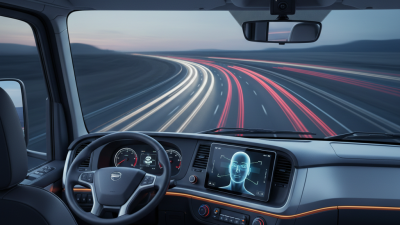
The Truck Blind Spot Detection System focuses on larger vehicles. Trucks have bigger blind spots compared to cars. This makes detection even more crucial. Some systems use both sensors and cameras. Others may alert the driver with audio signals. Despite the improvements, these systems are not foolproof. Drivers must stay vigilant and check their surroundings. Integration of technology is helpful but does not replace the need for cautious driving.
Advantages of Using Blind Spot Detection
Blind Spot Detection Systems have transformed driving safety. They alert drivers about vehicles in their blind spots, reducing accidents. This technology uses sensors to scan the area around a vehicle. When another car enters the blind zone, the system triggers a warning, usually through lights or sounds.
One significant advantage of using such systems is enhanced safety. Drivers can change lanes with confidence, knowing their blind spots are monitored. This minimizes the risk of collisions, especially on busy highways. Another advantage is convenience. The added peace of mind allows drivers to focus more on the road ahead.
**Tip:** Always check your mirrors before changing lanes, even with a blind spot detection system. Technology is a great tool, but human judgment is essential.
Blind spot detection can sometimes malfunction. It's important to remain vigilant and not rely solely on technology. The system’s alerts can fail due to heavy rain or mud-covered sensors. Regular maintenance is also crucial. Be sure to inspect the sensors frequently for optimal performance.
**Tip:** If your system warns you unnecessarily, it might be time for a check-up. Stay informed about your vehicle's technology to use it effectively.
Limitations and Challenges of Blind Spot Detection
Blind Spot Detection Systems have become essential in modern vehicles, enhancing safety during lane changes. However, these systems face limitations that need addressing. Studies indicate that about 14% of vehicle accidents occur due to improper lane changes. This statistic underscores the importance of acknowledging system flaws.
One major challenge is the efficiency of detection in various weather conditions. Rain, fog, or snow can significantly reduce sensor effectiveness. For example, a report from the Insurance Institute for Highway Safety indicates that visibility issues can impede sensor functionality by over 30%. Drivers may still need to use their own judgment, despite having a Vehicle Blind Spot Detection System in place.
Moreover, these systems can generate false alarms. Sensors might mistake stationary objects for vehicles, causing confusion. This issue can lead to over-reliance on technology. A study by a leading automotive research firm showed that nearly 25% of drivers ignore alerts when they become too frequent or misleading. It's clear that while these systems help reduce risks, they are not infallible. Drivers should remain vigilant and engaged, rather than solely depending on advanced technology.
Future Trends in Blind Spot Detection Technology
The future of blind spot detection technology is evolving rapidly. As vehicles become smarter, new advancements are emerging. These systems rely on sensors and cameras. They can detect vehicles or obstacles in blind spots. This enhances safety significantly.
Recent trends focus on integration with AI. By analyzing data from various sources, Bsd Blind Spot Detection System can provide real-time alerts. This helps drivers make informed decisions. Moreover, advancements in machine learning can improve accuracy. As technology progresses, false positives may decrease. But this requires ongoing development and testing.
Some challenges remain, though. Weather conditions can affect sensor performance. Heavy rain or fog can lead to inaccuracies. There’s also the question of user acceptance. Drivers need to trust these systems. If the technology can overcome these hurdles, it could save lives. But continuous feedback is necessary for progress.
Maximizing Safety and Efficiency: Insights from Recent Reports on 77GHz Long Range Detection Technology
The emergence of 77GHz long-range detection technology marks a significant advancement in safety and efficiency within various applications, particularly in the automotive sector. This technology utilizes 77GHz MMIC, ensuring stable and reliable performance. One of the standout features is its ability to simultaneously track up to 128 targets with a maximum detection distance of 240 meters. Such capabilities enable more effective monitoring of surroundings, which is critical for enhancing road safety.
Moreover, this technology is equipped with advanced measurement height functions that allow it to obtain three-dimensional data about detected targets. By implementing the DML super-resolution algorithm, the system achieves high accuracy in angular detection, which is paramount for preventing collisions. Additionally, the integration of advanced processing algorithms supports anti-interference measures, significantly reducing the false alarm rate and thereby increasing the system's reliability. Features such as ACC (Adaptive Cruise Control), AEB (Autonomous Emergency Braking), and FCW (Forward Collision Warning) further highlight the potential of this technology in promoting safer driving experiences.
Lastly, the compact size and cost-effectiveness of domestic radar chips used in this technology reduce barriers to implementation, making it an attractive option for various applications not restricted by weather conditions. This flexibility allows for continuous operation in diverse environments, ensuring that systems equipped with this technology can maintain high levels of performance and safety year-round.
FAQS
: The content aims to inform about specific topics in detail.
You can find the information online or through related resources.
Sharing personal data can be risky. Always consider privacy implications.
Take breaks and revisit the content later. Reflection can help.
Yes, many misunderstand the details. Research helps clear confusion.
Verification is crucial. Misinformation can lead to poor decisions.
Absolutely, emotions can cloud judgment. Stay objective when learning.
Investigate multiple sources. Cross-referencing aids clarity.
Engage with others or discuss topics. Different perspectives enrich knowledge.
It's okay to disagree. Critically assessing viewpoints is beneficial.
Conclusion
A Blind Spot Detection System is an advanced safety feature designed to enhance driver awareness by monitoring areas around the vehicle that are not visible through standard mirrors. This system typically comprises sensors strategically placed around the vehicle, which detect the presence of other vehicles or obstacles in the driver's blind spots. Various types of blind spot detection systems exist, including those that provide visual or auditory alerts to the driver when a vehicle enters the monitored zone.
While these systems significantly improve safety by reducing the risk of lane-change collisions, they are not without limitations. Factors such as weather conditions, sensor obstructions, and false alarms can impact their effectiveness. Looking toward the future, advancements in technology promise to refine blind spot detection systems even further, potentially incorporating artificial intelligence and improved sensor technologies to enhance safety and reliability on the road.

 Front & Rear Parking Assist
 Automatic Parking Assist
 Wade Sensor System
 79GHz Kick Step-on Open System
 79GHz Door Open Warning System
 77GHz Blind Spot Detection
 77GHz Long Range Detection
 60GHz Child Presence Detection
 360 Panoramic Camera
 Driver Fatigue Monitoring System
 Dash Camera
 ADAS Camera
 Streaming Rearview Mirror
 Self Cleaning Camera
 Car Radio
 Infotainment System
 Wireless Charger
 Ultrasonic Sensors System
 4-Image Camera Monitoring System
 Driver Fatigue Monitoring System
 77GHz Blind Spot Detection
 ADAS Camera
 Camera Monitoring System