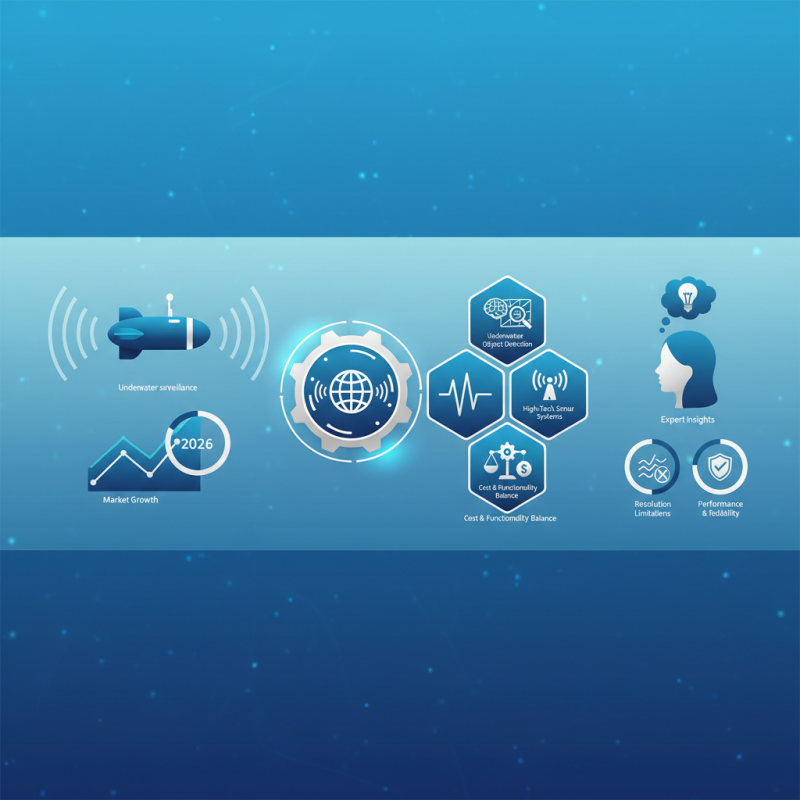
You know, in the ever-changing world of marine exploration and underwater surveillance, there's been a pretty noticeable boom in the demand for advanced Underwater Ultrasonic Radar systems. I recently came across a report from Industry Insights that predicts the global market for these radars will hit about $3.2 billion by 2026. Crazy, right? This really shows just how much companies are relying on high-tech sonar gadgets for all sorts of stuff—like mapping the ocean floors or detecting hidden objects below the surface.
Dr. Emily Carter, who's pretty much recognized as an expert in marine tech, even said, “The future of underwater imaging is really going to depend on new innovations in Underwater Ultrasonic Radar.” Her words make sense because, as this field shifts and grows, companies are scrambling to make their systems better and more reliable. That said, a lot of the current systems still have their bumps—like limited resolution or interference caused by environmental conditions.
As things keep evolving, manufacturers really need to find that sweet spot between price and performance. People looking to buy these systems want something that’s not just fancy but also easy to use and flexible enough for different needs. Being aware of these tricky little details can help them make smarter choices when shopping around. Whether you’re just interested in the latest tech or trying to pick the best radar out there, it’s important to weigh both the exciting advancements and the flaws we still see in today’s models.
Overview of Underwater Ultrasonic Radar Technology
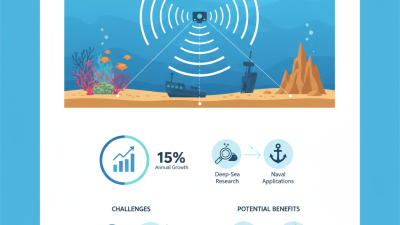
Underwater ultrasonic radar technology is revolutionizing marine exploration. This advanced system uses sound waves to create detailed images of underwater environments. It is essential for surveying seabeds and detecting submerged objects. The radar operates by emitting ultrasonic pulses and analyzing the echoes returned from objects. Users can obtain precise measurements of distance and size.
Tips: When selecting an underwater radar, consider the frequency range. High frequencies can provide better resolution, but their penetration depth is limited. Lower frequencies can reach deeper waters but often result in lower clarity. Balance your needs based on your specific application.
The effectiveness of OEM Underwater Ultrasonic Radar lies in its versatility. It has applications in various fields, including naval defense, environmental monitoring, and underwater archaeology. However, challenges remain. Factors like water temperature and salinity can affect signal quality. Users must regularly calibrate their equipment to ensure accurate readings. Always read user manuals and stay updated on best practices to enhance reliability.
2026 Best Underwater Ultrasonic Radar for Global Buyers
| Model | Frequency (kHz) | Range (meters) | Resolution (cm) | Power Consumption (W) | Weight (kg) |
| Model A | 200 | 150 | 5 | 15 | 10 |
| Model B | 300 | 120 | 4 | 10 | 8 |
| Model C | 400 | 100 | 3 | 12 | 7 |
| Model D | 250 | 130 | 6 | 20 | 12 |
Key Features of the Best Underwater Ultrasonic Radars
When choosing the best underwater ultrasonic radar, several key features stand out. These radars excel in efficiency and accuracy. Look for devices that provide high-resolution imagery. Good models offer real-time data and can detect objects at significant depths. This capability is essential for various applications, including marine research and salvage operations.
Tips: Consider the range of detection. A wider range allows for more comprehensive scanning. Battery life and ease of use also matter. A user-friendly interface can significantly enhance the operational experience.
Durability is another crucial feature. Underwater environments can be harsh. Opt for radars made from robust materials that resist corrosion and pressure. Effective radars should come with strong warranties. This reflects the manufacturer's confidence in their product. Some buyers often overlook these factors during their purchase.
Lastly, evaluate the level of customer support from suppliers. Reliable manufacturers offer guidance and technical assistance. This ensures users can maximize their radar's potential. Exploring Wholesale Underwater Ultrasonic Radar options might yield better deals and quality. Investing in the right features enhances performance, making the radar a valuable asset.
Top Brands and Manufacturers in the Ultrasonic Radar Market
The underwater ultrasonic radar market is growing rapidly. According to a recent industry report, global demand for such technology is expected to reach USD 5 billion by 2026. This growth is driven by advancements in sonar technology and increasing applications in oceanography, fishing, and defense sectors.
Top brands in this space are constantly innovating. They invest heavily in research and development to enhance performance metrics. Many products now feature advanced signal processing capabilities, allowing for better interpretation of underwater data. However, not all brands meet these high standards. Some devices may lack robustness in challenging conditions. Buyers must remain vigilant and assess product specifications carefully.
Moreover, the reliability of ultrasonic radars varies widely across the market. Factors like calibration, environmental interference, and user expertise play significant roles. It's important for users to understand their unique needs, as not all radars will suit every application. Industry professionals emphasize the importance of field testing and verification before making a purchase. In this evolving landscape, informed choices lead to better outcomes.
Comparative Analysis of 2026 Ultrasonic Radar Models
In the realm of underwater technology, 2026 promises significant advancements in ultrasonic radar systems. A comparative analysis reveals that various models have unique strengths and weaknesses. Buyers need to evaluate features such as detection range and resolution carefully. Each product reflects different design philosophies and target user needs, which can complicate the decision-making process.
Battery life is another critical factor. Some models offer impressive durations, while others may fall short in sustained usage. Users often express frustration when models fail to meet real-world performance expectations. The accuracy of depth measurement can vary significantly across different ODM Underwater Ultrasonic Radar products. This inconsistency can impact safety and efficiency during underwater operations.
Cost-effectiveness also presents a challenge. Higher-priced models often claim superior features, yet that doesn’t always correlate with user satisfaction. Many buyers report that mid-range options can provide reliable performance without the premium price tag. The decision becomes not just about data but about trust in the technology and its real-life applications. This market landscape invites reflection and careful analysis before making a final choice.
2026 Best Underwater Ultrasonic Radar Models Comparison
Factors to Consider When Purchasing Underwater Ultrasonic Radar
When considering the purchase of underwater ultrasonic radar, several factors play a crucial role. First, the frequency range is vital. Typically, ultrasonic radars operate between 1 MHz and 10 MHz. Higher frequencies yield better resolution but have shorter ranges. A professional report by the International Journal of Ocean Technology indicates that lower frequencies can penetrate deeper but may not capture fine details effectively.
Another important factor is the power output. The efficiency of underwater radars significantly depends on their power levels. Devices with higher output can detect objects at greater depths. However, they may also generate more noise, complicating the data interpretation process. Data from the Marine Technology Society suggests that a balance must be struck between depth range and signal clarity to optimize performance.
Environmental conditions should also be considered. Factors such as salinity, temperature, and sediment type can affect signal propagation. A study by the Oceanographic Society highlights that radars may require calibration for specific environments. Understanding these variables is crucial for accurate readings. Users should reflect on their specific needs and scenarios to ensure optimal radar selection.
Applications of Underwater Ultrasonic Radar in Various Industries
Underwater ultrasonic radar technology plays a vital role in different industries. It is used in marine research, navigation, and environmental monitoring. These systems can detect objects and map underwater landscapes. They help in ensuring safety for vessels and divers.
In the fishing industry, this technology aids in locating fish schools. Fishermen can maximize their catch while minimizing effort. This can lead to more sustainable practices. Accurate data helps prevent overfishing. Yet, users must remain cautious about the environmental impact of their activities.
Tips: Always verify the credibility of your Underwater Ultrasonic Radar Supplier. Check for user reviews and case studies. This ensures that you invest in reliable technology. Regular maintenance is also crucial. Proper upkeep can extend the lifespan of your equipment.
Environmental monitoring uses this radar for mapping habitats. It can indicate changes in underwater ecosystems. This is important for conservation efforts. However, data interpretation can vary. Users must be trained to analyze results correctly. Misinterpretations can lead to misguided strategies. The technology offers potential but requires thoughtful use.
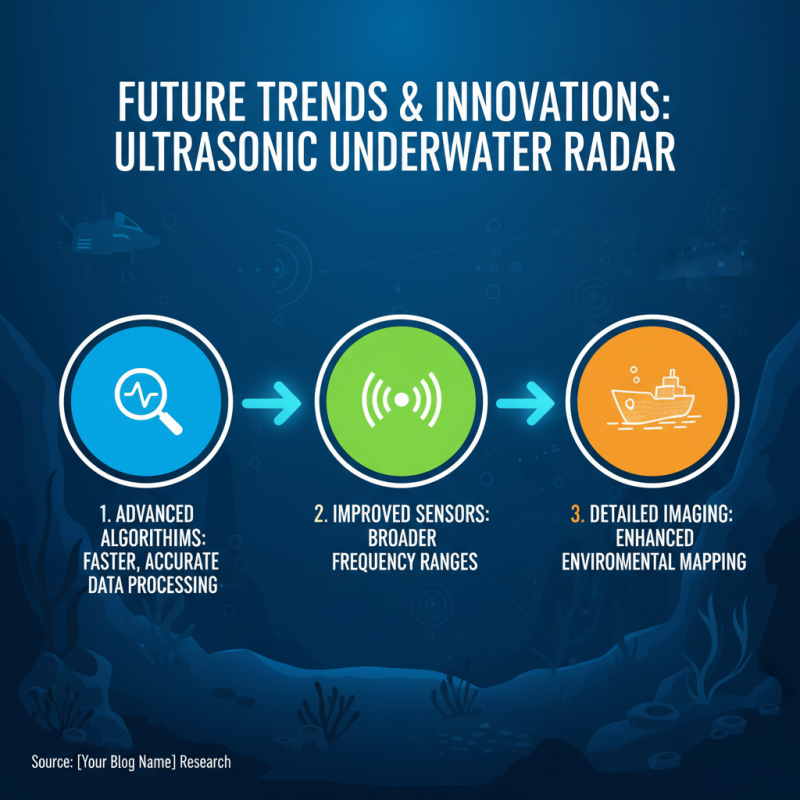
Future Trends and Innovations in Ultrasonic Radar Technology
The future of underwater ultrasonic radar technology promises exciting advancements. As industries increasingly rely on precise underwater exploration, innovations are emerging rapidly. New algorithms are enhancing data processing capabilities. This results in faster and more accurate readings. Improved sensors with better frequency ranges allow for more detailed imaging of underwater environments.
Emerging trends indicate a shift towards smaller, more versatile devices. These compact radars can be deployed in various applications, from marine conservation to underwater construction. Their ability to operate in challenging conditions is a significant leap forward. However, as technology evolves, there are concerns. Data privacy and security could be compromised with increased connectivity. Moreover, developing nations may struggle to access these advancements, creating a technological gap.
Collaboration between researchers and industries is crucial. Sharing knowledge and resources can lead to broader applications of this technology. It is essential to ensure sustainability as new technologies are integrated. With the right approach, ultrasonic radar technology can enhance underwater exploration and protection efforts significantly. The journey ahead is promising but requires vigilant consideration of ethical implications and equitable access.
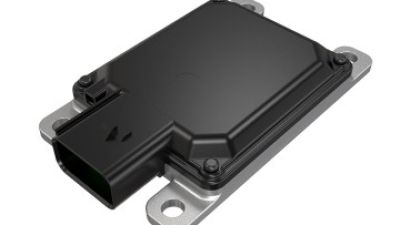
Innovative Safety Solutions: Exploring the Benefits of 77GHz Microwave Radar in Blind Spot Detection Systems
The integration of 77GHz microwave radar technology in Blind Spot Detection systems is revolutionizing vehicle safety features, providing unprecedented accuracy and reliability. As vehicles continue to evolve with advanced driver-assistance systems (ADAS), the demand for effective blind spot detection solutions becomes paramount. Utilizing the capabilities of 77GHz radar not only enhances the detection range, achieving a maximum of 90 meters, but also ensures a rapid target update rate of 40 milliseconds. This advanced performance facilitates timely responses to potential hazards, significantly mitigating collision risks.
Recent industry reports highlight that the adoption of high-frequency radar systems is pivotal, with a detection accuracy reaching an impressive 99.5%. Such precision is critical for ensuring driver awareness in complex driving environments, particularly in urban settings where blind spots can lead to serious accidents. Additionally, this technology complies with AEC-Q100 standards, making it suitable for automotive applications, and boasts an IP67 rating, indicating robust protection against environmental conditions.
As the automotive industry gravitates toward increased safety measures, the deployment of 77GHz microwave radar in systems such as Lane Change Assistance (LCA), Blind Spot Detection (BSD), and Rear Traffic Collision Avoidance (RTCA) is becoming standard. With these innovative solutions, manufacturers can enhance vehicle safety profiles, providing drivers with a reliable means to navigate and react to their surroundings, thus promoting a safer driving experience overall.
FAQS
: Advancements in sonar technology and applications in oceanography, fishing, and defense are key growth factors.
Field testing and verification are essential for informed choices, emphasizing the need to assess devices in real scenarios.
Different models offer varying strengths; users must evaluate features based on their unique operational needs.
Battery life affects usability; some models may not meet expectations during prolonged use, causing user frustration.
Higher prices don’t guarantee satisfaction; mid-range models may provide reliable performance at a better cost.
Factors like salinity and temperature can impact signal clarity, making calibration essential for specific environments.
Higher frequencies yield better resolution but shorter ranges; understanding this trade-off is crucial for effective use.
Inconsistencies in depth measurement can affect safety and efficiency during underwater operations, leading to trust issues.
Higher power can detect deeper objects but may introduce noise, complicating data interpretation and overall clarity.
Users must consider their specific needs and scenarios, ensuring the radar selected will meet expected conditions.
Conclusion
The article titled "2026 Best Underwater Ultrasonic Radar for Global Buyers" provides an in-depth exploration of underwater ultrasonic radar technology, highlighting its key features and the factors to consider when making a purchase. It discusses the advancements in the industry and evaluates various models available in 2026, comparing their functionalities and performance metrics to help potential buyers make informed decisions.
Additionally, the article examines the diverse applications of underwater ultrasonic radar across multiple industries, showcasing its significance in marine exploration, environmental monitoring, and underwater construction. As technology evolves, the article also touches upon future trends and innovations that could shape the development of underwater ultrasonic radar, ensuring it meets the growing demands of users worldwide.

 Front & Rear Parking Assist
 Automatic Parking Assist
 Wade Sensor System
 79GHz Kick Step-on Open System
 79GHz Door Open Warning System
 77GHz Blind Spot Detection
 77GHz Long Range Detection
 60GHz Child Presence Detection
 360 Panoramic Camera
 Driver Fatigue Monitoring System
 Dash Camera
 ADAS Camera
 Streaming Rearview Mirror
 Self Cleaning Camera
 Car Radio
 Infotainment System
 Wireless Charger
 Ultrasonic Sensors System
 4-Image Camera Monitoring System
 Driver Fatigue Monitoring System
 77GHz Blind Spot Detection
 ADAS Camera
 Camera Monitoring System