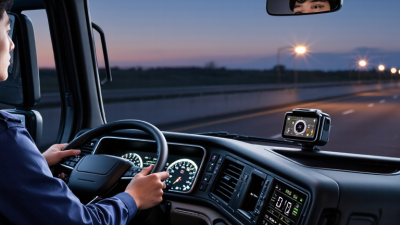
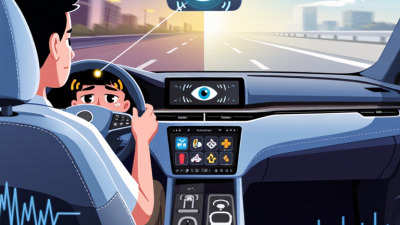
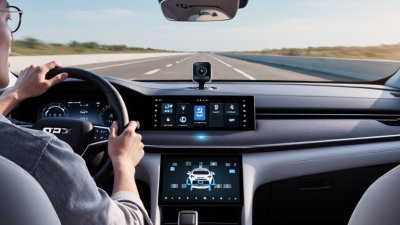
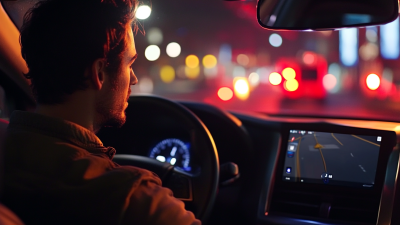
So, what exactly is a top-notch Drowsy Driver Detection System? Well, it’s not just about watching a driver’s eyes—these systems go deeper. They look at things like how often someone blinks, whether their eyelids are closing for too long, the way they're holding their head, and even how they’re steering or drifting within a lane. Some of them even keep an eye on facial orientation and how driving patterns might be changing. The main idea? Catch those early signs of tiredness before a driver makes a risky mistake.
Bryan Reimer, who researches Driver Monitoring at MIT’s AgeLab, explains it pretty well: “Drowsiness isn’t just a yes-or-no thing; it sneaks up gradually and can fluctuate.” That’s a crucial point because sometimes a driver might seem alert but is actually missing road signs or veering in their lane. It’s not all about the obvious yawns—these tiny signs matter too.
Companies like Seeing Machines, Smart Eye, and Cipia have created systems for passenger cars, fleets, and commercial vehicles. They typically combine cameras, smart algorithms, and warning signals. But what counts as “top” really depends on what you need. A fleet manager might prioritize reliable alerts and detailed driver reports, while a regular car owner probably wants something quick to set up and with fewer false alarms.
But let’s be clear—nothing’s perfect. Bright sunlight can mess with cameras, and sunglasses don’t help matters. Plus, different drivers may respond differently to alerts—some might ignore them altogether. That’s why it’s so important to have proper testing. Independent reviews, transparent performance stats, and responsible handling of data add a lot of trust. Honestly, I think a fancy demo on a dashboard doesn’t mean much without long-term road testing. The best Drowsy Driver Detection System should support human judgment rather than trying to replace it entirely.
Definition and Purpose of a Drowsy Driver Detection System
What Is the Top Drowsy Driver Detection System?
A drowsy driver detection system identifies signs of reduced alertness while a vehicle is moving. It may monitor eyelid closure, blink duration, head position, steering corrections, and lane movement. The purpose is practical: detect fatigue early and provide a timely warning before attention declines further. It is not a camera alone. A reliable system combines several signals and evaluates changes over time.
The safety need is substantial. The U.S. National Highway Traffic Safety Administration reported 684 deaths involving drowsy driving in 2021. NHTSA also warns that official figures likely understate the problem because fatigue is difficult to confirm after a crash. A AAA Foundation study estimated that drowsy driving contributed to approximately 16.5% of fatal crashes. These figures support earlier intervention, especially during night driving, long highway journeys, and monotonous traffic.
An OEM Drowsy Driver Detection System should work quietly inside the vehicle. A dashboard alert may appear after repeated lane drift, while a stronger warning can follow prolonged eye closure. The system should account for sunglasses, shadows, facial differences, and poor road markings. No sensor is perfect. False alerts can frustrate drivers, yet missed warnings carry greater risk. Clear testing, calibrated thresholds, and human-factors research remain essential. Sometimes, the best response is simple: advise the driver to stop, leave the seat, and rest.
How Drowsiness Detection Technology Works
What Is the Top Drowsy Driver Detection System?
How Drowsiness Detection Technology Works
Drowsy driving remains difficult to measure because many crashes go unreported. NHTSA’s Traffic Safety Facts 2021 recorded 684 deaths involving drowsy driving. The AAA Foundation estimated 328,000 related crashes annually in the United States. These figures show why detection technology matters.
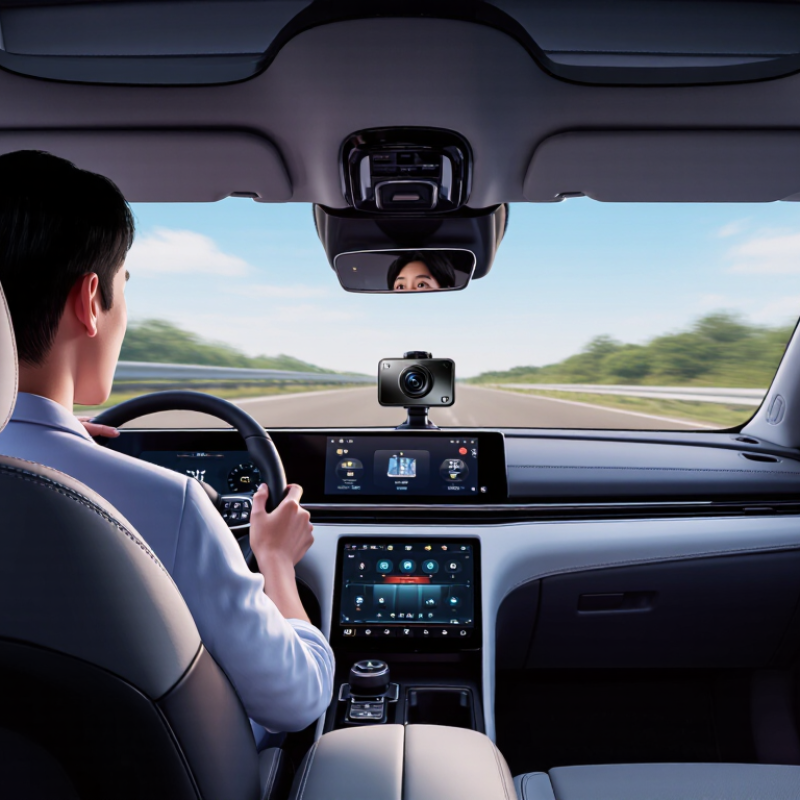
A modern system uses an infrared cabin camera to observe blinking, eyelid closure, gaze direction, and head position. Software tracks these signs across several seconds. It also studies steering corrections, lane movement, speed changes, and driving duration. When several warning signals appear together, the system issues a dashboard alert, seat vibration, or audible warning. A Wholesale Drowsy Driver Detection System may combine camera data with vehicle motion sensors for stronger accuracy. Still, no system is flawless. Sunglasses, poor lighting, unusual facial movement, or an obstructed camera can reduce confidence. Human review remains important.
Tips: Keep the camera area clean and unobstructed. Treat repeated alerts seriously, even when you feel capable of continuing. The safest response is stopping in a secure place for fresh air, water, or sleep. Caffeine can delay fatigue, but it cannot replace rest. Operators should also review alert records regularly. That practical step can reveal risky routes, late shifts, or recurring fatigue patterns. The technology helps, but honest driver feedback improves it.
What Is the Top Drowsy Driver Detection System?
The most effective approach is usually a multimodal system that combines camera-based facial analysis with vehicle-behavior and physiological signals. The chart shows representative sampling rates commonly used by these detection inputs.
Camera systems commonly analyze eyelid closure, blink duration, yawning, and head position at video frame rates. Vehicle signals such as steering behavior and lane position are typically sampled several times per second, while heart-rate signals are generally updated more slowly.
Key Sensors and Warning Mechanisms
What Is the Top Drowsy Driver Detection System?
Key Sensors and Warning Mechanisms
The strongest drowsy driver detection systems combine several sensors instead of trusting one signal. An infrared cabin camera tracks eyelid closure, blink duration, gaze direction, and head movement. Steering sensors detect repeated corrections, delayed reactions, or unusual wandering. Lane-position data adds context when the vehicle drifts without signaling.
The numbers explain the need. The National Highway Traffic Safety Administration reported 684 U.S. deaths involving drowsy driving in 2021. However, the agency also notes that fatigue-related crashes are difficult to identify. The AAA Foundation for Traffic Safety estimated that drowsiness contributed to about 328,000 crashes annually in its naturalistic driving research. Self-reported fatigue remains an imperfect measurement.
Warning design matters as much as detection. A system may first show a coffee-cup symbol or dashboard message. If risk continues, it can add a clear chime, steering-wheel vibration, or seat vibration. Stronger alerts should arrive before lane departure becomes severe. The cabin camera must also handle sunglasses, shadows, facial hair, and nighttime conditions. It will make mistakes.
Good systems allow driver correction. A false alarm on a winding road can reduce trust quickly. Sensor fusion, adjustable sensitivity, and event logging help engineers review those failures. Privacy controls are equally important, especially when interior images or biometric signals are processed. The best design is not the loudest warning. It is the most timely, understandable, and appropriately cautious response.
Criteria for Comparing Leading Detection Systems
What Is the Top Drowsy Driver Detection System?
Comparing leading detection systems requires more than checking alert speed. The AAA Foundation for Traffic Safety estimated that drowsy driving causes about 328,000 crashes, 109,000 injuries, and 6,400 deaths annually. NHTSA reported 684 drowsy-driving-related fatalities in 2021, while noting that these incidents are often underreported. These figures make measurement quality a safety requirement, not a marketing detail.
A strong system should monitor eyelid closure, blink duration, gaze direction, head position, and steering behavior. It must work at night, under sunglasses, and with changing sunlight. Test the alert delay. Test false alarms, too. An ODM Drowsy Driver Detection System should process critical signals locally, limit unnecessary data transfer, and support clear privacy controls. Independent validation matters more than laboratory demonstrations. Look for documented sample sizes, diverse drivers, repeatable testing methods, and performance results across weather and cabin conditions.
Integration also deserves careful review. The system should connect reliably with vehicle displays, seat vibration, or audio alerts without distracting the driver. Cybersecurity, software update procedures, and functional-safety documentation reveal engineering maturity. Yet no sensor is perfect. A tired driver may appear attentive for several seconds, and a camera may misread unusual posture. That uncomfortable limitation should remain visible in procurement decisions. Performance should be reviewed after installation, using anonymized event logs and driver feedback.
Benefits and Limitations in Real-World Driving
Drowsy driving remains a measurable road safety problem. The National Highway Traffic Safety Administration recorded 684 deaths involving drowsy driving crashes in 2021. The AAA Foundation for Traffic Safety estimated about 328,000 related crashes annually. These figures suggest that fatigue detection deserves practical attention, not just marketing interest.
A modern Drowsy Driver Detection System monitors eyelid closure, blink frequency, head position, steering corrections, and lane movement. An infrared camera can watch a driver at night, while steering data reveals delayed reactions. A warning may sound when the driver repeatedly looks down or drifts across a lane line. In real driving, this could help during a monotonous 3 a.m. highway journey. It supports earlier rest decisions. It does not replace them.
Limitations become clear inside an actual vehicle. Sunglasses, masks, poor camera placement, harsh sunlight, and passengers can reduce accuracy. Some systems may confuse concentration with fatigue, causing irritating alerts. Others may react too slowly on winding roads. Data handling also requires careful controls, especially when facial or behavioral information is stored. A responsible Drowsy Driver Detection System Supplier should provide independent testing, false-alert rates, environmental performance data, and clear calibration procedures. Buyers should question impressive accuracy claims without test conditions. The technology is useful, but imperfect. That weakness deserves honest evaluation.
Installation, Maintenance, and Driver Privacy Considerations
What Is the Top Drowsy Driver Detection System?
A top drowsy driver detection system should be practical to install, not merely impressive in a product demonstration. A trained technician should mount the camera near the steering column or instrument panel. The lens needs a clear view of the driver’s eyes and face. Strong sunlight, sunglasses, masks, and loose dashboard items can reduce accuracy. Wiring should remain secured, hidden, and away from pedals or airbags. A short road test helps confirm reliable alerts during daytime and nighttime driving.
Maintenance requires more than wiping the camera occasionally. Dust, fingerprints, and dashboard vibrations can affect detection quality. Inspect the lens, wiring, mounts, and alert speaker during scheduled vehicle checks. Software updates should come from a verified source and follow documented testing procedures. Fleet managers should record false alerts, missed warnings, and changing cabin conditions. These records reveal problems that a simple status light may hide. Still, no system is perfect. Drivers may become distracted by frequent warnings, so alert settings need careful adjustment.
Driver privacy deserves equal attention. The system should collect only information necessary for fatigue detection. Clear notices should explain what is captured, where it is stored, and who can access it. If video is processed inside the vehicle, unnecessary footage may never leave the device. Retention periods should be short and transparent. Access logs and strong account controls can reduce misuse. Drivers should have a practical way to ask questions or report concerns. Trust can weaken quickly when monitoring feels secretive.
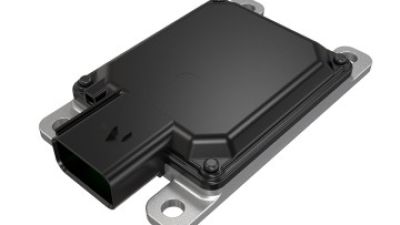
Smarter Road Safety: How 77GHz Microwave Radar Blind Spot Detection Protects Every Drive
77GHz microwave radar blind spot detection brings a smarter layer of protection to everyday driving. By continuously monitoring adjacent lanes and rear-side areas, the system supports Lane Change Assist (LCA) and Blind Spot Detection (BSD), helping drivers recognize vehicles that may be hidden from mirrors. With a maximum detection range of 90 meters or more, target updates within 40 milliseconds, and detection accuracy of up to 99.5%, it can deliver timely, reliable awareness in fast-changing traffic conditions.
Beyond lane changes, the radar also supports Rear Cross Traffic Alert (RCTA) and Rear Collision Warning (RCW), providing valuable assistance when reversing or approaching vehicles from behind. Built with an automotive-grade 77GHz processor and RF solution, the system meets AEC-Q100 reliability requirements and features an IP67-rated enclosure for protection against dust and water. Compact, responsive, and designed for demanding road environments, it helps turn advanced sensing into safer, more confident journeys.
FAQS
It combines camera, steering, and lane-position data. One signal is rarely enough.
It can notice long eye closure, delayed reactions, repeated steering corrections, and drifting lanes.
A dashboard symbol or message can appear first.
It should be tested during darkness, strong sunlight, and changing shadows.
Review alert delay, false alarms, missed warnings, and performance across weather conditions.
The camera needs a clear view near the steering column or instrument panel.
Clean fingerprints and dust from the lens during scheduled checks. Inspect mounts, wiring, speakers, and software updates.
Collect only information needed for fatigue detection. Explain what is captured, stored, and accessed.
Conclusion
A Drowsy Driver Detection System is designed to identify signs of fatigue and alert drivers before reduced attention leads to a dangerous situation. It typically analyzes indicators such as eye closure, blinking patterns, head position, steering behavior, lane movement, and driving duration. Using cameras, steering sensors, vehicle motion data, or a combination of these technologies, the system evaluates changing behavior and provides warnings through sounds, dashboard messages, seat vibrations, or other noticeable alerts.
When comparing detection systems, important criteria include accuracy, response speed, performance in different lighting and weather conditions, ease of installation, compatibility with the vehicle, and the ability to minimize false alarms. These systems can improve driver awareness and encourage timely breaks, but they are not a replacement for adequate sleep or responsible driving. Regular maintenance, sensor calibration, and clean camera areas are essential for reliable operation. Privacy should also be considered, especially regarding how driver images, behavior data, and alerts are collected, stored, and protected.

 Front & Rear Parking Assist
 Automatic Parking Assist
 Wade Sensor System
 79GHz Kick Step-on Open System
 79GHz Door Open Warning System
 77GHz Blind Spot Detection
 77GHz Long Range Detection
 60GHz Child Presence Detection
 360 Panoramic Camera
 Driver Fatigue Monitoring System
 Dash Camera
 ADAS Camera
 Streaming Rearview Mirror
 Self Cleaning Camera
 Car Radio
 Infotainment System
 Wireless Charger
 Ultrasonic Sensors System
 4-Image Camera Monitoring System
 Driver Fatigue Monitoring System
 77GHz Blind Spot Detection
 ADAS Camera
 Camera Monitoring System