Hey, in today’s super busy world, keeping our roads safe is more important than ever. One of the biggest dangers out there is drowsy driving—yeah, driving when you're really tired can be a total nightmare. Fatigue messes with your judgment and reaction times, making accidents way more likely. The truth is, sleep deprivation can seriously mess up a driver’s ability to stay alert. We really need to look into better ways to tackle this problem, right?
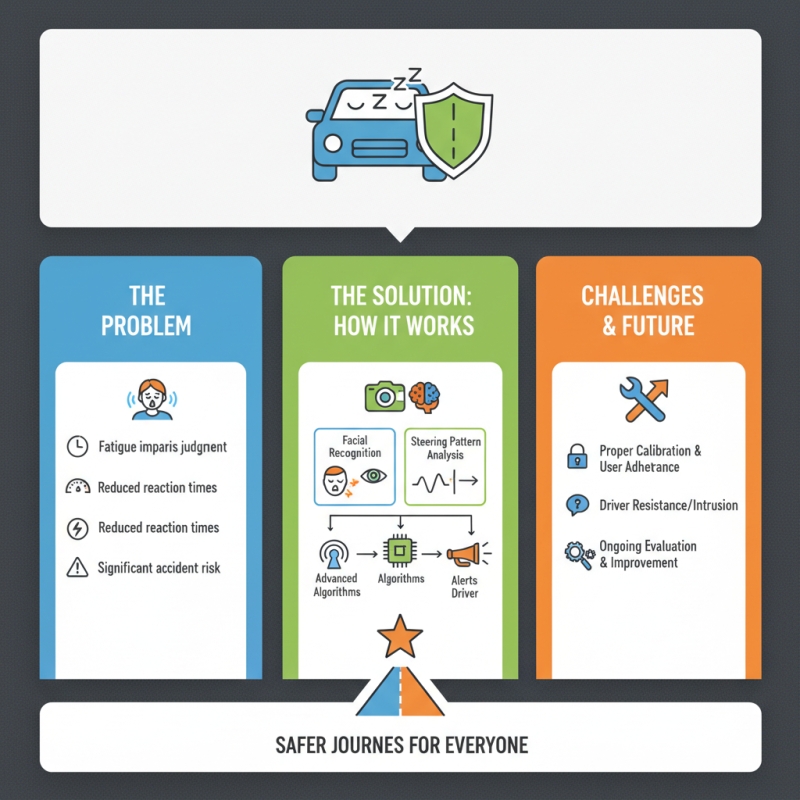
That’s where drowsy driver detection systems come into play. These tech solutions have become pretty promising. Companies specializing in fatigue management have come up with some pretty innovative systems that monitor Driver Alertness using all sorts of sensors and smart algorithms. The idea is to catch signs of drowsiness before it’s too late and avoid accidents. Features like facial recognition or analyzing how you steer definitely help make these tools more effective.
Of course, they’re not perfect—nothing is. For these systems to really do their thing, they need to be set up correctly, and drivers have to actually use them consistently. Some folks might see these systems as a bit invasive or annoying, making them hesitant to fully embrace the tech. That’s why ongoing tweaks, research, and user feedback are so important. We’ve gotta keep improving these tools to make sure everyone gets to their destination safely, every time.
Overview of Drowsy Driver Detection Systems
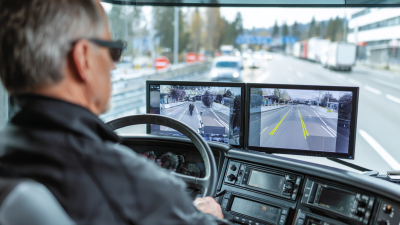
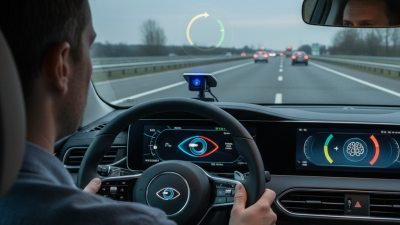
Drowsy driving is a significant safety concern. Many drivers underestimate fatigue. Drowsy driver detection systems address this issue effectively. These systems utilize cameras and sensors to monitor driver behavior. They can detect signs of drowsiness. When fatigue is detected, alerts can help prevent accidents.
Tips: Keep your eyes on the road. Avoid using phones while driving. Regular breaks during long trips can help you stay alert. Fatigue can hit suddenly. A moment of inattention can lead to disaster.
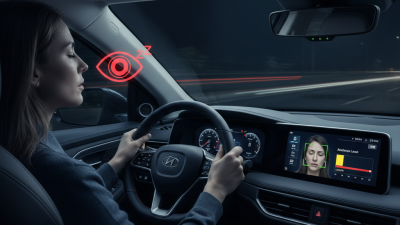
The technology behind these systems varies. Some utilize facial recognition to track eye movements. Others use steering patterns as indicators. The OEM Drowsy Driver Detection System can provide real-time monitoring. The integration of these technologies into vehicles aims to enhance safety. However, these systems are not foolproof. Drivers still need to be proactive about their well-being. Consistent rest and awareness are crucial components of safe driving.
Importance of Drowsy Driving Detection for Road Safety
Drowsy driving remains a significant threat on the road. According to the National Highway Traffic Safety Administration (NHTSA), drowsy driving is involved in over 100,000 crashes each year. These incidents result in approximately 71,000 injuries and 6,000 fatalities. Fatigue impairs cognitive function, reaction time, and decision-making, making it vital to detect and mitigate drowsy driving effectively.
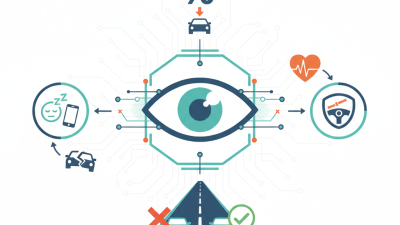
Detection systems now use advanced technologies to monitor behaviors indicative of drowsiness. For example, eye-tracking systems observe blink rates and the duration of eye closures. In contrast, steering patterns can also signal fatigue. Reports from the Insurance Institute for Highway Safety highlight a 20% reduction in accidents when detection systems are employed. Many companies are exploring the benefits of a Wholesale Drowsy Driver Detection System to expand their safety measures.
The implementation of these systems is essential. Yet, it is not foolproof. Systems can occasionally produce false positives or negatives. This uncertainty emphasizes the need for continuous improvements in technology and further education for drivers about drowsy driving risks. Reliable data and testing are crucial for developing effective solutions. As road safety continues to demand innovation, the role of drowsy driver detection systems cannot be underestimated.
Types of Drowsy Driver Detection Technologies
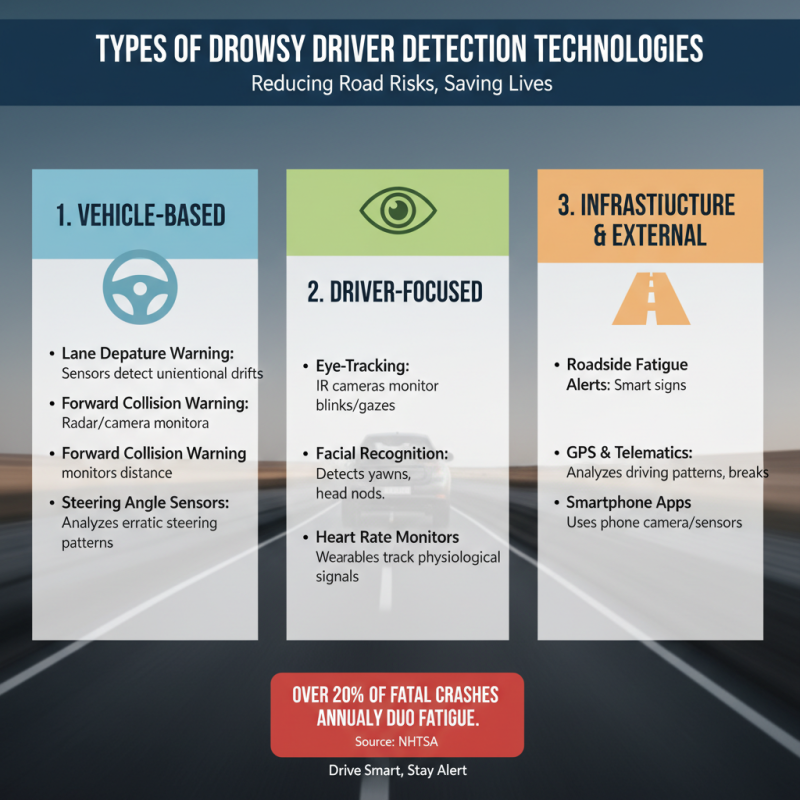
Drowsy driving poses significant risks on the roads. According to the National Highway Traffic Safety Administration, fatigue accounted for over 20% of fatal crashes annually. This alarming statistic highlights the urgent need for effective detection systems. Various technologies are available to address this issue, each with unique strengths and weaknesses.
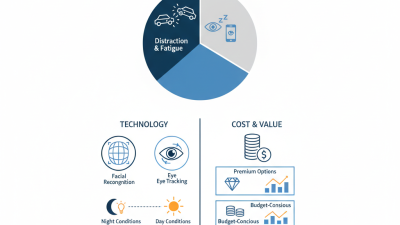
Camera-based systems use facial recognition technology to monitor the driver's alertness. They analyze eye movements and blink rates. Studies show that these systems can reduce accidents by up to 30%. However, they can struggle in low-light conditions. It’s crucial for drivers to be aware of these limitations.
On the other hand, steering monitoring systems track driving patterns. These systems analyze steering wheel movements for irregularities. When a driver becomes drowsy, the system issues alerts. Reports indicate these systems can detect drowsiness with 85% accuracy. Nevertheless, they rely heavily on the driver’s interaction, raising questions about effectiveness.
The ODM Drowsy Driver Detection System highlights the potential of integrating multiple detection technologies. Using more than one method may provide a more reliable solution. This combination approach may be the key to enhancing road safety. The journey toward zero drowsy driving incidents continues, with ongoing research and innovation in detection systems.
How Drowsy Driver Detection Systems Work
Drowsy driver detection systems are essential for increasing road safety. These systems use a combination of cameras and sensors to monitor driver behavior. They analyze patterns such as eye movements and head position to identify signs of drowsiness. According to the National Highway Traffic Safety Administration (NHTSA), drowsy driving accounts for approximately 20% of all fatal crashes in the U.S. This statistic emphasizes the urgent need for effective detection technologies.
When a driver shows signs of fatigue, these systems alert them through audio or visual signals. This immediate feedback is crucial. A study from the AAA Foundation for Traffic Safety found that 37% of drivers have fallen asleep at the wheel at some point. Such data underscores the importance of proactive measures. Despite advancements, many systems still face challenges in accurately distinguishing between drowsiness and inattention.
Implementing these systems can significantly reduce accidents. However, effectiveness relies heavily on proper calibration and real-time data analysis. Some systems may misinterpret fatigue for simple distractions, which can lead to false alarms. Continuous improvements in machine learning algorithms are necessary to enhance accuracy. The industry must ensure that these systems are reliable and provide clear guidance to drivers.
Evaluating the Effectiveness of Detection Systems
Drowsy driving poses a significant threat on the roads. According to the National Highway Traffic Safety Administration (NHTSA), around 100,000 crashes result from drowsy driving each year in the U.S. This equates to about 800 fatalities and 44,000 injuries. To combat this issue, driver detection systems have emerged as vital tools.
Evaluating the effectiveness of these systems reveals a mixed picture. Many systems rely on facial recognition and eye-tracking technology to gauge alertness levels. However, the accuracy can vary based on environmental conditions. For instance, systems may struggle in low-light situations or when drivers wear sunglasses. It’s crucial to analyze the algorithms and data behind these systems to understand their limitations and reliability.
Tip: Regularly review how different detection systems perform under various conditions. Understanding their strengths and weaknesses can help in selecting the right technology.
Moreover, some systems may provide false alarms or miss signs of fatigue, leading to what could be termed 'alert fatigue'. Drivers might ignore warnings if they feel they are being alerted too frequently. An effective detection system must balance sensitivity and specificity. Continuous research is essential to improve these systems and enhance overall road safety.
Tip: Engage with ongoing studies in this field. Staying updated on new developments and technologies can help consumers make informed decisions.
Emerging Trends in Driver Sleepiness Monitoring
Driver sleepiness monitoring is becoming essential for road safety. The rise of advanced technology provides innovative solutions. These systems use a mix of sensors and algorithms to detect drowsiness. For instance, cameras can track eye movement and facial expressions. Sensors can monitor steering patterns and vehicle control. These data points help assess driver alertness in real time.
Emerging trends also highlight the integration of artificial intelligence. AI algorithms can learn and adapt to individual driving habits. They can analyze patterns over time and detect subtle changes in behavior. Moreover, wearable devices are gaining popularity. These small gadgets can monitor physiological signals like heart rate and even skin temperature. The goal is to provide early warnings to prevent accidents.
Despite these advancements, challenges remain. Variability in human responses can affect system accuracy. Not all drivers react the same way to fatigue. There’s also the risk of over-reliance on technology. Drivers may ignore their own signs of sleepiness. Continuous research is crucial to enable reliable detection systems. Investing in better monitoring can lead to safer roads for everyone.
Challenges and Future Directions in Drowsy Driving Prevention
Drowsy driving remains a significant concern for road safety. The National Highway Traffic Safety Administration (NHTSA) reports that fatigue contributes to nearly 20% of crashes. This troubling statistic highlights the urgent need for effective drowsy driver detection systems. While advancements exist, there are still challenges to overcome.
Innovative technologies are crucial, yet many systems lack accuracy and reliability. Researchers are exploring various methods, including biometric sensors and machine learning algorithms. However, these solutions can be expensive. A recent industry report suggests that many smaller firms struggle to implement these technologies effectively.
This gap raises questions about accessibility and cost-effectiveness in the marketplace.
To enhance safety, users must be educated on signs of drowsiness. Monitoring personal alertness and taking regular breaks is vital. Implementing a Drowsy Driver Detection System can aid in this; systems can alert drivers in real-time and prevent impending accidents.
It's critical to engage with a reputable Drowsy Driver Detection System Supplier. Their expertise can guide the integration of these systems into existing vehicles.
The future direction lies in collaboration among manufacturers, researchers, and policymakers. By sharing data, the industry can address the limitations of current systems and improve overall effectiveness. More studies are necessary to refine detection technologies, ensuring user trust and safety.
Enhancing Child Safety: Insights from Industry Reports on 60GHz Child Presence Detection Technology and Its Impact
In recent years, the safety of children has become a paramount concern, leading to advancements in technology aimed at enhancing child protection. One such innovation is the 60GHz child presence detection technology, which leverages cutting-edge features to monitor the well-being of children in various environments. This technology is particularly effective in detecting critical physiological signs such as breathing and heart rate, providing invaluable peace of mind to parents and caregivers.
The detection capabilities of this technology are noteworthy, with a resolution of less than 0.06 meters and an accuracy within 1 centimeter, ensuring precise monitoring. This high level of accuracy is essential in scenarios where even the slightest movement could indicate a child's safety status. The system boasts a maximum detection range of 10 meters, making it versatile for both indoor and outdoor settings, while minimizing blind spots to just 0.1 meters. Such specifications highlight the device’s effectiveness in environments where children are at play or being supervised.
Moreover, with a target update rate of 50 milliseconds, the technology can respond swiftly to changes in a child's condition, enabling timely interventions if necessary. Designed to comply with safety standards, this child presence detection solution presents a robust framework for enhancing child safety. As these technologies evolve, they promise to further safeguard young lives while providing reassurance to those responsible for their care.
FAQS
: These systems monitor driver behavior to detect fatigue using cameras and sensors.
They provide alerts when signs of drowsiness are detected, aiming to prevent accidents.
Technologies include facial recognition and monitoring eye movements or steering patterns.
Their accuracy may vary, especially in low-light situations or when drivers wear sunglasses.
It's when drivers ignore warnings due to receiving too many false alarms from the system.
Keeping aware of personal alertness and taking regular breaks can prevent fatigue-related incidents.
Accuracy, reliability, cost, and accessibility for smaller firms are significant challenges in this field.
Engaging with reputable experts can guide proper integration of these systems into vehicles.
Ongoing studies can enhance system performance and bridge gaps in current detection technologies.
Sharing data among manufacturers, researchers, and policymakers can refine detection technologies for better safety.
Conclusion
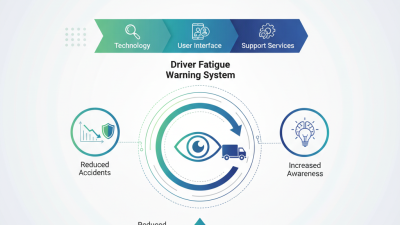
Drowsy Driver Detection Systems play a crucial role in enhancing road safety by monitoring driver alertness and preventing fatigue-related accidents. These systems utilize advanced technologies such as facial recognition, eye tracking, and steering pattern analysis to identify signs of drowsiness in real-time. By integrating these technologies, the systems can provide immediate alerts to drivers, encouraging safer driving practices.
Evaluating the effectiveness of these systems is essential, as it determines how well they can reduce incidents caused by drowsy driving. Emerging trends in driver sleepiness monitoring indicate a shift towards more sophisticated algorithms and biometric sensors. However, challenges remain in terms of widespread adoption and the need for further research to improve reliability and accuracy, ensuring that Drowsy Driver Detection Systems can contribute significantly to safer road environments in the future.

 Front & Rear Parking Assist
 Automatic Parking Assist
 Wade Sensor System
 79GHz Kick Step-on Open System
 79GHz Door Open Warning System
 77GHz Blind Spot Detection
 77GHz Long Range Detection
 60GHz Child Presence Detection
 360 Panoramic Camera
 Driver Fatigue Monitoring System
 Dash Camera
 ADAS Camera
 Streaming Rearview Mirror
 Self Cleaning Camera
 Car Radio
 Infotainment System
 Wireless Charger
 Ultrasonic Sensors System
 4-Image Camera Monitoring System
 Driver Fatigue Monitoring System
 77GHz Blind Spot Detection
 ADAS Camera
 Camera Monitoring System