Front & Rear Parking Assist
 Automatic Parking Assist
 Wade Sensor System
 79GHz Kick Step-on Open System
 79GHz Door Open Warning System
 77GHz Blind Spot Detection
 77GHz Long Range Detection
 60GHz Child Presence Detection
 360 Panoramic Camera
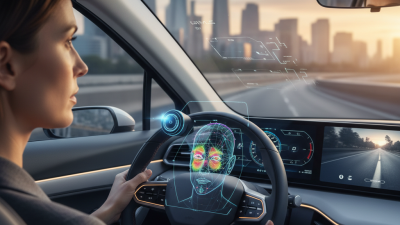
 Driver Fatigue Monitoring System
 Dash Camera
 ADAS Camera
 Streaming Rearview Mirror
 Self Cleaning Camera
 Car Radio
 Infotainment System
 Wireless Charger
 Ultrasonic Sensors System
 4-Image Camera Monitoring System
 Driver Fatigue Monitoring System
 77GHz Blind Spot Detection
 ADAS Camera
 Camera Monitoring System
Leave Your Message
Driver Monitoring has really gone from being a fancy, optional feature to an essential tool for fleet safety. The AAA Foundation for Traffic Safety estimates that drowsy driving played a part in roughly 328,000 crashes across the U.S. in just one year. They also pointed out that fatigue was linked to about 109,000 injuries and 6,400 deaths. Crazy thing is, the real numbers might be even higher because a lot of tired-driving incidents often go unnoticed or underreported.
A good driver monitor can catch things like prolonged eye closure, head drooping, phone use, or other distractions happening behind the wheel. That said, how well it works really depends on factors like camera placement, lighting conditions, how well the software is trained, and how alert systems are designed. According to the Federal Motor Carrier Safety Administration, driver fatigue played a role in around 13% of large truck crashes they studied. That really underscores the need to pay attention to actual driver behavior, not just rely on vehicle tech. A Driver Fatigue Monitor System should warn drivers in time but also avoid annoying false alarms that make people tune out. Drivers deserve helpful feedback, not just flashing lights or constant alerts.
In this guide, I’ve rounded up ten top systems for making fleet operations safer. We’ll look at stuff like how accurate they are at detecting issues, how their dashboards work, whether they record video evidence, how they handle privacy, how tricky installation is, and how well they integrate with other telematics systems. Companies like Samsara, Netradyne, Lytx, and Seeing Machines all have different strengths—no single system is perfect. Sometimes, a product might do great in a controlled test but struggle with things like sunglasses, nighttime driving, or if the camera gets blocked. So, it’s a good idea for fleet managers to check out trial results, listen to driver feedback, and keep an eye on false alarm rates before making a decision. After all, safety gets a serious boost when technology supports skilled drivers and smart management—it’s not about replacing the driver, but helping them do their best.
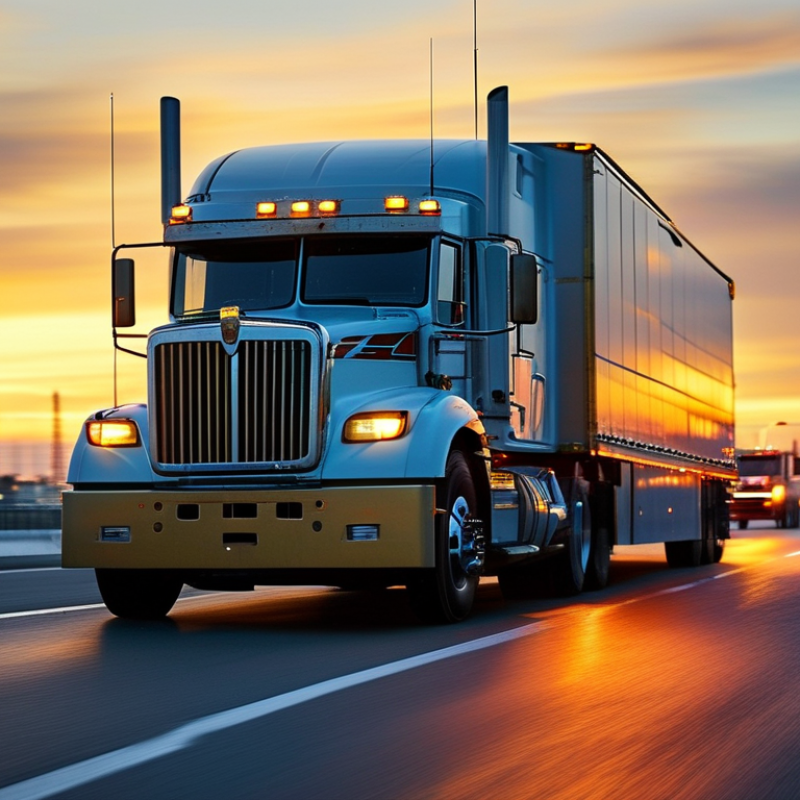
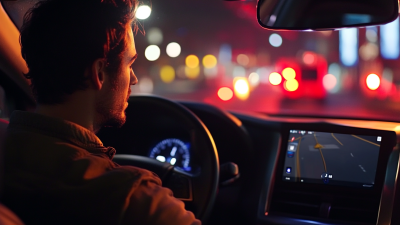
Driver Monitoring Systems observe driving behavior inside the cab. A Driver Attention Monitor can track eyelid closure, head position, gaze direction, and signs of distraction. Some systems also detect phone handling or missing seat-belt use. Alerts may sound immediately, while fleet managers review patterns later.
The need is measurable. The World Health Organization reports about 1.19 million road deaths worldwide each year. In the United States, NHTSA recorded 3,047 distraction-related traffic deaths in 2022. These figures show why driver attention deserves more than occasional training. A camera can flag repeated glances toward a delivery screen at 6:10 a.m. It can also identify fatigue before lane control visibly worsens. That matters.
Fleet value comes from earlier intervention. Supervisors can compare harsh braking, fatigue alerts, routes, and coaching records. The Federal Motor Carrier Safety Administration links fatigue with reduced reaction time and impaired decision-making. Still, technology is not judgment. No sensor is perfect. Sunglasses, poor cabin lighting, or a driver checking mirrors may create false alerts. Fleets should test accuracy, explain monitoring clearly, and protect collected data. Human review remains essential. Mistakes need review, too. A practical program measures fewer risky events, not merely more alerts.
A practical comparison of common driver-monitoring system configurations used to identify distraction, fatigue-related behavior, unsafe phone use, and missed safety procedures. The entries below describe system types rather than companies or brands.
| No. | System Configuration | Primary Monitoring Method | Typical Events Detected | Alert Delivery | Best-Fit Fleet Use | Key Strength | Main Limitation | Privacy Consideration |
|---|---|---|---|---|---|---|---|---|
| 1 | In-Cab Camera-Based DMS | Infrared or visible-light camera observes the driver’s face, eyes, head position, and upper body. | Eye closure, prolonged gaze away from the road, yawning, head pose changes, and distraction. | In-cab audio or visual alerts; optional supervisor notification through a fleet platform. | Long-haul trucks, buses, delivery vehicles, and mixed commercial fleets. | Provides direct behavioral indicators instead of relying only on vehicle movement. | Performance may be affected by camera obstruction, unusual seating positions, face coverings, or poor installation. | High |
| 2 | Steering- and Lane-Behavior System | Analyzes steering inputs, lane position, lane departures, and driving corrections through vehicle sensors or a forward-facing camera. | Unintentional lane departure, erratic correction, weaving, and inconsistent steering. | Audible or haptic in-vehicle warning; event records for later review. | Fleets seeking fatigue indicators without installing a driver-facing camera. | Can operate without recording the driver’s face. | Road geometry, wind, worn lane markings, and vehicle condition can create false alerts. | Low to Moderate |
| 3 | Smartphone Distraction Monitor | Combines a cabin camera, device integration, or vehicle-motion data to identify handheld phone activity while driving. | Handheld calling, texting posture, screen viewing, and phone handling while the vehicle is moving. | Immediate driver warning plus configurable fleet-manager event notification. | Urban delivery, service, courier, and sales fleets with frequent stops and mobile communication. | Targets one of the most preventable forms of driver distraction. | May not reliably distinguish a phone from another handheld object in every condition. | High |
| 4 | Wearable Fatigue-Monitoring System | Uses a wearable device to measure selected physiological or motion-related signals, depending on the device design. | Reduced alertness indicators, unusual inactivity, irregular movement, or fatigue-related patterns. | Wearable vibration, mobile alert, or supervisor notification. | Mining, construction, logistics, and controlled operations where workers already use approved wearables. | Can provide information that is not visible from vehicle behavior alone. | Requires consistent wearing, charging, fit, worker acceptance, and appropriate interpretation. | Very High |
| 5 | Seat- and Steering-Wheel Sensor System | Uses pressure, grip, steering, or vehicle-control sensors to identify changes in driver interaction. | Loss of steering control, unusual grip patterns, reduced interaction, and possible medical or fatigue-related anomalies. | In-vehicle alert, event logging, and optional emergency escalation. | Specialized vehicles, buses, heavy equipment, and fleets requiring discreet monitoring. | Can be integrated into the vehicle without continuously recording video. | Sensor readings may be influenced by gloves, posture, seat adjustments, or vehicle design. | Moderate |
| 6 | Forward-Facing ADAS with Driver Alerts | Uses a road-facing camera and vehicle sensors to identify collision risks, following distance, and lane conditions. | Forward collision risk, unsafe following distance, lane departure, pedestrian risk, and traffic-sign events. | Visual, audible, or haptic warning; optional video clip and event report. | Fleets prioritizing crash prevention and road-risk monitoring. | Improves situational awareness even when direct driver-state monitoring is unavailable. | It infers driver risk from vehicle and road behavior rather than directly measuring alertness. | Low to Moderate |
| 7 | Integrated Dual-Camera Safety System | Combines a driver-facing camera with a forward-facing road camera and event-based recording. | Driver distraction, fatigue indicators, phone use, lane departure, harsh braking, and close following. | Real-time in-cab warning plus centralized fleet-management review. | Large fleets that need both driver coaching and incident evidence. | Connects driver behavior with the external road context surrounding an event. | Requires clear policies for footage access, retention, coaching, and incident investigation. | High |
| 8 | Fleet Telematics Risk-Scoring System | Combines GPS, vehicle data, accelerometer readings, trip history, and configurable safety rules. | Speeding, harsh acceleration, harsh braking, cornering, idling, route deviation, and driving-time patterns. | Dashboard alerts, scorecards, scheduled reports, and coaching workflows. | Fleets needing scalable driver-risk measurement across many vehicle types. | Useful for trend analysis, benchmarking, and targeted safety coaching. | Risk scores depend on sensor accuracy, road context, policy settings, and data interpretation. | Low to Moderate |
| 9 | Fatigue-Risk Scheduling and Hours Monitor | Analyzes duty status, shift length, time of day, rest periods, trip duration, and planned schedules. | Extended shifts, insufficient rest opportunities, night-driving exposure, and schedule-related fatigue risk. | Planner warnings, driver reminders, supervisor alerts, and compliance reports. | Long-haul, passenger transport, emergency response, and operations with complex schedules. | Addresses organizational and scheduling contributors to fatigue before a trip begins. | It estimates risk and does not prove that a driver is currently fatigued or impaired. | Low |
| 10 | AI Video Event-Review System | Uses computer vision to classify selected safety events from driver-facing, road-facing, or multi-camera footage. | Distraction, seat-belt non-use, phone handling, unsafe following, red-light events, and collision precursors. | Real-time warning for supported events; prioritized clips and coaching queues for managers. | Fleets with high event volumes that need automated review and consistent coaching. | Reduces manual video review by focusing attention on defined safety events. | Algorithms require validation, regular calibration, human review, and careful handling of false positives. | High |
Selection note: A driver monitoring system should support—not replace—fatigue-management policies, lawful hours-of-service practices, driver training, vehicle maintenance, and a non-punitive safety culture. Before deployment, fleets should define data access, retention, employee notice, calibration, alert thresholds, and human-review procedures.
They can detect phone use, distracted driving, drowsiness, missing seat belts, and eyes leaving the road. Some systems also identify harsh braking, sudden lane movement, and unsafe following distances. A driver looking down for several seconds may trigger an in-cab alert.
An immediate alert can bring a driver’s attention back to the road. That response may interrupt a risky behavior before danger develops. The system warns. People still decide what happens next.
They may analyze eye closure, head position, steering patterns, and irregular lane control. These signals can reveal tired driving during long shifts or night routes. Fatigue detection is not perfect.
Bright sunlight, protective glasses, road vibration, and unusual driving posture may affect accuracy. Night driving can also reduce performance. Review video and event data together before coaching a driver.
Start with one depot and a limited pilot. Install cameras during scheduled maintenance, not rushed dispatch periods. Check lighting, lens alignment, audio settings, and mounting stability. A smaller rollout is often easier to manage.
Begin with phone handling, eyes-off-road time, fatigue indicators, and repeated distraction. Activating every alert can overwhelm supervisors with notifications. That happened in one rollout. It was a mistake.
Trained safety staff should review clips before coaching drivers. Compare confirmed events by route, shift, and vehicle type. Do not rank drivers from one incident. Repeated patterns deserve closer attention.
Explain what the system detects and who reviews the data. Store only necessary information and restrict access to authorized staff. Keep privacy practices transparent. Trust may still take time.
Inspect cameras during regular vehicle checks. Test them after windshield replacement or interior repairs. Check for loose mounts, blocked lenses, and poor alignment. Small faults can create misleading results.
No. It cannot correct unrealistic delivery targets, poor scheduling, or tired drivers by itself. Managers still need practical shifts, clear procedures, and human coaching. Technology supports judgment. It does not replace it.
Driver monitoring systems are becoming essential tools for improving fleet safety, accountability, and operational efficiency. A modern Driver Monitor uses cameras, sensors, and software to observe driver attention, fatigue, distraction, seat-belt use, and other high-risk behaviors in real time. By identifying warning signs early, these systems can provide timely alerts, support safer driving habits, reduce preventable incidents, and help fleet managers understand recurring safety patterns.
The best systems combine accurate detection, real-time notifications, clear reporting, privacy-conscious controls, easy installation, and compatibility with existing fleet technology. Their effectiveness may vary depending on fleet size, vehicle type, operating environment, and management goals, so organizations should compare features, reliability, scalability, and total cost before selecting a solution. Successful deployment also requires driver training, transparent communication, regular system maintenance, and consistent review of safety data. When managed responsibly, driver monitoring technology can strengthen safety programs while supporting more informed decisions across different fleet operations.